
Nubian protest camp blocks road for 4th day, negotiations with state authorities continue
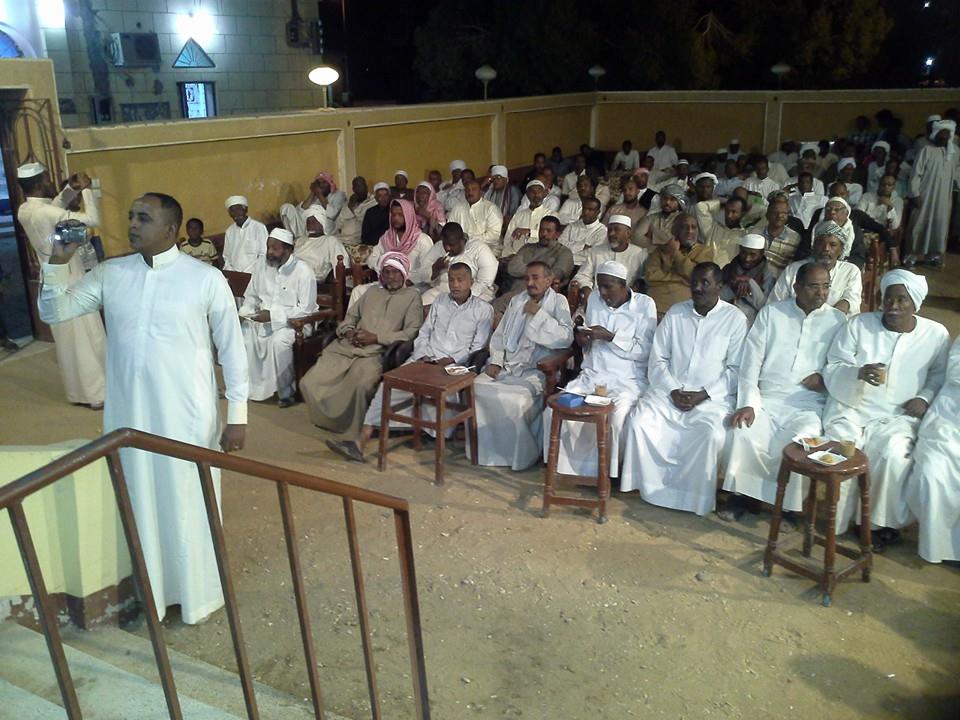
A Nubian protest camp has continued to block the Aswan-Abu Simbel Road for a fourth consecutive day as security forces prevented activists from continuing to their intended destination. In light of the standoff, the Governor of Aswan Magdy Hegazy hosted negotiations between Nubian elders and state authorities on Tuesday.
The camp was established on Saturday when security forces besieged a caravan of cars attempting to reach the Nubian Forkund village, which was recently annexed for a state-backed development project in Toshka, to protest the land seizure.
Hegazy communicated a government offer to grant Nubians priority in the sale of land around Forkund village in exchange for an end to their protest on Sunday, however this was rejected by the protest camp.
Nubian member of Parliament Yassin Abdel Sabbour, representing the Kom Ombo electoral circuit in Aswan, told Mada Masr on Tuesday: “MP Mostafa Bakry is the presently conducting negotiations with the protesters in Aswan. These negotiations are ongoing, and may successfully be concluded by tonight. We have hopes for the best outcome.”
Bakry was not available for comment.
However, Fatma Emam Sakory, a freelance legal researcher in Nubian affairs, told Mada Masr that “little progress has been made in terms of negotiations with authorities. The right to return and access our lands remains an aspiration and a dream.”
The demonstrations and negotiations relate to the government’s 1.5 million feddan reclamation project through which the state plans to sell large tracts of land in Toshka, which Nubian communities claim are their ancestral lands.
Sakory asserted: “The quicker this problem is resolved, the better off the state’s planned development projects will be.”
Nubian organizers from other governorates, including Cairo and Alexandria, sought to lend their support to the protest camp.
Protests in Aswan are ongoing and, according to Sakory, additional protests were organized in Alexandria on Tuesday in hopes of extending support to the stranded activists. Photos of the protest in Alexandria show Nubian protesters calling for the amendment of presidential decrees which deny them their right of return.
She stated that since the start of November organizers in Cairo attempted “to get police clearance for a protest rally to be staged outside the Ministry of Agriculture on November 17,” however the Interior Ministry did not grant the necessary authorization.
Although the 2014 Constitution safeguards the Nubians’ right to return to their ancestral lands, Sakory believes the cabinet is the reason the issue has not yet been resolved.
Constitutional Article 236 stipulates: “The state shall work on developing and implementing projects to return the residents of Nubia to their native areas, and develop them within 10 years and as regulated by the law.”
However, two executive decrees, specifically Presidential Decrees 444/2014 and 355/2016, directly conflict with this constitutional provision. Decree 444 designates specific border areas as military zones which may not be inhabited. This encompasses 16 Nubian villages.
Decree 355, passed in August this year, designates 922 feddans of state-owned land to the private New Toshka development project. Much of this land also falls within historical Nubian sovereignty.
The Egyptian Commission for Rights and Freedoms (ECRF) issued a statement on Tuesday calling on the state to uphold its constitutional obligations towards the Nubian people. “The ECRF reaffirms the inherent right of Nubians citizens to return to their lands,” reads the statement.
According to the privately owned Masr al-Arabia news site, Nubian protesters in Aswan have put forth a list of demands, which they believe would help resolve the conflict:
-Lifting the siege imposed on the Nubian convoy in Aswan, and refraining from arresting or prosecuting its participants.
-That the Nubian villages and lands around Ferqend, Toshka be removed from the state’s plans to sell or reclaim lands as part of its 1.5 million feddan reclamation project.
-That, in light of the state’s development projects around the Toshka area, priority be given to the resettlement of Nubian locals there.
-Enforcing constitutional articles which safeguard the right of the resettlement of Nubians in their native villages, along with the amendment of Presidential Decree 444.
Nubians in the far south of the country have been forcibly displaced several times in the past century. The first displacement occurred in 1902, with the building of the Low Aswan Dam, then again in 112 and 1933 when the dam's height was raised. The building of the Aswan High Dam in 1963-64 saw Nubian communities displaced from their ancestral lands once again.

أخبار ذات صلة
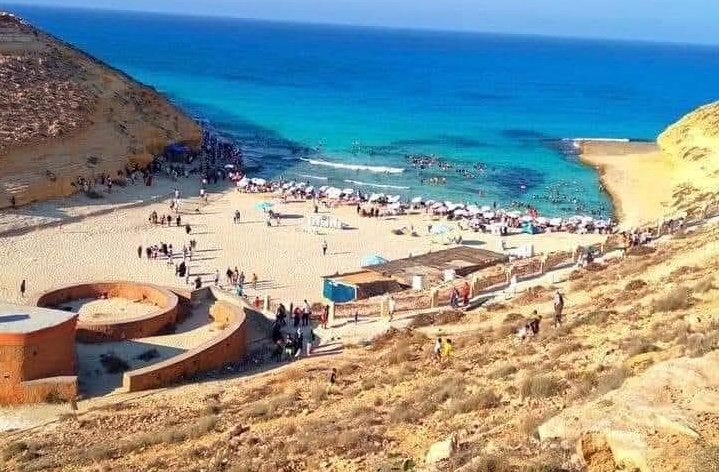
Matrouh to expropriate chalets at Agiba beach in coming weeks, owners not officially informed yet
Matrouh Governorate authorities are set to implement a presidential directive to expropriate an area of chalets in Agiba beach and its southern…
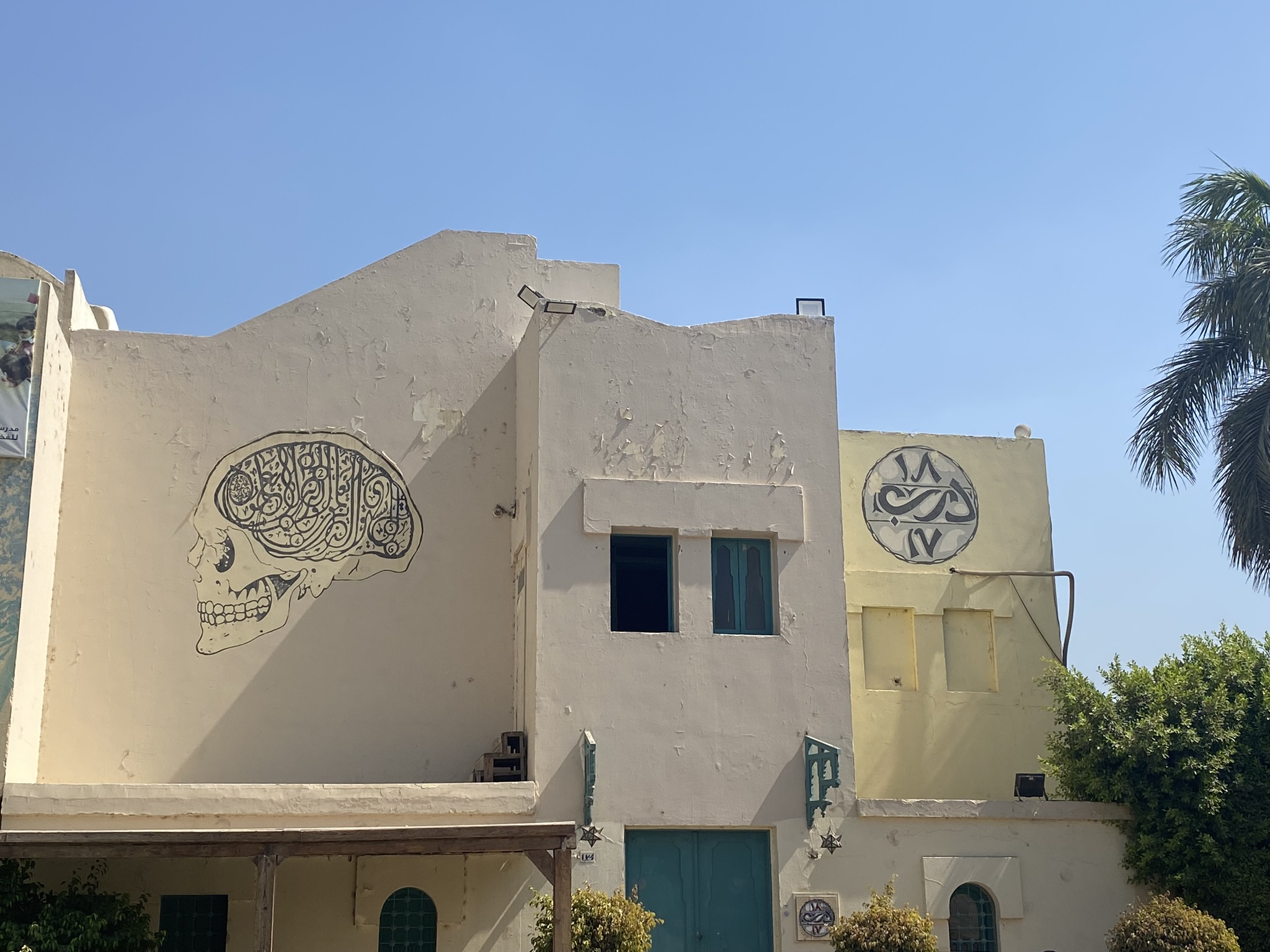
In Fustat, cultural center Darb 1718, pottery factories face demolition
“Old Cairo is one of the seven oldest cities in the world doing pottery art"
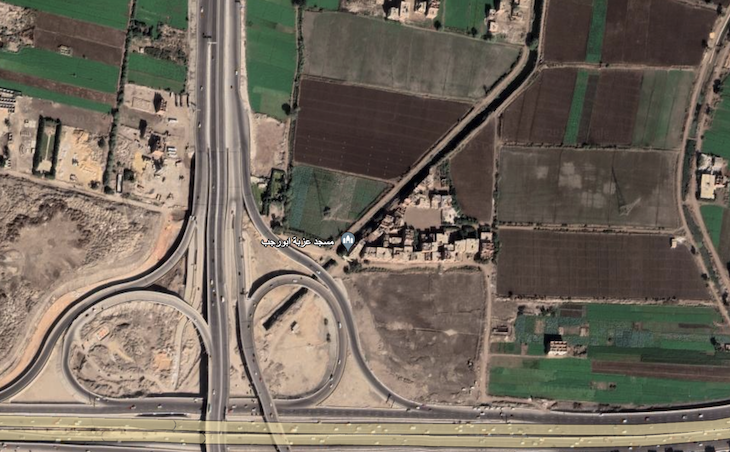
At least 3 homes demolished in Ezbet Abu Ragab, with over 200 households facing evictions by April
The rate of compensation isn’t nearly enough for most of the residents to afford alternative homes
Residents of Qalyubiya agricultural area face eviction to make way for state housing project
It remains unclear how they will be compensated for the loss of their properties
Your support is the only way to ensure independent, progressive journalism survives.
You have a right to access accurate information, be stimulated by innovative and nuanced reporting, and be moved by compelling storytelling. Subscribe now to become part of the growing community of members who help us maintain our editorial independence.
Join us