
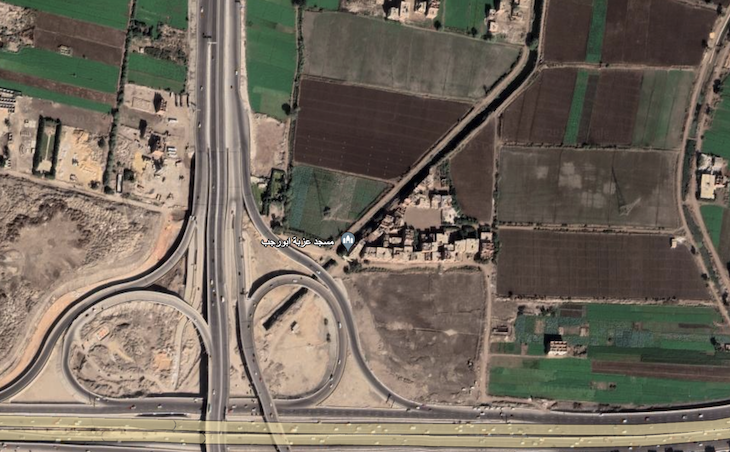
Residents of Qalyubiya agricultural area face eviction to make way for state housing project
“We were shocked,” said a resident of Ezbet Abu Ragab, an area in Qalyubiya home mainly to farmers and employees of a government agricultural center, “when the Agricultural Research Center announced that we needed to evacuate our homes by the end of February.”
The residential properties along with 500 feddans of land in the Bahteem area, owned by the Agricultural Research Center, are to be expropriated and placed under the ownership of the Armed Forces for the construction of a new low-income housing project as part of a 2014 government development initiative, said Ezbet Abu Ragab’s residents.
Facing expulsion from their homes, the residents, who have struggled for years to develop their existing properties in the area and to gain better access to state utility services, say that it's unclear how they will be compensated for the loss of their properties and fear it will compromise their ability to work.
The expropriation also entails a threat to agricultural land, said Karam Saber, head of the Land Center for Human Rights, noting that the issue is reminiscent of what happened to Warraq Island, where hundreds of homes and feddans of pasture were razed for state-led urbanization.
All the houses in Bahtim, an estate established in the nineteenth century, are classified as administrative housing for employees of the research center, given that most of the residents work there as farmers or staff. In recent years, residents have sought government support for the area, filing complaints about the land's infrastructure, such as the lack of sewage system services. Residents have also tried to develop properties by adding additional floors, but have found themselves faced with penalties under recent legislation on “infringement on administrative housing belonging to the state”.
And when the government ultimately set its sights on Ezbet Abu Ragab in January, it was for the purpose of expropriating and demolishing the neighborhood, rather than developing it. “If we don’t evacuate our homes by the end of February,” the neighborhood resident said they were told, “the security directorate will intervene and implement the decision by force, and residents will receive compensation for their properties.”
Houses with concrete columns will be compensated to the value of around LE2,000 per square meter, houses without concrete columns at around LE1,500 per meter, and houses with wooden roofs around LE1,000 per square meter, according to the source.
Faced with the impending threat of forced expulsion, residents broadcast their anger online, prompting lawmakers to speak with the Qalyubiya security directorate, which ultimately led to the offer of higher compensation per housing unit or alternative housing units in Obour City or Khanka.
Yet the families want to remain in their homes, near their place of work. Land in the area has increased in value over recent years, so buying units in the new development would represent an expensive prospect to the area’s residents. As well as lying close to the Cairo Ring Road, the Shubra-Banha Road was built near the area and later, in 2019, the Assar Highway was also constructed nearby.
Existing properties in Ezbet Abu Ragab are chalked to give way to the state’s 2014 Housing for all Egyptians project, nominally intended to provide affordable homes to low-income residents.
“We asked for housing units in the new project implemented by the Armed Forces,” said the resident, “but there’s been no decision until now.”
“Arbitrary forced displacement of citizens” is prohibited in Egypt’s Constitution, yet amid major redevelopment and urbanization projects in areas of Cairo and Giza and a major scheme to centralize the administration of real estate development, residents have faced forced evictions — some still ongoing — in the Maspero triangle, Basateen, Warraq, Nazlet al-Semman and Nahia.
Confiscating land in Bahtim also entails a threat to fast-receding agricultural land, which the government has staked out as protected areas to preserve the national capacity to cultivate crops. In recent years, President Abdel Fattah al-Sisi has warned in repeated statements about the danger of construction on agricultural lands, describing the encroachment on agricultural land as a “state issue.”
But Saber, from the Land Center for Human Rights, notes that around 300 feddans of agricultural land have been swept away in urbanization projects in Rizk Basin and Nawali, as well as elsewhere. “Establishing a state housing project on agricultural land in Ezbet Abu Ragab is reminiscent of the government's approach with regard to Warraq,” said Saber, “where the government's housing project entails the destruction of agricultural land.”
تقارير ذات صلة
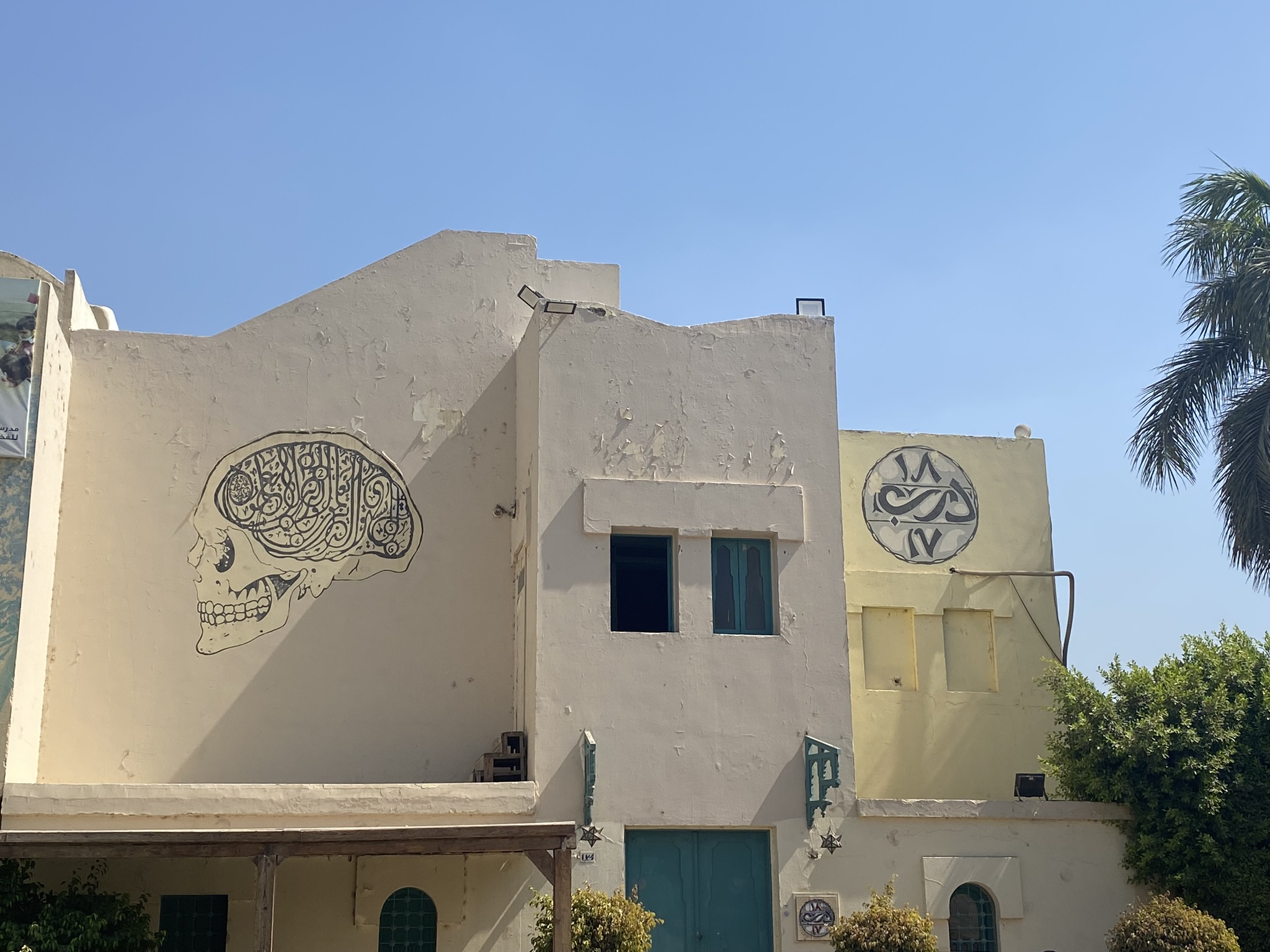
In Fustat, cultural center Darb 1718, pottery factories face demolition
“Old Cairo is one of the seven oldest cities in the world doing pottery art"
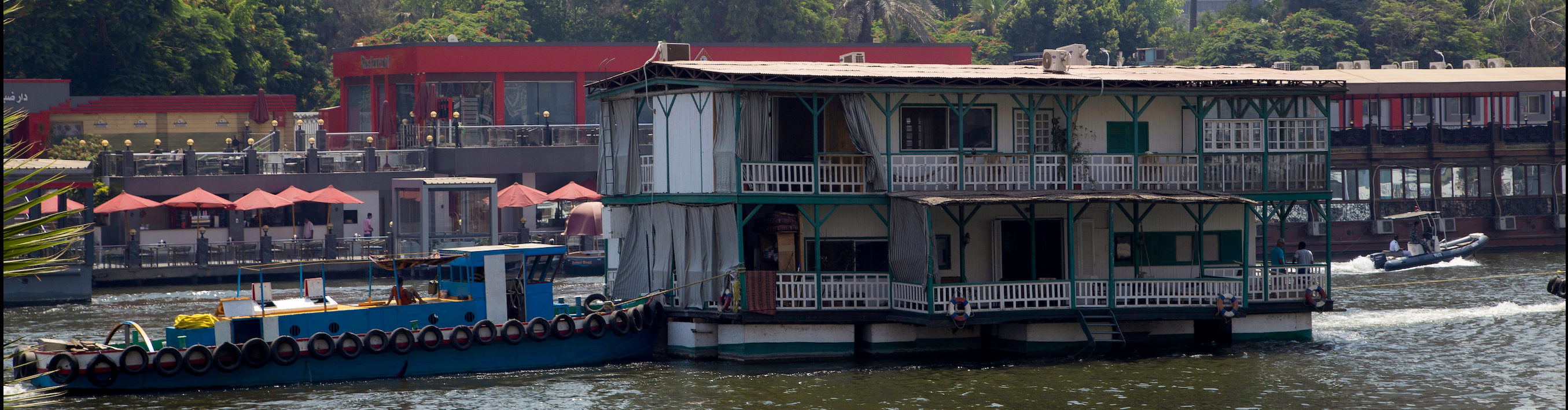
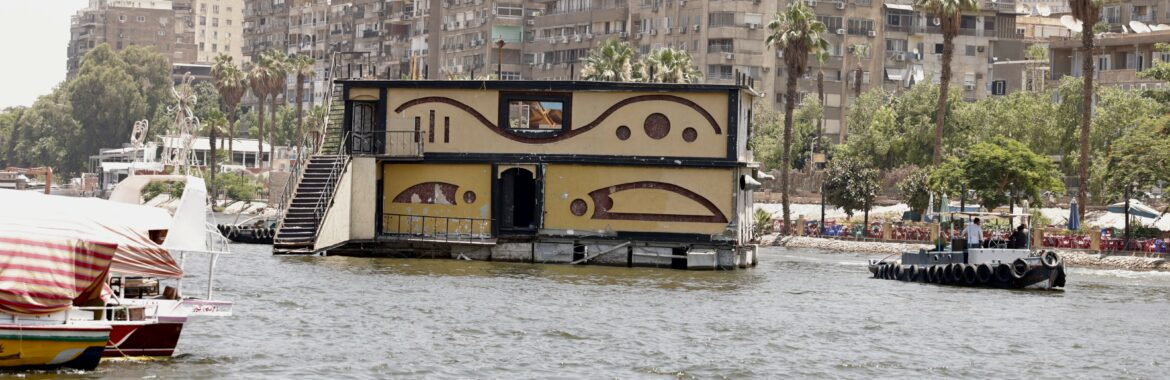
Nile houseboat evictions proceed despite opposition, as government eyes commercial expansion along river
One official said the removals are meant to “restore [the Nile's] civilized appearance.
Your support is the only way to ensure independent, progressive journalism survives.
You have a right to access accurate information, be stimulated by innovative and nuanced reporting, and be moved by compelling storytelling. Subscribe now to become part of the growing community of members who help us maintain our editorial independence.
Join us