
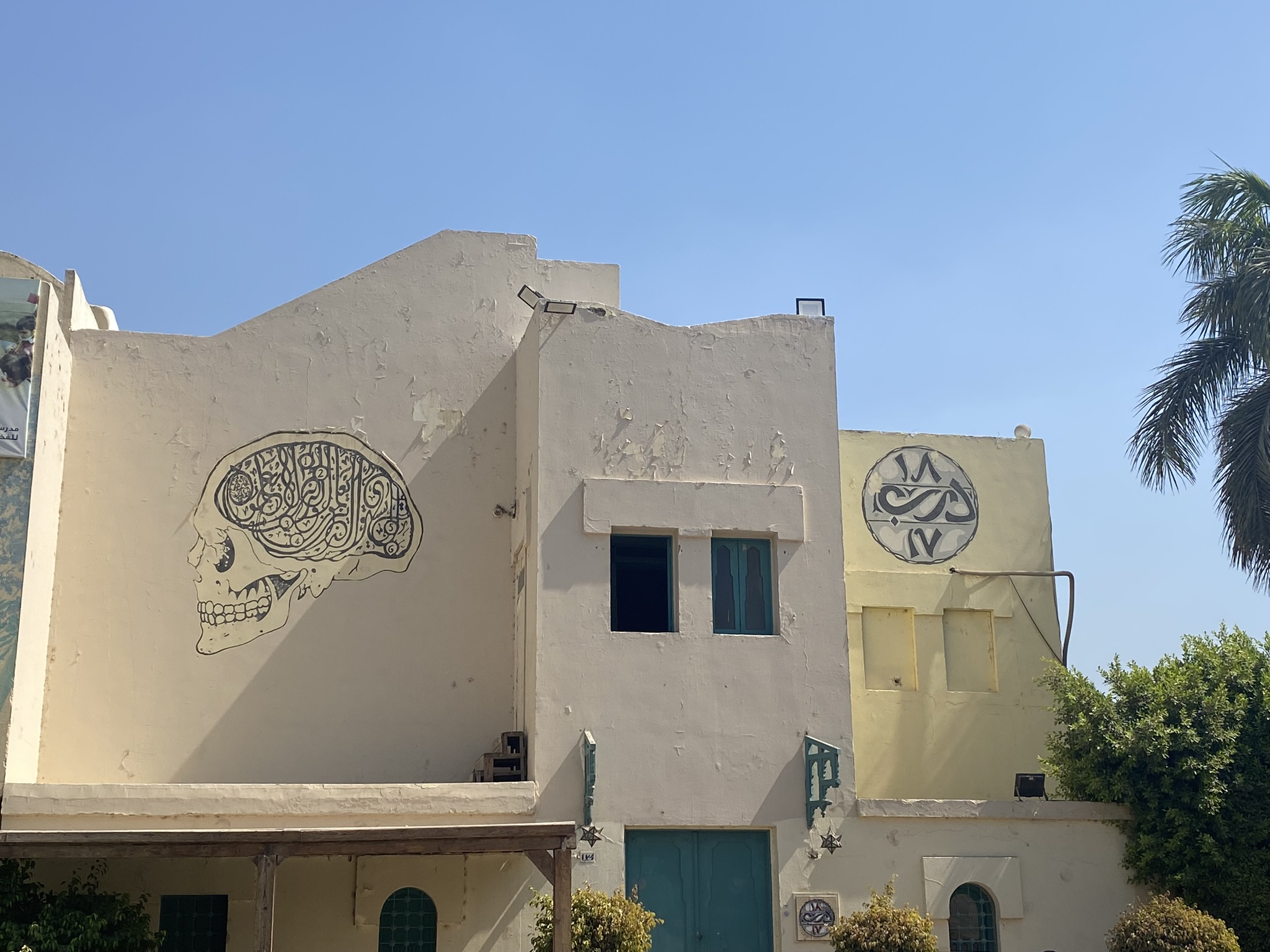
In Fustat, cultural center Darb 1718, pottery factories face demolition
Cultural center Darb 1718 has launched a call for support from its grounds in the Old Cairo neighborhood of Fustat after the center and neighboring pottery workshops were presented last week with last-minute orders to vacate the premises.
They were told the buildings will be removed as part of the neighborhood’s development plans, Darb 1718 founder Moataz Nasr told Mada Masr. While the center’s founder has mobilized a social media campaign, a lawsuit before the State Council, and pleas to members of Parliament to try to stop the demolition, other owners are resigned to vacating the premises they’ve worked on for 15 years and demand only that they be properly compensated for the loss.
Darb 1718 is the latest site to be affected by a redevelopment wave that has changed the face of historic areas of central Cairo over the past years. Ceaseless road and overpass expansion projects have cut relentlessly through historic neighborhoods and the resting place of some of the capital’s historic residents in the City of the Dead, while elsewhere, residents have been displaced from their homes to make way for renovations geared toward promoting tourism.
Fustat is one of the areas being made over by the touch of renovation: the National Museum of Egyptian Civilization opened in 2021 with grand media fanfare, with the Ain al-Sira Lake next to it transformed into a resort by Maxim Hotels and renamed this year as Le lac du Caire.
If you move east of Fustat Street away from the Nile Corniche toward the museum, you come upon three well-kempt buildings overlooking a garden, surrounded by old houses and workshops. They are easier to access from the other side, near the Christian cemeteries. There you’ll find two small streets leading into a complex of buildings housing a variety of arts and craft projects: pottery manufacturers, workshops for sculptures, ceramics, glass and metal work, art foundations, and the jewelry workshop of renowned designer Azza Fahmy.
The two streets deliver you to the three larger buildings which face Fustat Street: Darb1718, and the Sheikh al-Fakhareen pottery store, attached to the Abdeen pottery factory and school. The pottery business, and some of the other workshops, dubbed “the pottery village” were moved here in 1997 from their original grounds near Amr ibn al-Aas Mosque, while Nasr acquired the rest of the land in 2002 to establish the cultural center during efforts to develop Fustat under the government of ousted former President Hosni Mubarak. Now, 15 years after opening the handicrafts spaces as well as a garden where the center hosts screenings and theatrical performances, they are under threat by the new development plans.
The owners were told by the head of the Old Cairo neighborhood that the three buildings and part of the garden are to be demolished in order to expand the road leading to the museum, despite previous assurances that the place was not included in the development plans, Nasr said.
According to Nasr, the neighborhood authorities first came six weeks ago to Darb 1718, saying that parts of the main three buildings and the garden need to be removed to expand the Fustat road by about two meters. A week later, the authorities said the plan had been called off.
But on July 27, another demolition team led by the neighborhood head arrived without prior warning and asked the owners to evacuate their premises within 30 minutes, as the three buildings and garden are now to be removed completely to expand the road by five meters instead.
According to Nasr, it is unclear to the owners what has changed or which authority is behind the decision. “We have been following the development plans for years and we were told not to worry before. We communicated with the Armed Forces Engineering Authority which is working on the road, and they said they do not need to expand the street,” he said.
No official demolition decision or warning has been presented to them so far.
The demolition team, which came again on Sunday with a police force to take measurements of the area and other surrounding homes and workshops of local residents, remained vague about whether the removal decision was final. “I was allocated this land by the state, these buildings I ordered their construction, so I need official documents before something like this,” he said.
Nasr added that a decision to expand the road into the buildings also makes no sense, as the other side of the road is a clear area that can be used instead.
Many residential areas and workshops have already been removed in the process of redeveloping the Fustat area, and more still face demolition, according to Nasr. “The youth center on the opposite side of the road has already been evacuated. Even the nearby mosque and church are set to be demolished,” he said.
“At least if you insist on removing the place, give us proper compensation,” he continued. “The deputy governor who came with the campaign told me to take a 36 square meter area across the road instead. But we're operating a space of over 850 square meters here,” he added.
Owners of the workshop affected by the demolition threat were also concerned about their culturally-significant businesses not being properly valued. Tracing the history of his family business since 1920 through its move from the surroundings of Amr ibn al-Aas Mosque to Fustat in the 1970s, Ashraf Abdeen, owner of Sheikh al-Fakhareen and the Abdeen school and factory, told Mada Masr about his concerns regarding what could be lost in the development.
“Old Cairo is one of the seven oldest cities in the world doing pottery art. Our factory exports to clients around the world, and has represented Egypt on two occasions in France and Italy,” he said.
“We support the state’s development plans, and that sometimes it can come at the expense of the individual, though we wish that we were part of the plans. What I just ask is that we would be properly evaluated and compensated according to the law.”
Another pottery maker whose workshop also moved to Darb 1718 in 1997, was similarly resigned to accepting that the demolitions will likely go ahead. “Since they removed the cemeteries, we have no hope. We just want compensation,” the craftsperson said, speaking on condition of anonymity.
But Nasr is still hoping to stop the demolition. Darb 1718 launched a social media campaign last Wednesday to gather support for halting the demolition plans, gaining support from artists and media, including TV anchor Lamis al-Hadidi.
He has been contacted by lawmakers Maha Abdel Nasser and Freddy al-Baiady, who said they will raise the issue in the House of Representatives, he said, while he has also filed a lawsuit before the State Council against the prime minister, the local development minister, governor of Cairo and the head of the neighborhood to try to halt the process, lawyer and former MP Zyad Elelaimy, who is handling the case, told Mada Masr.
“The lawsuit seeks to halt the negative decision not to inform the owners of the buildings officially of the demolition plans and the development plans involved, and to cancel the demolition decision completely,”Elelaimy said.
Taking a determined stance, Nasr told Darb 1718 that the pottery village will be spared. “We are already a development of the area. Over 15 years, we hosted many artists, craftsmen, viewers and learners who benefited from the place.”
“I believe if this issue reaches the prime minister or the presidency, they learn of the role Darb 1718 plays in the area, they would stop this.”
تقارير ذات صلة
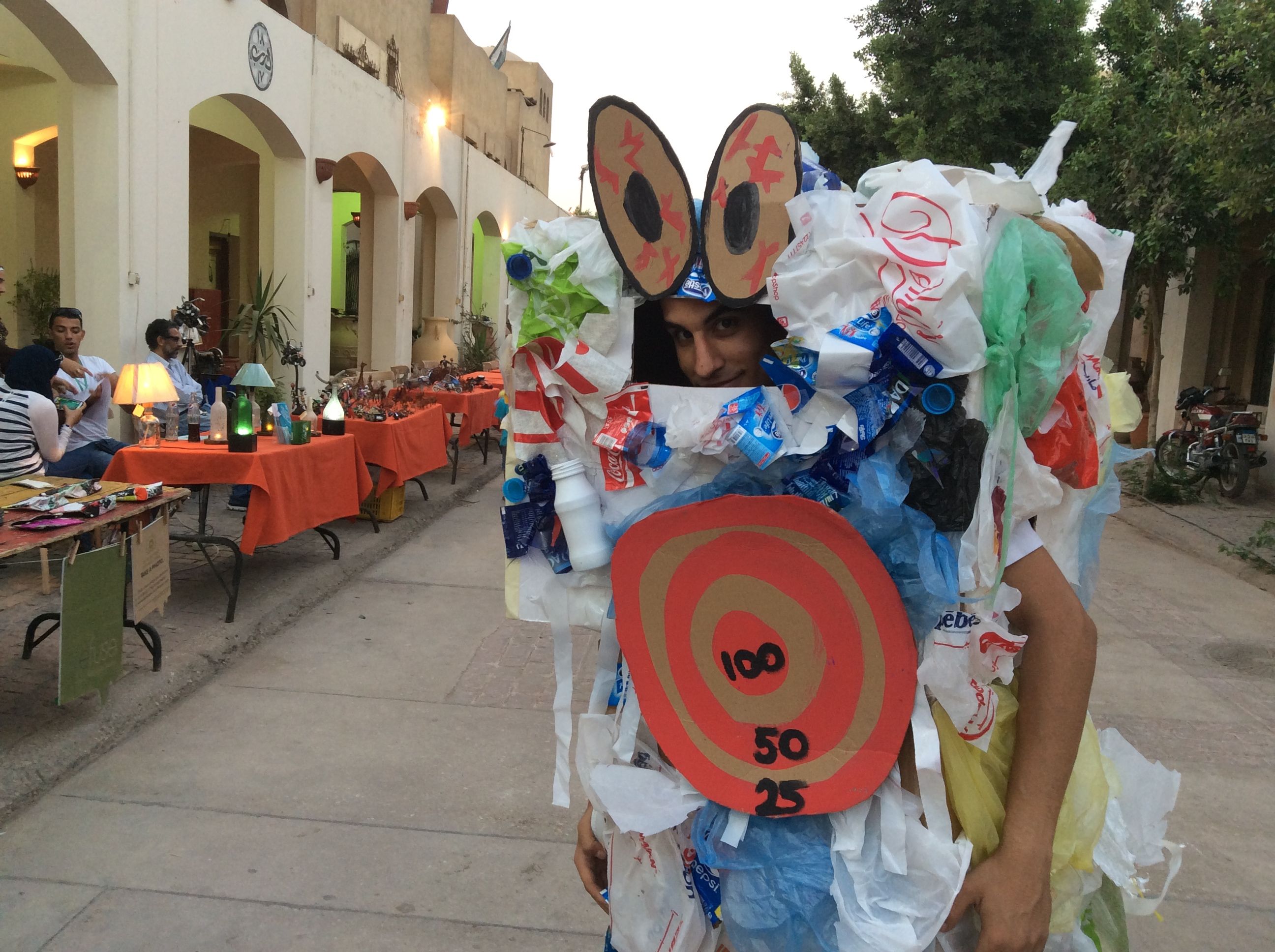
Exhibition showcases hazards of plastic waste
Visitors to Out to Sea? The Plastic Garbage Project, an exhibition at Darb 1718 in Old Cairo, are greeted by a floor-to-ceiling heap of rubbish.
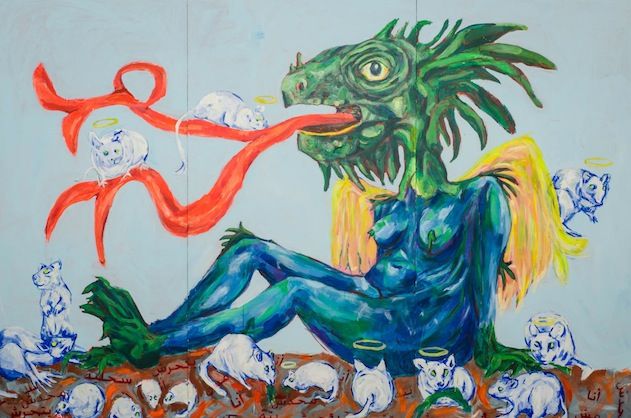
‘Brain Damage’: A varied and refreshing painting show
'Brain Damage' emphasizes painting as a living and contemporary medium that can engage the public.
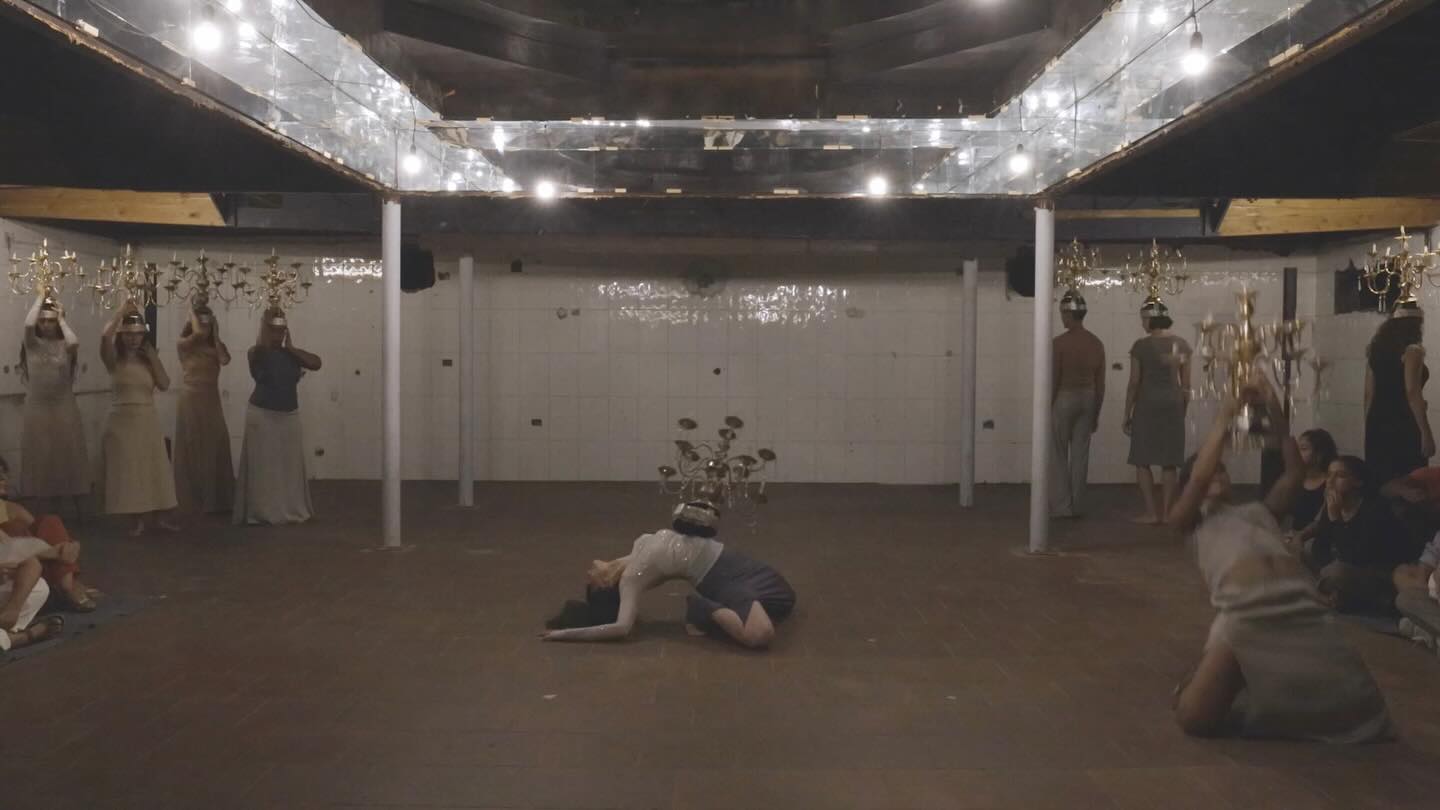
Art around us: 𝑆ℎ𝑎𝑚3𝑑𝑎𝑛 and the weight of fire
We were invited to the premiere of 𝑆ℎ𝑎𝑚3𝑑𝑎𝑛 by Nasa4nasa this summer. We have been closely following the collective’s work in the contemporary dance space, often foregrounding the body in…
Your support is the only way to ensure independent, progressive journalism survives.
You have a right to access accurate information, be stimulated by innovative and nuanced reporting, and be moved by compelling storytelling. Subscribe now to become part of the growing community of members who help us maintain our editorial independence.
Join us