
At least 3 homes demolished in Ezbet Abu Ragab, with over 200 households facing evictions by April
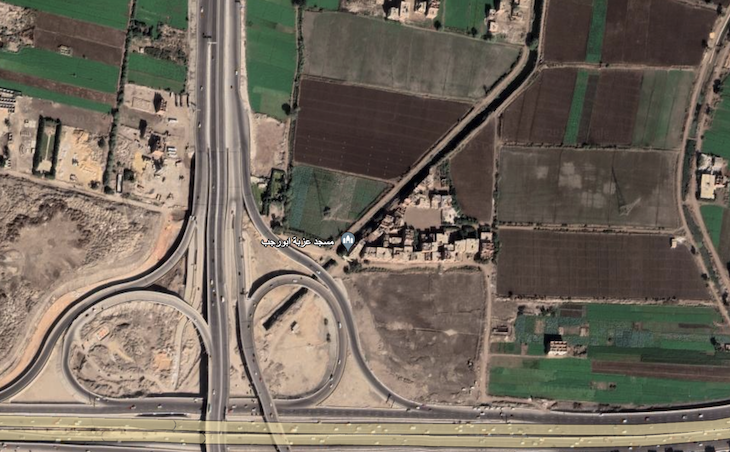
Homes belonging to at least three families in the farming neighborhood of Ezbet Abu Ragab crumbled on Sunday, said two residents from the area speaking to Mada Masr on condition of anonymity, describing the scene as authorities demolished three homes this week in a project set to leave hundreds of people without a roof during the month of Ramdan.
An official from a state body coordinating compensation for the homeowners facing eviction, likewise speaking on condition of anonymity, said that five homes have already been razed to the ground.
The expropriations and demolitions — part of the government’s redevelopment of Ezbet Abu Ragab — are taking place as the highest rate of inflation in five years strains household budgets and pushes up the price of real estate nationwide.
The Ezbet Abu Ragab families have struggled for years to secure legal acknowledgement of their property ownership in the neighborhood, where a majority of the real estate belongs to the state. Now, they fear they will be unable to afford alternative housing if demolitions continue as planned into April.
“Do we look for housing, do we eat, or do we rear our kids? Apartments are currently valued at LE1,200 [per square meter], with an advance payment of LE5,000. How do we pay? We can’t pay or find housing,” said a third resident, voicing her concerns on social media.
The residential area, along with 500 feddans of land in the Bahteem area, much of which is owned by the government’s Agricultural Research Center, are to be expropriated and placed under the ownership of the Armed Forces Land Projects Agency, for the construction of new residential properties as part of the national affordable housing project, according to residents of Ezbet Abu Ragab .
Over 224 families whose relatives have lived in the area for over a century are in danger of losing their homes, according to an unpublished document written by the area’s residents and reviewed by Mada Masr.
“The Egyptian military is threatening to forcibly evict the rest of the families if they don’t leave by April 30,” the first resident said, adding that the deadline is too close for residents to find alternative housing arrangements. Families now face the prospect of ending up on the street right after Eid al-Fitr and with the start of the second-semester school exams, they said.
And the rate of compensation isn’t nearly enough for most of the residents to afford alternative homes. Under a presidential directive, a part-civilian, part-military committee formed in January this year set a rate of cash reimbursement of LE500 to LE2,000 per square meter depending on the construction type of the property. Residents were opposed and demanded either higher rates of compensation, LE5,000 to LE7,000 per square meter, or alternative housing units, said the official from the state body, who is a member of the committee. But the committee decided to add only an additional 15 percent to the original rate of compensation offered. Most residents rejected the offer, said the committee member, and have refused to leave their homes, though the military has ordered the land vacated when they assume ownership of it.
New housing units to replace those being demolished in Ezbet Abu Ragab will be built as part of the Housing for All Egyptians project, a 2014 state initiative to build homes that would be affordable for low- to middle-income households.
But Housing for all Egyptians units require an up-front payment of between LE15,000 and LE22,000, followed by monthly installments of LE410 to LE772 over a period of 10 to 30 years, as well as a 5-percent deposit for maintenance, according to a document released by the Built Environment Observatory in October 2022, prior to the most recent devaluation of the pound in January. The rates require a fixed income of at least LE1,200 per month — an amount equal to almost half of the private sector minimum wage.
“I earn LE3,500 per month,” said the first resident, “but I still cannot afford to pay for alternative housing.” And while many in Ezbet Abu Ragab are fortunate to have a high level of education, residents said that replacement homes are still beyond the means of most, and other residents live under the poverty line.
The demolitions are a devastating end to years of work by the residents to secure legal acknowledgement that they own lands in the area. Though many have documents proving their grandparents lived there more than a century ago, the government only legally recognizes the ownership rights of the state’s Agricultural Research Center, which was created in 1971, regarding its employees and workers as tenants.
As state efforts have redoubled since 2018 to clear cooperative and informally built housing, the residents have worked to gain recognition of their property rights from the Agricultural Research Center, but petitions to the center were rejected in both 2018 and 2021.
أخبار ذات صلة
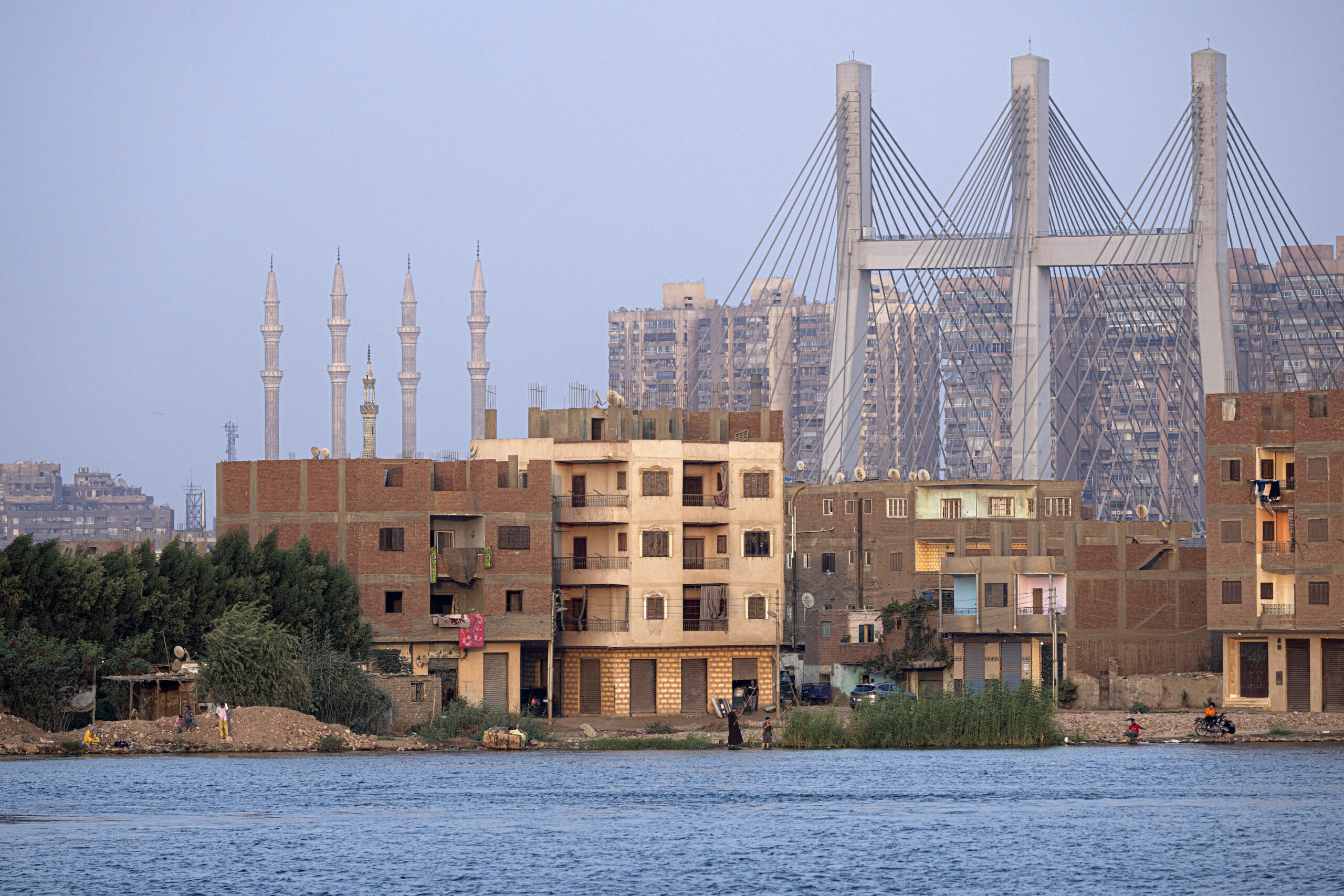
Warraq residents shut down development authority offices to protest prison ruling against neighbor
Residents of Warraq Island shut down the New Warraq City Development Authority’s offices on Tuesday, blocking its entrance and bringing work to…
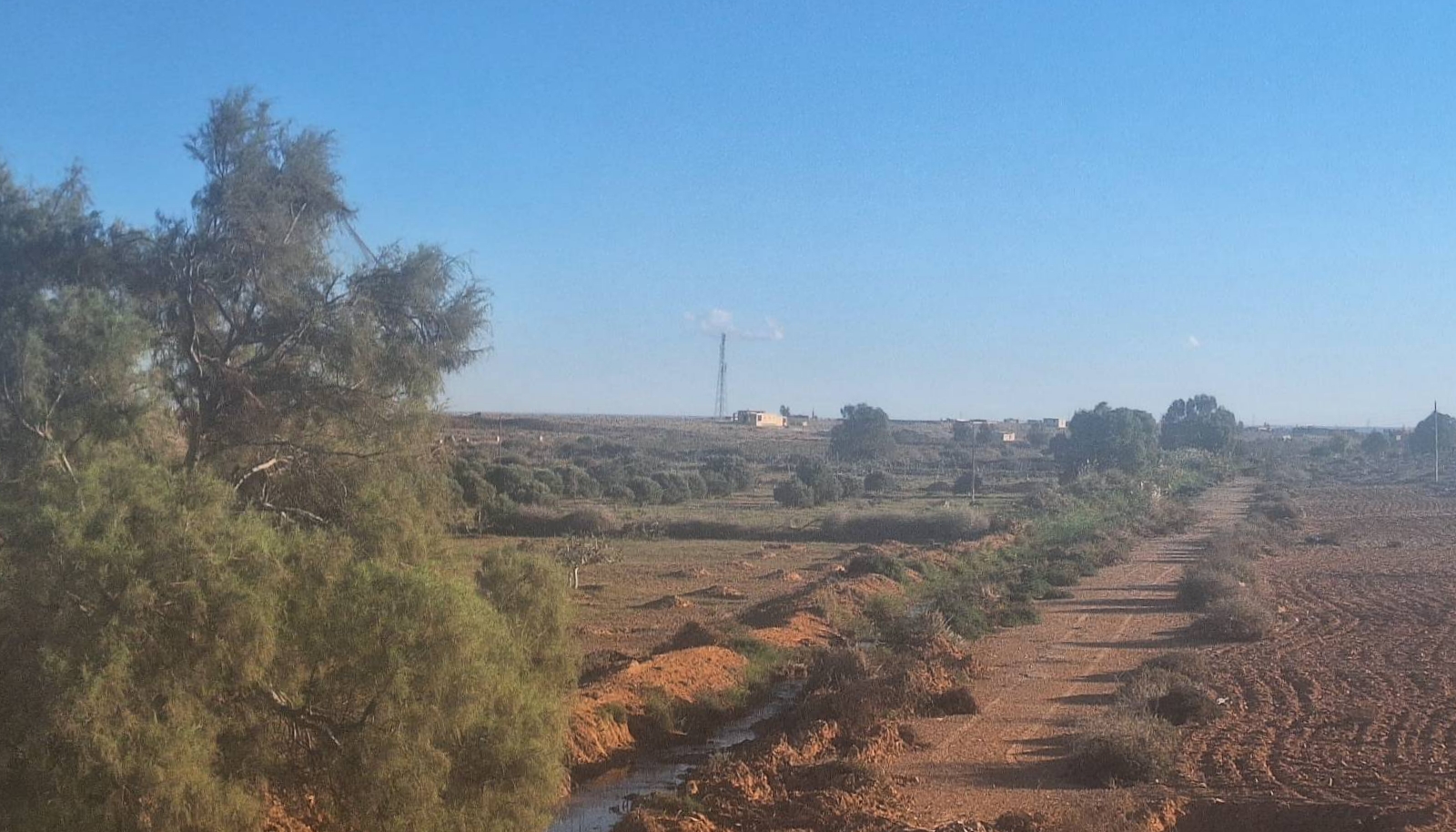
The flipside of Alam al-Roum: Semella farmers face eviction to make way for Qatari deal
“They’re going to be demolished anyway.” So said a security official to several residents of the Matrouh village of Semella last week,…
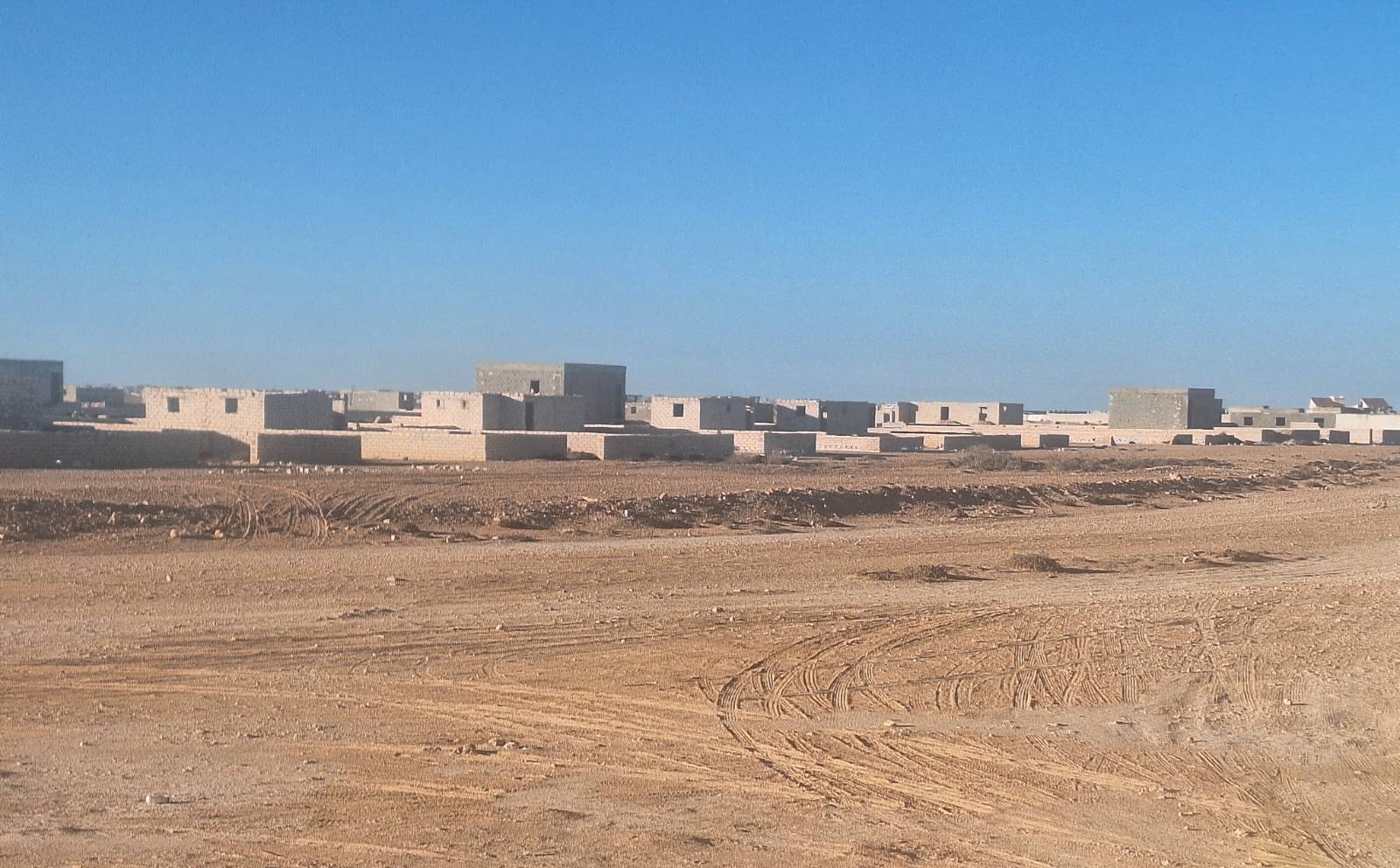
Residents confront demolition team in Matrouh village days after conclusion of Qatari development deal
A man was injured on Wednesday in Semella, Alam al-Roum as residents sought to prevent the forced demolition of a house in…
Govt to tear down Toson residential area of east Alexandria
Tension between the residents and local authorities has built over the course of the year
Your support is the only way to ensure independent, progressive journalism survives.
You have a right to access accurate information, be stimulated by innovative and nuanced reporting, and be moved by compelling storytelling. Subscribe now to become part of the growing community of members who help us maintain our editorial independence.
Join us