
Milk turns sour, cattle sold off as customers tighten purse strings in response to inflation

Milk is turning sour in warehouses, farmers are selling off cattle and dairy products, factories are downscaling as households nationwide make cuts amid a wave of inflation that has surged through the market for over a year. The trend threatens the viability of a sector that contributes as much as US$3.3 billion to Egypt's gross domestic product per year, or the equivalent of 1.6 percent.
Dairy sales are dipping as one of the many downstream effects of reduced consumer purchasing power, as family budgets are eroded by the compound pressure of global inflation and rapid devaluations of the Egyptian pound distressing the import-dependent economy.
Around 60 percent of 6,000 households surveyed by the International Food Policy Research Institute reported that they had reduced their milk consumption since March 2022.
As a result, Juhayna, a dairy products company holding the leading market share, sent out an official letter in mid-April to its milk suppliers to inform the farms it would cut its purchases by 25 percent, said Dairy Producers Association chair Ashraf Sorour. Competitors Almarai and Beyti, for their part, made a 30 percent cut in their purchases.
Cheesemakers like Obour Land are also cutting back. An official source at the company told Mad Masr on condition of anonymity that, given how many households consumed cheese, the company did not feel able to raise prices given how high commodity prices are already for the public. “What I can do,” they said, “is reduce my production capacity in order to stop the losses.”
Obour Land reduced its production capacity by 30 percent, the source said, stopping milk deliveries from farms for a whole week during Ramadan, in an unprecedented move.
Farmers are struggling with the drop in demand. “Milk is accumulating in our warehouses,” said the owner of one of the farms supplying Juhayna, speaking on condition of anonymity to explain that the company began to reject milk deliveries about a month ago. “The shipment would wait outside in the cars for three days, and, in the end, they would take a sample and say ‘the acidity increased, so we would not be able to take it.’”
Dairy farm owner Ahmed al-Gendy told Mada Masr that he started selling his livestock gradually a few months ago as the sale price of milk dropped below its rising cost price causing him losses he estimated at thousands of pounds.
Egypt's dairy sector represents as much as 1.6 of GDP according to estimates by the International Labor Organization, and constitutes a third of the agricultural livestock industry. Of the 7 billion tons of milk produced per year, around 80 percent is exported.
*Writing by Ahmed Bakr

أخبار ذات صلة
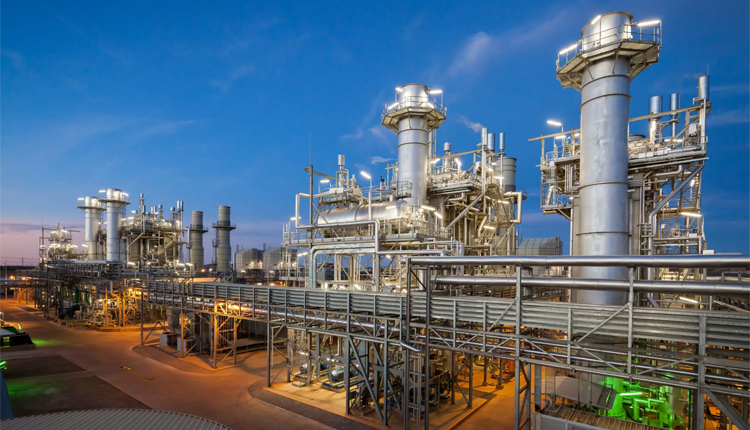
Egypt to boost fertilizer exports to offset planned slash to industrial energy subsidies
The government will raise natural gas prices for industrial use in Egypt in the coming weeks by around US$1-2 per million British…
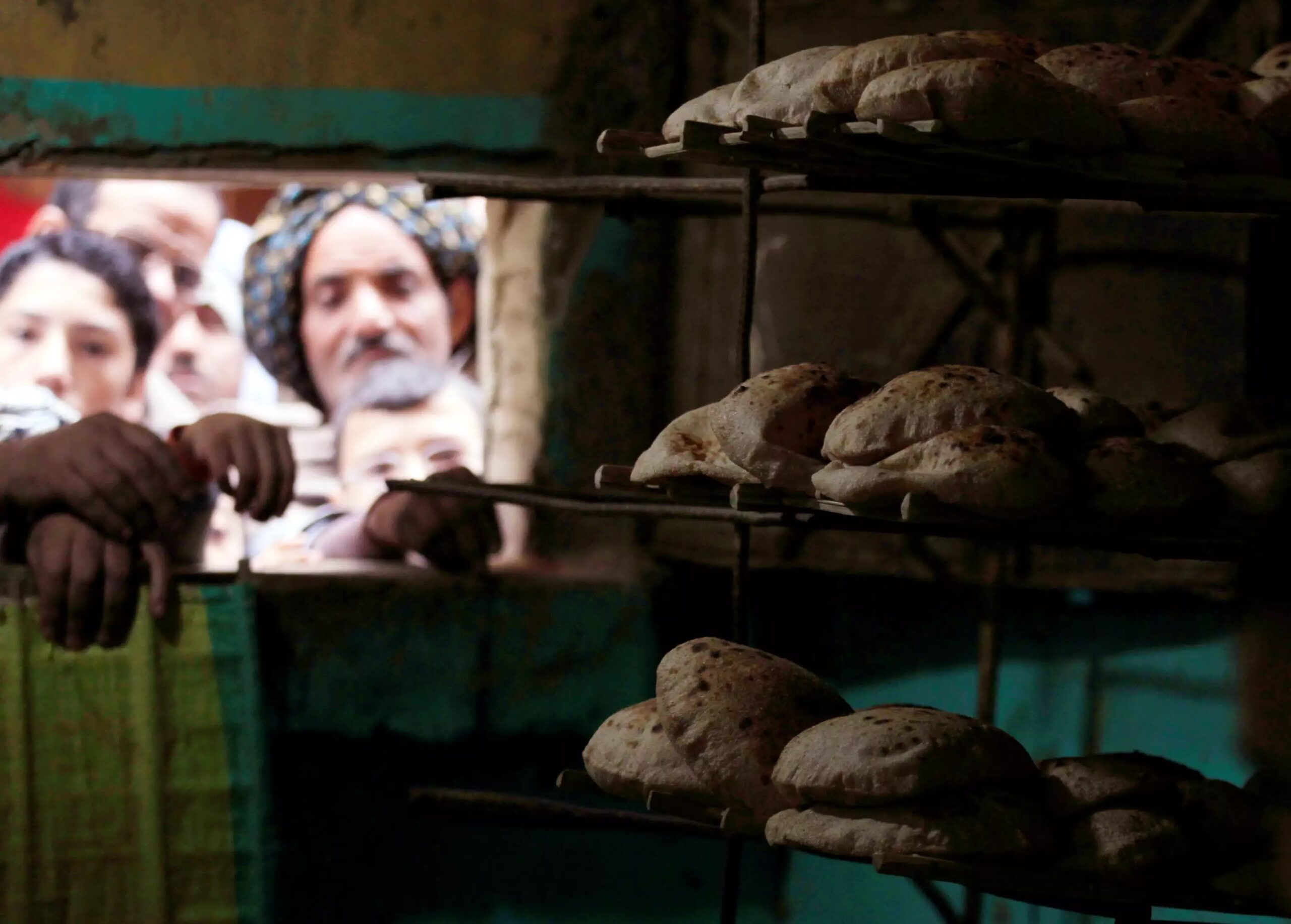
Govt sources say upcoming bread price hike won’t be last
The first increase to the price of subsidized bread in Egypt for 30 years will not be the last, said two sources…
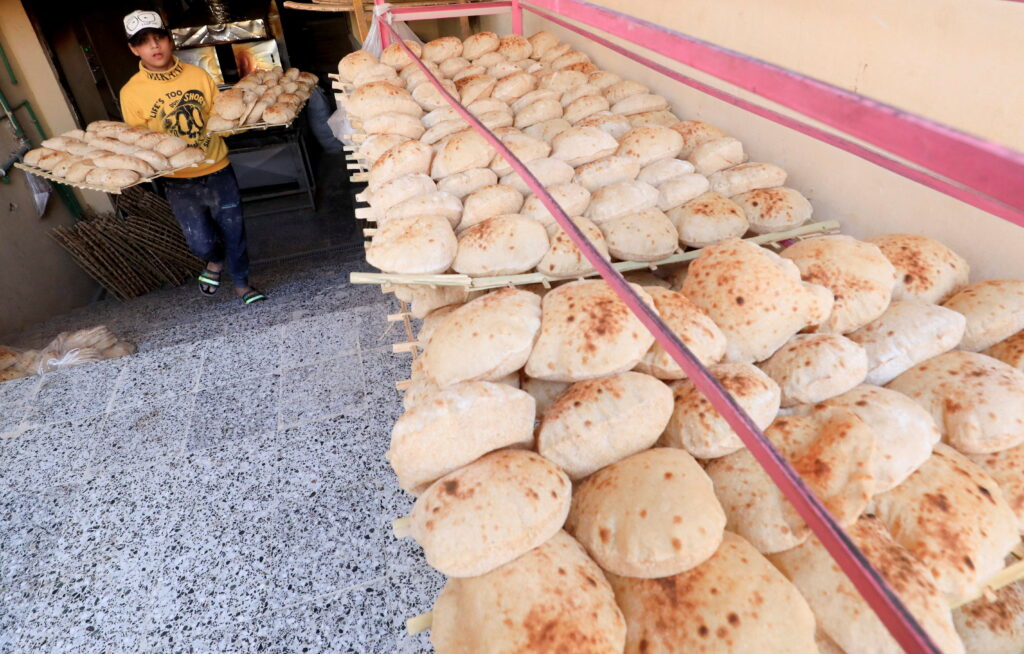
In snap decision, Egypt’s government to hike bread prices for first time in 30 years
This is the first time the price of subsidized bread has been raised since the 1980s
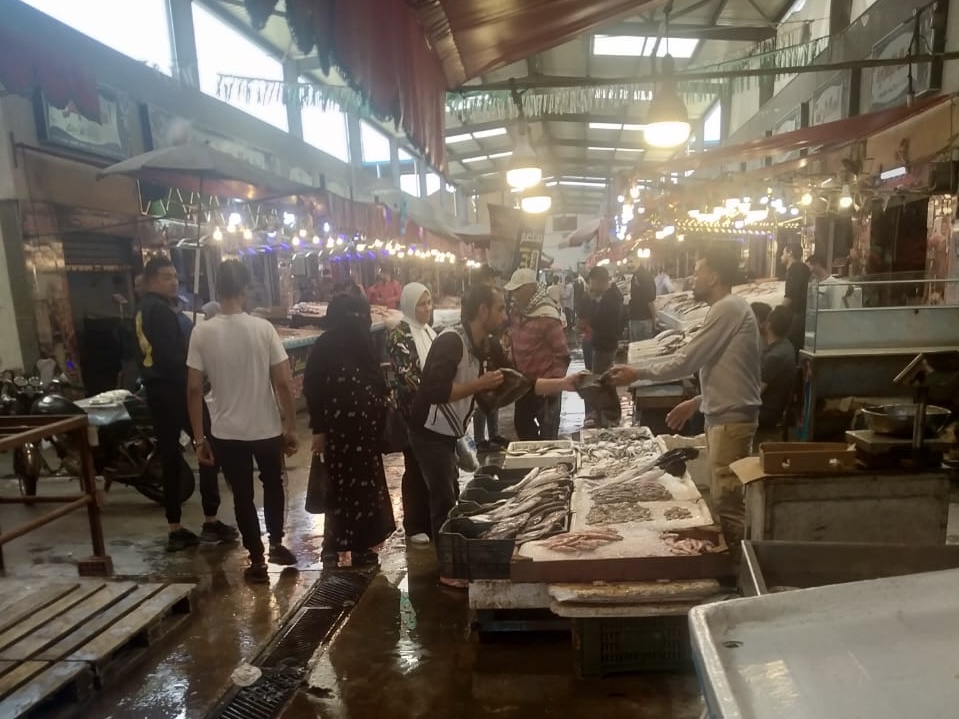
Let it rot?
A new boycott campaign out of Port Said aims to tackle soaring fish and seafood prices
Your support is the only way to ensure independent, progressive journalism survives.
You have a right to access accurate information, be stimulated by innovative and nuanced reporting, and be moved by compelling storytelling. Subscribe now to become part of the growing community of members who help us maintain our editorial independence.
Join us