

The first increase to the price of subsidized bread in Egypt for 30 years will not be the last, said two sources in the Supply Ministry who spoke to Mada Masr on condition of anonymity.
The sources added that the government intends to review and adjust the price per loaf periodically in the future — as is the case with the prices of fuel and electricity — although the ministry has yet to devise a strategy for implementing this approach.
The price of subsidized bread, a staple in the diet of two-thirds of households nationwide, is set to get more expensive for the public on Saturday for the first time since 1986, adding to the economic burden on citizens already struggling to make ends meet.
Prime Minister Mostafa Madbuly announced on Wednesday that the government is set to raise the price of subsidized bread from LE0.05 to LE0.20 per loaf starting Saturday, marking a 300 percent increase.
The price hike is set to erode the value of the subsidy cards distributed to eligible households to support the purchase of price-regulated goods, the sources said.
Since 2014, members of the public have had the option to forgo some of the bread the card entitles them to and to receive instead a cash balance of LE0.1 for each loaf of bread not collected. The additional credit can be used to buy other goods available at subsidized prices with the card.
As the cost of subsidized goods has increased, the purchasing power of the points has decreased, eroding the quantity of goods subsidy card holders can buy.
The Supply Ministry sources said that it is considering increasing the redemption value per loaf on subsidy cards to over LE0.1 in the future.
Some people could also lose their access to the subsidized loaves altogether, with the Supply Ministry sources adding that it is set to revise the list of around 70 million beneficiaries currently eligible to buy subsidized bread via subsidy cards to remove those who no longer qualify.
The government has called the bread price hike a "subsidy rationalization" rather than a price increase. Speaking at a press conference on Wednesday to announce the hike, both Madbuly and Supply Minister Ali Meselhy claimed there is a surplus of subsidized bread, describing some using the bread as bird feed or “eating just the top layer.”
"If I give a pound to a beggar, they throw it in my face. Now, citizens will receive five loaves for a pound," Nasr Naamani, advisor to the supply minister, told Mada Masr.
"Citizens must bear the burdens alongside the state, rather than persisting in the senseless worship of the subsidy idol," he said. "We’d fast for our country to remain on its feet."
Yet a former official noted that if the government wanted to preserve the amount it spends on subsidies, it could have cut its costs instead of raising the price. “Did the government make sure to hedge against wheat price fluctuations and currency exchange rate volatility? Are there measures in place to reduce wastefulness in the production system? Has the state liberalized the production chain to enhance competitiveness and minimize costs?” former Supply Ministry advisor Medhat Nafea said to Mada Masr. "Failure comes at a cost which impacts subsidies."
Wednesday’s snap decision brought forward the schedule for increasing the price of subsidized bread to a month earlier than the date Meselhy had originally communicated to representatives from the Bakeries Division in a meeting at the beginning of the week.
With Egyptians already weathering high inflation, paired with reduced purchasing power, the government has backed down from planned hikes in recent years.
This time, however, the government rushed its decision, a financial analyst told Mada Masr on condition of anonymity. According to the source, the state did not want to delay the measure until the beginning of the coming fiscal year, set to start in July, given that its review with the International Monetary Fund (IMF) for its US$8 billion loan program is ongoing.
Bakeries were not initially informed whether the planned increase in price-per-loaf for the public would come with an increase to the money the government allocates to bakeries to support the cost of baking bread.
Government support for the bakeries has not increased for four years, despite rampant inflation. Bakery owners have repeatedly requested a review of costs due to rising expenses such as rent, wages, electricity and other production inputs, the division sources said.
Supply Ministry officials are due to meet with the Bakeries Division in the coming days to inform them of their decision regarding production costs. Two Bakeries Division sources speaking to Mada Masr on condition of anonymity said the matter remains unresolved, pending further discussion between the division and the ministry.
But Naamani told Mada Masr that currently, the ministry has no intention to raise production subsidies, saying, "now, the bakeries can take LE0.20 from citizens."
Naamani said that increasing allocations for production costs at subsidized bread bakeries could lead to knock-on inflationary effects in the market, paving the way for commercial bakeries to raise their prices. The government issues guideline prices for bread sold at commercial bakeries, which have also requested official price increases owing to rising production costs amid inflation.
But the Supply Ministry has opted instead to benchmark price increases against flour prices. Flour prices rose over recent months, a trend which some bakeries tried to mitigate by increasing prices or reducing the size of loaves. The ministry demanded commercial bakeries lower their prices in April and adhere to weight-per-loaf guidelines. Flour prices later dropped again.
The last time bread prices were hiked was in the 1980s, when prices were increased from LE0.01 to LE0.05. Egypt was also undergoing a major debt crisis at the time, and had agreed on a structural reform program with the IMF.
Under similar circumstances in 2020, the Supply Ministry officially reduced the value of loaves by cutting their weight down from 110 grams to 90 instead of hiking prices.
President Abdel Fattah al-Sisi gave the green light to a hike in subsidized bread prices back in August 2021, but the decision was later retracted as the government struggled to mitigate the economic fallout of the COVID-19 pandemic and Russia’s invasion of Ukraine, which led to the flight of over $20 billion in hot money from Egypt’s financial markets.
أخبار ذات صلة
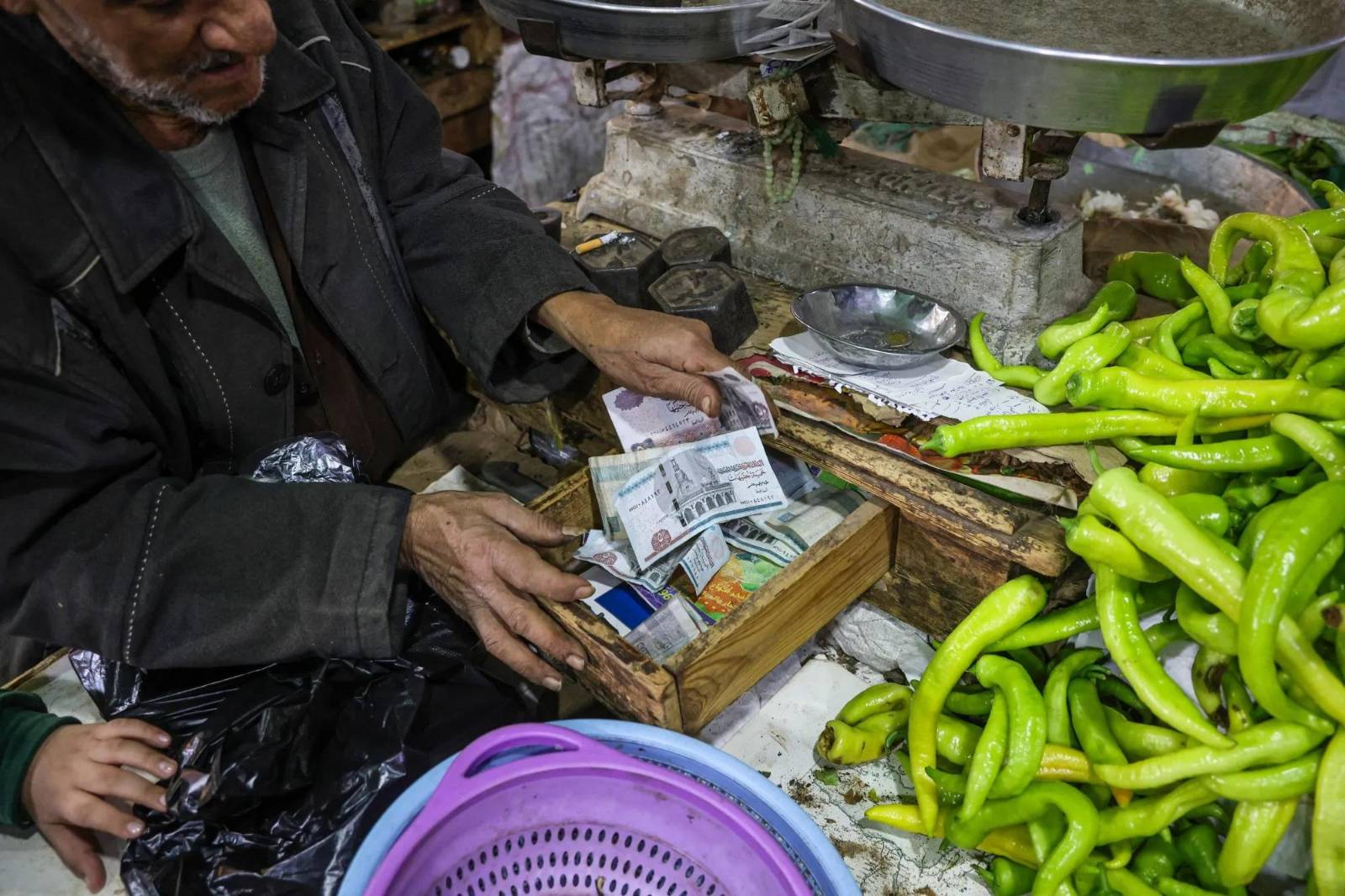
Brandishing the military trial stick: The govt’s price control bluff
Another wave of inflation is crashing in. On March 10, and for the third time in the course of a year, the government raised fuel prices again, justifying the decision…
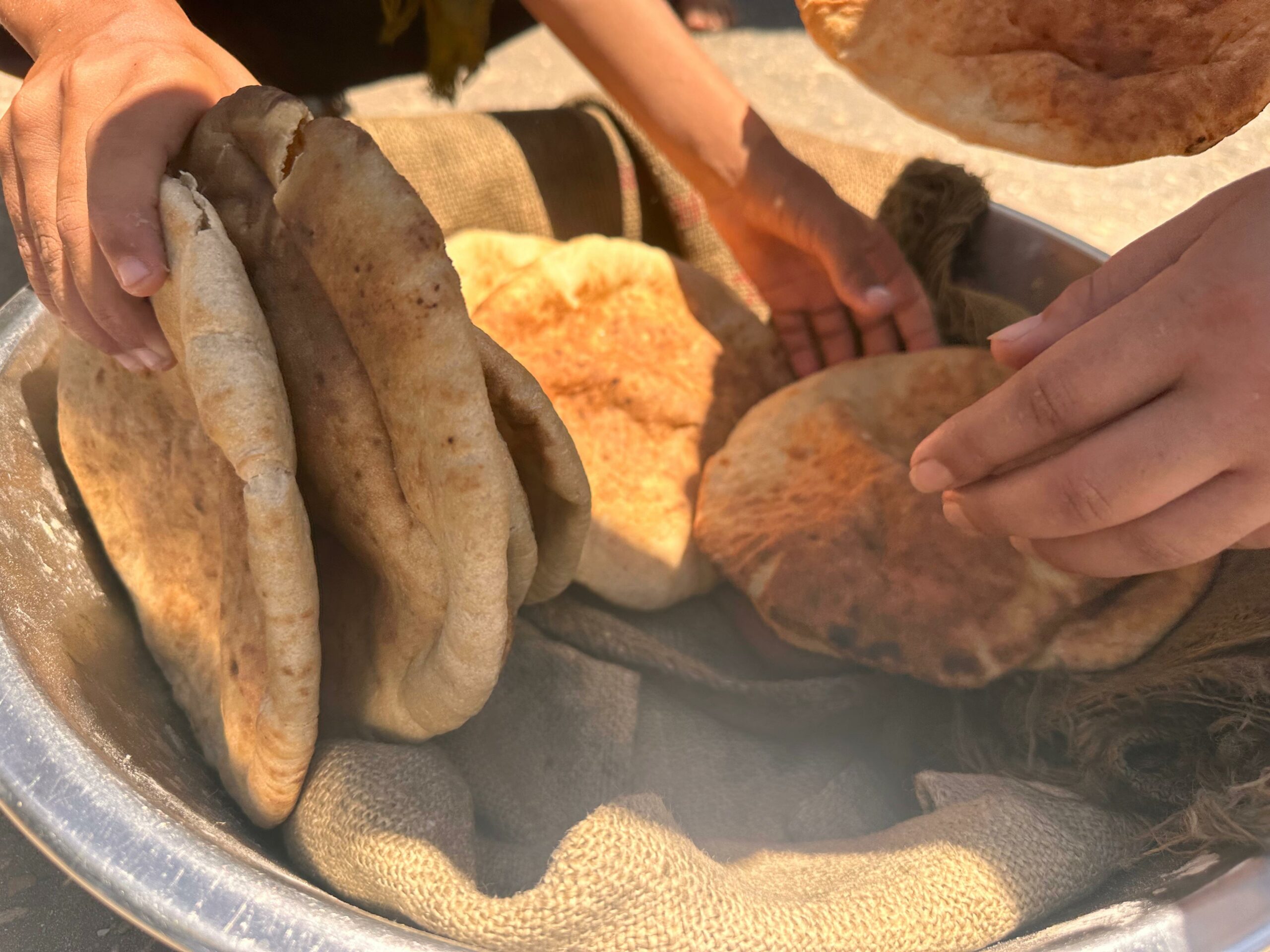
Egypt launches program to fortify subsidized bread against iron deficiency
A source in the Supply Ministry said that the fortified bread will be distributed in 13 governorates
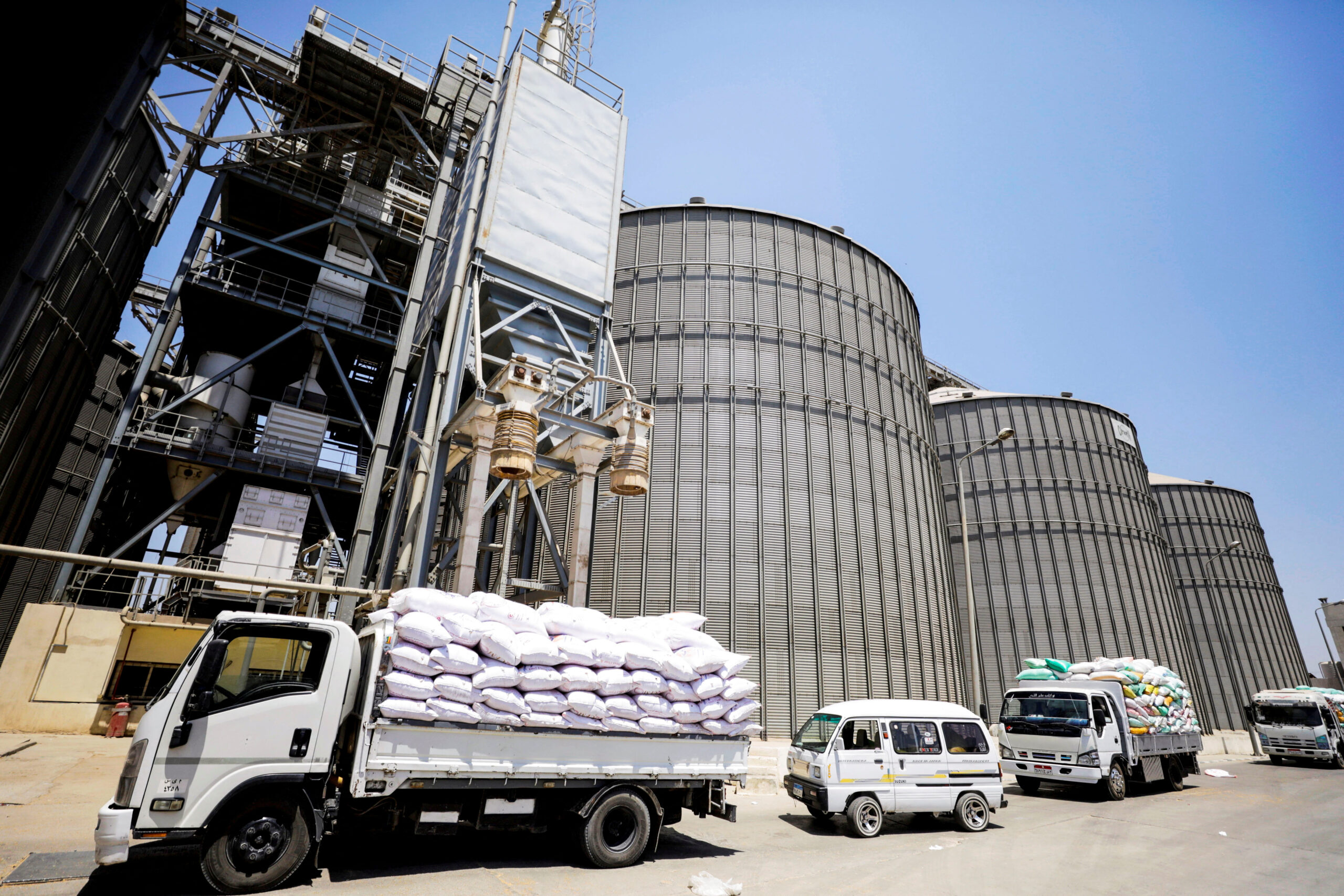
New player bids to import wheat for Egypt’s state silos
The Future of Egypt, a sustainable agriculture agency, announced on Wednesday that it had issued a tender to import 60,000 tons of…
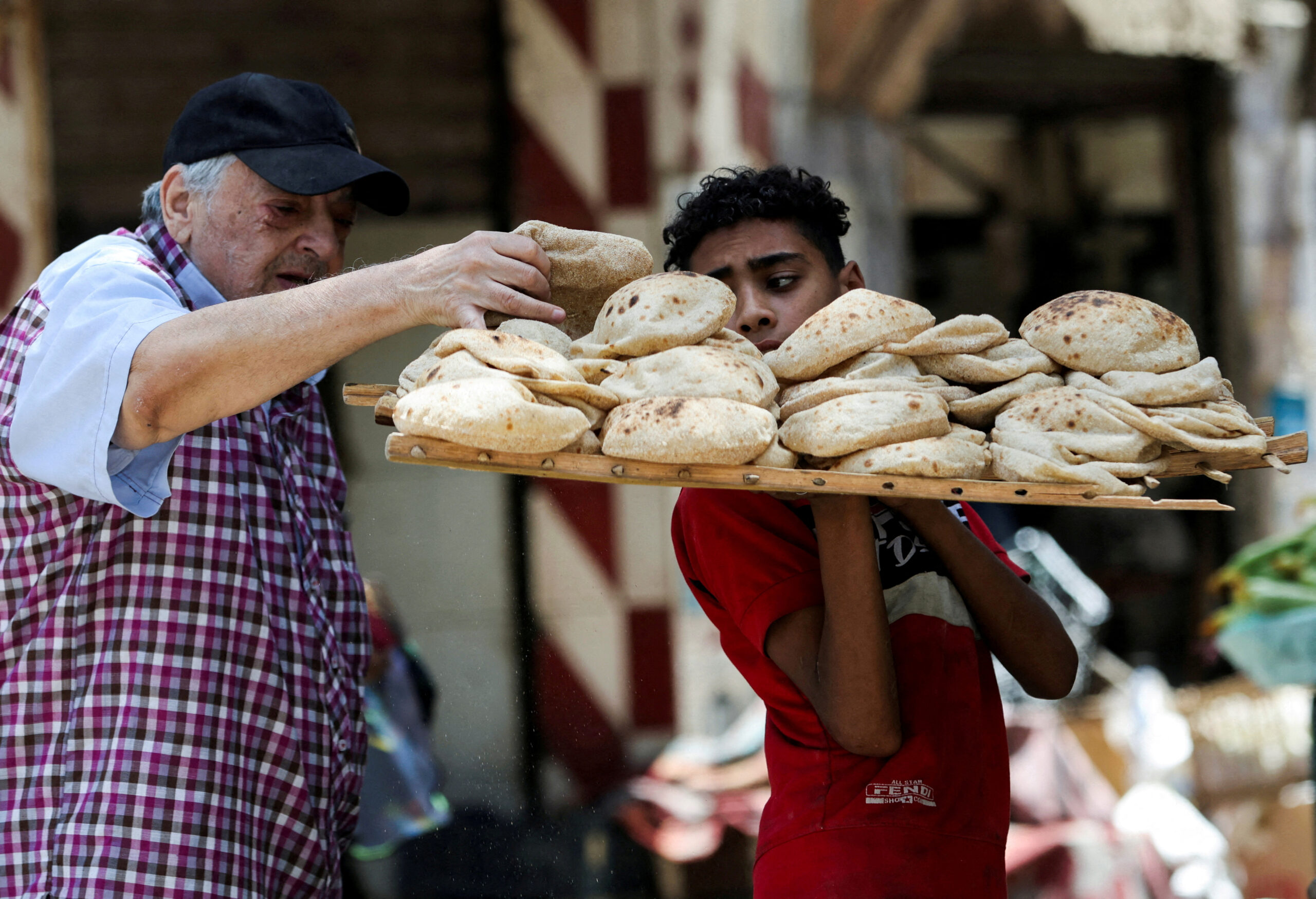
Supply Ministry introduces new penalties for bakeries, mills amid changes to bread subsidy system
Supply Minister Sherif Farouk imposed new regulations on the production of subsidized bread this week, introducing fines for bakeries and mills found…
Your support is the only way to ensure independent, progressive journalism survives.
You have a right to access accurate information, be stimulated by innovative and nuanced reporting, and be moved by compelling storytelling. Subscribe now to become part of the growing community of members who help us maintain our editorial independence.
Join us