
In snap decision, Egypt’s government to hike bread prices for first time in 30 years
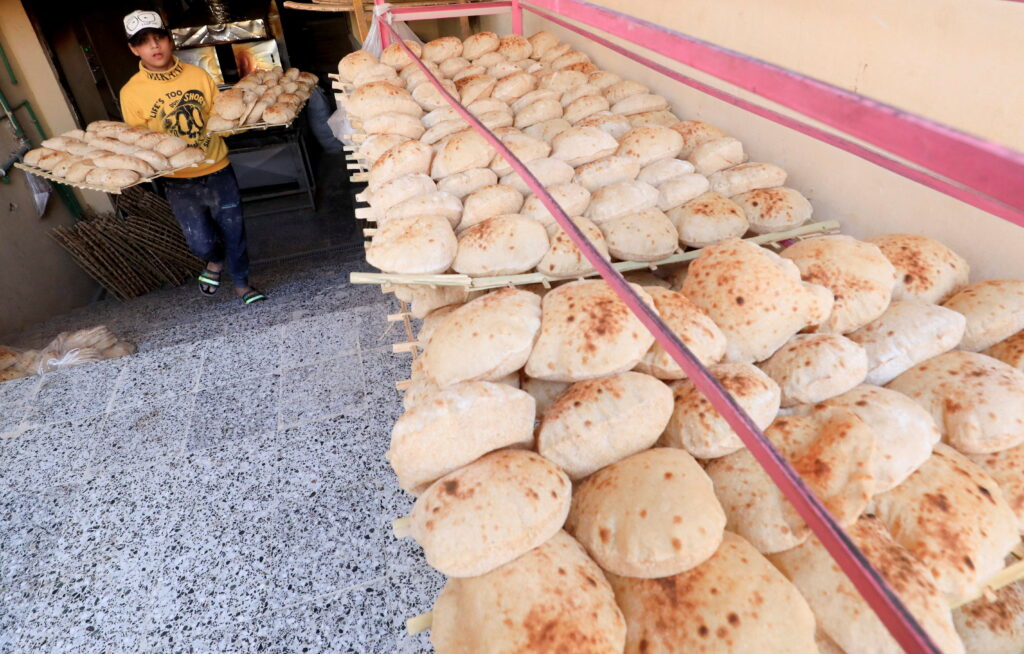
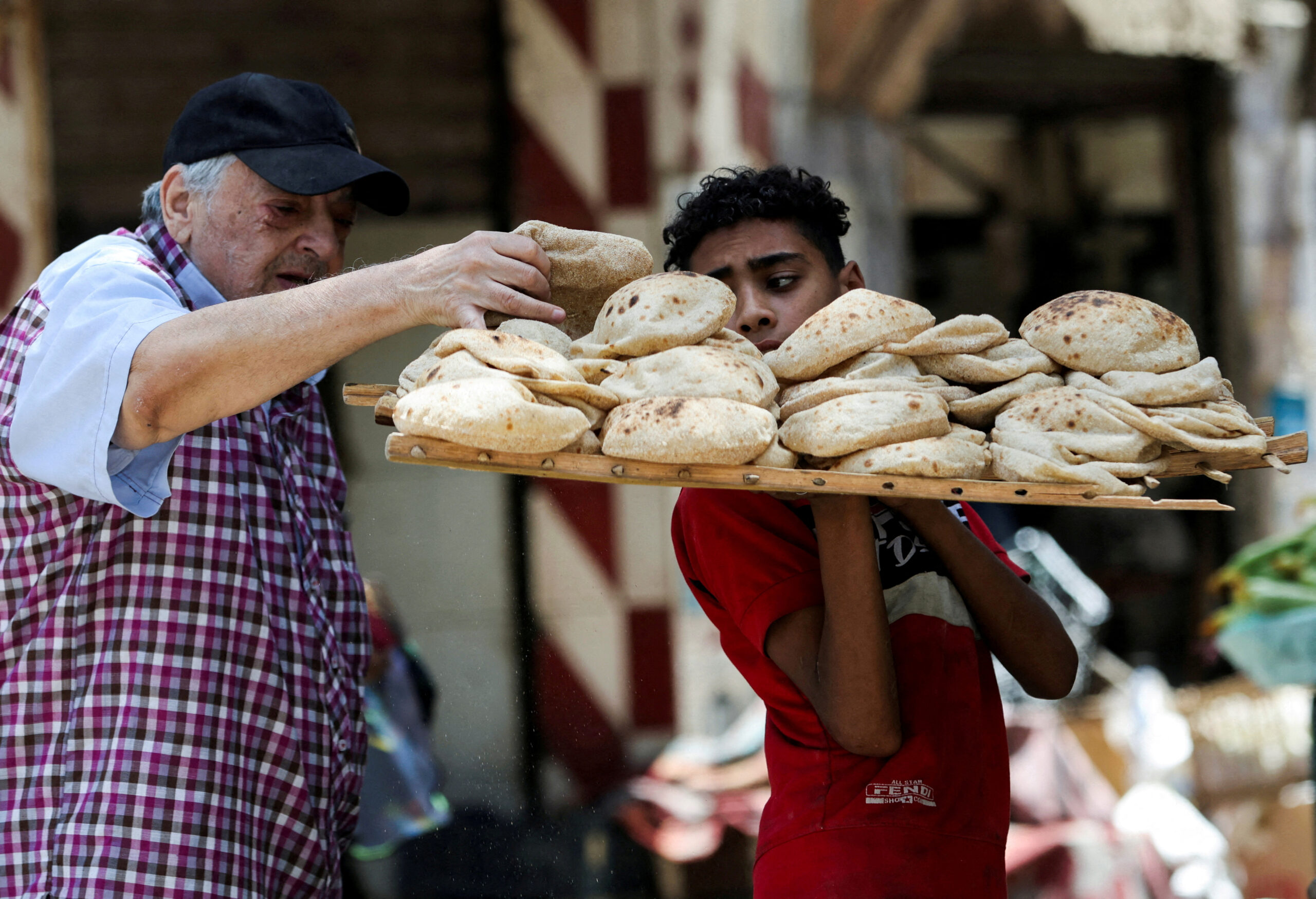
The government is set to hike the price of subsidized bread from LE0.05 to LE0.20 per loaf, a 300 percent increase, starting from the beginning of June, Prime Minister Mostafa Madbuly said in a press conference on Wednesday.
The price of the strategic commodity, on which around 70 million Egyptians rely for daily sustenance, has not increased for over 30 years.
With Egyptians already weathering high inflation, paired with reduced purchasing power, the government has backed down from planned hikes in recent years.
This time, however, the government rushed its decision, a financial analyst told Mada Masr on condition of anonymity. According to the source, the state did not want to delay the measure until the beginning of the coming fiscal year, set to start in July, given that its review with the International Monetary Fund (IMF) for its US$8 billion loan program is ongoing.
An informed source previously told Mada Masr on condition of anonymity that, in a meeting on Monday with representatives from the Bakeries Division of the Cairo Chamber of Commerce, the supply minister said that subsidized bread prices would be increased starting July.
Speaking to Mada Masr on Wednesday, bakery owners said they were unsure how the price increase would be implemented, noting that the Supply Ministry is expected to convene with the bakery divisions in the next two days before moving forward.
Taking the decision more quickly also allows more time between upcoming hikes to the prices of electricity and fuel, preventing all rates from increasing at once and aggravating already high inflation, said the analyst.
Egypt has slowly been cutting back spending on fuel, electricity and food subsidies offered to the public — part of the policy recommendations attached to its loan program with the IMF.
Wael Gamal, head of the Economic and Social Rights Unit at the Egyptian Initiative for Personal Rights, told Mada Masr that the government chose to cut back spending on subsidized bread in order to try and achieve a primary budget surplus, as recommended by the IMF, through financial austerity at the expense of low-income citizens.
But the government could have chosen other means to mitigate its financial challenges without burdening citizens facing economic hardship, consultant for the Central Agency for Public Mobilization and Statistics Heba al-Leithy told Mada Masr. For instance, she said, the government could have cut back on unnecessary expenses and boosted revenues from the capital gains tax.
Economics professor at Cairo University’s Economics and Political Science Faculty Sherine al-Shawarby likewise told Mada Masr that the government took advantage of the opportunity presented by already high inflation rates, hoping that, in comparison, the LE0.15 increase would seem insignificant. But the hike is significant for economically disadvantaged families. The government is projected to generate an extra LE15 billion from the price hike, which lowers its subsidy bill, she continued. But for the government, the saving is only a small portion of its total LE1 trillion deficit, while for a family of five, the rise in cost from LE1.25 to LE5 on a daily basis represents a considerable burden.
Egypt has grappled with unprecedented rates of consumer inflation over the last two years. Inflation reached nearly 40 percent year-on-year in September, led by food prices leaping 154 percent.
The government taking this step now reflects a disregard for existing inflationary pressures, most evident in rising food prices, said Gamal. He added that the state is taking the approach of “disciplining and impoverishing” the public, holding the government accountable for what he described as a “political decision.”
According to Leithy, the decision could result in a rise in the poverty and school dropout rate, as well as increased levels of malnutrition and a decline in food security.
The last time bread prices were hiked was in the 1980s, when prices were increased from LE0.01 to LE0.05. Egypt was also undergoing a major debt crisis at the time, and had agreed on a structural reform program with the IMF.
Similarly, in 2020, the Supply Ministry officially reduced the weight of the loaf from 110 grams to 90.
President Abdel Fattah al-Sisi gave the green light to the hike in subsidized bread prices back in August 2021, but the decision was later retracted amid the first signs of the 2022 economic crisis, which saw the flight of over $20 billion in hot money from Egypt’s financial markets.
أخبار ذات صلة
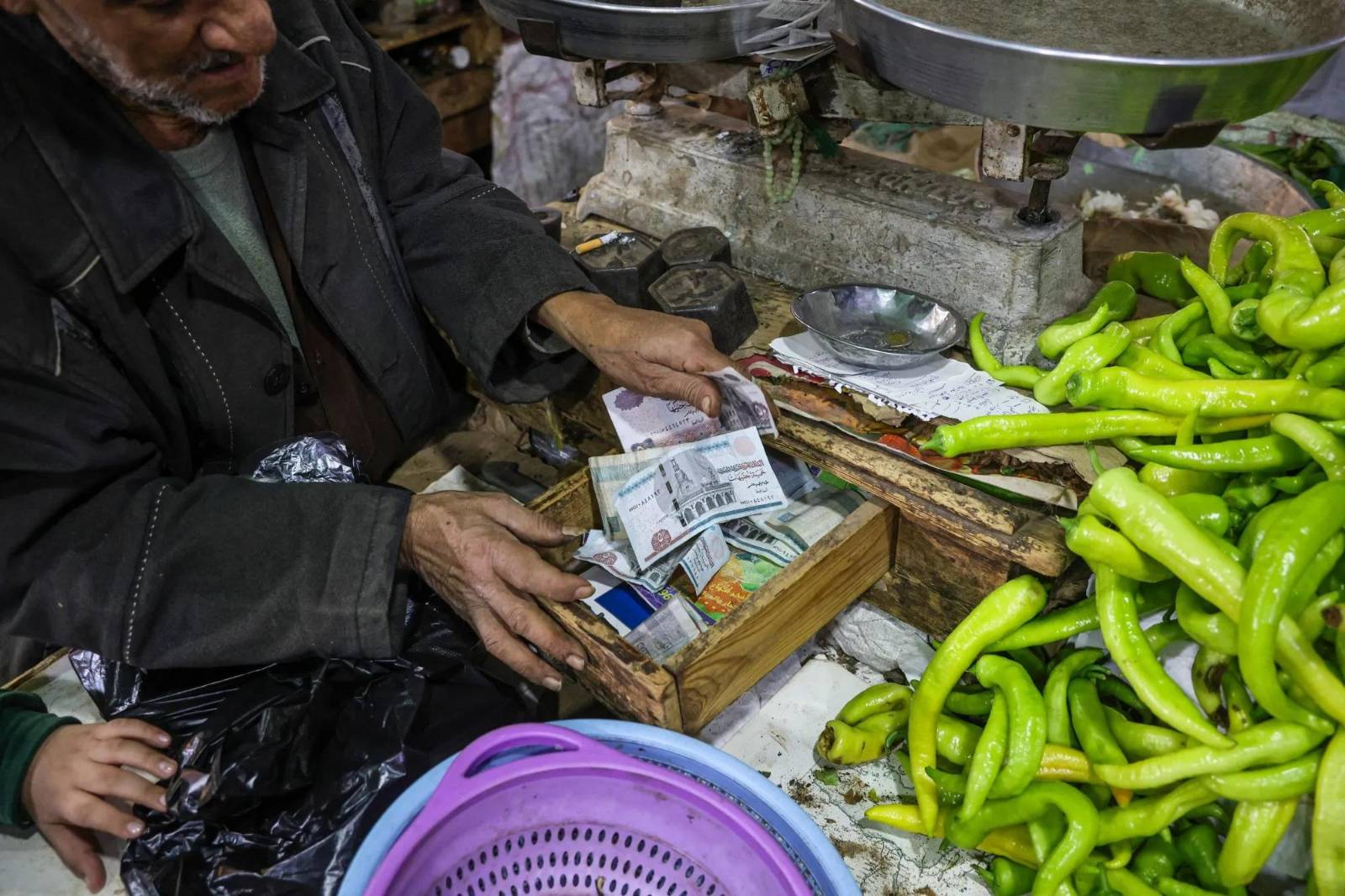
Brandishing the military trial stick: The govt’s price control bluff
Another wave of inflation is crashing in. On March 10, and for the third time in the course of a year, the government raised fuel prices again, justifying the decision…
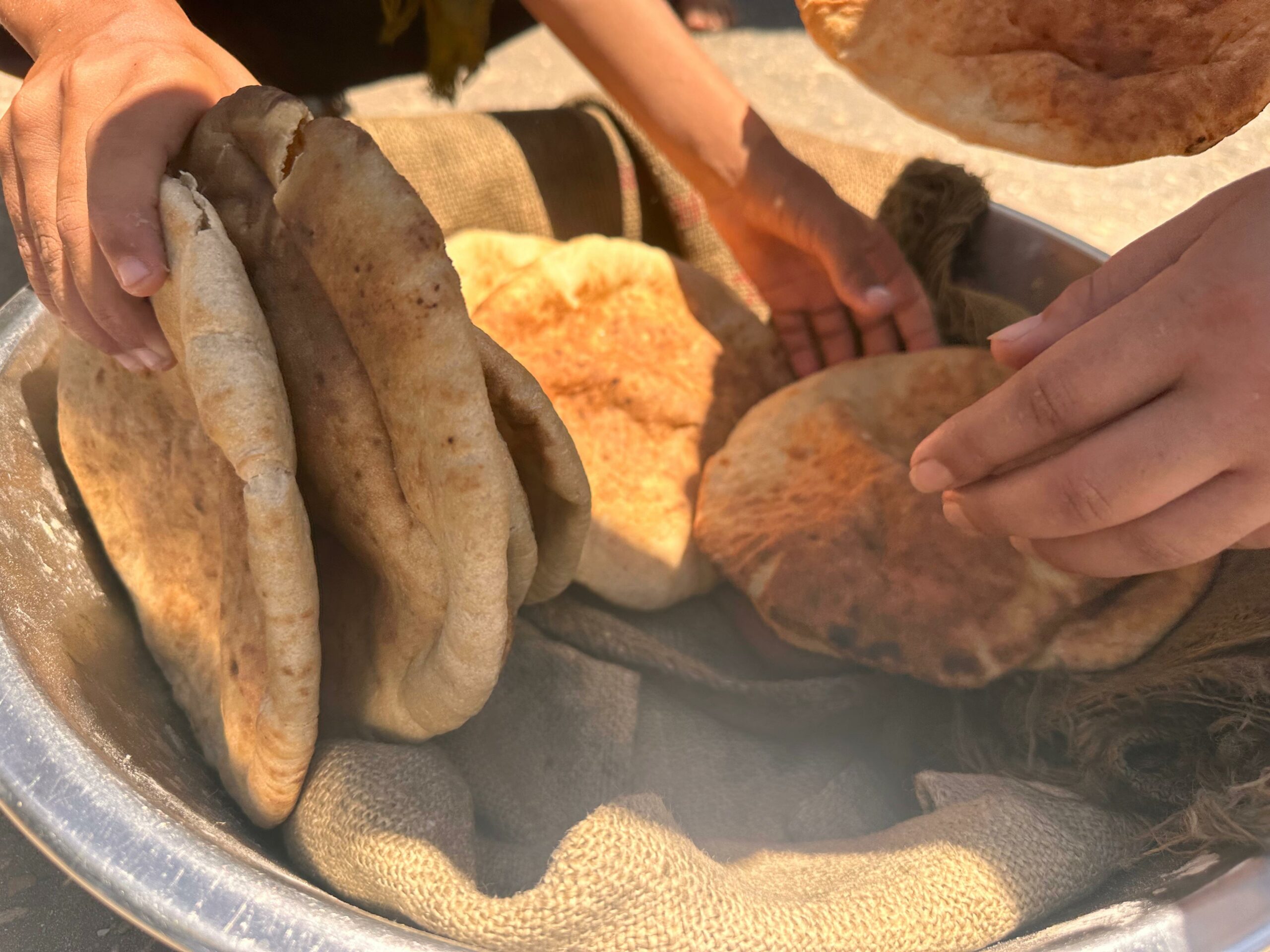
Egypt launches program to fortify subsidized bread against iron deficiency
A source in the Supply Ministry said that the fortified bread will be distributed in 13 governorates
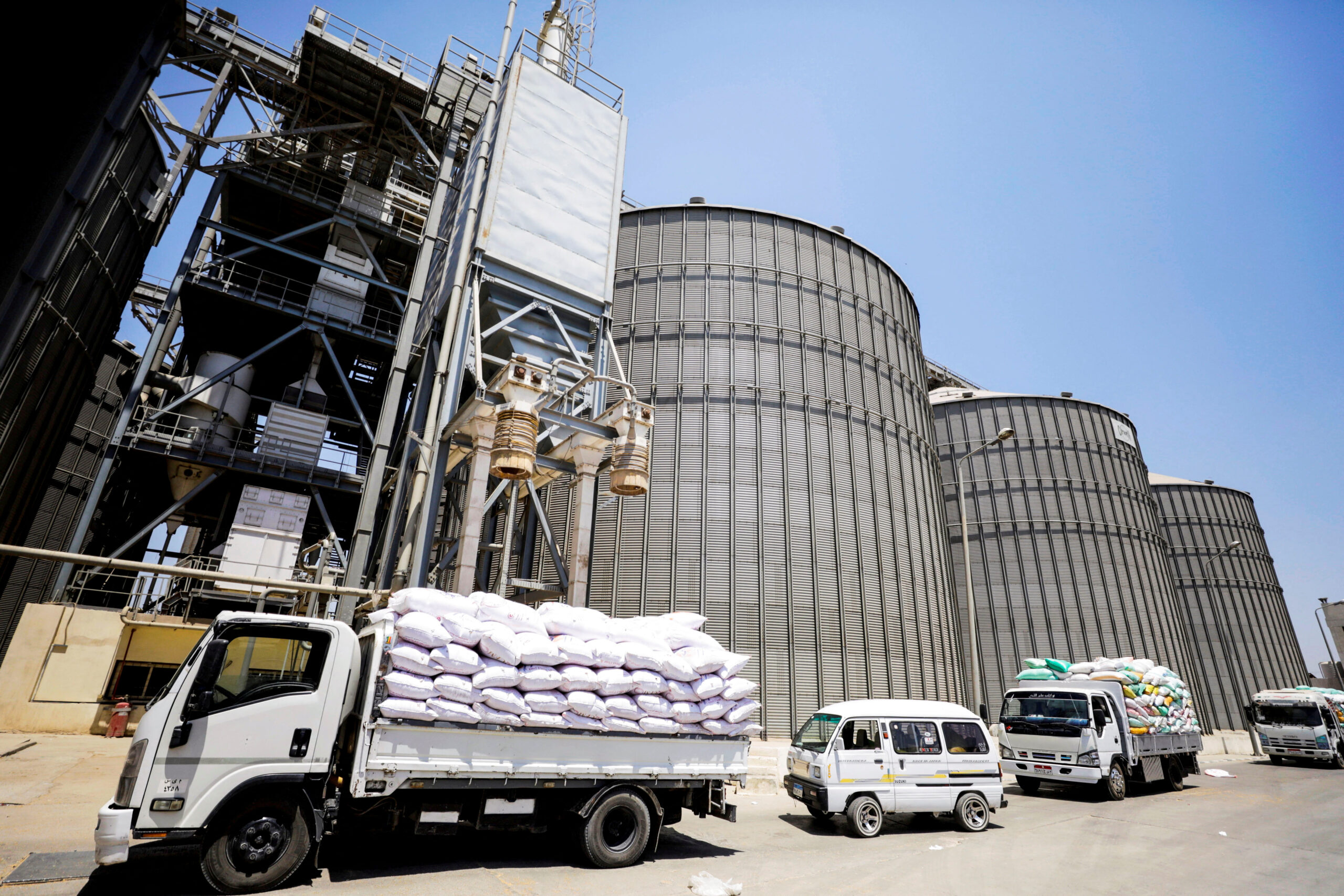
New player bids to import wheat for Egypt’s state silos
The Future of Egypt, a sustainable agriculture agency, announced on Wednesday that it had issued a tender to import 60,000 tons of…
Supply Ministry introduces new penalties for bakeries, mills amid changes to bread subsidy system
Supply Minister Sherif Farouk imposed new regulations on the production of subsidized bread this week, introducing fines for bakeries and mills found…
Your support is the only way to ensure independent, progressive journalism survives.
You have a right to access accurate information, be stimulated by innovative and nuanced reporting, and be moved by compelling storytelling. Subscribe now to become part of the growing community of members who help us maintain our editorial independence.
Join us