
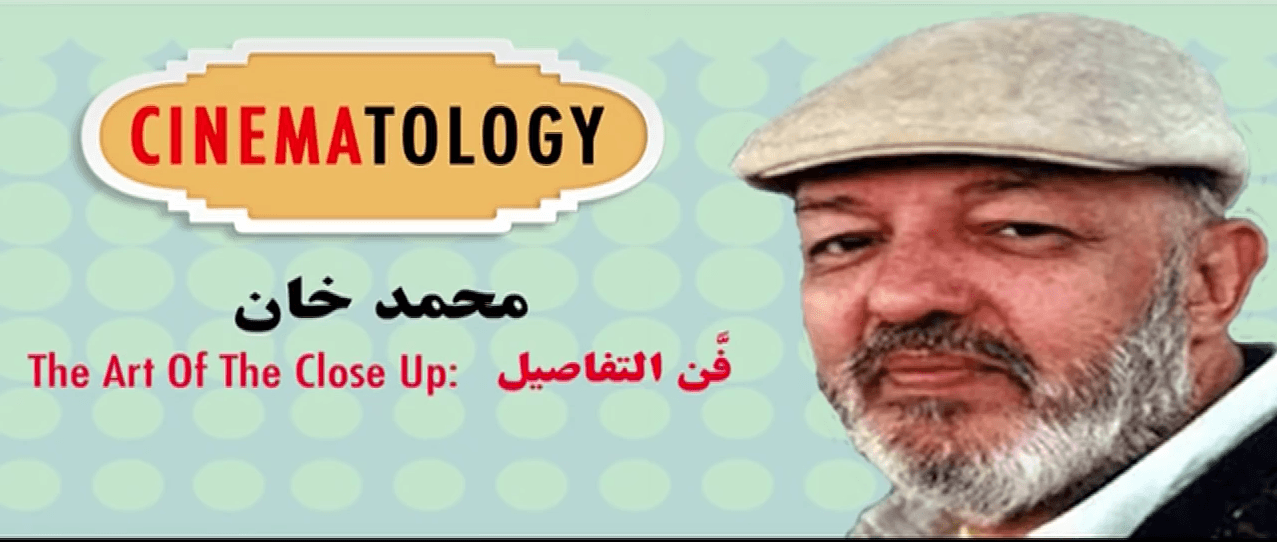
Cinematology 5: On Mohamed Khan, female leads and close-ups
This week's Cinematology episode is dedicated to veteran Egyptian director Mohamed Khan, who was a part of what can be called a neorealist cinematic movement in the 1980s.
These filmmakers, which also included other heavyweights Bashir al-Deek and Atef al-Tayeb, focused on marginalized characters and broke out of the studios to film on the streets, where the stories come from.
Khan is a master of character-driven stories. In this episode, Cinematology's founder and creator Mohamed Abu Soliman focuses on just that, paying particular attention to how Khan uses close-ups.
“I always wondered, when watching Khan's films, why they have such an emotional impact. And I realized it's all in the subtlety,” Abu Soliman tells Mada Masr. “That's his secret in my opinion. His use of close-ups are masterful in portraying very humane feelings and relationships.”
Khan's stories are often led by female characters, such as Hend and Camellia's Dreams (1988), which Amany Aly Shawky has written is "about women being thwarted at every turn by poverty and patriarchy," and Factory Girl (2014), a bitterweet story dedicated to the much-loved but tragic late actor Souad Hosni.
Giving examples of such films from Khan's large body of work, Abu Soliman goes back to his close-ups, dissecting the technique and illustrating how it serves Khan’s subtle sense of storytelling.
In February, we teamed up with YouTube series Cinematology and translator Amira Elmasry to publish short English-subtitled video essays on Egyptian cinema every other Wednesday. This is the fifth episode, and the rest can be found here.
https://youtube.com/watch?v=xJx-_iYWt-k

تقارير ذات صلة

Avant-titre | Our bread, our dignity: Bread in Egyptian cinema
This episode of Avant-titre is part of Mada Masr's Bread politics, an eight-part series that takes an in-depth look at bread subsidies in Egypt in the context of recent talk…

Video | Privilege and responsibility: A letter from Carol Mansour
Carol explains why allowing the voices of others to be heard helps to make the world a better place

Video | The archivist
Over decades of collecting, Makram Salama has turned his home into a cinema archive.
Your support is the only way to ensure independent, progressive journalism survives.
You have a right to access accurate information, be stimulated by innovative and nuanced reporting, and be moved by compelling storytelling. Subscribe now to become part of the growing community of members who help us maintain our editorial independence.
Join us