
Uncertainty looms regarding Egypt’s exemption from Indian wheat export ban

Amid ambiguity as to whether Egypt’s food insecurity will ensure it is exempted from India’s new ban on wheat exports, Supply Minister Ali Meselhy told Reuters reporters on Sunday that Egypt has reached a government-to-government agreement with India to import 500,000 tons of wheat.
However, contracts finalized between Egypt and India represent a supply of only 115,000 tons, and Egypt is yet to gain official approval from India to circumvent the official ban on wheat shipments leaving India’s ports.
Egypt’s access to wheat, a major component of the national diet, was thrown into uncertainty by the February outbreak of war between Russia and Ukraine, among the world’s largest wheat exporters and the sources of as much as 80 percent of Egypt’s wheat imports.
In April, Cairo acted to add India, the world’s second largest wheat producer, to its list of approved exporters, with the relatively cheap shipments from Indian ports a tempting prospect amid surging global prices.
Yet, on Friday, India banned wheat exports after recording its highest inflation rate in eight years, in addition to a severe heat wave that reduced its crop harvest.
The export ban includes exemptions for wheat to leave Indian ports in only two cases: first, to complete deals that were finalized before the decision, and second, to supply countries seeking wheat imports to shore up food security. To qualify for the latter exemption, governments must submit an official request to be approved by their Indian counterparts, the Friday decision said.
In the 24 hours that followed the announcement of the ban, the price of imported wheat sold in Egypt rose by about LE200 pounds, bringing the price of Russian wheat to LE8,600 per ton.
Since then, Egyptian officials have made contradictory statements regarding the future of wheat imports from India.
An Agriculture Ministry official told Mada Masr the matter is still up for negotiation with India, while the supply minister told journalists at a Sunday press conference that Egypt is exempted from the decision, since its wheat deals with India have already been finalized.
Later, on the sidelines of the conference, Meselhy gave comments to Reuters, saying that Egypt has agreed with India to import 500,000 tons of wheat.
Yet, only two Egyptian purchases from India have been officially announced, amounting to a total of 115,000 tons, none of which had exited Indian ports at the time of writing. A purchase of 55,000 tons was made by the private sector, and its scheduled shipment from Kandla Port in April was delayed. An Egyptian delegation, led by the head of agricultural quarantine at the Agriculture Ministry Ahmed al-Attar, visited the port last week to check on the shipment schedule, after which he said the shipment would be delivered on Sunday. But the ship is yet to complete the departure procedures, according to official Indian data.
Attar told Mada Masr on Saturday night that the situation was still unclear, noting that “communication is currently underway between our embassy in India and the Indian authorities to find out more about the procedures needed to exempt Egypt from the [ban], given that it is among those countries seeking to meet their food security.”
Despite refusing to do so in 2020, Egypt first approved India as a source of wheat imports in April this year, when Indian wheat prices stood at around $100 less per ton than prices on global markets.
To facilitate and speed up the procurement process, the Supply Ministry also authorized Egyptian importers to forgo government tenders and sign import deals with India directly, as is done with wheat imports from other countries.

أخبار ذات صلة

Inflation persists as dollar scarcity holds up import shipments
Import shipments that are not deemed strategically necessary continue to pile up

Video | Home-grown wheat, home-baked bread
The pressure on farmers has posed a threat to the private wheat reserves of many Egyptians
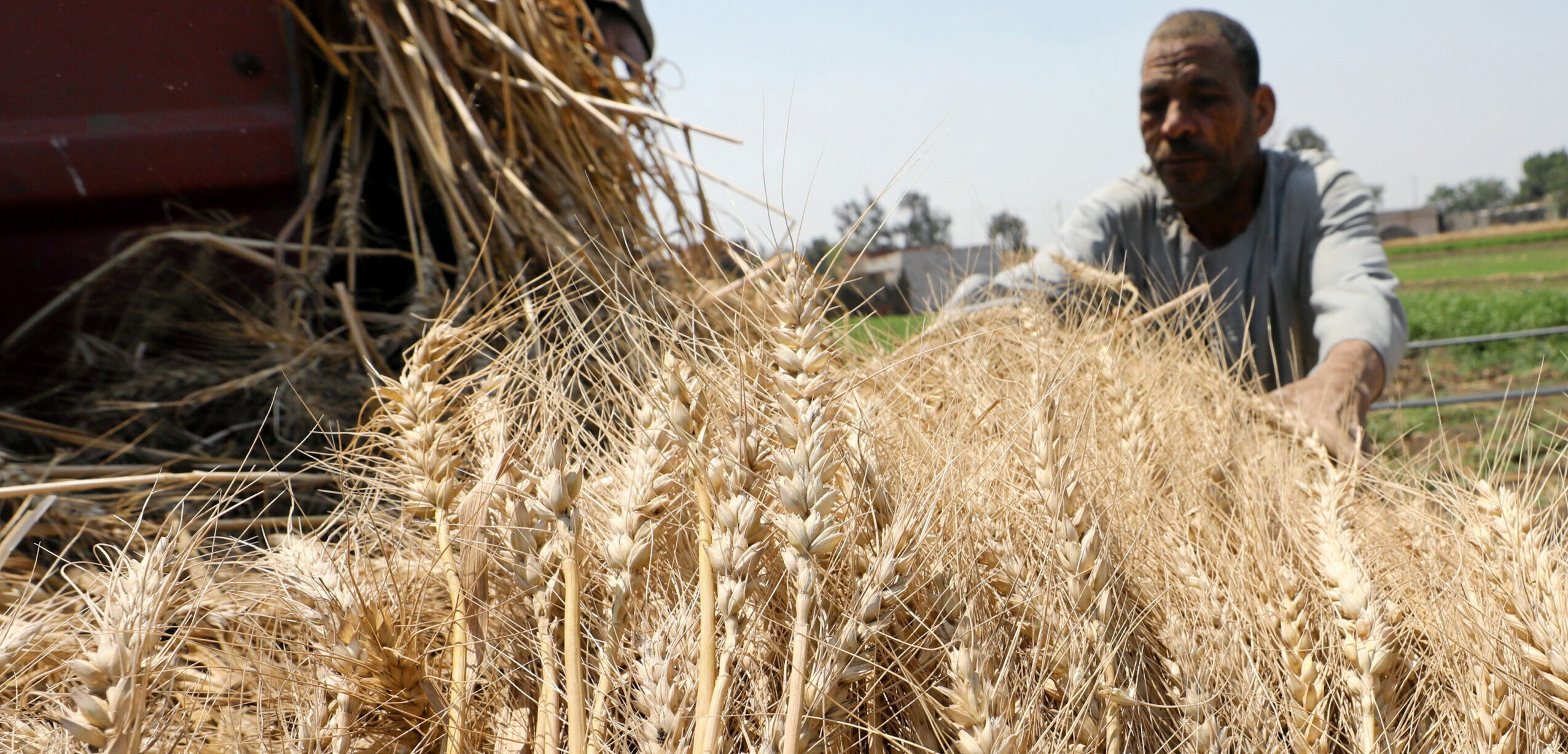
Keeping Egypt above the breadline: How has the government strategized to supply wheat during a global shortage?
The state looked to local farmers for nearly double what they would in other years
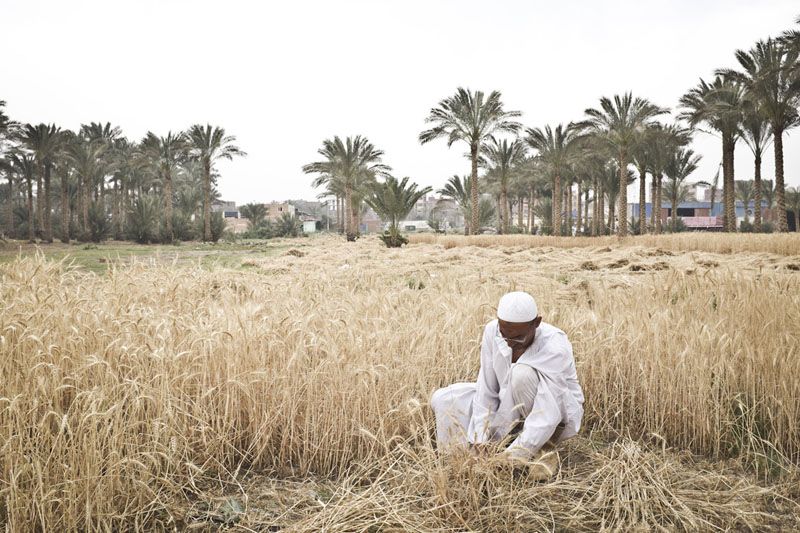
Government hunt for local wheat grows tense as end of season approaches
Aside from the deterrence of legal action, farmers have little incentive to deliver their crops.
Your support is the only way to ensure independent, progressive journalism survives.
You have a right to access accurate information, be stimulated by innovative and nuanced reporting, and be moved by compelling storytelling. Subscribe now to become part of the growing community of members who help us maintain our editorial independence.
Join us