
Government hunt for local wheat grows tense as end of season approaches
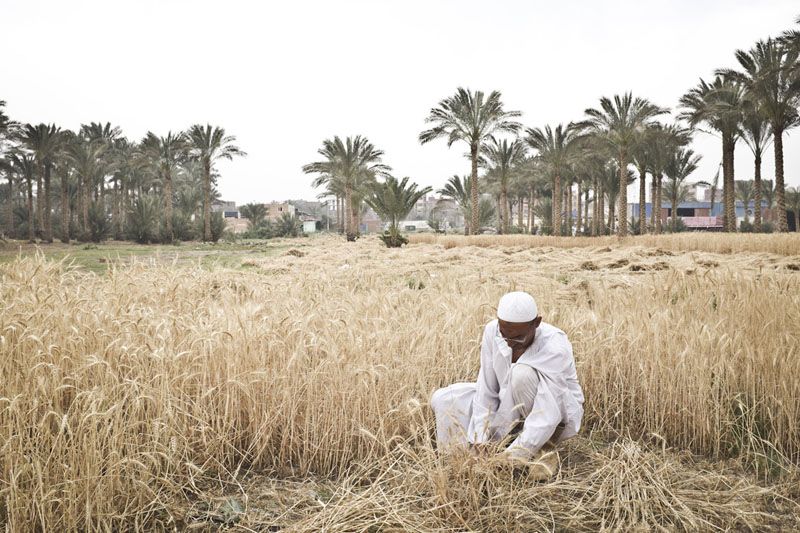
In a move to tighten its grasp on much-needed wheat stocks from farmers, the Supply Ministry took new steps on Saturday to enact legal penalties against farmers underselling their crop to the government.
With a shortage of wheat on global markets due to the Russian invasion of Ukraine pushing the cost of imports sky high, the government decided in March that it would oblige farmers nationwide to sell it roughly 60 percent of their wheat crops, in an attempt to secure sufficient reserves for a subsidy program that provides bread to around two-thirds of the population.
A new ministerial directive issued on June 4, of which Mada Masr reviewed a copy, said the ministry will task committees in the governorates with surveying wheat farms in order to compare their total output to the quantity of they supplied to the government since harvest began in April.
The Supply Ministry said farmers found to have delivered less than the required 12 ardebs of wheat per feddan (about 60 percent) would be prosecuted before misdemeanor courts — which are competent to apply punitive fines or prison sentences of up to three years. For each undelivered ardeb of wheat, the Supply Ministry said it would collect compensation worth LE1,770, double what the government would have paid.
Accordingly, on Saturday, the Alexandria Supply Directorate filed a misdemeanor report against a farmer who did not supply sufficient wheat from their five feddans of land. Directorate head Mohamed Saadallah said the farmer delivered only 24 ardebs, instead of the 60 required by law, adding that the directorate is seeking that the farmer be fined LE63,720. The case is pending investigation before the prosecution.
“Any farmer who does not deliver the wheat quota will be referred to the prosecution, where reconciliation will be possible only through payment. Those who do not want to pay will be referred to court,” Saadallah told Mada Masr, adding that the fines will be allocated for buying wheat to compensate for what farmers refused to deliver.
A series of arrests has also been carried out in different governorates, including Cairo, Kafr al-Sheikh and Monufiya, for possession of wheat with the intention of trading it “outside of the local wheat supply system.” On May 19, the Interior Ministry said it had arrested 41 people and confiscated 21 vehicles and 927 tons of wheat planned for “illegal” supply.
Aside from the deterrence of legal action, farmers have little incentive this year to deliver their harvest to the state. The government has historically set its buying price higher than global market rates, but with inflation soaring worldwide due to the Russia-Ukraine conflict, the Supply Ministry has offered just LE5,900 per ton, around 65 percent of the LE9,000 per ton international trading price, placing farmers at difficult crossroads.
“The government had more claim over the quantity of wheat that ended up going to the private sector or squandered as animal fodder,” a local source in the grains sector told Mada Masr. “Many people advised the ministry to raise the price of local supply so that it matches that of imported wheat. Farmers would have handed over all their wheat harvest by now, not just 12 ardebs [per feddan]; but they didn’t listen.”
Despite the March injunction to farmers to deliver up their crop, which the ministry initially hoped would amass up to 6 million tons of wheat, the ministry had stockpiled only 3.74 million tons of Egyptian wheat as of Wednesday, with the end of the procurement season looming on June 20.
*Writing by Ahmed Medhat

أخبار ذات صلة

Inflation persists as dollar scarcity holds up import shipments
Import shipments that are not deemed strategically necessary continue to pile up

Video | Home-grown wheat, home-baked bread
The pressure on farmers has posed a threat to the private wheat reserves of many Egyptians
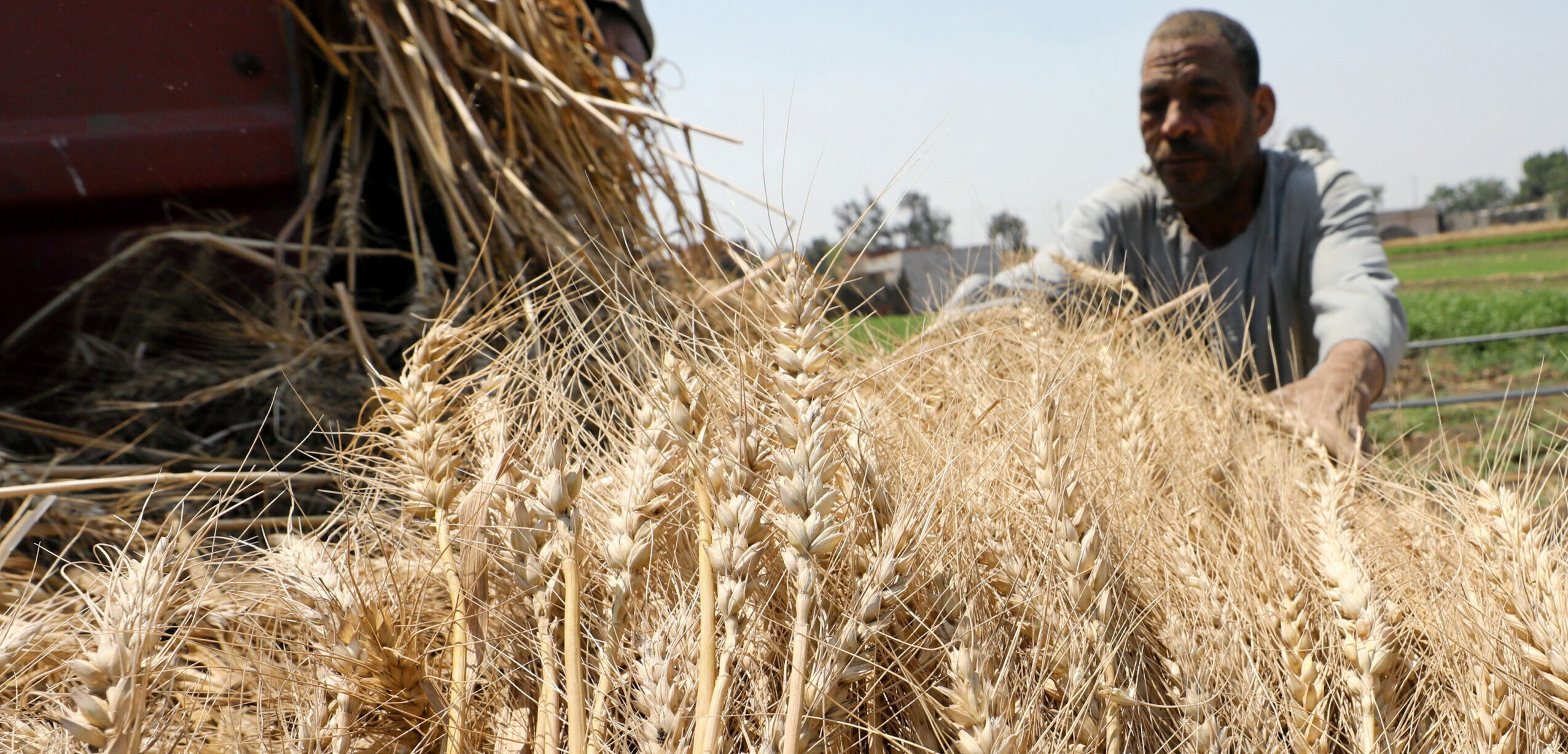
Keeping Egypt above the breadline: How has the government strategized to supply wheat during a global shortage?
The state looked to local farmers for nearly double what they would in other years
As end of local harvest approaches, Egypt buys 465,000 tons of wheat from Russia, Bulgaria, Romania
The tender casts doubt on the state's aim to amass 5.5 million tons during the local harvest
Your support is the only way to ensure independent, progressive journalism survives.
You have a right to access accurate information, be stimulated by innovative and nuanced reporting, and be moved by compelling storytelling. Subscribe now to become part of the growing community of members who help us maintain our editorial independence.
Join us