
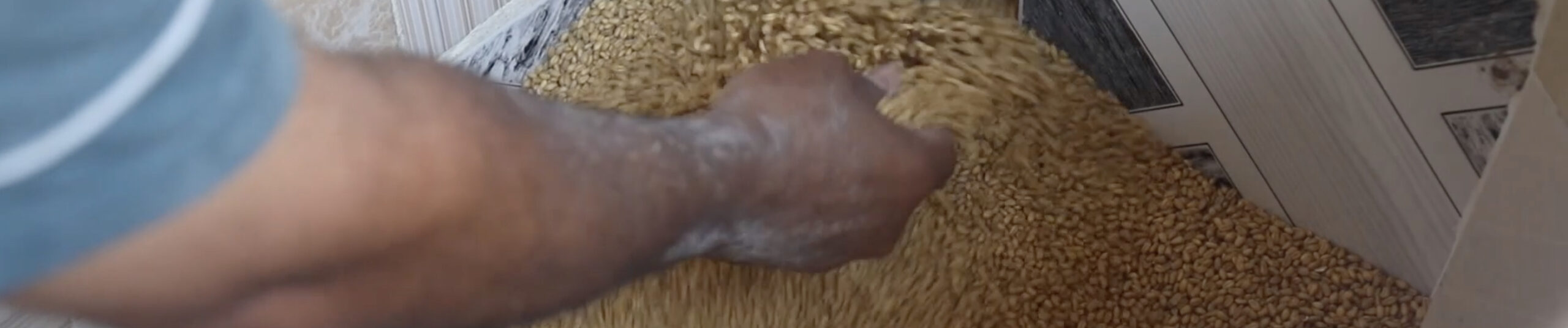
Video | Home-grown wheat, home-baked bread
كتابة: Mostafa Mostafa Mohamed
1 دقيقة قراءة
Perceiving a threat to its strategic wheat reserves following Russia’s invasion of Ukraine in February, the Egyptian government initially planned to turn to local production to close the gap, though it would later resort to additional wheat imports from the war-inflated export markets. The government mandated that farmers sell it a quota of 12 ardebs per feddan of wheat, or about 60 percent of their yield on average, at prices that this year fall well below those on the global market. In turn, this pressure on farmers has posed a threat to the private wheat reserves of many Egyptians in the countryside — from farmers to their extended families and village neighbors — who rely on storing wheat yearly and baking with its flour. Mada Masr spoke with two farmers in their fields and a housewife tending to her oven to learn more about what it means to them to store the wheat they grow for baking their daily bread.
[wonderplugin_video iframe="https://youtu.be/KaTqyEWRhUQ" lightbox=0 lightboxsize=1 lightboxwidth=960 lightboxheight=540 autoopen=0 autoopendelay=0 autoclose=0 lightboxtitle="" lightboxgroup="" lightboxshownavigation=0 showimage="" lightboxoptions="" videowidth=600 videoheight=400 keepaspectratio=1 autoplay=0 loop=0 videocss="position:relative;display:block;background-color:#000;overflow:hidden;max-width:100%;margin:0 auto;" playbutton="https://www.madamasr.com/wp-content/plugins/wonderplugin-video-embed/engine/playvideo-64-64-0.png"]
تقارير ذات صلة
#Russia-Ukraine conflict
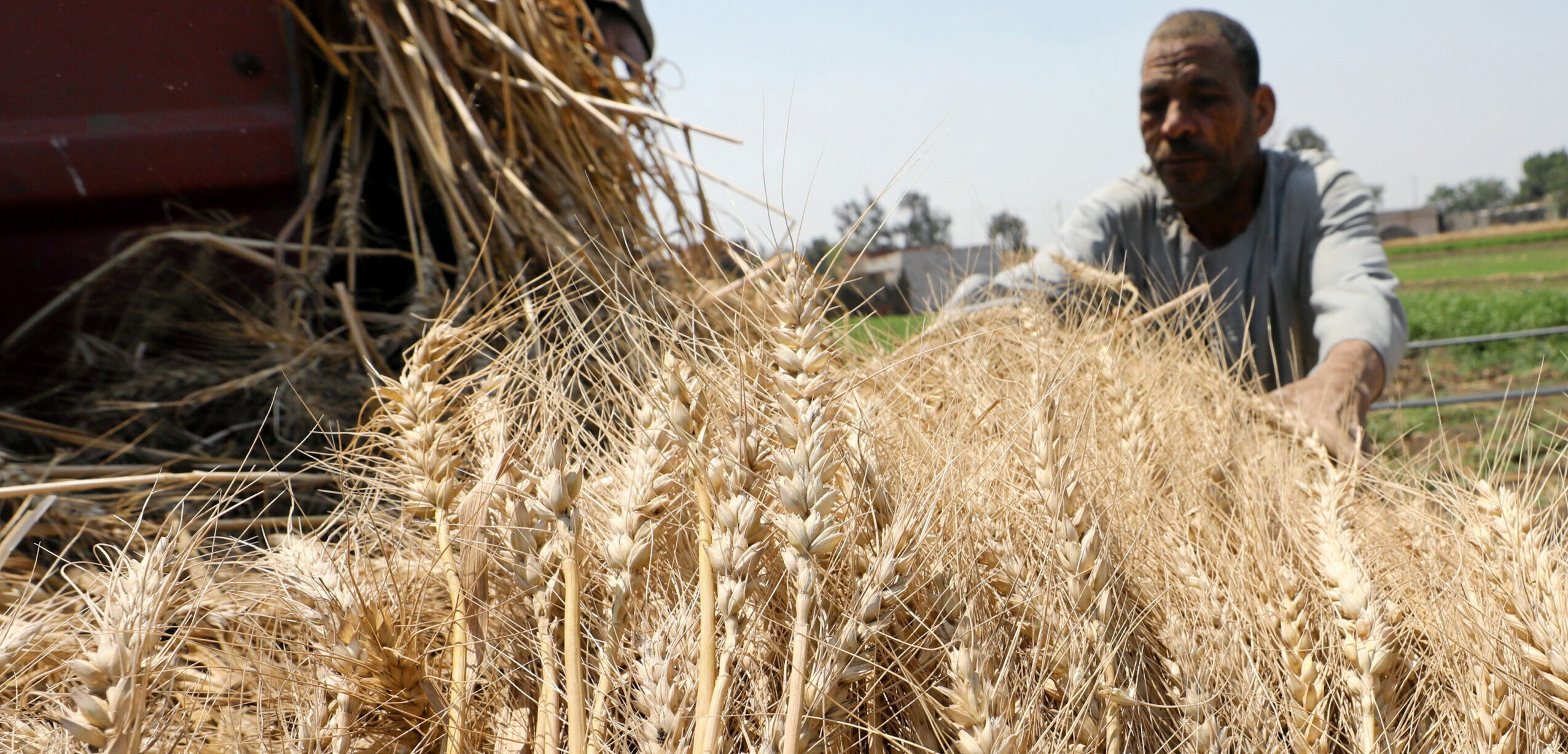
Keeping Egypt above the breadline: How has the government strategized to supply wheat during a global shortage?
The state looked to local farmers for nearly double what they would in other years
Nada Arafat
9 دقيقة قراءة
#food security
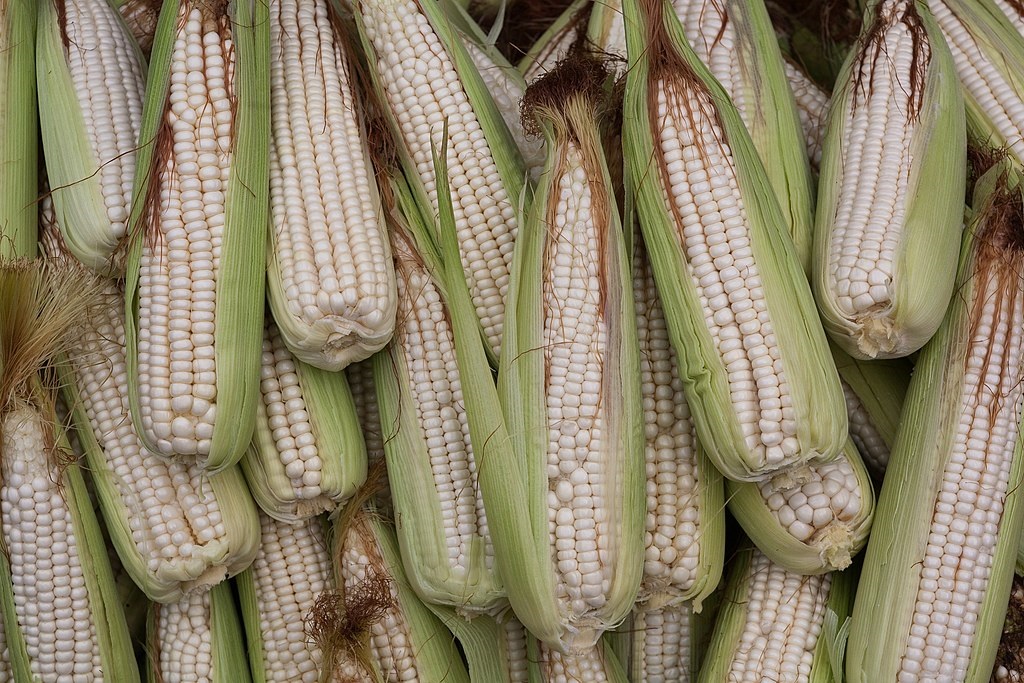
Shortages of Ukrainian corn, price hikes threaten Egypt’s food security
Ukraine is among the top three exporters of corn to Egypt
Nada Arafat
9 دقيقة قراءة
#food security
How is our food security holding up in the pandemic? An interview with agriculture professor Nader Nour Eddin
If the pandemic has shown us anything, it’s that we don’t produce a large portion of our food.
Osman El Sharnoubi
11 دقيقة قراءة
Your support is the only way to ensure independent, progressive journalism survives.
You have a right to access accurate information, be stimulated by innovative and nuanced reporting, and be moved by compelling storytelling. Subscribe now to become part of the growing community of members who help us maintain our editorial independence.
Join us