
Turkey seeks to bolster relations, resolve Kurdish question in 1st post-Assad visit to Damascus

In a significant diplomatic development, Turkish intelligence chief Ibrahim Kalin arrived in Damascus on Thursday for the first official visit since the formation of the new Syrian government, headed by Mohamed al-Bashir. The visit comes as part of Turkey’s efforts to hold talks with the new Syrian leadership and bolster ties with the country following years of tension.
According to the Syrian Ministry of Information, Kalin met with Hayat Tahrir al-Sham (HTS) leader Abu Mohamed al-Jolani, now known by his formal name Ahmed al-Sharaa. Qatar’s State Security Service chief, Khalfan al-Kaabi, was also in attendance.
Kalin’s visit carries strategic dimensions, as Turkey is seeking to replace Iran and consolidate a role as chief partner to the new Syria, a Turkish political source told Mada Masr, emphasizing Turkey’s readiness to support the Syrian administration in crafting its new constitution. According to the source, Ankara believes that HTS needs guidance in managing the transition and therefore hopes to contribute its political expertise during this period.
HTS was formed in 2017 as an alliance with the Nusra Front, a former Al-Qaeda affiliate. Headed by Sharaa, the organization kept close, albeit complicated, ties with Turkey to pressure the now deposed Syrian regime and preserve a foothold in northeastern Syria, near the Turkish border. Ahead of former Syrian President Bashar al-Assad’s ouster, Turkey gave the green light to HTS to launch an assault on the regime’s positions. The regime fell in a matter of days.
Turkey seeks to resolve the Kurdish question in northern Syria, an issue of great sensitivity and a source of significant concern in Ankara, which views the Kurdish Workers’ Party as a terrorist organization. As previous talks to address Turkey’s interests in Syria with the now-deposed Assad fell through, the formation of a new Syrian government close to Turkey provides favorable circumstances for Ankara’s ends.
According to the Turkish political source, Ankara has opened communication channels with the Syrian Democratic Forces (SDF), the United States-backed Kurdish force in Syria, in order to reach an agreement that includes the handover of the group’s weapons to the regular Syrian military in exchange for expanded rights, namely the recognition of Kurds as a national group in the new Syrian constitution.
On a related front, Turkish President Recep Tayyip Erdogan met on Thursday with US Secretary of State Antony Blinken in Ankara to discuss a range of issues, including the question of the Kurds and Turkey’s cooperation with the new Syrian government. In a statement following the meeting, State Department spokesperson Matthew Miller said that Blinken affirmed the US and Turkey’s shared interest in supporting a Syrian-led political transition to an inclusive and accountable government. When asked what his message to Erdogan would be regarding the SDF ahead of his visit, Blinken said: “Turkey has real and clear interests, particularly when it comes to the PKK and terrorism – which is an enduring threat to Turkey. At the same time, again, we want to avoid sparking any kinds of additional conflicts inside of Syria at a time when we want to see this transition to an interim government into a better way forward for Syria.”
As the transitional period plays out, Turkey will engage with the US on several efforts, including support for the new Syria “as it has become a country without armament and defenses,” the political Turkish source said. They added that Turkey will also ask for humanitarian aid for the Syrian people, political support and, most importantly, the declaration of a clear US position on its support for Syria’s Kurds and the question of incorporating the People’s Defence Units (YPG), the largest component of the SDF, into the Syrian military.
The source noted that if the US does not meet these requests, Turkey will resort to unilateral measures “to protect its borders and people from the Kurds and will complete the establishment of a buffer zone along its 900-kilometer border with Syria.”
A SDF military source told Mada Masr that the group is willing to negotiate with the Syrian government and integrate into the regular Syrian military, provided that the Kurdish people’s rights are recognized in the new Syrian constitution. The Kurds’ demands, according to the source, include an official recognition of their language and culture in Syrian education, in addition to representation in Parliament and the Syrian military.
The Assad regime collapsed unexpectedly in a matter of days at the end of November, with its forces withdrawing as armed opposition factions gradually advanced and ultimately arrived in Damascus. The advance was led by HTS, which had formed the Military Operations Command, composed of several anti-regime factions and headed by Sharaa.
Two days after the fall of the Assad regime, a new transitional government was announced and set to govern until March under the leadership of Mohamed al-Bashir. For now, the features of its policies and future orientations are yet to be defined, even as it faces a number of domestic pressures, ranging from reintegrating a highly fractured national political landscape to finding a way to restart an economy that has been hampered by years of sanctions on the Assad regime.
However, the new government also faces external pressure, most notably from an invasion by Israel, which saw an opportune moment to seize more Syrian lands adjacent to the occupied Golan Heights under the pretext of preventing future security threats. Israeli Defense Minister Israel Katz declared on Friday that Occupation forces will remain on the Syrian side of the strategic Mount Hermon summit for the next six months.
أخبار ذات صلة
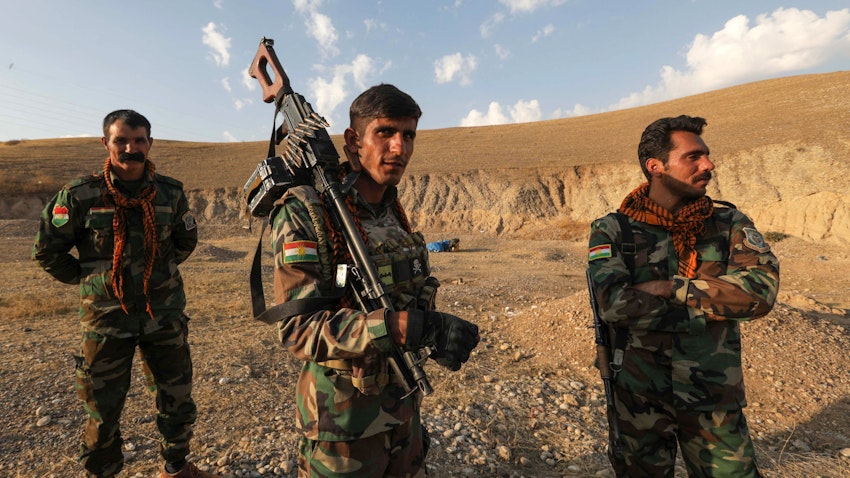
Kurdish forces taking up arms in Iran could drag Turkey into the war
When Syrian forces moved into Kurdish-held territories in northeastern Syria in January, Turkish officials let out a sigh of relief. The “Kurdish…
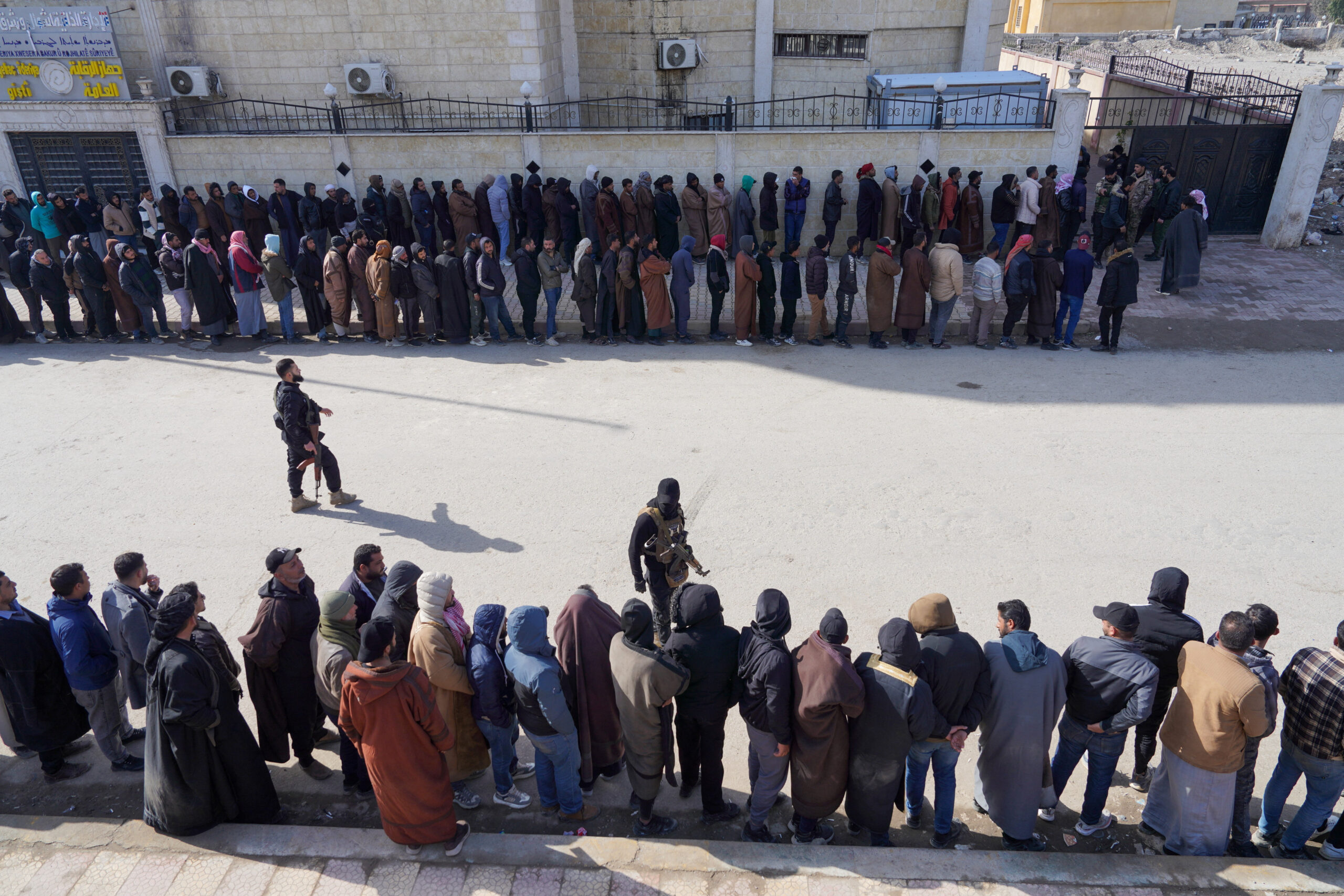
SDF, Syrian govt strike integration deal, as both look on with caution over finality
The Syrian government and the Syrian Democratic Forces have agreed to halt hostilities, alongside “an understanding between both sides on a phased…
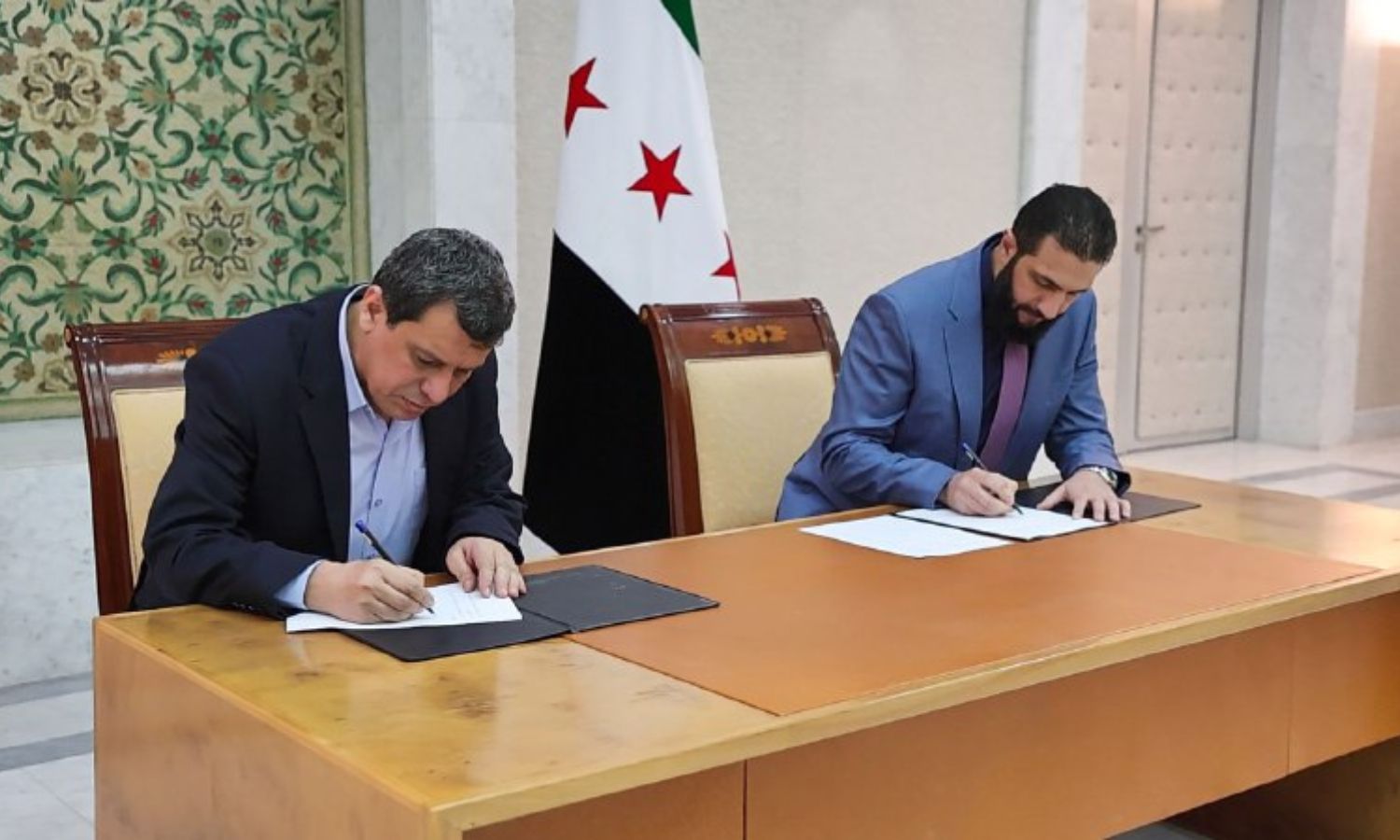
Ending ‘autonomy’: How the SDF-Syrian govt talks broke down into a fight
Mada Masr spoke with sources in the SDF, the Syrian government, Turkey and regional diplomats
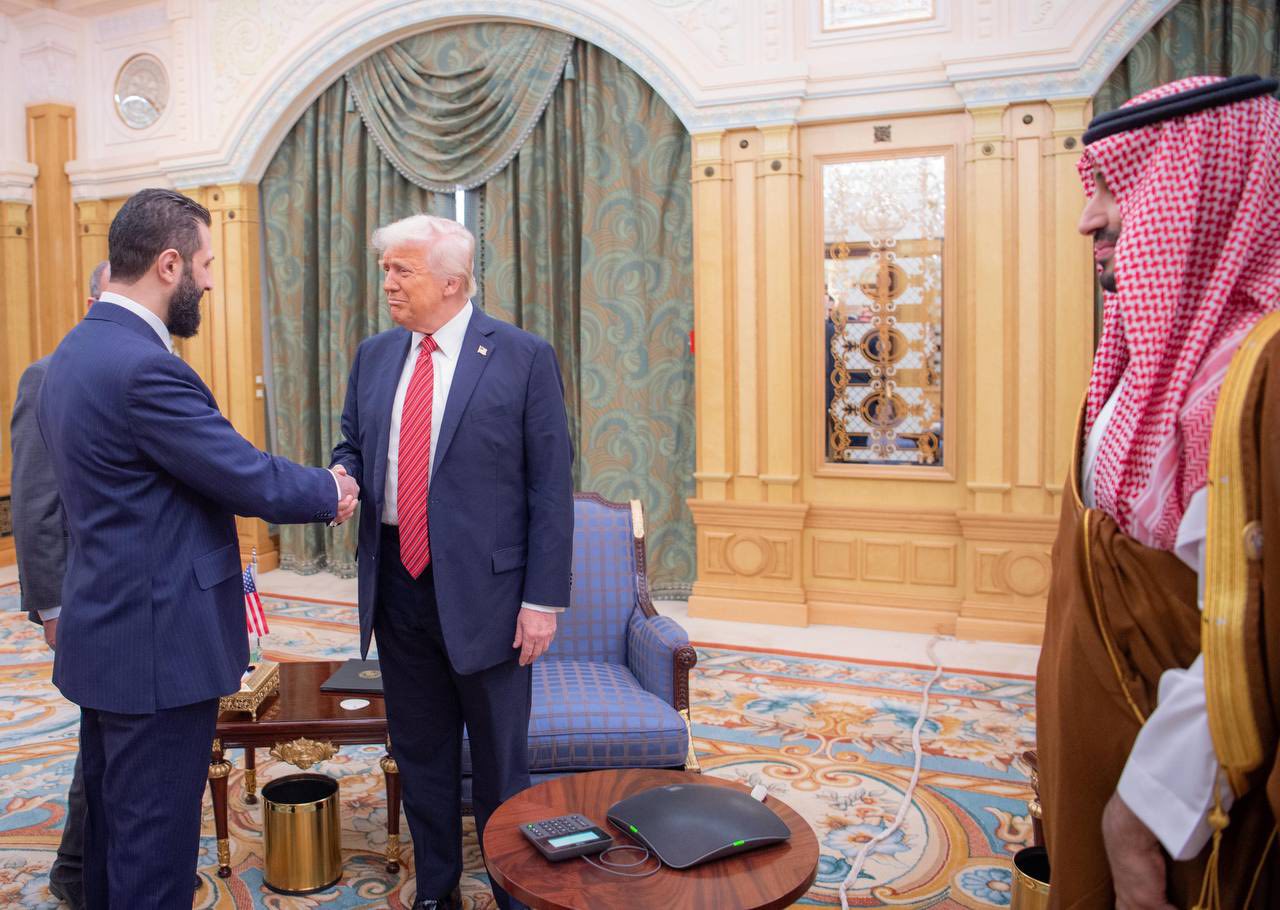
The New Syria, under Israeli-American construction
Syria’s future is tied to a broad regional plan, but the US and Israel are in the driver’s seat.
Your support is the only way to ensure independent, progressive journalism survives.
You have a right to access accurate information, be stimulated by innovative and nuanced reporting, and be moved by compelling storytelling. Subscribe now to become part of the growing community of members who help us maintain our editorial independence.
Join us