
Suez, Cairo residents shaken awake by third earthquake this month
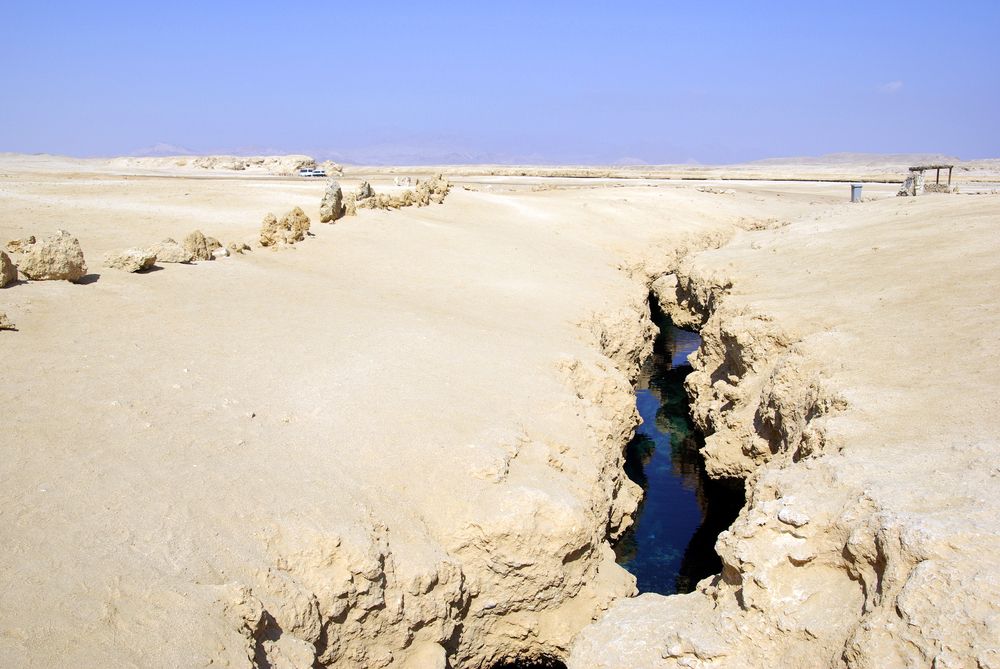
An earthquake shook Egypt awake early Tuesday morning. This was the country’s second earthquake this week, and the third recorded in the month of July.
The 4.7-magnitude earthquake rumbled through the Suez and Cairo governorates at 5:03 am. According to data published on the European-Mediterranean Seismological Center (EMSC) website, aftershocks were felt in the same areas about 10 hours later.
The epicenter of the quake was located just east of the Red Sea town of Ain Sokhna, at an area with a depth of just 2 km.
Local media reported that several terrified Suez City residents left their homes and ran into the streets when the earthquake started. There were no reports of damage to area buildings or homes.
Suez City was hit harder by the quake, while there were only “weak” tremors in Cairo, according to the EMSC.
Aftershocks measuring at 3.5 on the Richter scale were recorded in the same areas at 3:20 pm.
Last Friday, July 18, the EMSC registered a 4.2-magnitude earthquake in Hagoul Valley, just north of Suez City and near the Bitter Lakes surrounding the Suez Canal.
On July 5, a relatively mild earthquake with a magnitude of 3.5 was recorded in the same location, just north of the Gulf of Suez.
The frequency of earthquakes and tremors near the Red Sea and Gulf of Suez is attributed to a massive geographic trench and fault lines roughly 6,000 km long, known as the Great Rift Valley. This rift valley extends from Mozambique to Syria, and branches off into the Red Sea Rift.
Movements of the earth’s crust along these rifts and tectonic plates result in tremors and quakes.
On October 12, 1992, one of the most destructive earthquakes in Egypt’s history hit near the town of Dahshur in the Giza Governorate. Although measuring just over 5.8 on the Richter scale, this moderately strong quake resulted in 400 deaths and more than 3,000 injuries, while rendering several thousand people displaced or homeless.
Earthquakes are classified as strong and destructive when they register a magnitude of 6 or above on the Richter scale.

أخبار ذات صلة
What can we expect from this year’s COP28?
Interview on COP28 with lead Egyptian climate financing negotiator Mohamed Nasr.
Welcome to Sharm el-Sheikh: President’s City, City of Peace, City of COP27
Beneath the mask the city’s donned for COP27 are the marks of years of uncalculated redevelopment
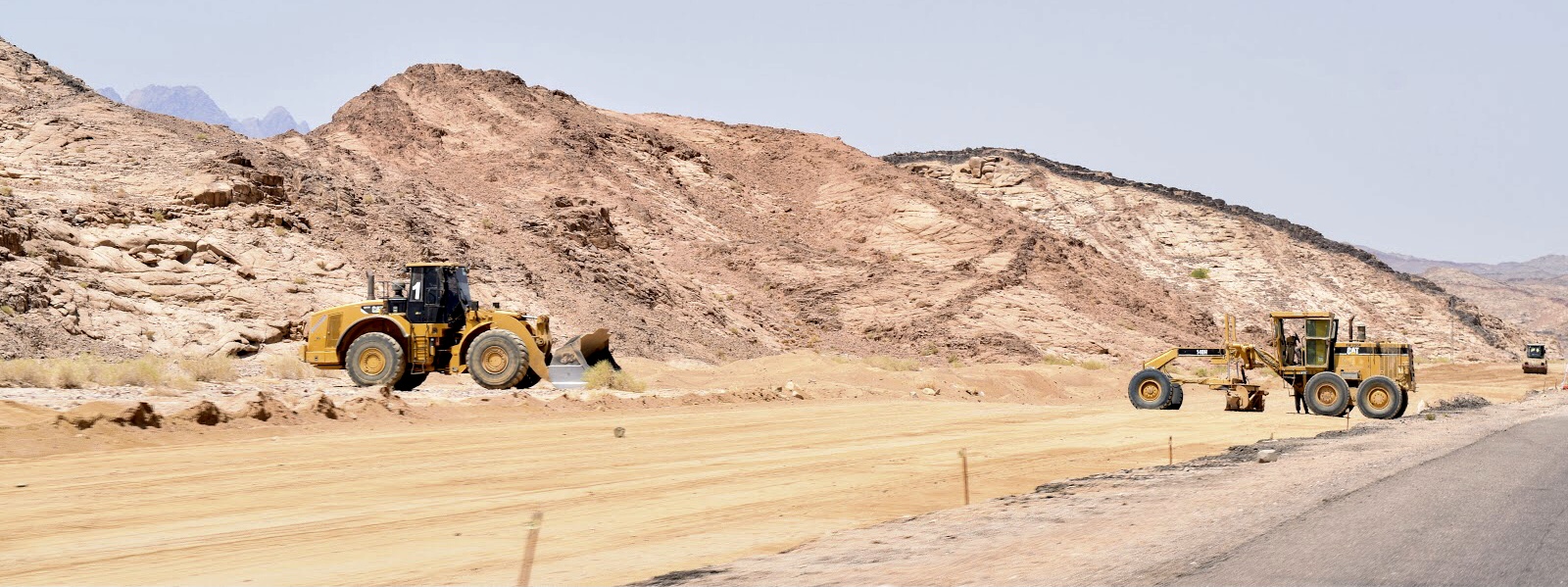
Development threatens residents, environment of historic St. Catherine area
“We woke up one day and there were suddenly 3,000 workers, bulldozers and cars destroying everything. It felt like the end of days,” says Saad,* a resident of St. Catherine…
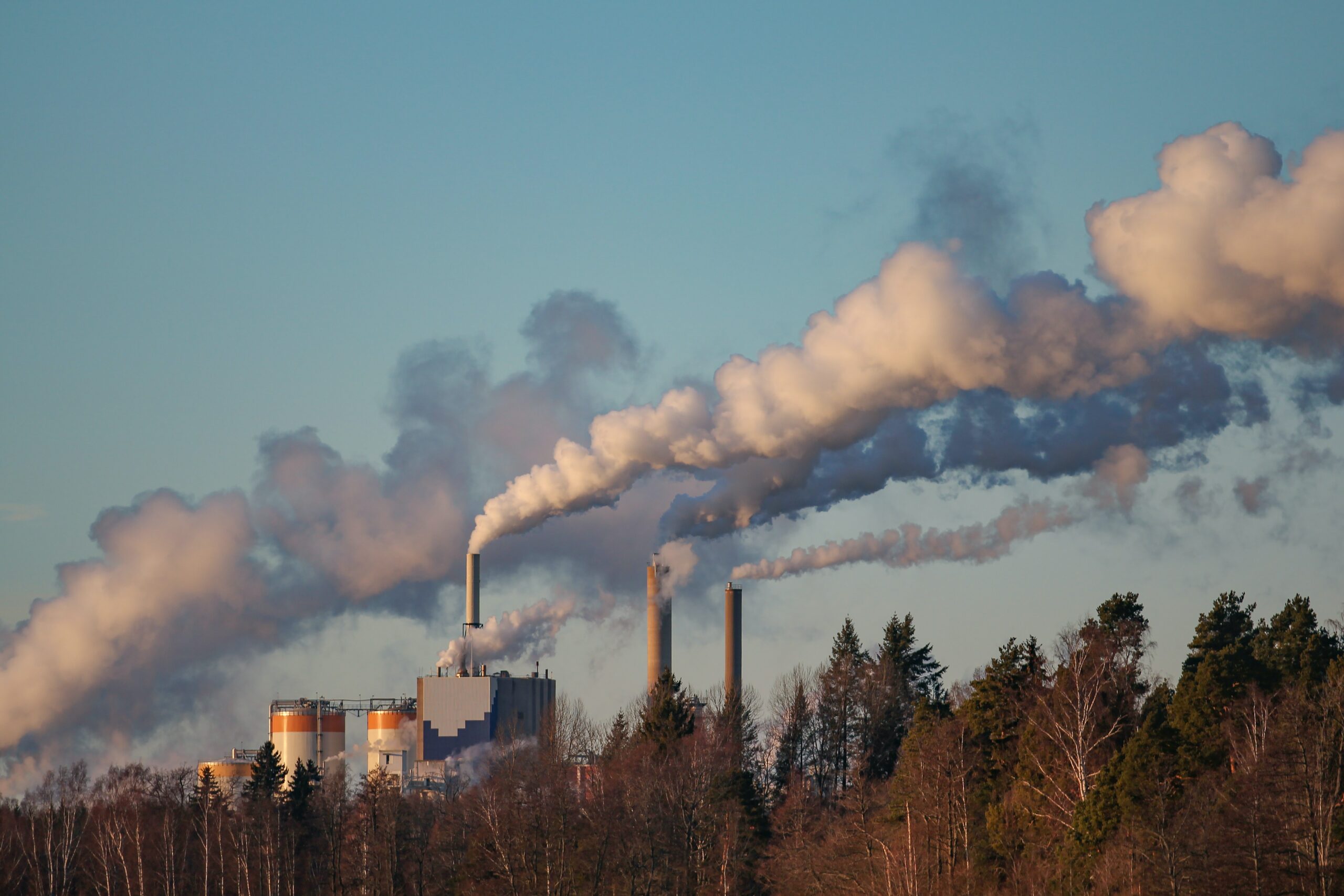
Cashing in on greenwashing? Egyptian solar companies sell carbon certificates to Global North
Some note that carbon trading does little to reduce the net production of harmful emissions.
Your support is the only way to ensure independent, progressive journalism survives.
You have a right to access accurate information, be stimulated by innovative and nuanced reporting, and be moved by compelling storytelling. Subscribe now to become part of the growing community of members who help us maintain our editorial independence.
Join us