
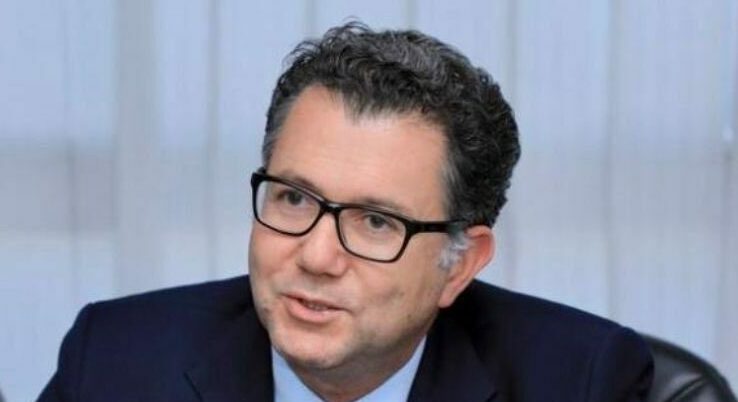
What can we expect from this year’s COP28?
For the second consecutive year, governments from around the world are convening in an Arab country to discuss global warming, its mitigation measures and how to respond to its damages at the United Nations’ annual climate change conference.
After Egypt hosted COP27 in Sharm el-Sheikh last year, the United Arab Emirates is hosting the 28th edition of the conference, which kicked off on November 30 and runs through December 12. Officials from governments around the world gathered together at the conference, along with thousands of experts, journalists, climate activists, members of community-based organizations, and representatives of companies and NGOs, to discuss the need for solutions to combat the planet’s increasing carbon emissions, which are causing myriad climate-related challenges, including increasing temperatures, rising sea levels, floods, storms and drought.
All the commotion in Dubai is belied by the fact that this year’s conference is being chaired by the CEO of one of the largest fossil fuel companies in the UAE and the world, a microcosm of why the iterations of the conference that have spanned decades have not resulted in the requisite reduction of greenhouse gas emissions, sufficient support for transitioning to renewable energy or protection for the most vulnerable people affected by increasing climate disasters, according to estimates from international organizations.
How do we make sense of this juxtaposition? All the attention around the conference versus the historical undermining of a climate agenda that would bring about justice for future generations and the most vulnerable? What does a country like Egypt, among those in the Global South, stand to gain from the summit in general and at a critical period for the Egyptian economy and its various sectors, especially those related to energy? What has animated the approach of the UAE, one of the world’s largest oil producers, in hosting the conference compared to the approach of a country likely to bear the brunt of climate disaster a year ago?
We asked these questions to Ambassador Mohamed Nasr, the lead negotiator on adaptation and climate finance for the African Group of Climate Change Negotiators (AGN), to understand the current state of negotiations and Egypt’s contributions as the previous conference chair, as well as its efforts to maximize benefits for itself and its allies during the summit.
Mada Masr: What do you expect the focus to be on during COP28?
Mohamed Nasr: The UAE will focus on energy transition, since it heavily relies on fossil fuels economically and is currently working on transitioning to renewable energy. They have a clear vision and model for the energy transition process, and, based on this model, they will explore how to transfer it to other countries.
MM: What is the difference between how Egypt managed COP27 and the way the UAE is managing COP28? How does Egypt cooperate with the UAE to achieve its goals?
MN: There is no difference in the goals of the Egyptian presidency, the UAE presidency, or any other presidency in managing the conference. However, there is a difference in priorities. The main goal of any COP president is the success of the conference, regardless of any other goals. Its success depends on achieving balanced results and ensuring that all countries are content with these results, especially since any decision can only be reached through unanimous agreement. This means that every country, no matter how small, has the ability to block any draft decision. Therefore, ensuring the satisfaction of all countries with the conference’s output is the only way to succeed.
In general, climate conferences are an accumulative process built upon previous efforts. For instance, the climate negotiations and COP conferences since 2015 have revolved around achieving the goals of the Paris Agreement, which served as a “framework agreement” of long-term strategic objectives.
Therefore, the Egyptian COP presidency, after concluding COP27, which we believe achieved very positive results, has been working on implementing these outcomes until handing over the conference presidency to the UAE, so they can build upon what we achieved in Sharm el-Sheikh.
However, sometimes the conference framework may change and host countries may establish a new one. The UAE has this opportunity, and it is possible for this year’s COP to be framed within what is known as the “Global Stocktake*,” which will be discussed for the first time this year. The Global Stocktake aims to evaluate the progress made by countries in achieving their Nationally Determined Contributions (NDCs) for emissions reduction. Based on this assessment, countries will then submit new national contributions in the form of updated plans.
*The Global Stocktake is a comprehensive global assessment that, according to the Paris Agreement, is scheduled to be discussed this year. It measures the success or failure of governments in progressing toward the goals of the Paris Agreement. Consequently, during COP28, governments are expected to make decisions to accelerate the achievement of these goals in their next rounds of climate action plans due in 2025.
MM: There are significant reports indicating that actual progress toward achieving emissions reduction goals by 2030, as part of the plan to limit temperature increases to no more than 1.5C by 2100, according to the Paris Agreement, is significantly below what is required. This non compliance takes various forms, with the most significant being an increase in fossil fuel production exceeding the agreed-upon limits. The Production Gap Report 2023 indicates that current government plans for fossil fuel production will increase by 110 percent by 2030 compared to what was arranged, and it will exceed by 45 percent the production necessary to keep the temperature increase within 2C. So, what is the importance of climate conferences then?
MN: All goals require time to be implemented in reality because they are built on a specific plan with multiple stages, and adherence to the planned timetable for this stage never happens as scheduled. Therefore, we cannot deny that we are far from the goals we have set, but we must understand the reason behind that.
In addition to the difficulty of implementing these plans in reality, the current global system unfortunately leaves room for all countries to move freely. So countries will not stop taking advantage of the loopholes in this system, at least theoretically, unless a global environmental crisis occurs that forces everyone to adopt a different path.
If we look at the example of the coronavirus pandemic, we will find that the World Health Organization has repeatedly warned of global epidemics that may spread rapidly and has urged preemptive measures to avoid them. No one took any steps until the outbreak occurred. Even after the world took action, complacency soon set in again as other matters took precedence. Despite not many years having passed since the first pandemic, the world today is not maximally equipped to face a similar crisis.
The same thing happens in climate reports. The overall picture indicates that the world is moving in the right direction but not at the expected pace or scale. The main goal is to limit the increase in temperature to 1.5C. But is this goal realistic? It could become a realistic goal if the world decided tomorrow morning to cut off all emissions, but currently, according to all data, it is a difficult goal. Temperatures have already risen by about 1.2C, and, even if the whole world decided to stop all greenhouse gas emissions, the temperature will not stop rising because the gasses that raise the planet's temperature have already accumulated in the atmosphere due to hundreds of years of emissions.
So we ask: is this a realistic goal? Scientists say that the realistic path is for the rate of temperature increases to exceed the 1.5C target and then decline due to nature's ability to absorb carbon from the air by 2100.
The problem in discussing climate change is the public, scientific and political pressure. Politicians set numbers and goals that science cannot realistically achieve. This means that, over time, countries will not be able to commit to these unrealistic numbers. And the result will be increased pressure on politicians to implement these commitments as quickly as possible without due consideration for the repercussions that may ensue.
Instead, I believe that we should each understand our capacities, let it be S, as countries. After that, we can achieve S+1 or S+10, provided there is global financial support for implementation. Therefore, I always call for recognizing that climate change is not an environmental issue but rather a developmental, political and competitive trade issue, unlike biodiversity conferences, which run parallel to climate conferences and can reach agreements to preserve biodiversity without spending trillions of dollars. We must understand that climate change is extremely difficult, and that achieving any progress takes a long time. And the world is already trying to accelerate this process.
We can set more goals every day, but do we have enough support to achieve them? We actually need US$4 trillion to achieve carbon neutrality. How much of this amount is already available? A few million dollars.
This is not the only gap. There is another concerning the ability of most countries to meet these goals. Progress in emissions reduction is concentrated in three regions: China, the European Union and the United States. What about the rest of the countries? They lack sufficient funding or the necessary technology. As this gap continues to widen, so too do policies of inequality between countries and communities, and their impact will exacerbate significantly.
For example, the European Union imposes carbon emission restrictions on its imports to achieve its climate objectives without considering the economic ramifications for developing countries. Therefore, I believe that developed countries are following a short-term approach in decision-making to satisfy voters without due regard for the repercussions of these policies. Such policies will not only affect the economies of developing countries but will also lead to the loss of millions of jobs, which could result in illegal migration, for instance, necessitating additional financial resources.
These are exactly the impacts we discussed during the climate conference in Sharm el-Sheikh to ensure a fair and sustainable transition.
MM: What about Egypt and its position in COP28 in Dubai?
MN: The UAE's agenda focuses on achieving energy transition, with significant and optimistic initiatives in driving investment in new energy. This seed was planted by the Egyptian team in Sharm el-Sheikh. Of course, Egypt will benefit from any initiatives that emerge from the political track during COP28, especially regarding new and renewable energy, which will improve its energy mix and shield it from the impact of global economic fluctuations, such as in gas and oil prices. [Such fluctuations were] seen in recent months in Egypt and have led to load-shedding policies.
MM: Does Egypt intend to seek funding during COP to reorganize the electricity sector?
MN: We have not waited for COP to search for new funding. Ministries and government entities regularly announce their projects and seek funding in a timely manner, without waiting for a climate conference. It should be clarified that COP is not a place to obtain funding for projects but an opportunity to understand global trends, then return and build and adjust our plans to align with these trends and our circumstances.
For example, if the global trend leans toward electric vehicles or renewable energy, each country must adapt its plan to align with this trajectory, each according to its capabilities that determine the time required for the transition. This opens the door to securing external funding that suits both the national plans and the global trends.
Here, differences emerge between countries in their perception of global trends and their local efforts to capitalize on these trends. Unfortunately, 90 percent of developing countries struggle to balance between the two aspects, while the remaining 10 percent succeed in securing external funding by aligning their internal plans with global trends.
There are two main types of funding: funding that seeks projects, and projects that seek funding. Some developing countries utilize available funding to advance their development agendas. Seeking existing funding, they create new projects or modify existing ones to increase their chances of attracting such funding.
MM: There are criticisms of Egypt's plans to reduce emissions, outlined in its NDCs, as they require billions of dollars in funding to achieve these goals. Why does Egypt completely rely on external funding?
MN: This is not the case for Egypt alone, but for most developing countries, which link the achievement of any goals to international cooperation and support. Developing countries already bear the burden of facing climate change and adapting to it, which the world tends to overlook.
For instance, international funding may be provided to address rising sea levels, but, in Egypt, this impact goes beyond just sea-level rise and extends to increased soil and groundwater salinity, or increased spending to deepen wells and reclaim desert lands after old lands turn barren. Egypt bears all these costs without receiving compensation, despite not being responsible for this damage, as it was caused by countries that have been producing emissions for over a century.
The same thing is repeated, for example, in flash floods in areas like Ain Sokhna and the Fifth Settlement. These floods damage the infrastructure and roads, and Egypt is forced to deal with the aftermath on its own, such as in repairing roads. It should be taken into consideration that these floods are new to Egypt and were not previously encountered in these areas, so it was not possible to consider them in the initial design. The amount of rainfall may exceed its historic average, surpassing the capacity of existing roads.
This is repeated in almost all developing countries, even relatively wealthy countries like Saudi Arabia, which grapples with floods, South Africa, which faces hurricanes, and Pakistan, which is devastated by floods.
The international community does not contribute to helping these countries, and, if they do help, it is in the form of loans. Not only that, but global governments pressure countries like Pakistan to abandon internal development to prioritize meeting emission targets or try to give their development a green sheen, which means burdening them with more financial responsibilities without any external support.
In contrast, countries like the United States are among the largest areas affected by climate change, but they have the resources and flexibility to deal with these challenges. Developing countries are barely finding their way toward development, education and health, and they suffer from repercussions they are not responsible for, in contrast to countries that have already achieved development and are seeking prosperity for their people.
MM: How does Egypt study the future effects that climate change will have on the country?
MN: Egypt has three separate early warning systems, but these systems can only provide data and forecasts about the weather in the near future based on weather changes, taking into account historic weather calculations.
This means that these systems cannot deal with unexpected changes, which mainly result from global climate change, and no one can predict them accurately. Even global reports only monitor expected scenarios of climate and weather changes based on multiple information. And even those scenarios vary year to year and are rewritten periodically due to sudden changes and factors that were not considered in previous reports.
MM: How is Egypt planning to internally mitigate the impacts of climate change?
MN: Countries, including Egypt, rely on various estimating calculations to measure the gains and risks of their decisions. One of these approaches is a mathematical concept known as the "carbon abatement curve," which was outlined in a report by McKinsey & Company over a decade ago for the Egyptian government. This involves weighing the returns of different policies against their costs. A particular policy may have an impact that outweighs its cost, or it may have a lesser impact.
These calculations assist decision-makers in making economically sound and impactful choices within the limits of available financial resources, or in seeking external funding.
For example, in the agricultural sector, Egypt could follow the lead of other countries that send notifications to farmers when climate changes are anticipated, guiding them on how to deal with them. This is a cost-effective policy with significant returns that protect farmers from crop losses. Of course, there are other solutions, such as abandoning and replacing certain crops, but that requires studying their economic and social effects on the country, farmers, and even citizens who would have to change their dietary habits, involving a series of decisions with varying outcomes, including, for instance, shifting from animal husbandry to lab-grown meat.
From my point of view, small-scale projects are one of the most crucial focal points to initiate as a step toward small changes leading to significant transformation.
MM: One of the trends that emerged last year in Sharm el-Sheikh was green hydrogen. How has Egypt benefited from this?
MN: Green hydrogen is still one of Egypt's strategic directions. Egypt has signed multiple memorandums of understanding with different entities, but, so far, the majority of those memorandums have not been activated. The main problem we face is the transportation of green hydrogen, as it is the lightest gas and highly flammable, making its transportation a significant risk. The proposed solution so far is to convert it into green ammonia and transport it in this form.
This is where feasibility studies become essential. If an investor decides to establish a green hydrogen production plant, who will buy it afterward? Green hydrogen may indeed be the fuel of the future, but, as of now, there are no potential investors in the future ready to purchase it.
On the other hand, some countries have a substantial financial surplus that allows governments to take risks themselves as part of a long-term approach. This means that governments can start supporting green hydrogen to secure a strong presence in the market when it grows in the future.
MM: Egypt's NDCs only include increasing the contribution of new energy in the energy mix. How do you see that?
MN: NDCs differ from national plans. Any decision maker can devise a plan to reduce poverty by 50 percent within two days for domestic consumption. However, NDCs submitted to climate conferences are followed by reports, undergoing scrutiny and discussion on the global stage. Commitment on the global level is different from internal national commitments.
MM: Egypt has recently adopted a strategy to expand the sale of carbon offsets from its green projects that contribute to emissions reduction to global companies, such as the Benban Solar Park. The companies that purchase carbon offsets use them to appear as if they have contributed to financing these projects, and thus in the equation between the emissions released by their projects and the emissions they have reduced on a global scale. This practice is currently facing criticisms. How do you see this system?
MN: Egypt is not a newcomer to the carbon offset market, as it has been present since the Kyoto Protocol in 2005, and we were the second African country to sell carbon offsets through private companies. What is happening now is necessary. Some sectors are not attractive for investment or do not sufficiently compete with their counterparts in other advanced countries. Therefore, you are forced to provide financial support by allowing the sale of carbon offsets to assist investors. Besides nature-based carbon offsets, such as forests or oceans, the global debate is not about whether carbon offsets are good or not, but rather how to deal with them.
Mohamed Ezz
Mohamed Ezz, an Egyptian photographer and engineer, born in Cairo, Egypt where he currently works. He originally graduated from the Faculty of Engineering, Cairo University in 2007.

تقارير ذات صلة
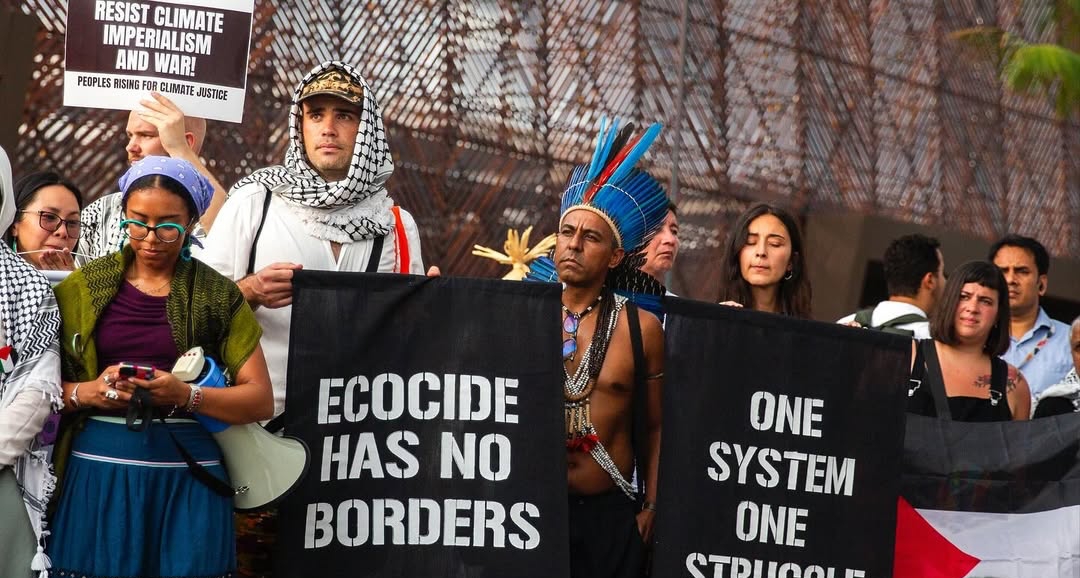
Climate goals flounder in headwind from militarization, competition, AI
COP30 kicked off in Belem, Brazil earlier this week. Delegates from 200 countries are attending. The Climate Action Tracker report released on November 13 shows that the planet is on…
Between environmental needs and the profit-imperative: Conversation with Egypt’s chief climate diplomat as govt accelerates green transition
Egypt increased its pledges to reduce the emission of environmentally damaging gasses.
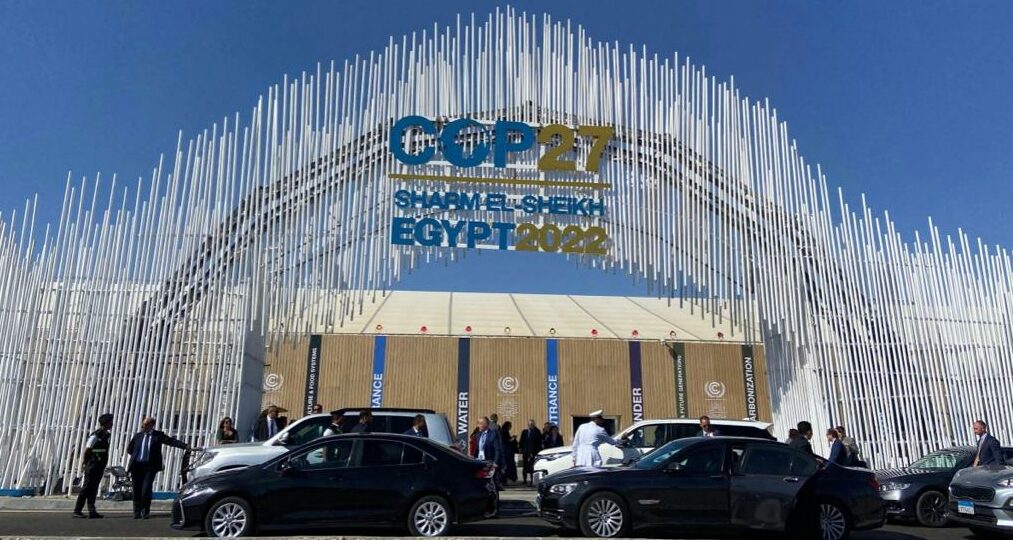
COP diaries: Navigating political pollution
The calm that marked the first two days of COP27 did not last for long
Your support is the only way to ensure independent, progressive journalism survives.
You have a right to access accurate information, be stimulated by innovative and nuanced reporting, and be moved by compelling storytelling. Subscribe now to become part of the growing community of members who help us maintain our editorial independence.
Join us