
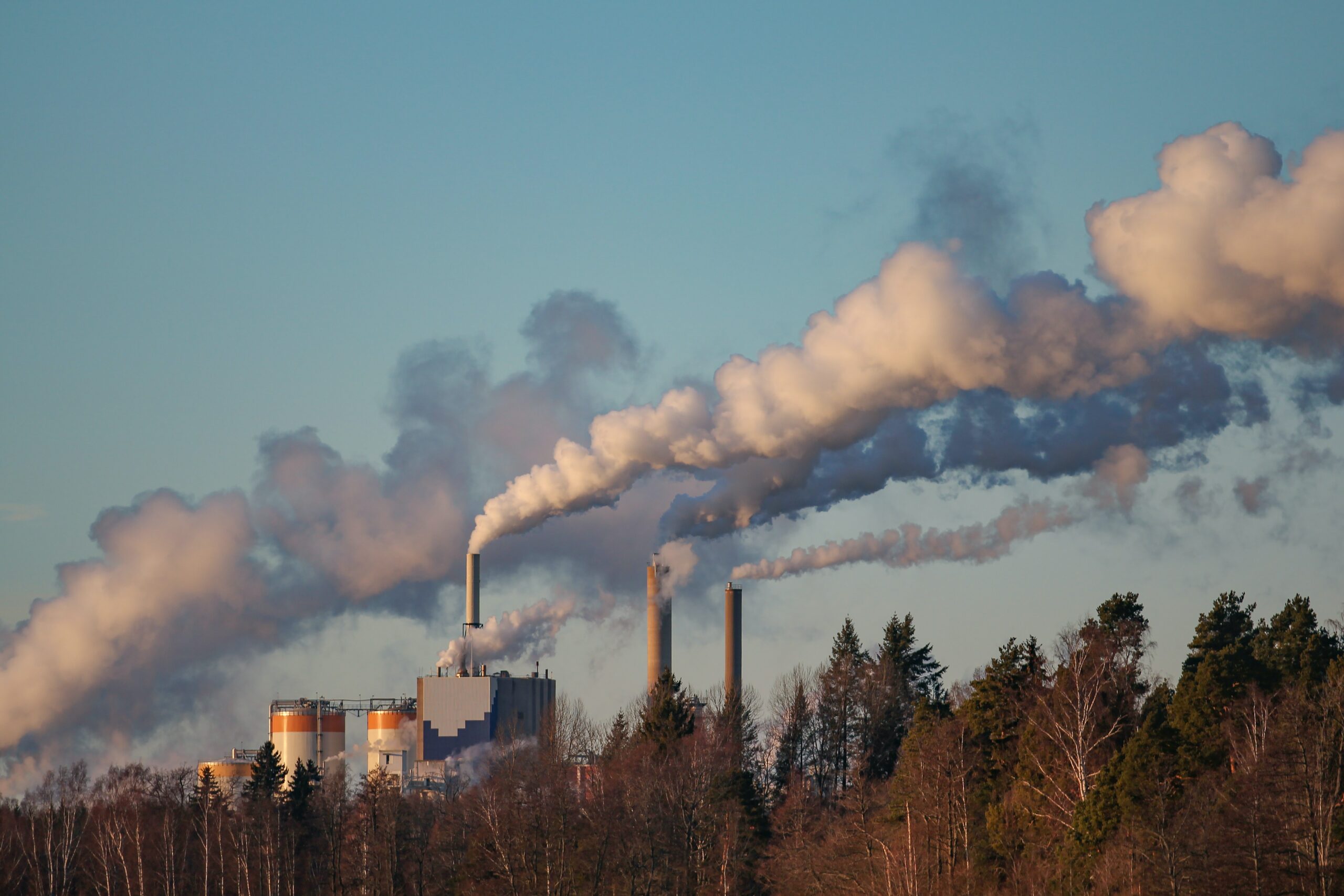
Cashing in on greenwashing? Egyptian solar companies sell carbon certificates to Global North
Twenty-two renewable energy companies operating in Egypt’s south took a step this summer toward selling carbon certificates, registering with a Swiss-based company to qualify as companies whose activities contribute to an overall reduction of emissions worldwide.
The 22 companies, which are working in Aswan’s Benban Solar Park, are the latest green energy companies in Egypt seeking to cash in on their green credentials by entering into a global emissions trading scheme whereby companies with high levels of dangerous gas emissions can offset the damage they inflict on the environment by buying carbon certificates from companies with a less damaging impact.
With global carbon trading worth a total of US$84 billion in 2021— a 60 percent increase over 2020 — it makes good business sense for Egyptian companies to secure their share of the market, according to Wael al-Nashar, a solar energy expert and the CEO of Onera Systems.
Although Egypt is late to the game, it is “an excellent move nonetheless,” Nashar says. Trading carbon credits on the global market is a virtually cost-free revenue stream that could attract lots of climate investment to the country, he explains, as it redoubles the profit-motive to set up new solar parks within Egypt as well as attracting major companies operating abroad to look to Egypt to offset their emissions.
While some predict that carbon trading could be worth as much as $100 billion per year by 2030, voices outside the business world note that it does little to reduce the net production of harmful emissions.
The system often serves as little more than greenwashing, says independent environmental researcher Amna Sharaf, who notes that carbon certificates provide harmful companies with a chance to claim that their net emissions are low on paper while doing little to change the climate-altering nature of their operations.
In total, the clean energy producing projects within Benban Solar Park are considered to have contributed to reducing emissions by 3.6 million tons since their inception.
Hesham al-Gamal, head of the Benban Solar Developers Association and general manager at Infinity Solar, tells Mada Masr that 28 of the 32 companies have begun negotiations to sell a quantity of carbon certificates equal to the tons of emissions they have cut, with each carbon certificate representing one ton’s worth of harmful carbon dioxide.
As each carbon certificate is set to be priced at a cost of over $2, says Gamal, the solar energy companies stand to make around $7 million in profits.
Twenty-two of the Benban companies are in talks with Switzerland-based First Climate, Gamal says, while another six are working with other international companies to set up the carbon certificate system for international sale.
The companies first secured approval from the government’s Egyptian Electricity Transmission Company, which would take a share of the profits, Gamal explains, and must next get approval from the Environment Ministry.
Yet carbon trading can often mean that emissions reductions are counted twice, according to recent research.
For example, Sharaf explains, “the Egyptian government could announce that these projects have reduced Egyptian emissions by X.” But “companies would then purchase carbon credits from the same project to say they have also reduced emissions by X. The emissions reduced in Egypt would then be counted twice.”
With over half of companies in some of the most harmful industries — such as Saudi Arabia’s Aramco, BP, Vodafone and Google — relying on offsetting rather than reducing their emissions, despite study after study indicating that most offsets available on the market don’t reliably reduce emissions, the trend is concerning.
As of yet, it's unclear whether the certificates purchased at Benban will be counted as part of the billions in Global North countries’ climate financing pledges to pay for the historical damage that their high emissions have caused.
“But if Egypt settles,” allowing carbon certificate purchases to count as climate financing, says Sharaf, “this would mean prioritizing meager profits in the short run instead of forcing polluting companies and countries to pay larger compensations in the long run.”
Other efforts for Egypt to secure a stake in the emissions trading system include a 2009 partnership between United Nations Industrial Development Organization and the government, a recent scheme for the Zafarana Solar Farm to sell off certificates, and recent requests for the Gabal al-Zeit Wind Farm, which is in the final phases of completion, to participate in the market. A handful of projects including the Zafarana Wind Farm, and several projects to reduce the release of toxic nitrates from fertilizers plants across the country, were registered between 2006 and 2020 with the Clean Development Mechanism, a United Nations carbon trading platform.
تقارير ذات صلة
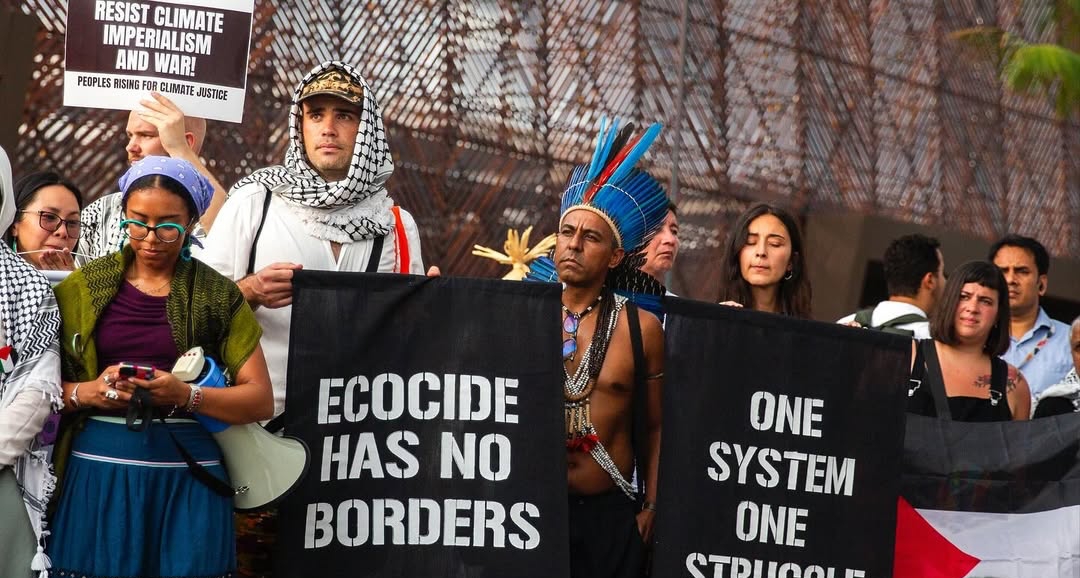
Climate goals flounder in headwind from militarization, competition, AI
COP30 kicked off in Belem, Brazil earlier this week. Delegates from 200 countries are attending. The Climate Action Tracker report released on November 13 shows that the planet is on…
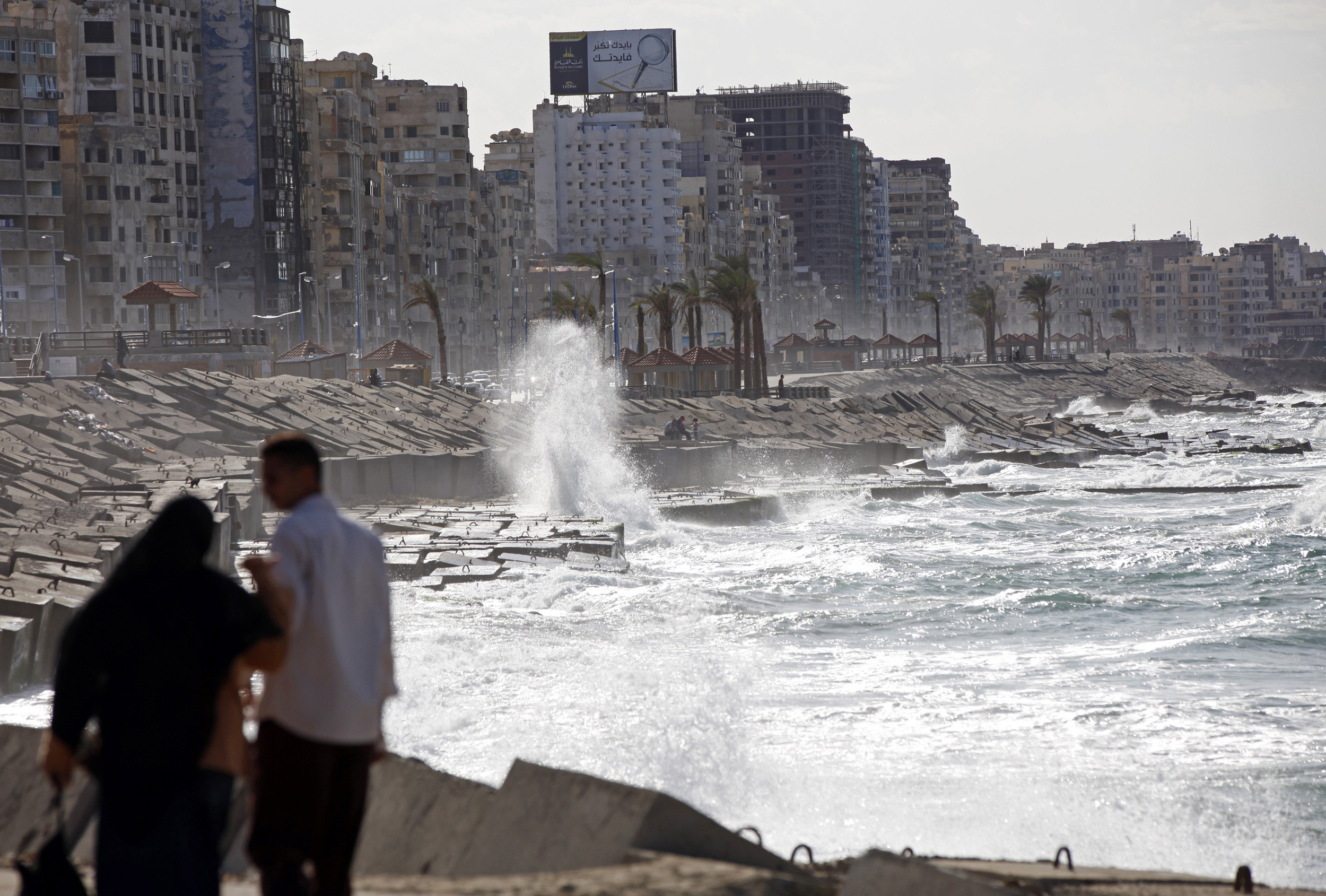
As IPCC report shows rising global south emissions, environment expert points to historical responsibility of developed nations
Mitigation is not a priority for Egypt, and Africa in general
Egypt at COP26: What shapes Egypt’s agenda in fraught global climate talks?
Egypt has been nominated to host the next edition of the conference next year
Your support is the only way to ensure independent, progressive journalism survives.
You have a right to access accurate information, be stimulated by innovative and nuanced reporting, and be moved by compelling storytelling. Subscribe now to become part of the growing community of members who help us maintain our editorial independence.
Join us