
Sources: IMF postponed review to provide govt ‘grace period’ to hike energy prices

The International Monetary Fund has rescheduled an executive board meeting in which it was due to discuss the third review of Egypt’s Extended Fund Facility.
Approval of the third review will release the third tranche of the US$8 billion financing deal, valued at $820 million.
While the IMF Egypt Mission Chief Ivanna Vladkova Hollar did not specify reasons for the delay, a senior government official cited in reports attributed the delay to "unmet conditions," noting they are "minor procedures that will be clarified soon."
Three sources — a government official in the petroleum sector, a parliamentarian and a source from the financial sector — separately told Mada Masr on condition of anonymity that the delay is due to the government postponing increases to fuel prices and electricity tariffs. They said that rescheduling the review provides a grace period for the government to approve the price hikes.
During the last week of June, several sources told Mada Masr that the Fuel Automatic Pricing Committee had already convened and decided on a 10 percent increase in gasoline and diesel prices. However, the sources noted that the government opted to delay implementing the committee’s decision due to public outrage over worsening electricity outages, which one source described as "worse than ever before."
Blackouts taking place daily in households across the country since last year lengthened in June, with the government subsequently committing to delay hikes to electricity and fuel prices which were originally scheduled to begin with the start of the new fiscal year in July.
The parliamentarian and government official said that the government is attempting to mitigate public anger over the power cuts by shortening their duration, hoping to reduce backlash against the anticipated fuel price increases.
The price hikes are expected to be implemented before the IMF meeting at the end of July, the sources said.
The meeting was initially scheduled for Thursday but will now be rescheduled for July 29, according to reports.
Lifting government subsidies on fuel and electricity was a policy recommendation under the IMF loan program that began in 2022.
The IMF's report on the first and second reviews stated that the third review requires Egypt to publish a report detailing the amount of tax exemptions, issue the executive regulations for the unified public finance law and publish annual reports from the Central Auditing Organization on financial accounts. Additionally, Egypt was to implement the Central Bank of Egypt's recapitalization plan and assess its recapitalization needs in consultation with IMF staff, and ensure the central bank's compliance with Egyptian accounting standards. The report also stipulated that Egypt must settle outstanding payments to the Egyptian General Petroleum Corporation and ensure not to accumulate new arrears, as well as launch a state ownership policy tracking index by the end of June 2024.
Since May, Egypt has been undergoing the third review of its economic reform program with the IMF. Approval of this review will allow Egypt to receive a new loan tranche and apply for additional funding of $1.2 billion from the IMF’s Resilience and Sustainability Trust.
The ongoing program, which began in 2022 following the withdrawal of billions of dollars of investor equity from Egypt and other emerging markets in the wake of Russia’s invasion of Ukraine, has already seen several delays.
The IMF approved in March the delayed first and second reviews, as well as signing off a $5 billion augmentation to Egypt’s financing deal, which brought the total to $8 billion.
أخبار ذات صلة
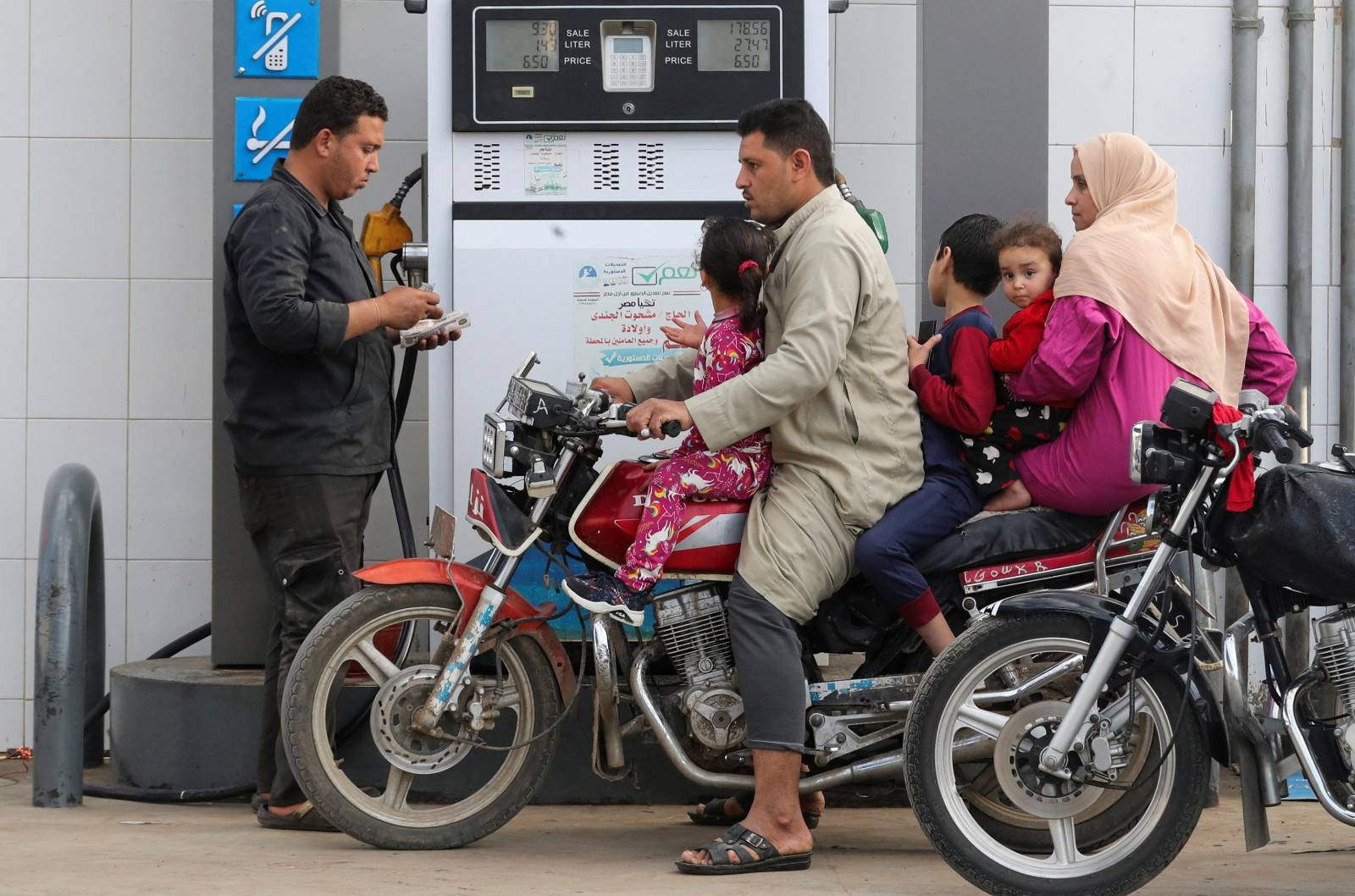
Egypt’s new budget: Electricity subsidies boosted by 2900% alongside slashes to fuel subsidies
The Egyptian government plans to cut spending on fuel subsidies by more than 51 percent, a Cabinet statement on the draft budget…
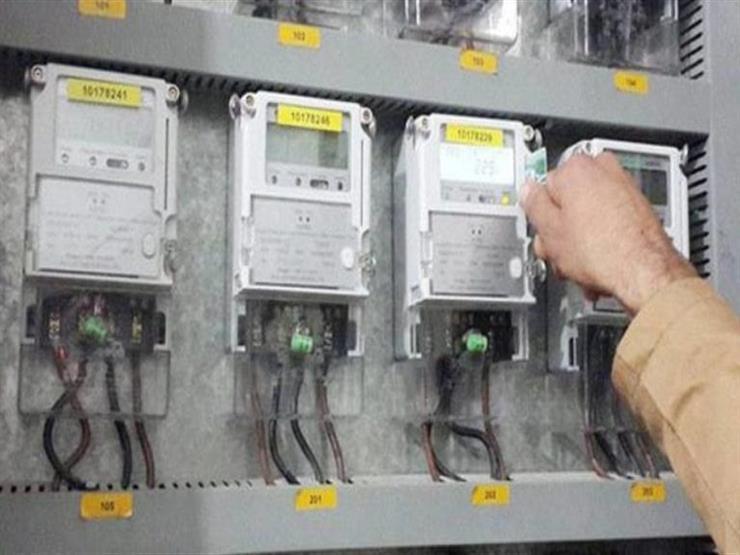
Electricity prices increased by at least 40% to reduce subsidy bill, govt sources tell news outlets
Electricity prices were increased this week by 40 percent or more.
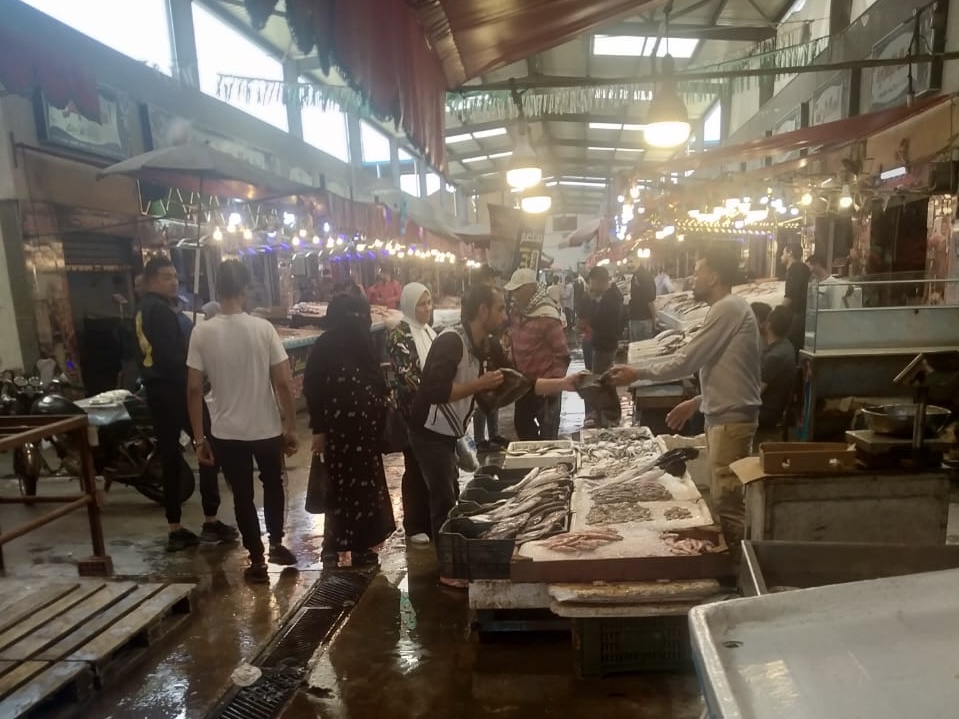
Let it rot?
A new boycott campaign out of Port Said aims to tackle soaring fish and seafood prices
New year, new prices: Increased rates for train tickets, mobile and internet costs, food, electricity
The price hikes will affect transportation, food, telecom services and electricity.
Your support is the only way to ensure independent, progressive journalism survives.
You have a right to access accurate information, be stimulated by innovative and nuanced reporting, and be moved by compelling storytelling. Subscribe now to become part of the growing community of members who help us maintain our editorial independence.
Join us