
New year, new prices: Increased rates for train tickets, mobile and internet costs, food, electricity
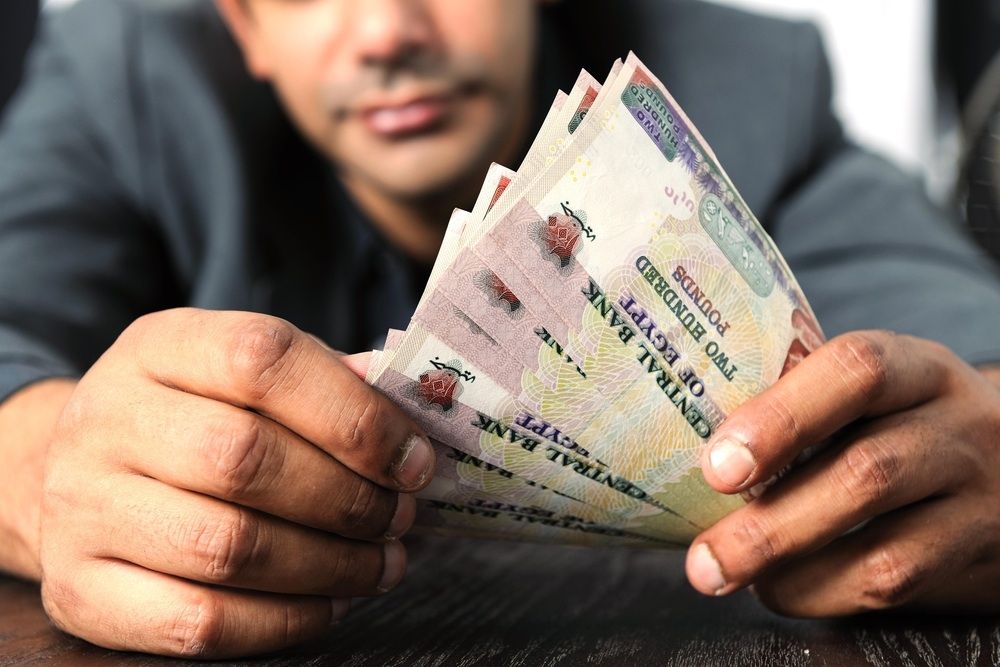
The year 2024 started off with several price hikes, including transportation, telecommunications, and basic food necessities.
They come with an economic crisis stagnating in the country. In the past two years, the value of the Egyptian pound has more than halved against the dollar, causing many households to lose the value of savings even as budgets are stretched by already rampant inflation.
Along with the recommendations associated with its fourth IMF loan in less than a decade, the government has continued to draw back subsidies on key goods and services, leaving the public increasingly exposed to the tide of price swings on global commodity markets.
The new hikes, affecting key areas of regular personal spending, are set to push the cost of living still higher.
***
Transportation
Metro fares:
The Transportation Ministry raised the prices of metro tickets by 20 percent on Monday.
The price hikes — which affect all metro lines — come during the trial phase of an extension to the metro’s third line, stretching from Kitkat to Rod al-Farag.
Ticket prices increased from LE5 to LE6 for a ride spanning nine stations, from LE7 to LE8 for 16 stations, from LE10 to LE12 for 23 stations, with a new type of ticket introduced for trips of over 23 stations for LE15.
The hikes are set to affect lower-income segments of the population (over a third of Egyptians live under the poverty line) who use the metro for daily transportation. Metro fares surged in 2018, increasing from 250 to 300 percent in cost, with popular demonstrations held to protest the hikes during which dozens were detained.
While ticket prices have increased by 20 percent and annual inflation has stood at over 30 percent for most of the year, the minimum wage for the private sector has only risen by 16.67 percent since 2023, going from LE3000 to LE3500.
Train tickets:
The National Railway Authority introduced price increases that went into effect starting Monday for rail tickets on the suburban lines redeveloped under the 2022 Tahya Masr Trains initiative.
1.4 million passengers using the railway each weekday will be affected by the price hike.
Fares for first class and air-conditioned second class, as well as VIP and air-conditioned Russian trains — introduced in 2018 — have increased by 12.5 percent. For the Russian trains without air conditioning and Tahya Masr's upgraded trains, fares increased by 25 percent.
This latest price hike was preceded by another fare increase announced by the National Railway Authority in June of last year.
***
Food
Egypt had the highest food inflation rate in the world in 2023, according to a November World Bank report. The trend looks set to continue into 2024.
Beans:
The cost of imported beans has risen over the past month by 100 percent, with prices going from LE2,000 to LE4,000 per ton, according to state-aligned media outlet Masrawy.
Smaller bean supplies, the devaluation of the pound, and Egypt’s dependence on imported stocks of the crop are the reasons behind the change, according to Obour al-Attar, the deputy head of the Agricultural Crops Division at the Cairo Chamber of Commerce. Attar told news outlets that Egypt imports about 85 percent of its beans and a majority of legumes — around 95 percent of its lentils and 100 percent of its chickpeas, for example.
Milk:
Dairy products are also getting more expensive.
Obour Land, a food industry company, decided to raise the prices of some of its products starting January 6, the head of the food division of the Alexandria Chamber of Commerce told news outlets.
Dairy Producers Association head Ashraf Sorour told Mada Masr that “the coming weeks will see an increase in the prices of dairy products, following the application of the new price formula renewed early every year.”
There was a 35 percent increase in the cost of inputs for manufacturing dairy products over the past year, Sorour said, pointing to information from the state statistics agency. He also suggested that the domestic supply has decreased, as many manufacturers have dropped out of the market due to last year’s import crisis. He predicted that other companies, not just Obour Land, will eventually raise the prices of dairy products too.
Cooking Oil
The Savola Group and Cairo Oil and Soap companies both raised their prices per unit on Tuesday by up to 15 percent.
Sources with knowledge of the industry previously told Mada Masr that the successive domestic oil price hikes are due to a shortage of raw materials, the decline in the pound’s value, and the lack of government price controls.
***
Mobile and internet services
Mobile bills:
Mobile phone service charges have also increased, due to inflation and the pound’s devaluation. Service charges are being hiked by 10-17 percent.
They were last increased by around 35 percent alongside the first devaluation undertaken with the 2016 IMF loan.
Etisalat and We hiked charges on Monday, with Vodafone and Orange set to follow suit in February, according to texts sent by the telecom companies. Etisalat Egypt increased its monthly subscription costs by 15 percent on Monday, with WE raising the prices of its services by 10-15 percent. Orange is increasing its monthly packages by about 16 percent in February and Vodafone also notified its customers about an increase in monthly prices starting February.
The hikes come after the government raised fuel prices by about 14 percent in November, indirectly raising the cost of providing telecommunications services, according to an industry source who spoke to news outlets at the time. Telecom Egypt, the sole operator of telecommunication services and the only company listed on the Egyptian Stock Exchange among telecommunications companies, reported currency spread losses of LE4.581 billion (approximately $148.2 million) in the first quarter of 2023 compared to LE1.445 billion a year ago.
Internet providers
Telecom Egypt, which owns 45 percent of We, also decided to increase home internet prices starting January 5. Costs will increase by 29-34 percent.
A monthly subscription for 140 GB will increase from LE120 to LE160, the cost of 200 GB per month will rise from LE170 to LE225, 250 GB from LE210 to LE250, 400 GB from LE340 to LE440, 600 GB from LE500 to LE650, and finally 1 TB from LE800 to LE1050.
***
Electricity
Prime Minister Mostafa Madbuly announced in a Wednesday press conference that electricity tariff prices will increase by 7-21 percent, effective January. Prices would be revised again in June 2024, he said.
Electricity rates are still partially subsidized by the government. “Electricity subsidies were supposed to end by 2023, but instead reached LE90 billion, with the state subsidy bill standing at LE340 billion in total,” Madbuly stated. Egypt’s government, which has gradually rolled back subsidies in line with IMF recommendations over the years, still subsidizes energy, bread, and basic food products.
Egyptian TV host Lamis el-Hadidy reiterated the same reason behind the increase, adding that the government is gradually trying to decrease the scope of subsidies, paying only for population segments which consume the least. However, she also stated that qualifying segments are the ones facing the highest percentage increase in cost, with hikes at around 20 percent.
Home energy tariffs were due to be hiked in 2022, but amid rampant inflation that year, implementation was delayed until January 2024 under presidential directives “to decrease the suffering of citizens, especially low-income people.”
أخبار ذات صلة
Govt raises fuel prices by LE2, natural gas for vehicles up 43%
The government raised fuel prices on Friday, increasing the cost of gasoline and diesel by LE2 per liter and natural gas for…
Egypt to boost fertilizer exports to offset planned slash to industrial energy subsidies
The government will raise natural gas prices for industrial use in Egypt in the coming weeks by around US$1-2 per million British…
How will the Israel-Iran war affect the Egyptian economy?
The Egyptian economy continues to tremble with uncertainty in the face of the widening regional war escalated when Israel attacked Iran on Friday night. By the end of Sunday’s trading…
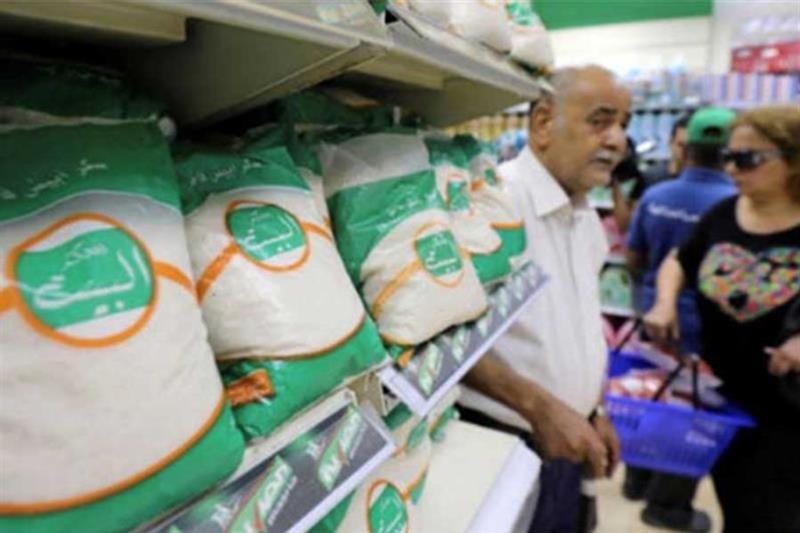
Egypt to impose VAT on sugar starting July, informed sources say
A value-added tax will be levied on sugar sales starting in the new fiscal year, according to a government decision that has…
Your support is the only way to ensure independent, progressive journalism survives.
You have a right to access accurate information, be stimulated by innovative and nuanced reporting, and be moved by compelling storytelling. Subscribe now to become part of the growing community of members who help us maintain our editorial independence.
Join us