
Electricity prices increased by at least 40% to reduce subsidy bill, govt sources tell news outlets
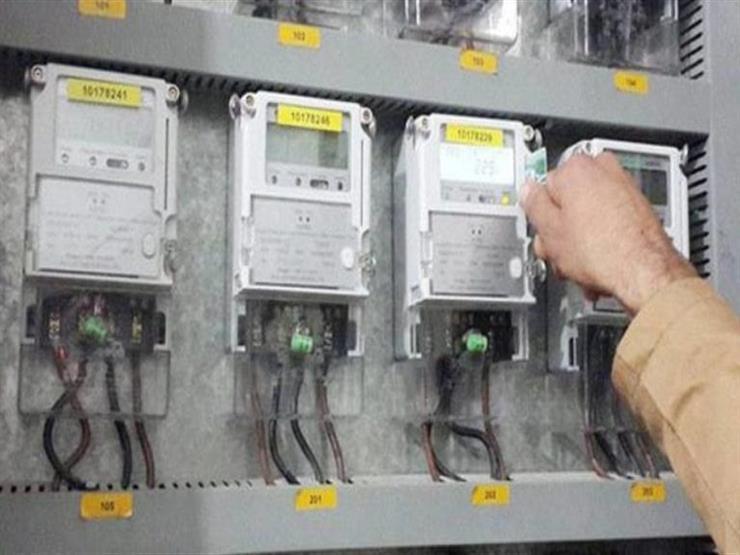
The government increased the price of electricity this week by 40 percent or more for household, commercial and industrial consumers, according to government sources who spoke anonymously to domestic and international news outlets over the week.
The increases were delayed several times over recent years due to concern about popular opposition amid a cost of living crisis.
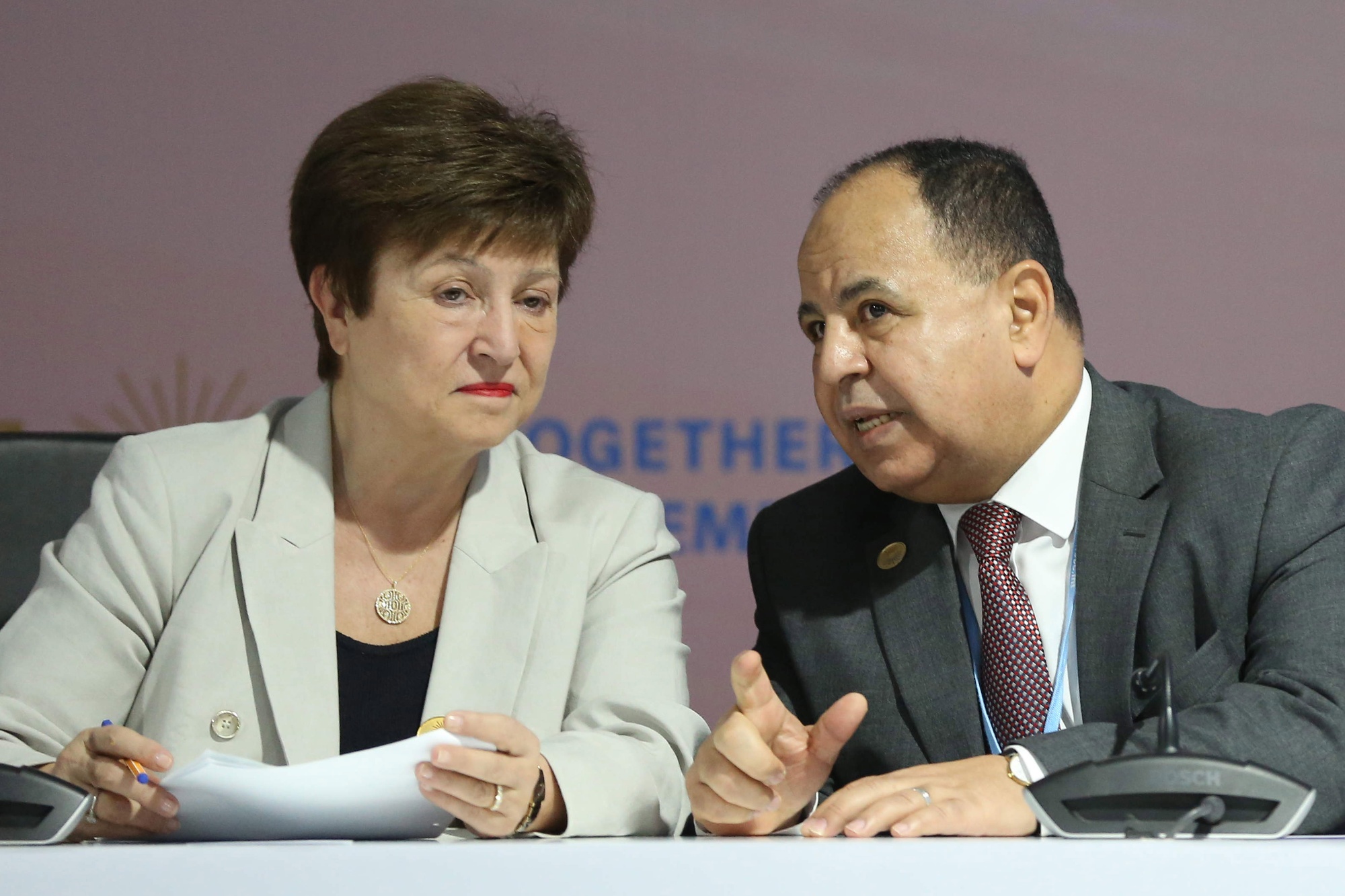
But in recent weeks, the prime minister cited rising government expenditure on electricity, laying out the intention to raise prices again in compliance with International Monetary Fund recommendations for the government to cut subsidies under its ongoing US$8 billion loan program.
Noting the huge impact the increases will have on the public, which is already suffering under inflation, economist Medhat Nafea questions whether cutting subsidies is truly the most effective way of reducing state spending on the provision of electricity.
“The state says that electricity is subsidized, and then when the cost increases it says that the difference lies in subsidies. Why does the cost increase always go in the category of subsidies? Why not be in the category of poor management, or efficiency?” Nafea said.
The new hikes will see the average selling price of electricity for the industrial sector rise by about 40 percent, from LE1.389 to LE1.94 per kilowatt, according to Electricity Ministry sources cited by the privately owned Al-Masry Al-Youm newspaper. The new rates are to be applied for this consumption bracket starting this month.
The increase marks the first change to electricity fees in the industrial sector in four years.
Price hikes were implemented by the Electricity Ministry for residential and commercial consumers as well, with government sources telling Reuters that price increases for these consumption brackets will go up to 50 percent.
Informed government sources told several local and international outlets that the price increases have already been applied to residential units using prepaid meters, and will be applied to regular meters for consumption during September, payable with the billing cycle on October 1.
Electricity prices for households rose back in January by 7 to 21 percent, as part of price hikes implemented at the beginning of the year in several sectors.
The government has not officially announced the new increase, causing widespread confusion among citizens as well as the industrial sector.
Representatives from industrial chambers in the Federation of Egyptian Industries are calling for an official release of the new tariff schedule on the Electricity Ministry’s website to uphold transparency, criticizing the larger rate hikes compared to previous adjustments, which did not exceed 10-15 percent.
An Electricity Ministry source told Mada Masr on Thursday on condition of anonymity that the increases will be announced soon on the Egyptian Electric Utility and Consumer Protection Regulatory Agency’s official website.
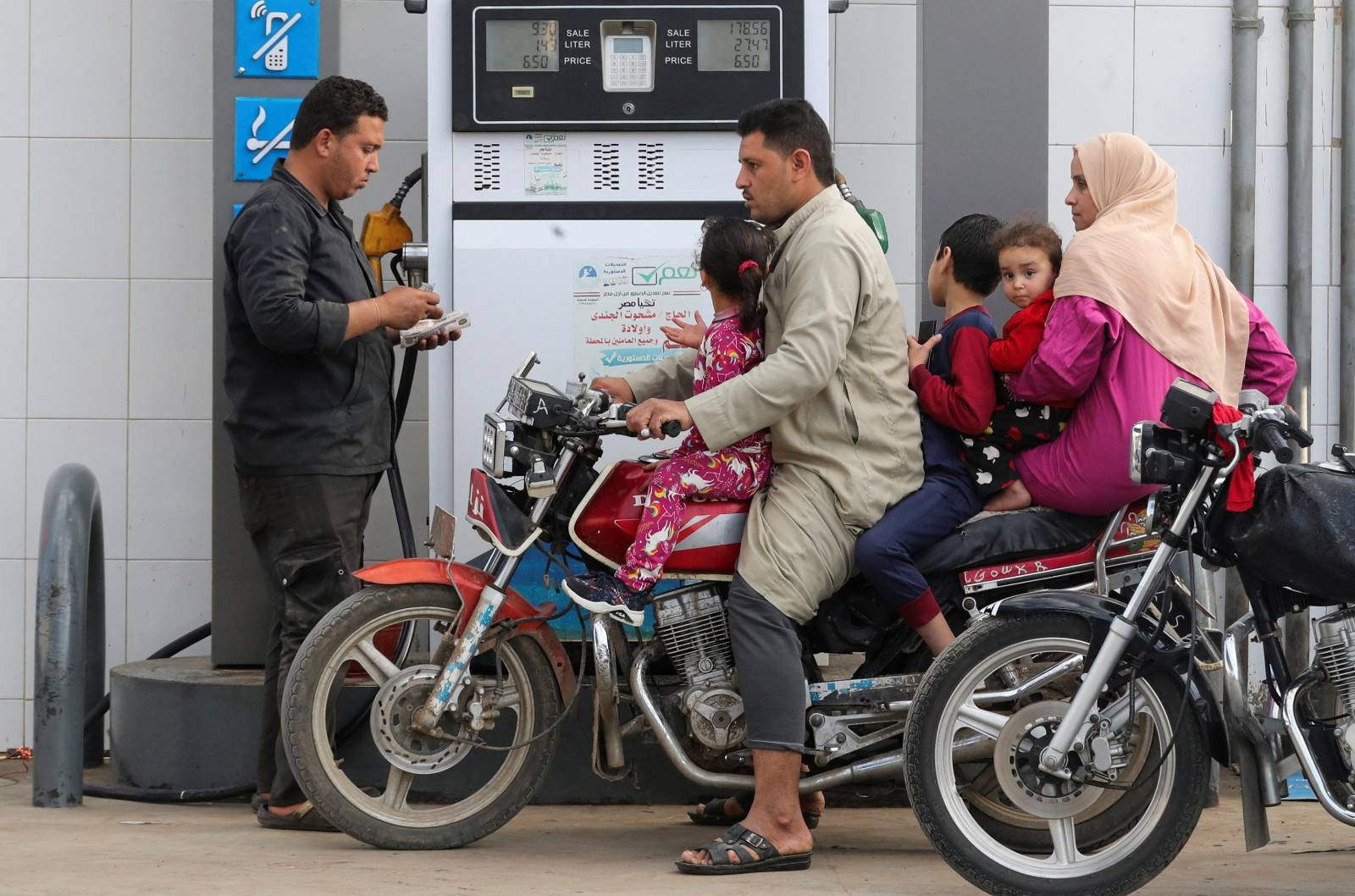
This price hike comes on the heels of a recent fuel price hike, both continuing a pattern of austerity measures Egypt has adopted since 2014. The price per liter of gasoline, diesel, kerosene and other petroleum fuels was increased by at least 10 percent in July.
Following the IMF’s loan review in July, Prime Minister Mostafa Madbuly announced to the public in a press conference that more price hikes are in store for Egypt, including the lift of subsidies on energy and electricity products “gradually” or over the course of four to five years.
Government expenditure on energy has increased as gas supply has weakened amid rising demand paired with a small export program. The Petroleum Ministry spent at least $1.18 billion on emergency fuel imports this summer to phase out a load reduction plan which caused power cuts daily across the country.
Madbuly pointed to the expenses in the same press conference, stating that the Electricity Ministry’s monthly bill to the Petroleum Ministry exceeds LE16 billion, of which it can pay only LE4 billion, with the government having to step in to cover the remaining amount. He stressed at the time that the government passes “only part of the burden on to the citizens.”
The ministry source also told Mada Masr that the cutting of subsidies is a priority for the government at the time being.
Yet Nafea countered that it is unclear the degree to which the increasing cost to the government of generating and providing electricity should be attributed to subsidies. “ I do not know what the government considers as subsidies,” he said.
“Subsidies are supposed to be the difference between the cost and the price, but we do not know how much of the cost is wasted or lost, the amount of poorly managed contracts, the degree of electricity current thefts and the amount of unnecessary salaries, because at the end of the day electricity production is a monopolistic practice,” Nafea explained, noting the government ownership of the sector.
“We cannot evaluate the efficiency of monopolistic production as long as there is no competition.”
The price hikes are also set to impact the public. Energy price hikes have already exacerbated inflation which has surged in Egypt over the past two years, affecting production and input costs and ultimately increasing the prices of transportation, food and other strategic commodities.
Inflation slowed in July for the fifth consecutive month, reaching 25.7 percent year-on-year compared to highs of over 30 percent last year. Numbers are expected to hike following the recent increase in electricity prices, according to Nafea.
The purchasing power of Egyptian households has been and continues to be constantly affected.
"The impact of the electricity hikes is simple, a new inflationary wave linked to the previous wave that is yet to end and was due to the increase of fuel prices,” Nafea explained, adding that the hikes will also have a knock-on effect to policy, forcing the government “to continue implementing monetary tightening policies for a long period.”
“These policies have a negative impact on the investment climate as well,” he continued. “If we connect all of these factors, we realize that this is more of an economic slowdown, because the state will not be able to subsidize either investment as it is wishes and promotes, or subsidize consumption, which is usually at 80 percent of gross domestic production, due to the consumer himself being in very bad conditions and with his real wage being devoured and therefore consumption itself will decrease,” the economist added.
"If there is neither consumer nor investment spending that could shift GDP growth to the desired levels, then there is greater chances of economic slowdown that could continue beyond the current fiscal year,” he explained.
أخبار ذات صلة
Egypt’s new budget: Electricity subsidies boosted by 2900% alongside slashes to fuel subsidies
The Egyptian government plans to cut spending on fuel subsidies by more than 51 percent, a Cabinet statement on the draft budget…
Sources: IMF postponed review to provide govt ‘grace period’ to hike energy prices
Sources say the delay is to provide the government a grace period to approve energy price hikes.

Let it rot?
A new boycott campaign out of Port Said aims to tackle soaring fish and seafood prices
New year, new prices: Increased rates for train tickets, mobile and internet costs, food, electricity
The price hikes will affect transportation, food, telecom services and electricity.
Your support is the only way to ensure independent, progressive journalism survives.
You have a right to access accurate information, be stimulated by innovative and nuanced reporting, and be moved by compelling storytelling. Subscribe now to become part of the growing community of members who help us maintain our editorial independence.
Join us