
Slight decrease in number of labor protests in 2nd quarter of 2015
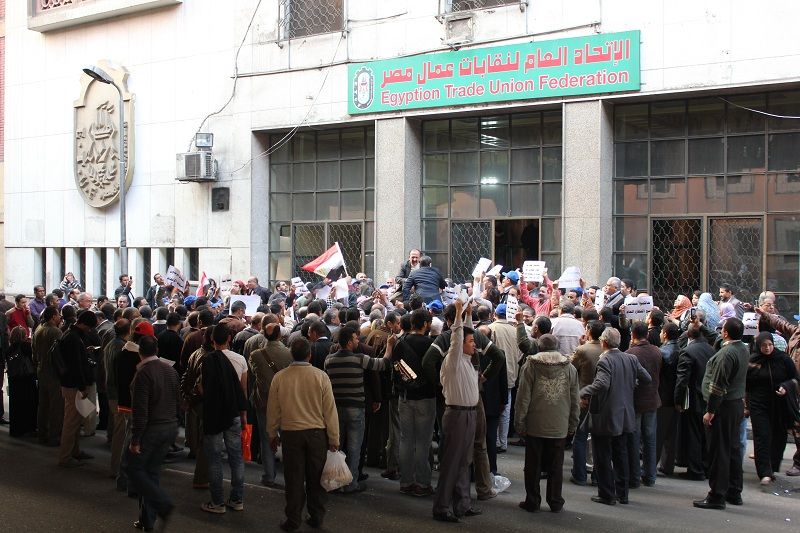
The second quarter of 2015 has witnessed a nationwide total of 385 labor protests, according to figures compiled by the independent Mahrousa Center for Socioeconomic Development on Wednesday. This is a slight decrease in the occurrence of industrial actions, with a total of 393 labor protests reported in the first quarter of this year.
In comparison to Mahrousa’s figures from the year 2014, the first quarter (January-March) of last year witnessed 1,420 labor protests, while the second quarter (April-June) of that same year had witnessed a mere 231.
While greater than the total number of labor protests during the second quarter of 2014, the 385 industrial actions reported during the second quarter of 2015 include strikes, sit-in protests, marches, workplace occupations, work slowdowns, boss-nappings, and hunger strikes, among other forms of protest.
Contributing to the decline in the number of Egyptian labor protests (from the first quarter of 2015) are police crackdowns, lawsuits and other punitive measures against strike-leaders, together with legislation criminalizing the right to protest/strike or to freely organize trade unions, and a new judicial decree pushing striking public sector employees into forced retirement (issued by the Supreme Administrative Court on April 28).
Under the auspices of the Ministry of Manpower, the signing of decrees to abstain from strikes – by representatives of both the state-controlled unions and independent labor federations – may also have contributed to the decline in work-stoppages and other industrial actions.
Mahrousa’s findings indicate that the driving forces behind many of these labor protests are demands for improved wages, overdue payments and bonuses, lack of promotions or pay raises, hazardous working conditions and poor safety standards, punitive sackings and mass lay-offs, forced relocations, pay-cuts, and demotions, among other grievances.
According to Mahrousa’s figures, most of these 385 labor protests took place among factory employees and manual workers – 136 in specific.
The second sector most affected by labor protests – with 68 protests – is reported to be the public sector, civil service and governmental institutions.
Disgruntled medical professionals and hospital staffs came in third place with 30 protests.
With 20 protests, Egypt’s educational sector, including employees of both public and private universities, represented the fourth sector most affected by industrial actions.
The fifth sector reported to be most affected by industrial actions is that of journalism and mass media, with a total of 19 protests.
Other sectors that have witnessed significant incidents of labor unrest during the second quarter of 2015 include those of agriculture, transportation, informal and seasonally employed workers, as well as imams and mosque employees.

أخبار ذات صلة
Former employees sue to block sale of Eastern Company workers’ shares to Fidelity
Two hundred former workers at Eastern Company have filed a lawsuit to halt the payout of proceeds from the sale of the…
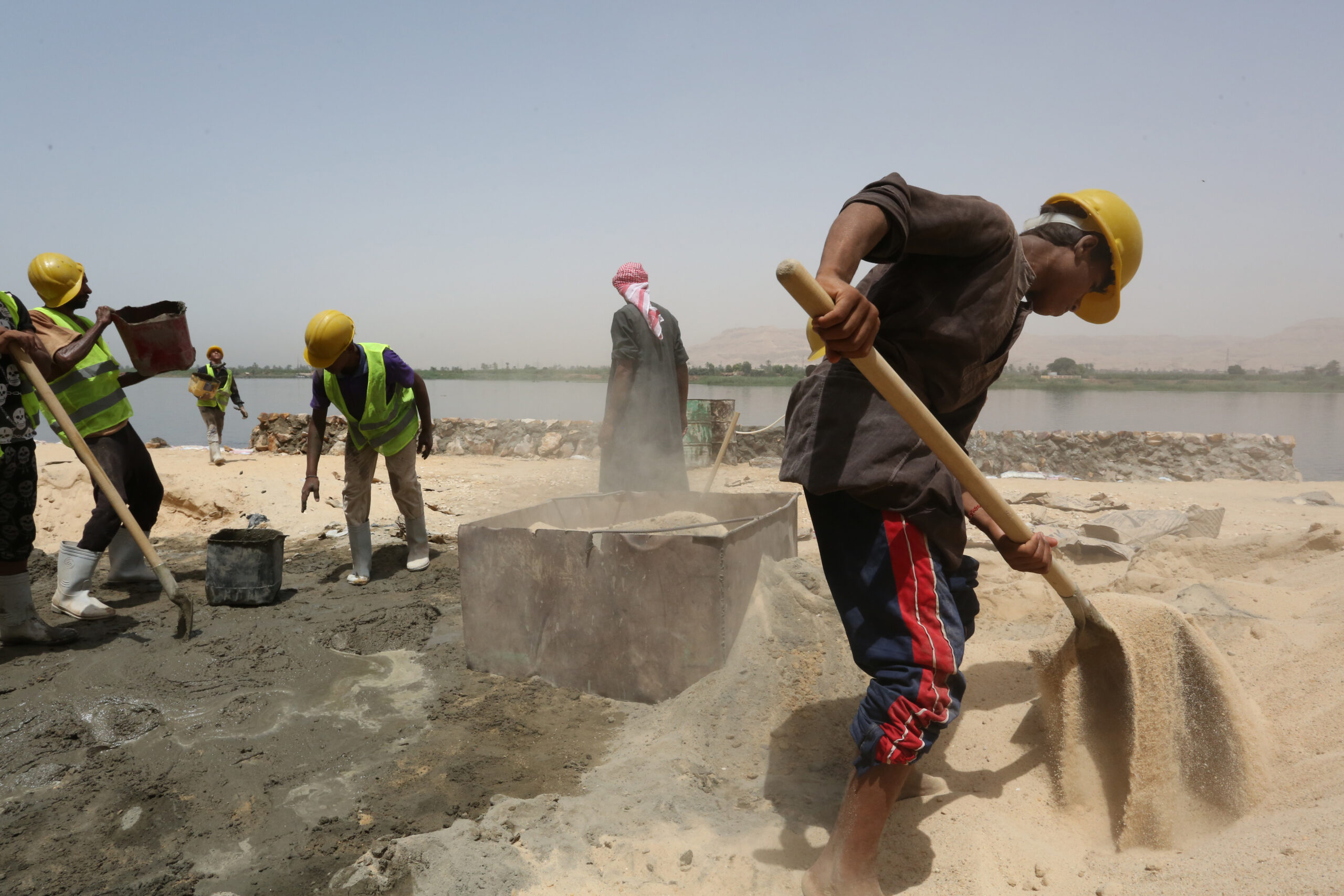
Egypt’s 1st hourly minimum wage: An ‘announcement to global markets that our labor is cheap’
Sources express fear that the decision will formalize and entrench an already precarious situation

New labor law, same pro-business bias
A decade after initiating the process to draft a new labor law, the government announced on November 6 that the bill had finally been completed after incorporating several amendments. The…

Following strike, Samanoud Textiles Company seeks to fire union leader
Samanoud Textiles Company launched a new lawsuit aiming to fire union leader Hesham al-Banna from the company, his lawyer Haitham Mohamedien told…
Your support is the only way to ensure independent, progressive journalism survives.
You have a right to access accurate information, be stimulated by innovative and nuanced reporting, and be moved by compelling storytelling. Subscribe now to become part of the growing community of members who help us maintain our editorial independence.
Join us