
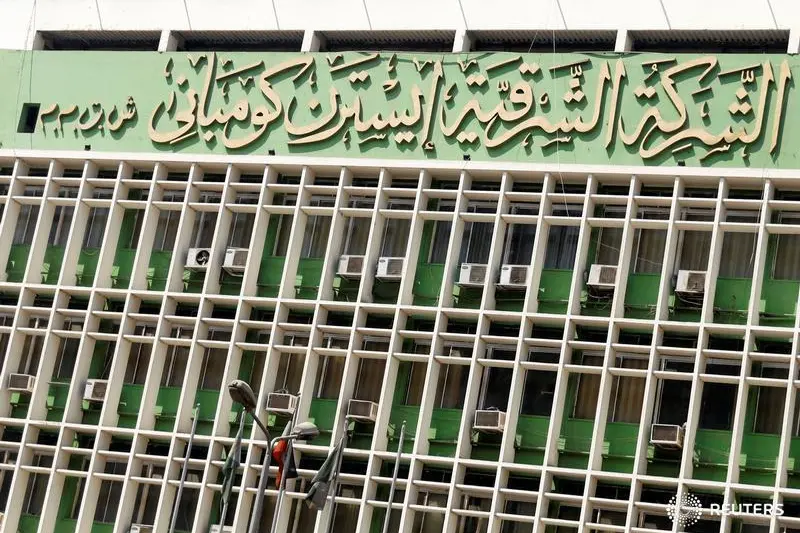
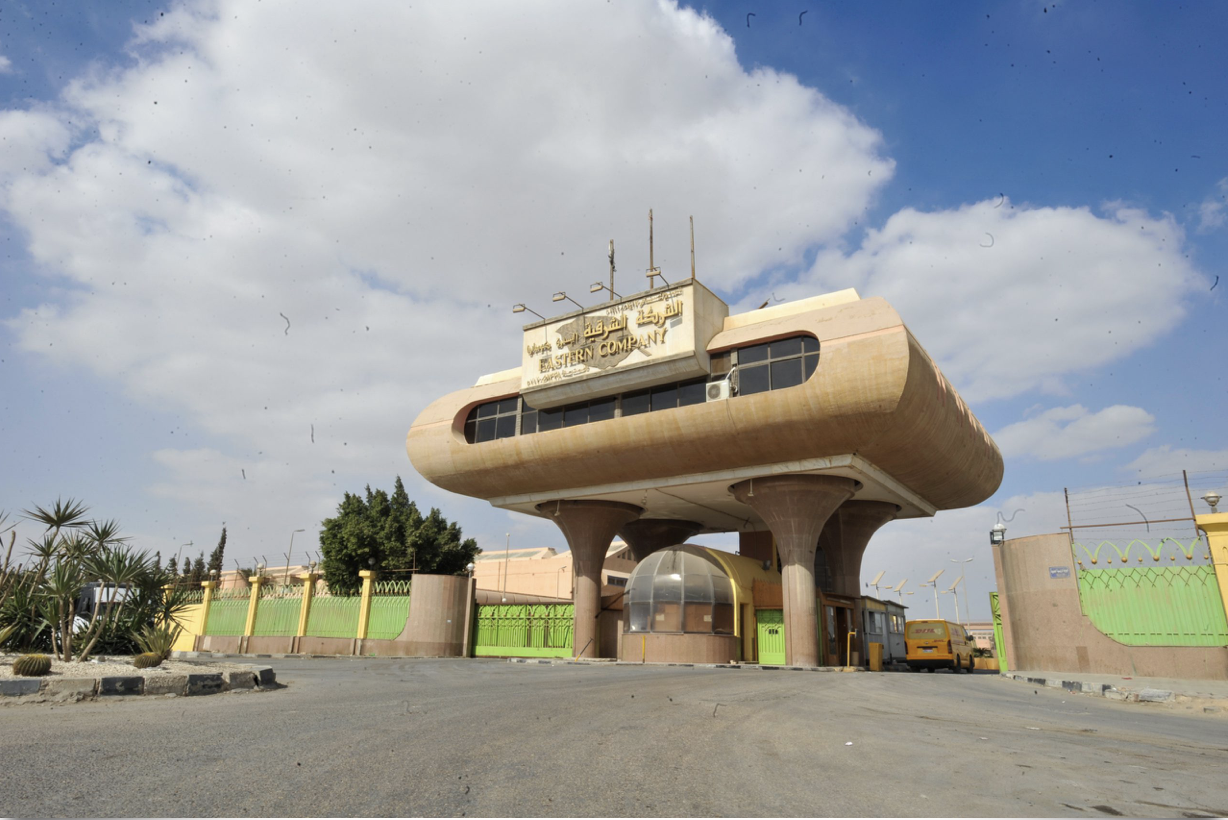
Two hundred former workers at Eastern Company have filed a lawsuit to halt the payout of proceeds from the sale of the shareholder workers’ union’s stake in the tobacco giant to a private investor, their lawyer, Mahmoud Mansour, told Mada Masr. The plaintiffs, who were not employed by the company at the time the sale was approved, are demanding a portion of the proceeds on the grounds that their severance stocks were undervalued.
Following months of opposition — harshly suppressed on several occasions — the worker shareholders’ union sold its stake to United Arab Emirates-based firm Fidelity International in September, effectively surrendering worker influence over the company’s management.
A few days before the sale’s completion, the union’s general assembly agreed to dissolve and authorise the sale of its stake in the company at no less than LE38 per share, accepting a bid put forward by EFG Hermes Investment Banking on behalf of an undisclosed client.
In a disclosure to the Egyptian Exchange published Tuesday, EFG Hermes said the buyer was Fidelity, which paid around LE6.24 billion to acquire the workers’ union’s stake.
The deal values the roughly 156.1 million worker-owned shares (around 5.2 percent of the company) at an average of LE40 each, representing about 5.2 percent of the company."

The group filing the lawsuit — reviewed by Mada Masr — includes former workers who retired, resigned by mutual agreement, or exited due to medical incapacity.
They are challenging the disposal of the workers’ union's shares, demanding that its accounts be frozen and that custodianship be held by the union’s fund.
The former workers say they were not paid fair exit dues upon leaving the company, and that they are entitled to a share of the proceeds from the sale of the union’s stocks, as per the lawsuit.
Several of the workers who filed the lawsuit say they were offered exit payments upon departing the company that did not reflect the duration of their term of service. They also said their shares were priced far below market price in their severance packages.
According to court documents, the company's lawyer, Mohamed Masshout, is mounting a defense arguing that since the plaintiffs have all officially stopped working at the company, they do not have the right to sue it, citing Egypt’s Civil and Commercial Procedures Law, which, he said, stipulates that such pleas may only be brought by a person or persons who have a current or potential personal interest in the company.
The company also dismissed and suppressed the complaints of workers who had opposed the sale while still employed, however.
Mohamed Mostafa, a member of the workers’ union’s general assembly, told Mada Masr that he filed numerous complaints to the Financial Regulatory Authority regarding “many violations at the last general assembly meeting.” He also formally protested in June the union's liquidation without “the fair valuation of its shares, assets, equipment and machinery,” in several reports to the FRA, also reviewed by Mada Masr. He did not receive a response.

Six other workers who opposed the sale also faced investigation in June, and the company closed their social insurance files without notice, effectively terminating their employment. None had signed official employment termination forms. Two of them told Mada Masr they had been barred from entering the company two months earlier.
Workers’ complaints effectively delayed the sale of the union’s stake, said Masshout, though he characterized the announcement of the deal’s completion on Wednesday as an indication that the FRA had not taken the complaints seriously and approved the sale anyway.
One of the share-holding workers, who preferred to remain anonymous, told Mada Masr that several members of the union’s general assembly had gone to the FRA last month to convince officials that the complaints were “baseless” and urged the agency to back the deal with the Emirati buyer.
Eastern Company CEO and Managing Director Hany Amin also held a meeting with an FRA official, with national security representatives in attendance, to discuss the deal, the same worker said.
Eastern Company is one of the only state-owned companies to have been partially privatized in several stages over recent years, in line with recommendations from international lenders that the government reduce its footprint in the economy.
The largest stake, 30 percent, is held by UAE-based Global Investments LLC , followed by the state-owned Chemical Industries Holding Company, which controls 20.95 percent.
The urgent matters court is set to review the workers case on October 7.
أخبار ذات صلة
Sources: Despite EGX listings, govt unlikely to launch offerings in current economic conditions
The Cabinet announced on Tuesday evening that 10 state-owned companies had been temporarily listed on the Egyptian Exchange, one of several measures…

Surprise in the making: The little we know of what will become of Zohriya
Talk of the state's plans to "redevelop" the garden has circulated since 2021
IMF in Cairo to discuss privatization, over-reliance on short-term borrowing
A delegation from the International Monetary Fund touched down in Cairo on Monday to begin its final review of the US$8 billion…
Unnamed investor buys out workers’ stake in tobacco giant Eastern Company after monthslong conflict
Share-holding workers at partially state-owned tobacco firm Eastern Company were bought out on Thursday following months of conflict over the sale. The…
Your support is the only way to ensure independent, progressive journalism survives.
You have a right to access accurate information, be stimulated by innovative and nuanced reporting, and be moved by compelling storytelling. Subscribe now to become part of the growing community of members who help us maintain our editorial independence.
Join us