
National Dialogue: Members mull questions of electoral participation locally and nationally

"There are border provinces and governorates with a tribal nature that must be observed," said National Dialogue Technical Secretariat head Mahmoud Fawzy in a Sunday session that gathered local authority figures from across the country to address pressing questions on how local politics are structured nationwide.
Entering its fifth week on Sunday, the National Dialogue forum was launched over a year ago by President Abdel Fattah al-Sisi as a platform for inclusive political dialogue based on public input, though the extent to which it is truly inclusive has been constantly questioned by participants calling for political prisoners to be released.
In Sunday’s sessions, figures appointed to populate the National Dialogue committees discussed questions on the local administration law, on how local governors are selected in one group, and on the exercise of political rights in another.
Yet action points to help facilitate local council elections, which haven’t been held since 2002, were absent from the discussions.
Most of Sunday’s contributions pushed against the exercise of elections to select governors, with National Dialogue Political Axis Assistant Rapporteur Mostafa Kamel al-Sayed telling Mada Masr that a huge proportion of the attendees are former local municipal leaders who were appointed by the president, whether to local administrations, governorates, or ministries.
“Due to tribal fanaticism in the governorates of Upper Egypt and family fanaticism in Lower Egypt, the governor must be appointed,” said Former Local Development Minister Adel Labib in one of Sunday’s sessions.
Likewise, “the current conditions of Egypt’s popular, cultural and educational fabric are making it difficult to run elections for governors," said National Dialogue Local Administration Committee head Ahmed al-Seginy on Sunday.
Elections may be implemented later, Seginy continued, arguing that first, the level of education should be raised and democracy should be practiced with elections to local councils.
Sayed made an argument for governors to be elected, stating that the democratic system guarantees other safeguards against the abuse of power and tribal fanaticism.
He suggested that the new local administration law hold the governor or elected leaders accountable, with the possibility of dismissing the governor if there is a large majority.
Yet Sayed too echoed that heads of city or village councils “should obtain a sufficient level of education and have sufficient knowledge of the city's affairs.”
In another session on Sunday, participants discussed suggestions on how to attract young people to participate in parliamentary elections; on political sanctions against electoral candidates who violate the terms for candidacy; on activating penalties in the law on exercising political rights; and about facilitating digital voting.
National Dialogue General Coordinator Diaa Rashwan suggested that election days should be an official holiday, with a LE500 fine for non-participation. He also proposed amending the law regulating how Egyptian expatriates vote so that it would allow digital voting.
Yet some participants in the session suggested to Mada Masr that stagnation in the political scene and electoral system are more significant in affecting participation than the technicalities discussed on Sunday.
Discussions should not have revolved around procedures for participation in elections while disregarding an examination of the electoral system itself, Islam al-Dabgh, a representative of the Egyptian Social Democratic Party, told Mada Masr.
Proportional representation is the Civil Democratic Movement’s greatest political demand, he said, since the current electoral system “only serves the majority party.” The CDM is a coalition of seven broadly progressive parties, some of which are participating in the National Dialogue.
Egyptian Communist Party head Salah Adly also pointed to the lack of true opposition, which he said makes the public reluctant to participate in elections. Speaking to Mada Masr, Adly called for the exercise of political freedoms, the release of prisoners of conscience, the amendment of the remand detention law, and the amendment of the electoral system itself because the public will not participate in a system with absolute lists* rather than proportional* ones.
أخبار ذات صلة
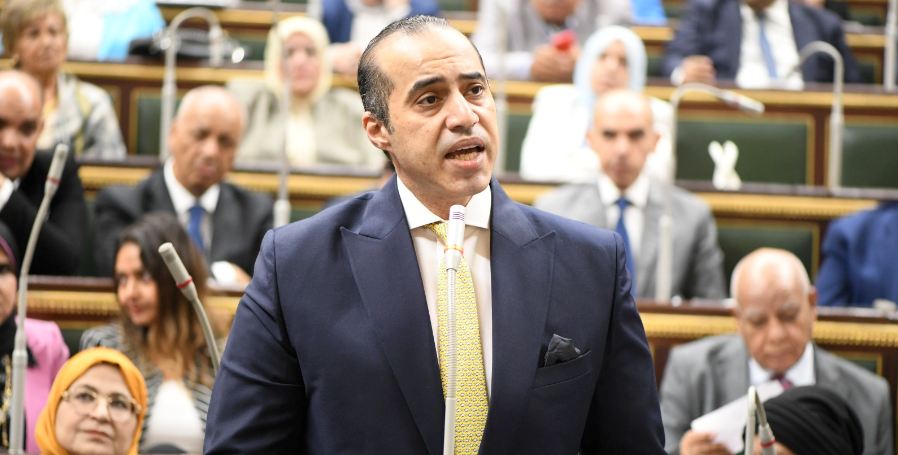
UN human rights experts raise concerns about Egypt’s Criminal Procedures bill in letter to govt
A group of United Nations human rights experts have sent a communication to the Egyptian government expressing their concerns about draft articles…

The weeks of dispute around reforms to the Criminal Procedures Code
Amid an ongoing political conversation around the use and abuse of remand detention to hold political detainees, legislators have dusted off a…
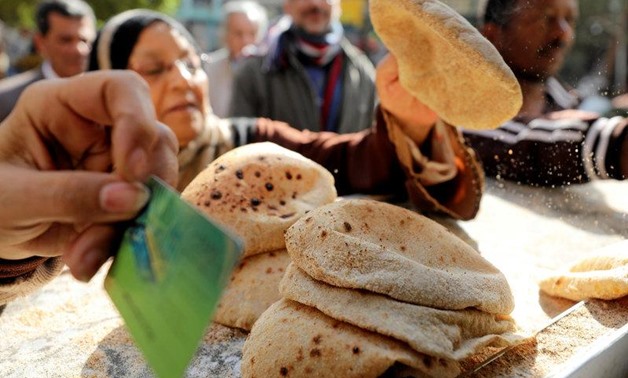
More cash support, less in-kind subsidies likely outcome of National Dialogue sessions next week
The National Dialogue is preparing for discussions next week on the transition from in-kind subsidies to cash-based government support. The government has…
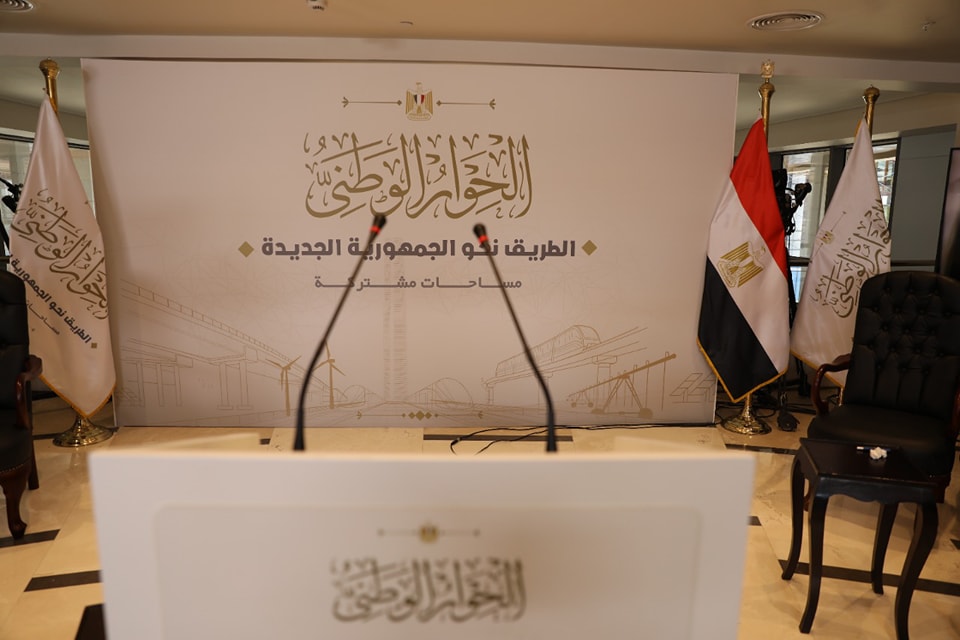
Former prisoners, legal experts present recommendations to stop endless pretrial detention for speech cases during National Dialogue
Parliamentarians, former detainees, journalists and criminal law experts gathered for nearly 12 hours of National Dialogue sessions on Tuesday. Their mission? To…
Your support is the only way to ensure independent, progressive journalism survives.
You have a right to access accurate information, be stimulated by innovative and nuanced reporting, and be moved by compelling storytelling. Subscribe now to become part of the growing community of members who help us maintain our editorial independence.
Join us