
More cash support, less in-kind subsidies likely outcome of National Dialogue sessions next week
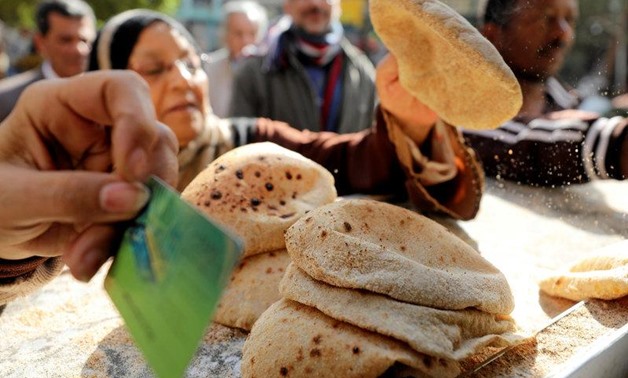
The National Dialogue is preparing for discussions next week on the transition from in-kind subsidies to cash-based government support.
The government has gradually moved away from in-kind subsidies on commodities toward a cash support system over the past decade, a transition that officials hint is to be implemented fully despite the upcoming forum’s discussions.
Cash support is the preferred social support policy recommended to Egyptian authorities by global financial institutions, such as the International Monetary Fund. But the government has been slow to introduce the policy, which experts say can reduce access to social support, fearing it could spark outrage among citizens.
However, over the past weeks, officials began once again to try and persuade the public of the benefits of transitioning to cash-support with public statements over the past week.
The shift from in-kind subsidies
Global finance organizations recommend cash support compared to in-kind subsidies based on the assumption that cash support allocations are less expensive for the state and more effective in supporting most vulnerable households.
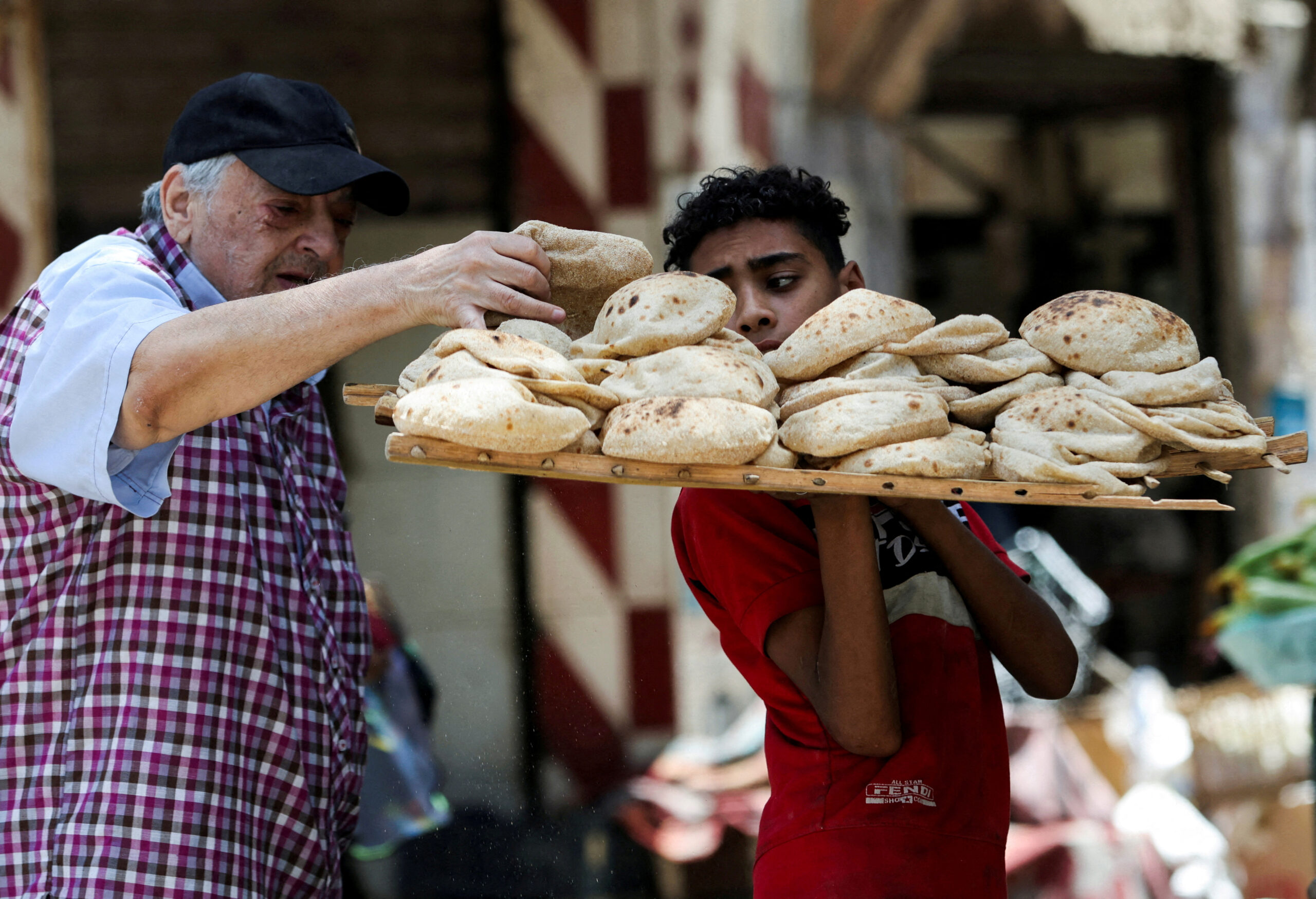
The government accordingly cut back in-kind subsidies for several strategic commodities in 2014, compounding the cuts in recent months to raise the cost of bread, energy and electricity, in line with International Monetary Fund recommendations under its ongoing $8 billion loan program. Around 70 million people still benefit from subsidized bread.
At the same time as the in-kind subsidies are rolled back, a cash support system based on food stamps and ration cards has gradually been introduced. Over 60 million people can now buy staples like pasta, vegetable oil and sugar at discounted prices via the cards.
The government also began to introduce cash-transfer support in 2015, in cooperation with the International Bank for Reconstruction and Development, via the financial aid programs Takaful (Solidarity) and Karama (Dignity).
A household or family eligible for Takaful and Karama receives a pension of LE826.56, while the elderly and people with disabilities receive a LE743.91 pension.
Open questions around cash support: Eligibility and inflation
Salma Hussein, an independent researcher specializing in social and economic justice, told Mada Masr that cash support can help low-income households have more control over their spending. She explained that “what is meant with cash support is for the poor to take money and spend it on things that suit their taste and needs.”
The problem with cash-support emerges in the method used to target the most vulnerable populations, she continued. “The fact that we give cash support according to a statistical calculation can result in a very limited number of the poor being beneficiaries, and the rest are excluded from the support.”
Hussein adds that an analysis of worldwide statistics shows us that half of those eligible for cash-transfer support were excluded from the system, and that nearly 25 percent of those who receive the support are not eligible, explaining that it is a result of an automated process.
The existing process for vetting eligibility for the cash-based programs in Egypt was announced by the government at the end of 2016 based on criteria set by the Supply Ministry, and allowed the state to reduce the overall cost of food subsidies by reducing the number of beneficiaries.
In a televised interview with Extra News TV Channel, Supply Minister Sherif Farouk acknowledged on Monday the flaws in distributing cash via a database system and the injustices it can lead to, adding that the government’s aim is for the support “to go to those who need it most.”
The minister suggested cash support could be implemented in “new and different ways and forms.”
While delivering his pitch favoring cash support, the supply minister said that it can be a limited or full support system, which he said will be determined by the database and “the state’s capacity to respond.”
Cash support can have positive economic impacts. The cash-based system, when implemented, was one whereby subsidy beneficiaries are, for the first time, turned into market consumers who make choices according to their needs and preferences, according to a 2017 World Bank report co-authored by Shireen al-Shawarbi, , an economics professor at Cairo University who used to be the former finance minister’s assistant for economic justice, and Mostafa Abdallah, a health consultant at the World Bank.
Osama Diab, a researcher on development and economic rights previously told Mada Masr that according to the neoliberal viewpoint, cash support is capable of revitalizing the market by providing more liquidity, which is more likely to boost consumption.
But this brings up other issues, Hussein highlights, as well as promoting spending, cash support programs also make the public more vulnerable to phenomena like inflation which are rampant in Egypt’s market.
Supply cards are similar to vouchers the supply ministry offers to eligible citizens to receive key food staples at below-market prices, including bread, rice, pasta and cooking oil at ration outlets, at a maximum of four family members per card.
In the case of rampant inflation, the purchasing power of supply cards is negatively affected, impacting the number of food staples a household can buy, due to the erosion of the cash value they receive from the government compared to rising prices, Hussein explained.
“In a moment of high inflation, the Egyptian pound effectively loses its value: if tomatoes cost LE15 today, they could cost LE30 tomorrow, and if cash support is offered at a value of LE30, I will buy 1 instead of 2 kilos of tomatoes.”
Egyptians have weathered high inflation for the past two years amid an economic crisis, with rates reaching a record high of 38 percent in September 2023 and spiking again in recent months following additional subsidy cuts.
As part of a social protection package launched by President Abdel Fattah al-Sisi earlier this year, LE5.5 billion were allocated for a 15 percent increase in payouts for those who qualify for the Takaful and Karama program. The president also included Takaful and Karama beneficiaries to the new comprehensive health insurance system in September.
Hussein noted, however, the increase did not keep pace with inflation that was over 30 percent year-on-year. She adds that the real value of the programs is receding, and that even if the government is expanding the number of beneficiaries, the value of support has declined.
“When we look at the numbers we find that the government is lifting its hands, that the social benefits provided by the state from the taxes and loans it received are not expanding, they are either stable or declining.”
The supply minister also pointed to the issue of inflation during the interview, stating that amid a “double-digit inflation,” cash support will be difficult to offer, adding that inflation will therefore be calculated on a number of available commodities that the government is currently applying tightened control over.
For Hussein, a more holistic approach to social protection is more beneficial to households, a mix of in-kind subsidies and cash-based support.
“When we talk about poverty and how to help the poor, it is wise to say that, because we are human beings and because our needs and challenges are different, I need to implement multiple systems in order to cover all kinds of poverty and try to repel them,” the researcher said.
Poverty as a phenomenon should not be approached as a simple dichotomy, she explained. “I should never put myself in a position to ask the question of either or, I should instead create several systems to protect people from different threats.”
A push from the government
Yet the government seems set on moving toward cash support.
Farouk, in his television interview, favored cash support over subsidies when it comes to market price regulation. “In-kind subsidies pave the way, in different manners, toward the black market,” he said.
Amid a foreign currency shortage and looming debt repayments, the government tightened conditions for imports in 2022, sending prices up nationwide. It increased prices for a number of subsidized goods at the same time, fearing that a wide margin could fuel a black market whereby goods available via the subsidy program are resold at marked up prices.
With cash-based support, Farouk argued, ration cards will be expanded for citizens to buy what they need, controlling the rhythm of the market “so that the citizen does not fall prey to the merchant.” In his televised statements, Farouk stressed on multiple occasions that the “state is not lifting its hands” when it comes to social benefits.
Prime Minister Mostafa Madbuly, too, reintroduced the benefits of cash-based support to the public during a press conference announcing the gradual lift of energy and electricity subsidies until the end of 2025.
In its new policy prescription, the IMF has urged the government to rein in “unaffordable energy subsidies” and redirect expenses to targeted social support for the vulnerable.
Madbuly’s comments underscored the government’s continued commitment to the austerity program Egypt has adhered to since 2014, which has been marked by demands to cut its budget deficit via subsidy reform and asset sales.
With the National Dialogue’s economic axis set to begin soon, Farouk said that the idea is now at a “flexible stage” that allows opinions and vision to the program.
However, he said that the cash support system will be rigid and will not allow any evasion when or if it is fully implemented, expressing “his wishes” for the implementation to take place with the new state budget.
And officials have already taken concrete steps toward the transition, with a source in the Dialogue’s Board of Trustees telling Mada Masr on Wednesday that the supply and international cooperation ministries are forming the transition plan to cash support, from its goals to its later technical implementation.
The Board of Trustees source, along with two others, said not to place big hopes on the impact of the dialogue’s outcomes on the government's plan, noting that the latter will move forward with the implementation of cash-based support nevertheless.
A source who is to attend the sessions on cash support previously told Mada on condition of anonymity that the government is already moving forward with the shift to a cash-based policy, while a member of the Dialogue’s Board of Trustees said the choice will be subject to the balance of power, adding that they “can only give everyone the opportunity to express their opinions.”
Thursday is the final day for citizens to submit their suggestions to the forum before the sessions take place.
أخبار ذات صلة
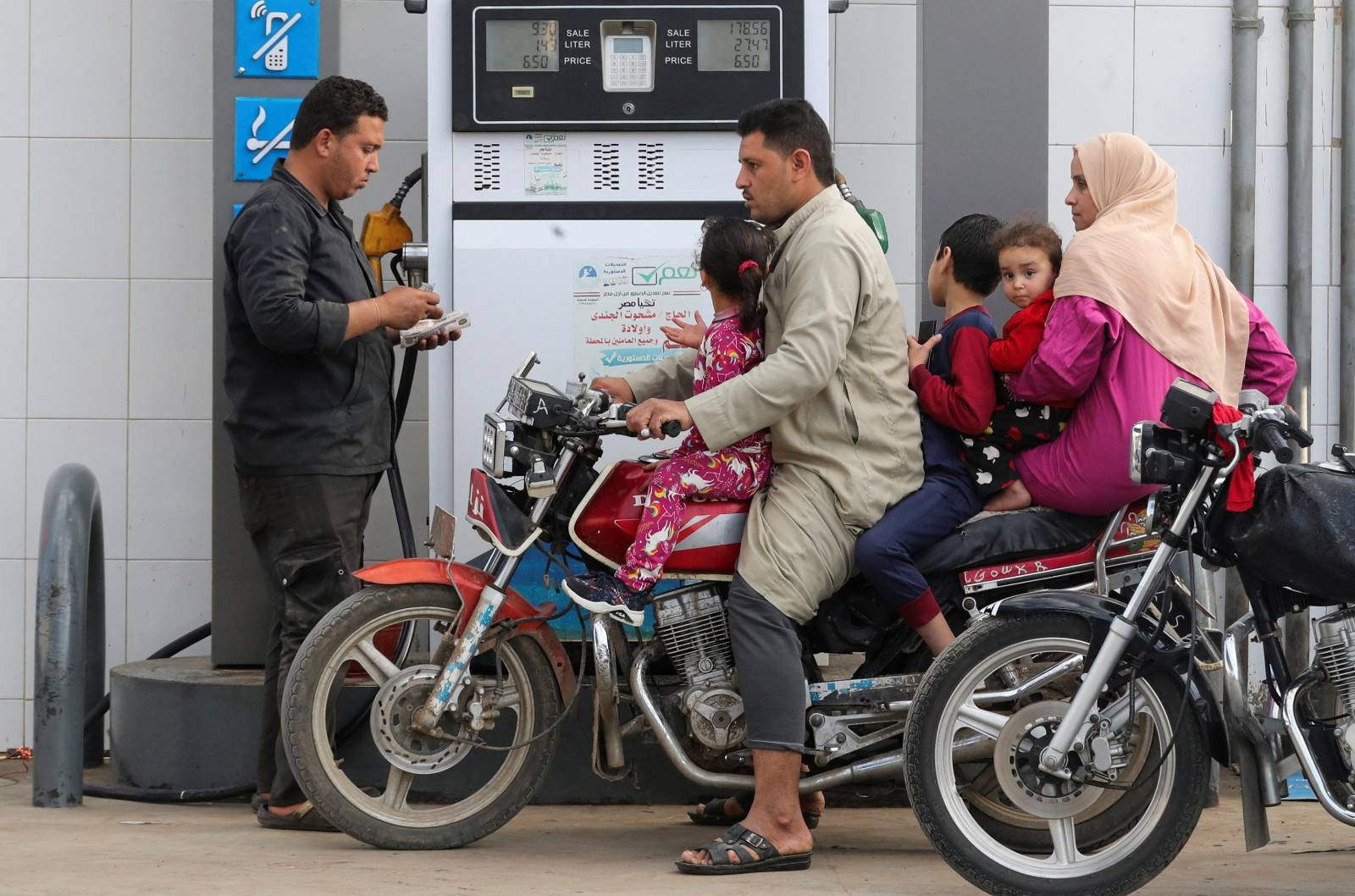
Egypt’s new budget: Electricity subsidies boosted by 2900% alongside slashes to fuel subsidies
The Egyptian government plans to cut spending on fuel subsidies by more than 51 percent, a Cabinet statement on the draft budget…
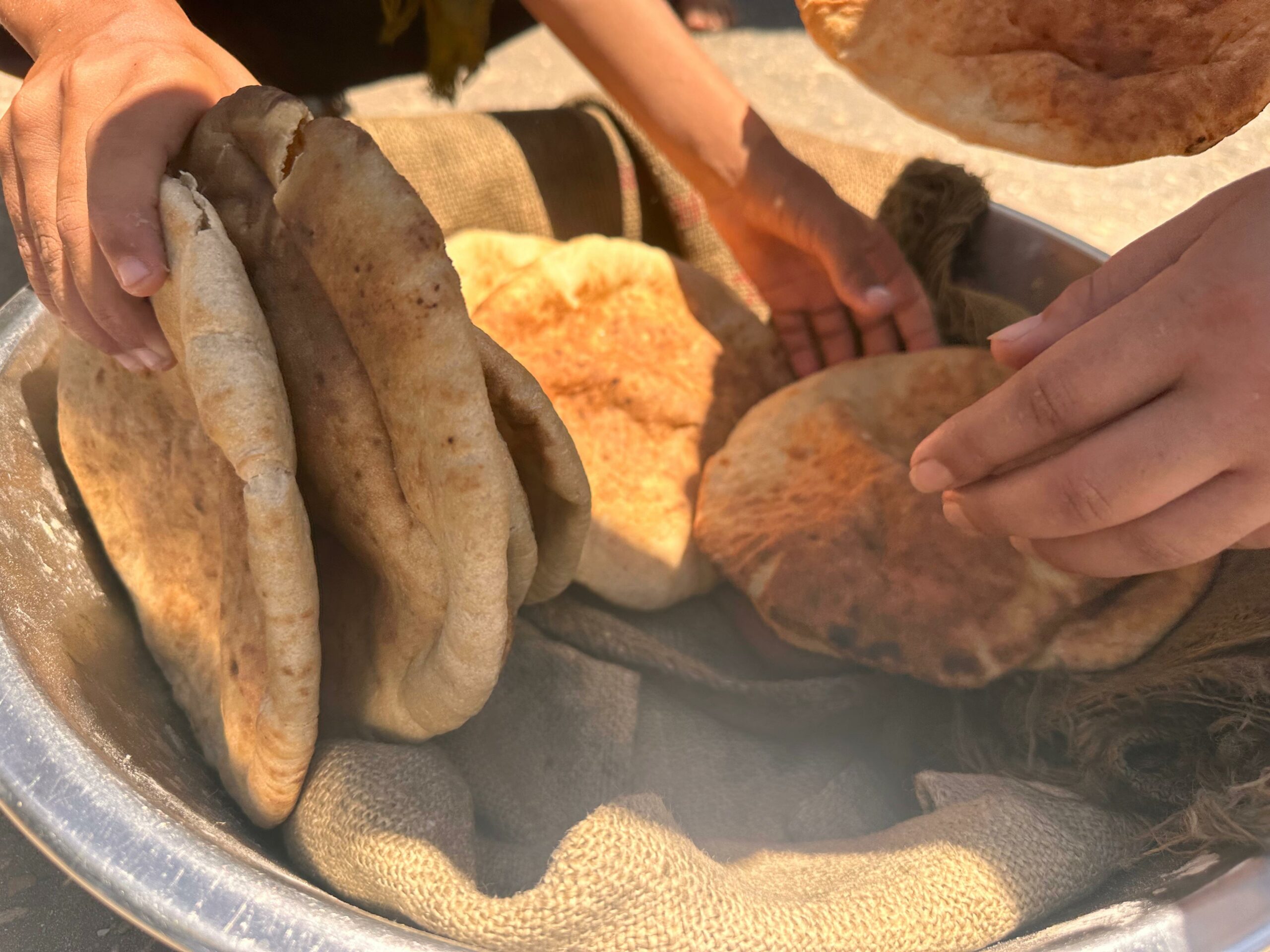
Egypt launches program to fortify subsidized bread against iron deficiency
A source in the Supply Ministry said that the fortified bread will be distributed in 13 governorates
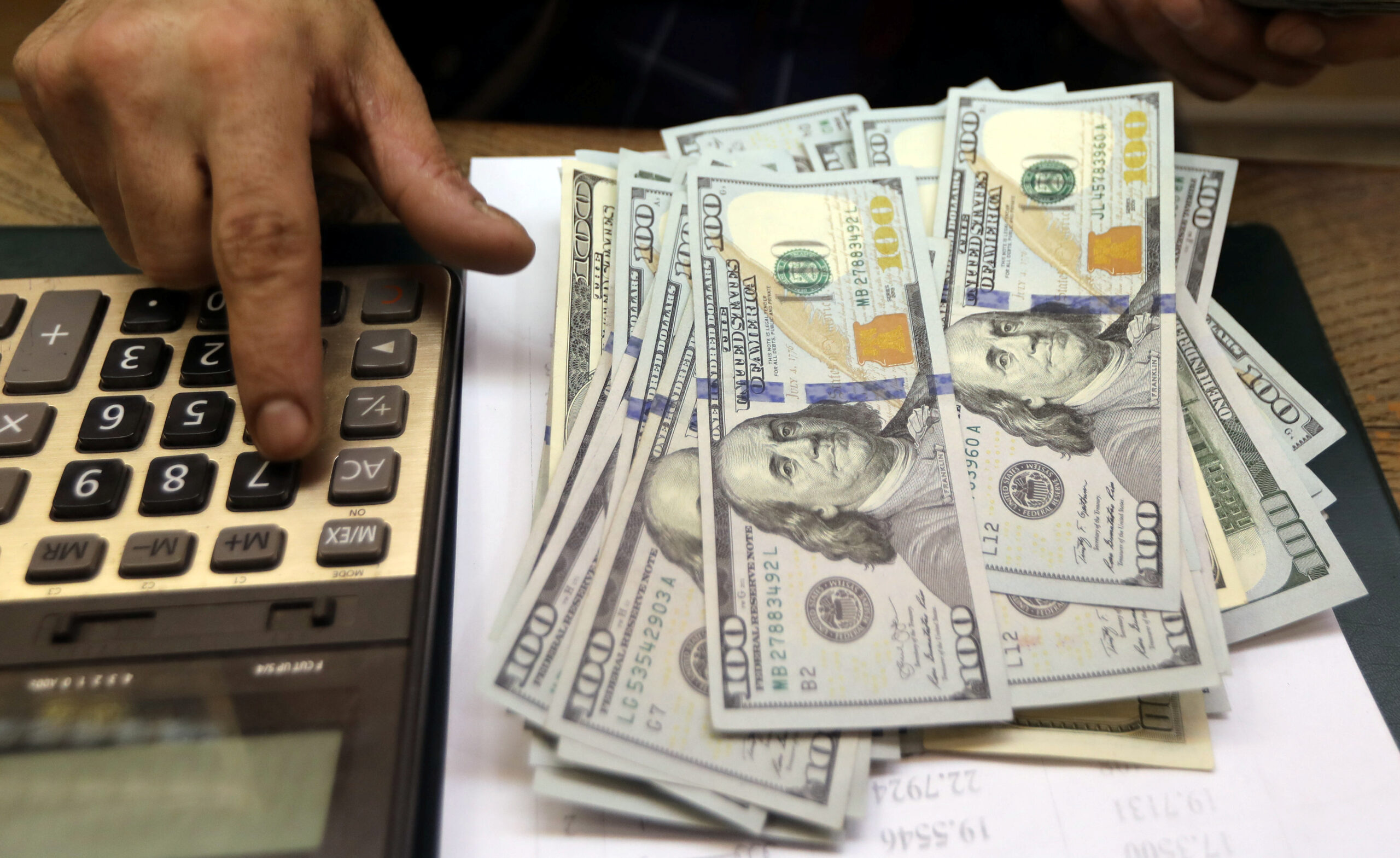
Exporters seek to reverse govt plans to condition subsidies on conversion of revenues into Egyptian pounds
Export councils are seeking a meeting with Prime Minister Mostafa Madbuly within the next two weeks to push against the implementation of…
Supply Ministry introduces new penalties for bakeries, mills amid changes to bread subsidy system
Supply Minister Sherif Farouk imposed new regulations on the production of subsidized bread this week, introducing fines for bakeries and mills found…
Your support is the only way to ensure independent, progressive journalism survives.
You have a right to access accurate information, be stimulated by innovative and nuanced reporting, and be moved by compelling storytelling. Subscribe now to become part of the growing community of members who help us maintain our editorial independence.
Join us