
The weeks of dispute around reforms to the Criminal Procedures Code

Amid an ongoing political conversation around the use and abuse of remand detention to hold political detainees, legislators have dusted off a previously shelved draft bill to amend articles of the Criminal Procedures Code.
MPs in the relevant subcommittee in the House of Representatives broke their recess this summer to start discussing the bill, bringing the amendments back to the forefront of the legislative scene. The draft’s putative aim was to put limitations on the use of remand detention by investigative authorities, and to shorten the period for which people could be kept in remand.
Around the same time, the National Dialogue was submitting detailed recommendations to the presidency for an intervention to prevent authorities using remand detention as a punitive measure against political detainees.
However, lawyer and journalist syndicates, judges and rights groups have come out in opposition to the draft bill, saying that what was presented as positive change will actually expand the special powers already given for the past years to security and judicial apparatuses to arrest, try and detain people.
Regardless of the outcry against the bill, the draft passed committee stage and is due to be discussed today, Sunday, by legislators in the House's general session due to convene in Cairo.
Prior to the discussion, Mada Masr presents a walkthrough of the controversy surrounding the changes.
2017: The bill does not move forward when it is first introduced, as critics warned that it could codify encroachments on defendants’ rights.
July 27, 2024: The draft law is suddenly back on the table, as legislators in the Constitutional and Legislative Affairs Committee announced plans to discuss the draft during the House recess.
The step is publicized by officials and in the media as aimed at minimizing remand detention periods and finding alternatives to remand detention all together, taking into account “Egypt’s international commitments to human rights.”
This happens on the same day as parliamentarians, former detainees, journalists and criminal law experts meet for the first National Dialogue session to generate recommendations to change how remand detention is used — apparently to the same end.
Questions arise around whether the two efforts are happening collaboratively. Soon, it is clarified that they are independent of one another, with the recommendations of the National Dialogue intended to provide a critique of the current legal situation ahead of the law’s amendment.
August 20: The House Constitutional and Legislative Affairs Committee’s discussions of the draft bill begin.
August 21: The National Dialogue recommendations receive President Abdel Fattah al-Sisi’s approval.
Instead of any fast-tracked action, however, Prime Minister Mostafa Madbuly says they are to be referred by the government to the House of Representatives.
Criticism of the bill from rights groups arrives quickly, with the Arab Center for Independence of Judiciary and Legal Profession calling out the detention limits introduced in the draft as pointless as long as the anti-terrorism law remains in operation, particularly the articles that allow judicial authorities to override limits on remand detention, along with other procedures, in the code. Political detainees are often investigated on terrorism charges, extending the periods for which they are held.
August 26: A major intervention: A statement from the Lawyers Syndicate signed by all governorate branches openly criticizes the draft bill, accusing it of including unconstitutional articles that expand the powers of arrest, investigation and prosecution at the expense of the rights of defendants. The syndicate promised to send its own detailed proposal for amending the draft bill to the House committee.
The statement also called out the lack of community debate around the bill, including among lawyers, judges, law professors and rights groups, and review by the Senate before it went to the House.
August 27: Members of the House Constitutional and Legislative Affairs Committee do not take this silently, attacking the statement as full of mistakes and as coming from people who have not read the draft, and saying the statement implies the MPs are ignorant of the Constitution.
August 28: A statement from the Journalists Syndicate’s freedoms committee expresses solidarity with the Lawyers Syndicate statement and warns of vague articles in the draft bill that may prevent journalists from covering lawsuits and court sessions. It also calls on the House committee to slow down the discussion of the draft bill discussion and allow community dialogue first.
September 2: Lawyers Syndicate chair Abdel Hameed Allam attends a closed meeting with the House committee. Afterward, Allam uses softer and more apologetic language in his comments to state media about the draft bill and the beginning of the House committee’s discussion, even saying that some of the syndicate’s proposals were approved.
September 11: The fight does not stop. The Journalists Syndicate holds a press conference to declare its rejection of the draft bill. The conference presents a paper put together by three lawyers: Ahmed Ragheb and Negad al-Borai, who both hold positions in the National Dialogue, and Mohamed al-Baqer, who was involved in the dialogue recommendations on remand detention.
In the paper, which Mada Masr reviewed, the lawyers state that the bill contradicts many articles of the Constitution and the International Covenant on Civil and Political Rights; that it walks back on all dialogue recommendations regarding remand detention; and that it expands judicial and police powers at the expense of citizens’ freedoms.
But after some adjustments to the bill to ensure it does not prevent journalists from reporting on court cases or allow questioning of defendants without legal representation, the House committee approves the draft bill on the same day anyway.
The committee also puts forward a harsh attack on Journalists Syndicate chair Khaled al-Balshy, dismissing his criticism of the draft bill as “deliberate falsehood” meant to agitate the public and “coming from people who hide behind the wall of freedom of expression.”
By contrast, the House committee and the Lawyers Syndicate chair heap praise on each other for the latter’s participation in the committee discussions.
September 12: The Judges Club declares its opposition to the draft bill for the first time on Thursday, saying the House committee approved some articles that judges are oppoing “in order to preserve the independence of the judiciary and guarantee the rights of litigants.”
On the same day, a joint statement by NGOs and lawyers declares their complete rejection of any legislation regarding criminal procedures “in which the Egyptian civil society forces, headed by the Lawyers Syndicate, which is represented by its General Assembly, did not participate.” The statement calls for forming “the largest possible front of lawyers, journalists, MPs, political parties and movements, public figures, unions, and whoever join from among the citizens to defend a single demand, which is to withdraw this disastrous bill and stop discussing it.”
September 15: The National Dialogue’s board of trustees comes out with a softer statement, praising the amendments related to remand detention in the draft bill while noting that some of its recommendations were not taken into account and will be raised again to the presidency.
October 1: The House of Representatives convenes for the start of its fifth and final legislative session. House Speaker Hanafy Gebaly refers the draft bill to a joint committee of the Constitutional and Legislative Affairs Committee and the Human Rights Committee.
October 22: The subcommittee completes its discussion and report of the draft law, ready for discussion in the session.
November 3: The House assembles its general session to discuss the bill.
أخبار ذات صلة
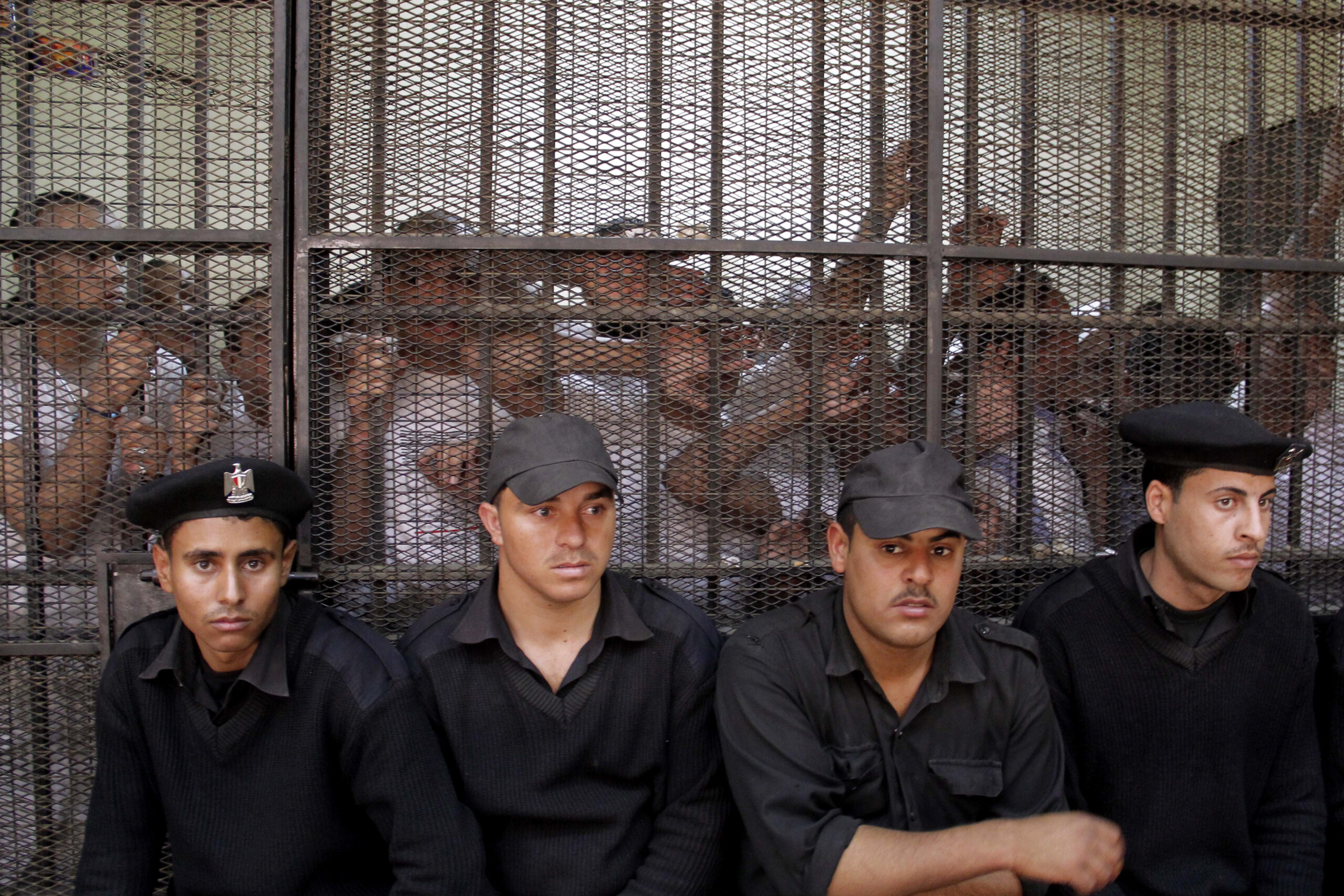
Reformist push fails to break through undercurrent of security concerns dominating rewrite of criminal procedures law
The law passed with minor changes despite calls for stronger safeguards
Critics warn govt edits to criminal procedures bill ‘violate Constitution,’ erode right to defense
"The fact that the Public Prosecution can interrogate defendants without a lawyer present constitutes a violation of the Constitution,” MP Maha Abdel…
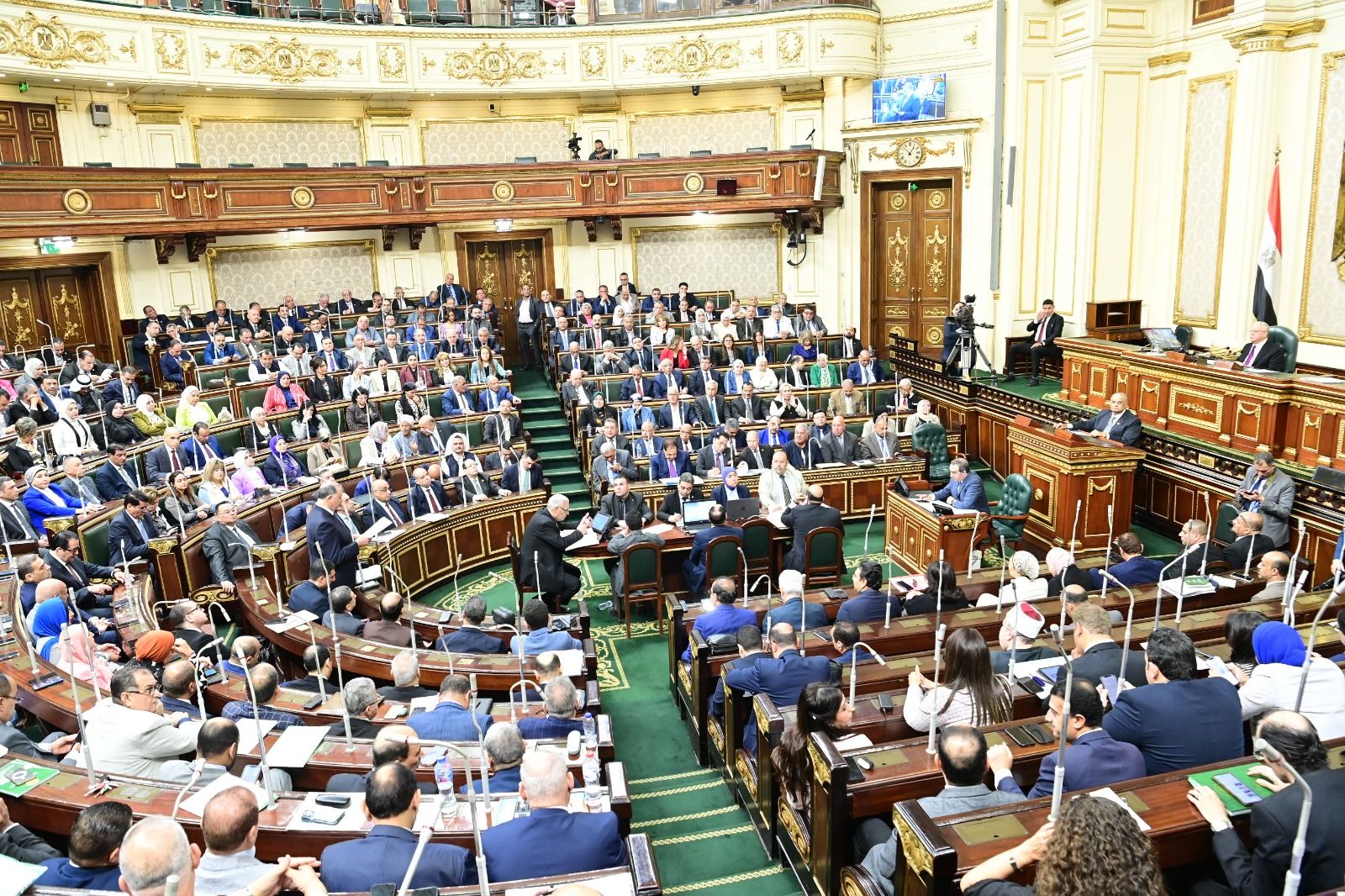
Sisi returns criminal procedures bill to Parliament in rare reversal
In a rare reversal, President Abdel Fattah al-Sisi returned a draft law on criminal investigation and trial process to the House of…
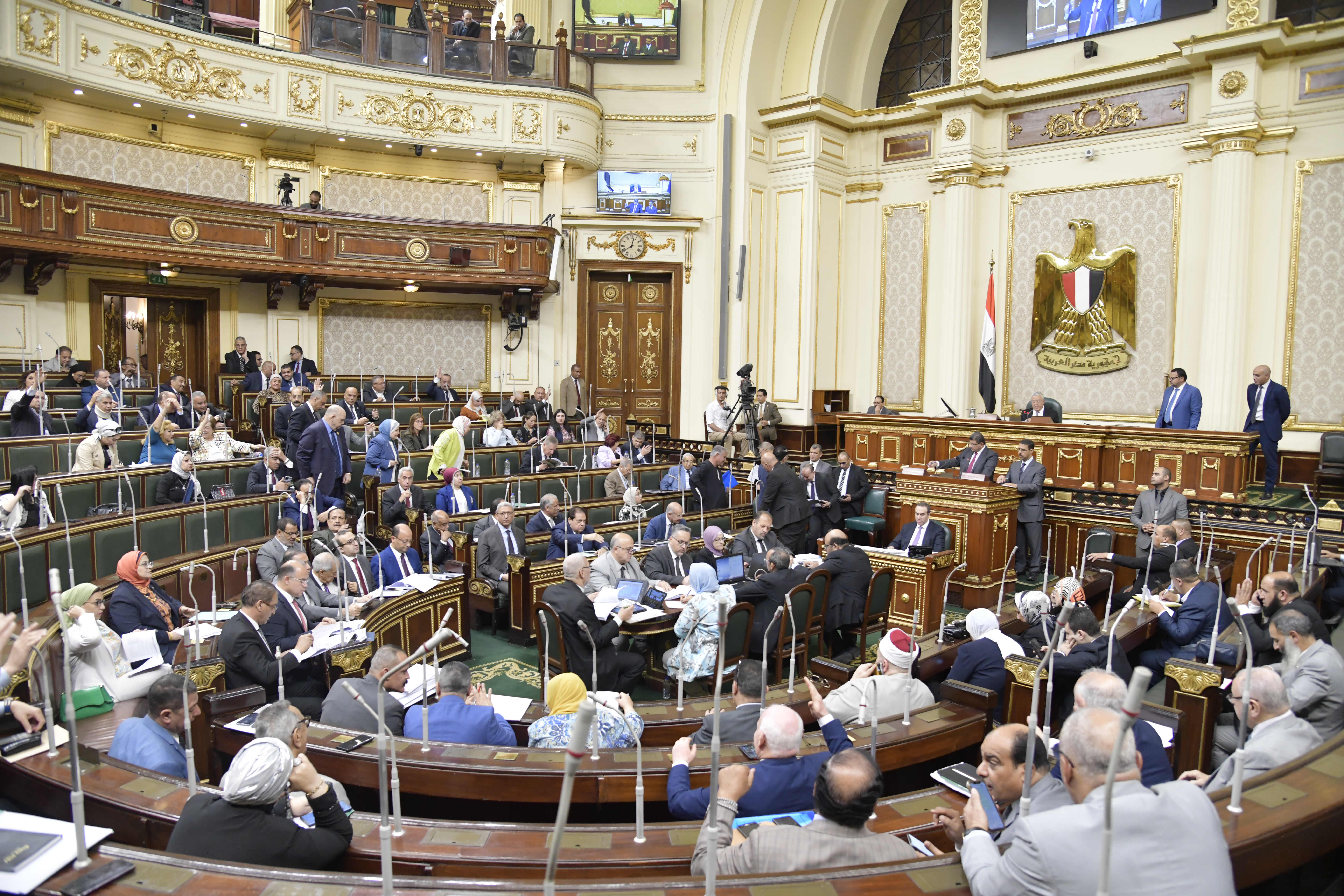
House approves new Criminal Procedures Law, codifying ‘violations’ despite widespread opposition
The House of Representatives approved the new Criminal Procedures Code on Tuesday, marking an end to months of controversy around the foundational…
Your support is the only way to ensure independent, progressive journalism survives.
You have a right to access accurate information, be stimulated by innovative and nuanced reporting, and be moved by compelling storytelling. Subscribe now to become part of the growing community of members who help us maintain our editorial independence.
Join us