
Lebanese protesters fire back at ‘sexist’ Egyptian observers
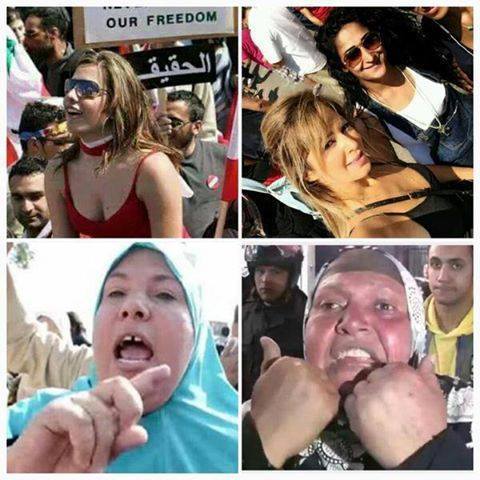
After the recent protests broke out in Lebanon, several Egyptian commentators have directed their analysis toward the beauty of the Lebanese women who have taken to the street, and in particular their revealing clothing. Lebanese activists are now firing back, decrying such comments as sexist and unhelpful to the movement.
A garbage collection crisis last week triggered the protest movement, which demands the resignation of the government under the slogan, “You stink.” The marches have escalated into violent clashes with police forces, resulting in injuries and arrests.
But instead of questioning the politics of the protests or the ensuing violence, images of demonstrating Lebanese women have become the object of focus for the majority of Egyptian commentators on social media.
Social media users have compared images of women protesting in Lebanon and Egypt, joking that they would do anything to join the Lebanese protests. This angle has even bled over into mainstream media coverage. The privately owned Youm7 news site, for instance, posted pictures of female protesters on its Facebook page with the caption, “Lebanon’s beauties set the ‘You Stink’ protests on fire.”
Ali Latifa Fakhry, a Lebanese activist, criticized the Egyptian reactions in a Facebook post. After the Lebanese people held sit-ins in solidarity with Egyptians in 2011 and celebrated their triumph as their own, this reaction to the Lebanese movement comes as a great disappointment, he said.
“Today, the majority of the Egyptian people on social media are making a joke out of the revolution taking place in Lebanon, which could lead to the change of the corrupt Lebanese regime — and a sexist, racist and unfunny joke at that,” he wrote.
Fakhry points to the gravity of the situation, saying that people are getting arrested and injured while Egyptians are only focused on what the Lebanese people wear and how they talk.
Esmat Samira, who has participated in the protests, posted a video responding to the comments. She starts by reiterating the Egyptian remarks, including some calling the movement “a revolution in swimming suits.” She says that the narrow focus of the Arab, and especially Egyptian, observers reflects their current political condition after facing difficulties in their own revolts.
The Lebanese are proud that their protests lacked mass sexual assaults, Samira said, and that women have the freedom to wear what they want and not fear harassment.
Her comment alludes to repeated incidents of mass sexual assaults and continuous sexual harassment that plagued Egypt’s protest movement.
Such widespread protests transcending political and religious rifts are unprecedented in Lebanon. Another wave of protests is planned for Saturday.

أخبار ذات صلة
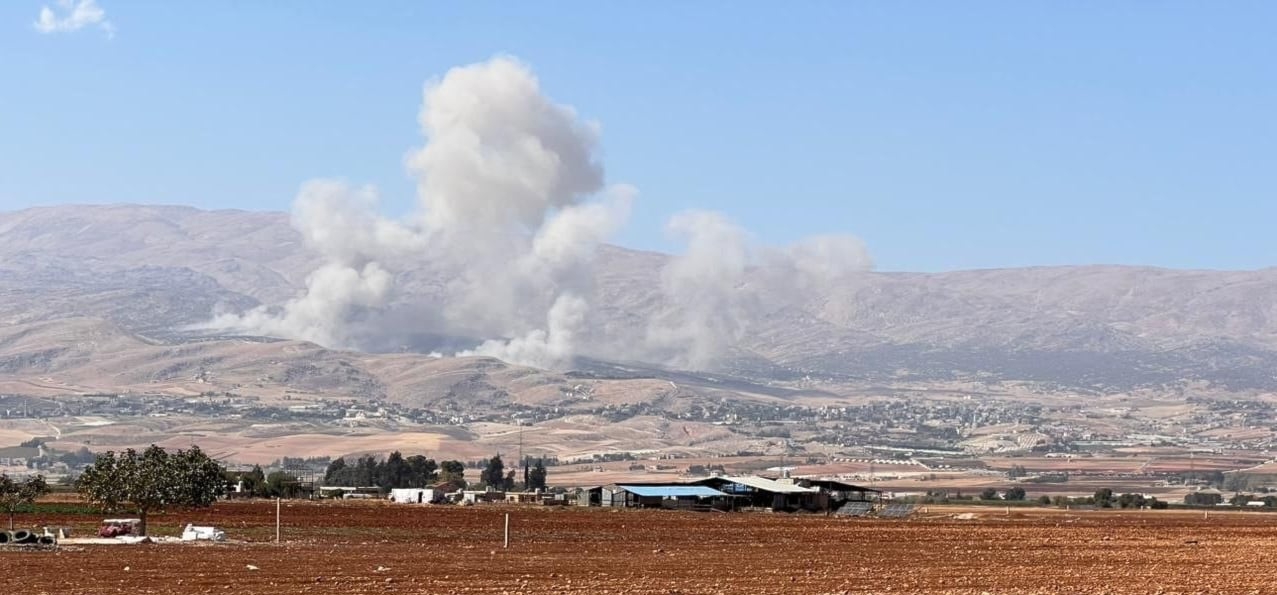
As Israel ramps up strikes on Lebanon, Egypt’s intelligence chief joins international push to de-escalate by kickstarting talks
“Calming the situation in Gaza should reflect positively on the region,” Egypt’s ambassador to Lebanon, Alaa Moussa, told reporters at a press…
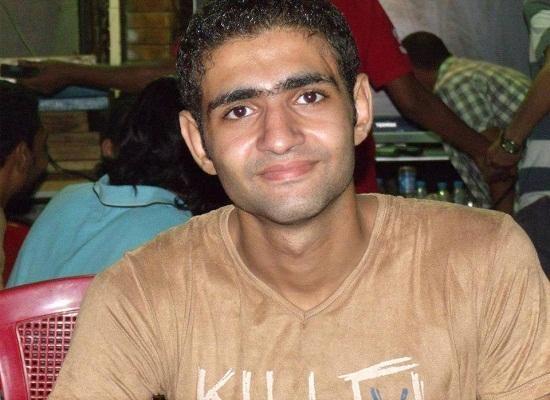
Former Egyptian political prisoner residing in Beirut held for several hours by Lebanese security forces
Lebanese security personnel threatened Tarek with deportation before his release

Cairo on alert to play a role as viable deal emerges for Lebanon-Israel maritime demarcation, say sources
Upcoming elections in both countries over the fall could hamper a timely agreement

Why gas earmarked for Lebanon is not Egyptian
On February 1, Petroleum and Mineral Resources Minister Tarek al-Molla announced that the export of natural gas to Lebanon will begin by the end of the month or mid-March at…
Your support is the only way to ensure independent, progressive journalism survives.
You have a right to access accurate information, be stimulated by innovative and nuanced reporting, and be moved by compelling storytelling. Subscribe now to become part of the growing community of members who help us maintain our editorial independence.
Join us