
Former Egyptian political prisoner residing in Beirut held for several hours by Lebanese security forces
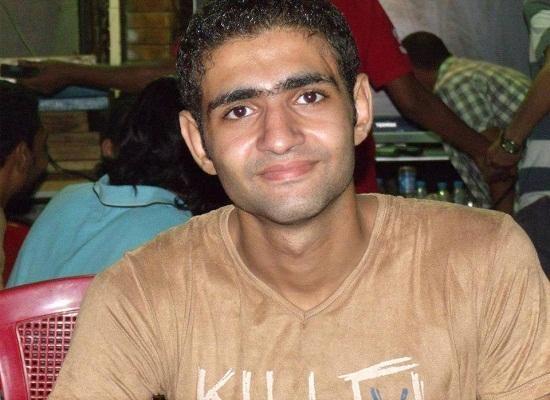
Former political prisoner Abdel Rahman Tarek, known as Mocha, was arrested on Wednesday afternoon by Lebanese authorities in Beirut and held for several hours during which he was questioned about the reasons for his facing security pressure in Egypt and later released the same evening.
Lebanese security personnel threatened Tarek with deportation before his release, according to his sister, Sara, and a source close to Mocha who spoke to Mada Masr on condition of anonymity.
Tarek was taken from his Beirut home at 2 pm on Wednesday and was told to put his clothes in a bag ready for his deportation to Egypt, according to a friend who was speaking to him on the phone at the time of his arrest and who was cited in posts published by Sara on her personal Facebook page.
Tarek was not harmed or mistreated during the hours he spent in detention, said the source close to him. However, he was interrogated without legal representation.
“Mocha spent five to six hours in detention following his arrest from his house, which was searched, though none of his belongings were seized,” the source said.
“The information branch of the Lebanese Internal Security Forces questioned him about why he was causing distress to authorities in Egypt, and whether he was doing anything to provoke them in any way. Mocha condemned this line of questioning,” said the source, who added, quoting Tarek, that intelligence personnel later touched on questions about his movements in Lebanon and whether he had visited Gaza or the Occupied Palestinian Territories, or met with any Israeli nationals.
The source added that Tarek came out of the investigation in a state of physical exhaustion and severe psychological distress, in need of rest.
At the time of his detention, the United Nations Human Special Rapporteur on Human Rights Defenders Mary Lawlor expressed alarm at reports that Tarek was arrested “with no warrant by three men in plainclothes” saying that they “took him by private car to the intelligence branch of internal security in Beirut.”
Tarek was imprisoned in Egypt for almost six years in total beginning in 2016. He was released in June 2022 and traveled in October to Lebanon.
He was first sentenced in 2013 to serve three years in prison after participating in protests against the use of military trials against civilians.
He was arrested again in 2019 and held in remand without trial on charges of “joining a terrorist organization.” Though several court orders for his release were issued the following year, he was held regardless, on the grounds that the prosecution would investigate him for the same charge in a successive series of new cases that manifested and blocked his release.
In recent months, Tarek began writing a series of essays for the Lebanese independent outlet Megaphone that discussed the political and rights situation in Egypt, while he continues to write on Facebook about political prisoners.

أخبار ذات صلة
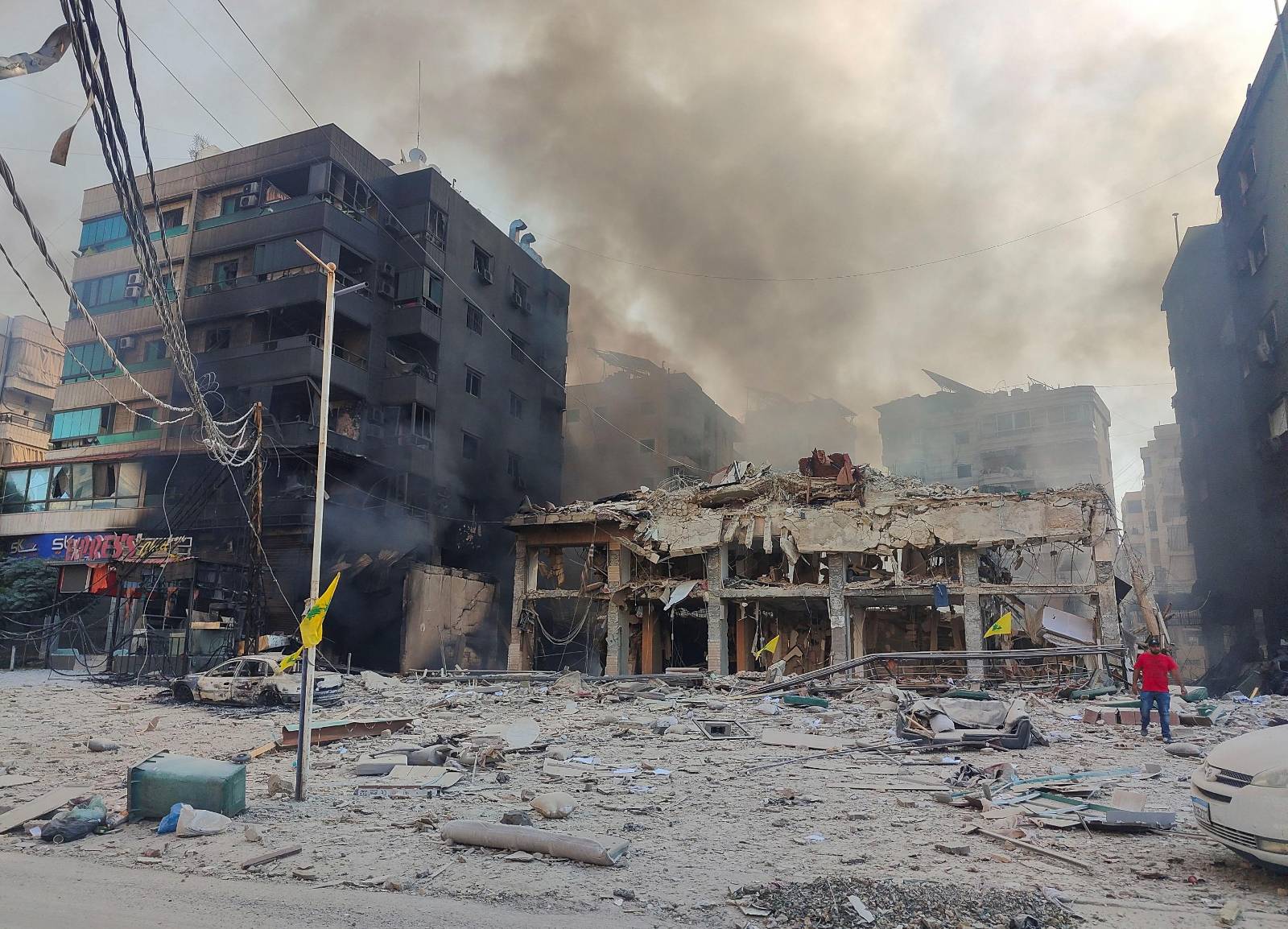
Israel’s overnight bombings raze Beirut buildings | Matarbah crossing strike kills 2 Syrian soldiers | Hezbollah drone hits Akka arms company
Israel continues to conduct extensive airstrikes across Lebanon, as its assault on the country enters its second month. On Saturday night, the…
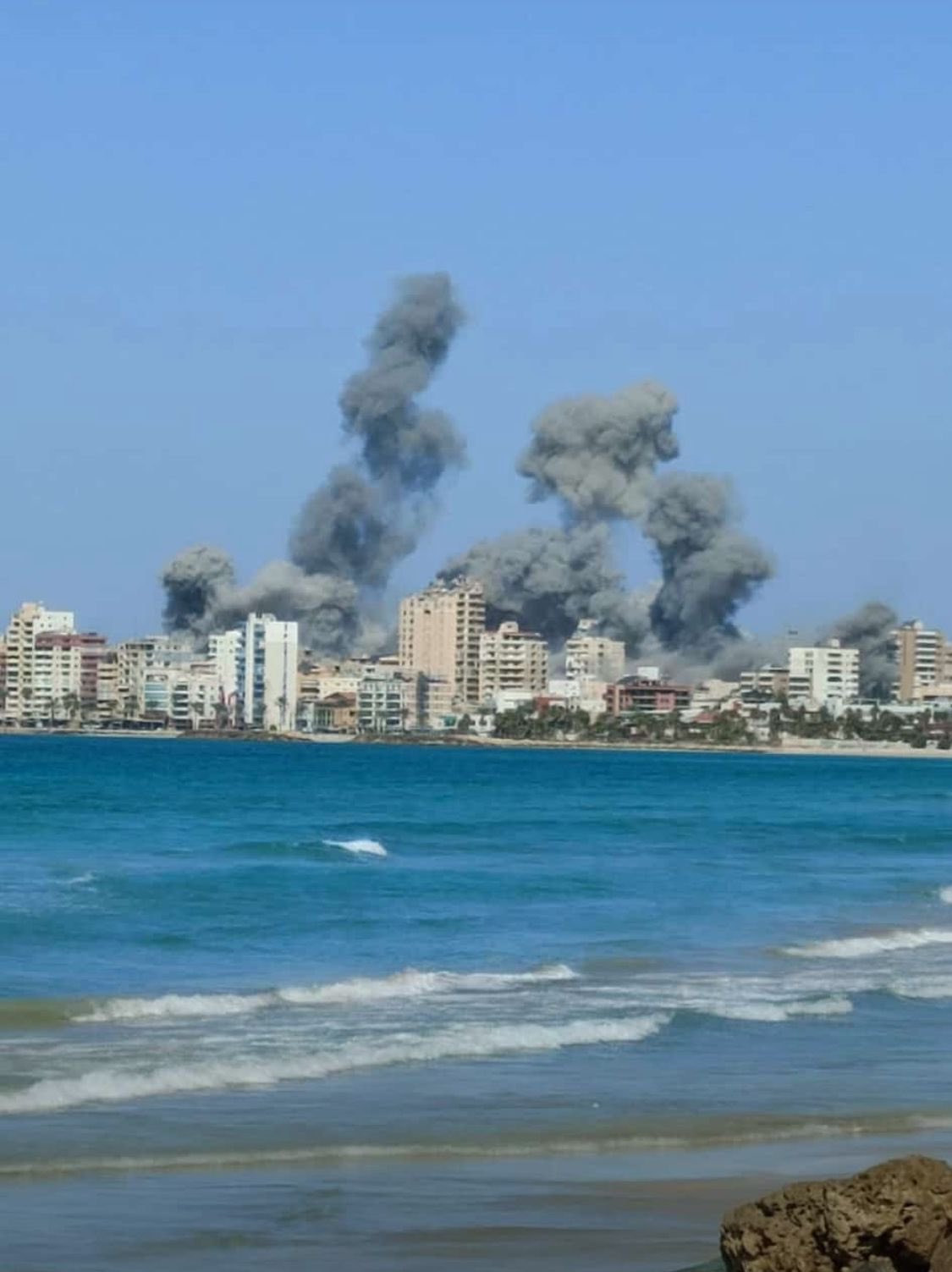
Historic coastal city of Sur becomes new focus of Israeli bombardment on Lebanon
The airstrikes were the first to ever target central areas in Sur, an area full of residents.

Residents describe first hours of Israel’s escalation on Lebanon: ‘I didn’t know it was a terrorist explosion’
Lebanese residents recount the overwhelm that marked the first moments after Tuesday's attack.
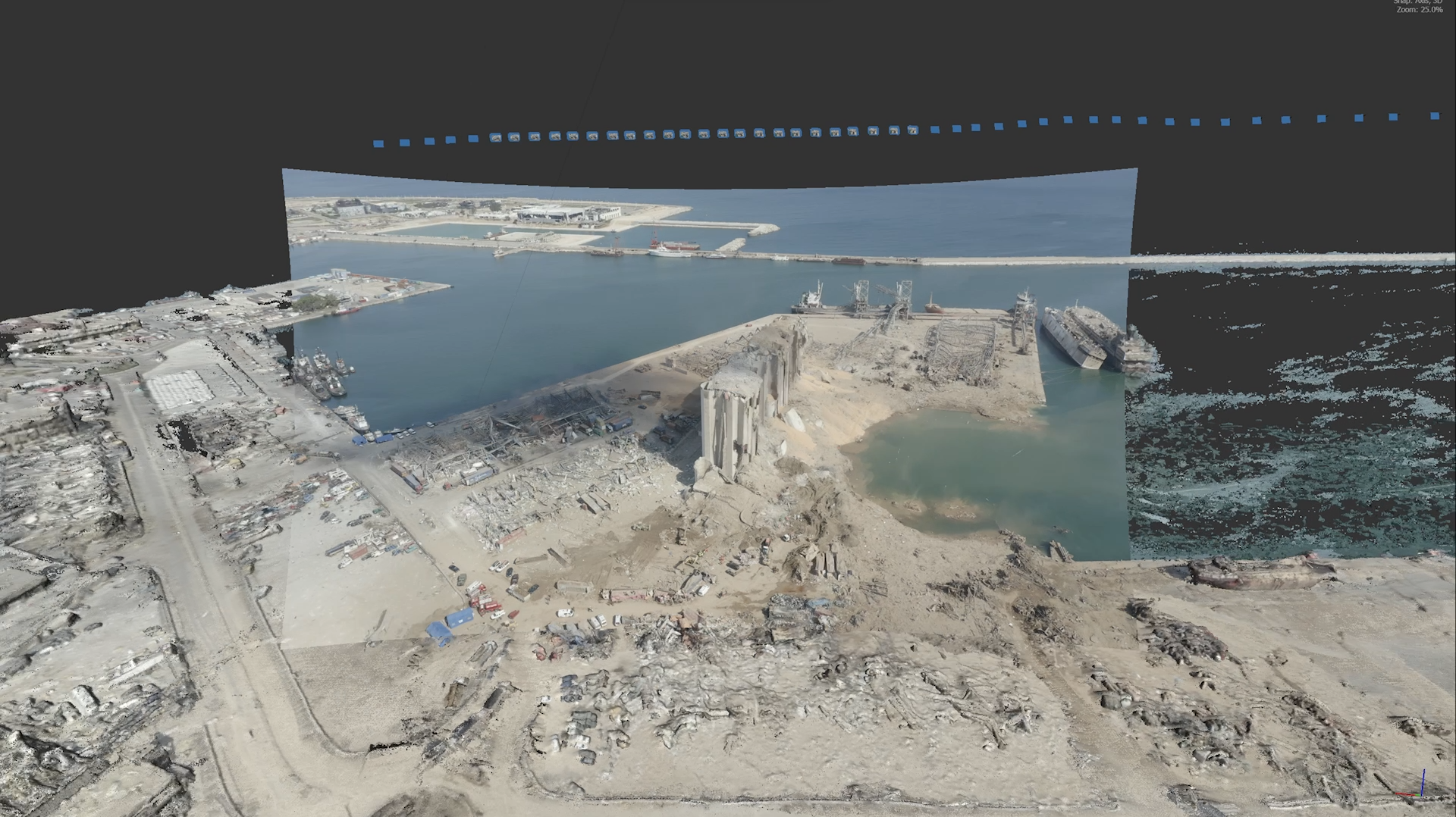
Video | Destruction of destruction: The Beirut Port silos
Febrayer partnered with Forensic Architecture to create a unified narrative of the silo's collapse
Your support is the only way to ensure independent, progressive journalism survives.
You have a right to access accurate information, be stimulated by innovative and nuanced reporting, and be moved by compelling storytelling. Subscribe now to become part of the growing community of members who help us maintain our editorial independence.
Join us