
Hundreds of students reportedly suffer from food poisoning by school meals in 3 governorates ahead of nationwide roll out
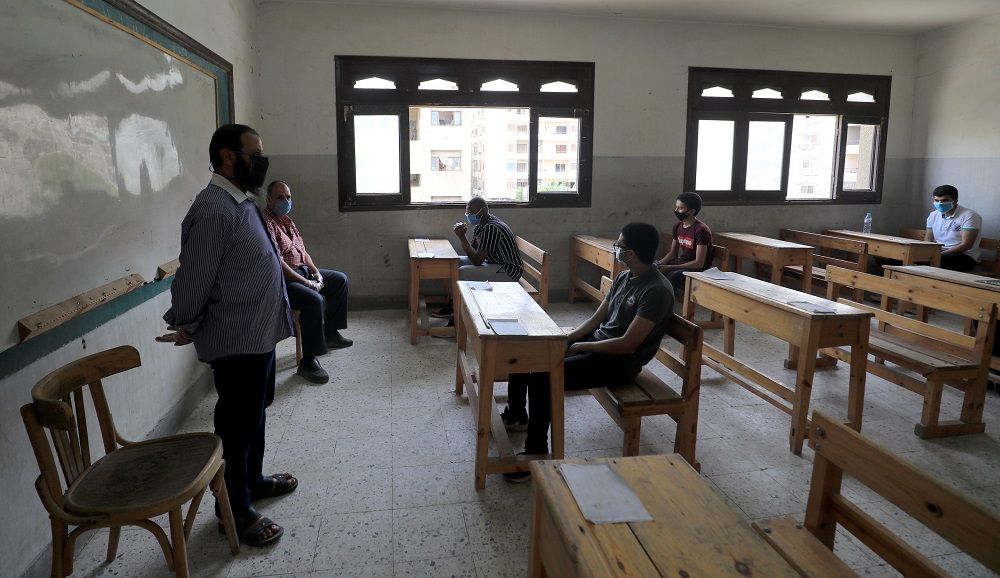
At least 297 students were transferred to hospitals in Qena and Assiut on Tuesday after consuming government-provided school meals, with additional food poisoning cases reported in Kafr al-Sheikh.
The school meals in the three governorates are part of a wider plan to provide students across Egypt with healthy meals, free of charge. The plan was announced on August 3, during the inauguration of the Silo Foods Industrial City, which produces biscuits used in school meals. At the time, President Abdel Fattah al-Sisi stated that the government would raise the price of bread to save and allocate LE8 billion for school meals.
The project, supervised by the Education Ministry, was launched in four governorates on November 1 and expanded to include six more governorates in mid-November. The ministry plans to cover 10 additional governorates by mid-December.
Under the project, each student receives a meal suitable for their age, but the lunches usually include cheese or halawa, bread, flavored milk or juice and a pack of biscuits.
The meal components are not sourced from a single factory, but through a long supply chain, Hussein Mansour, the head of the Egyptian Food Safety Authority, told Mada Masr. The food safety authority is responsible for ensuring that all factories that supply school meal ingredients follow its rules and regulations — a process that includes generating a white list consisting of compliant manufacturers. In order to be placed on the list, factories must meet food safety standards that are tested via unannounced inspections.
In the last edition of the white list, dated October 28, the authority had excluded several factories, such as halawa producer El Rashidi El Mizan, juice and dairy manufacturer Brego For Food Industries and juice company El Koubasy.
Education Minister Tarek Shawky and the governors of Qena, Assiut and Kafr al-Sheikh have yet to clarify if the school meals in the three governorates are sourced from one set of manufacturers, or whether the complaints stem from a specific item in the meal. Though parents of some 50 students who were transferred to Nagaa Hammady Hospital in Qena after suffering from stomach ache and fatigue at Sherket al-Sukkar Primary School said that the ailment occurred after the students drank the juice, without specifying the name of the manufacturer.
According to a source in Nagaa Hammady, who spoke to Mada Masr on condition of anonymity, his family had received a call from the Sherket al-Sukkar Primary School on Tuesday morning, informing them that the schoolchildren had fallen ill. When the family reached the school, ambulances were transporting the students to hospitals. The source said that two of his nephews, one in the second grade and the other in the third grade, had been vomiting and suffering from fatigue and fever. The family took them to Nagaa Hammady Hospital. The facility was crowded with students who were “suspected of having food poisoning,” according to the hospital staff, so the source’s family treated the two children in a private clinic.
More than one school in the area had suspected food poisoning among students, according to two teachers in Nagaa Hamady, who spoke to Mada Masr on condition of anonymity. One of the teachers was at Nagaa Hammady Hospital on Tuesday, where he saw students arrive in batches to the hospital, first from Sherket al-Sukkar Primary School, and later from other primary schools. The students were discharged from the hospital at 3 pm, he told Mada Masr.
Both Qena and Assiut governors have suspended the distribution of school meals, as the Public Prosecution in the two governorates continues to investigate the incident and the central laboratories of the Health Ministry analyze samples of the ingredients the students consumed in Qena, Assiut and Kafr al-Sheikh.
Commenting on the incident, Education Minister Tarek Shawky blamed the Muslim Brotherhood for spreading the food poisonong “rumors.” He also said that students and parents were promised LE500 for alleging poisoning in Assiut. The minister considered that the increase in the number of students transferred by schools to hospitals in the three governorates is a result of “the insinuation [that the meals are contaminated], students imitating each other, and teachers’ fear of being held responsible.”

أخبار ذات صلة
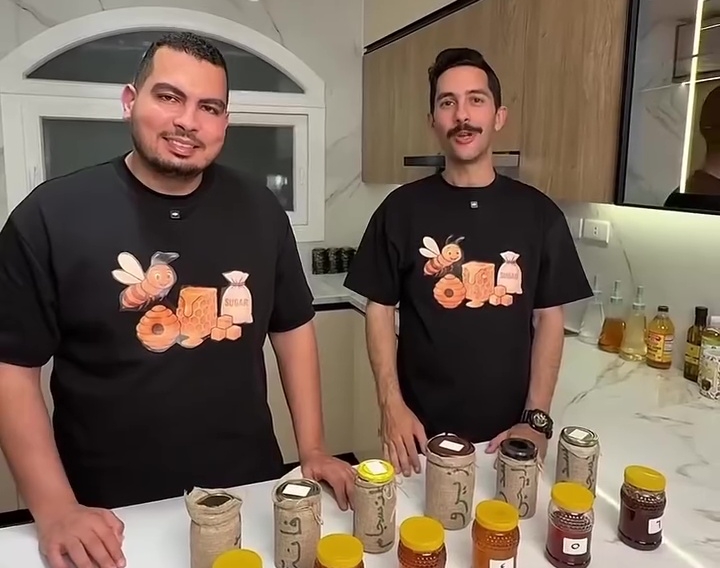
Concerning content: What the arrest of food bloggers uncovers about Egypt’s food safety inspection system
A thumbnail shows content creators Al-Alkilans and Sultanji standing at a kitchen counter top, wearing matching tee-shirts displaying a cartoon bee, a…
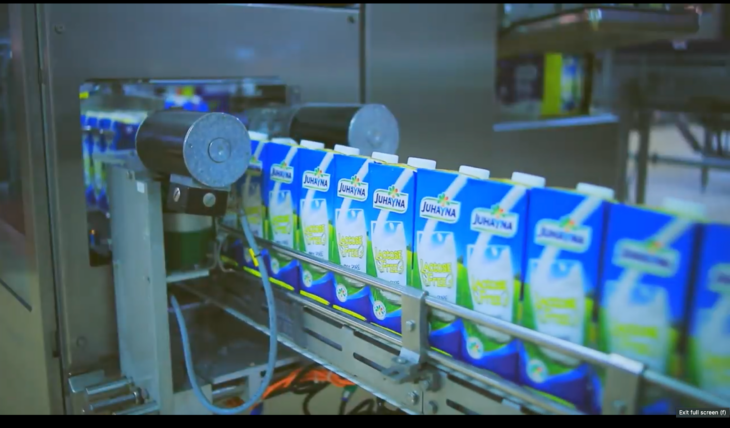
Milk turns sour, cattle sold off as customers tighten purse strings in response to inflation
“What I can do is reduce my production capacity in order to stop the losses.”
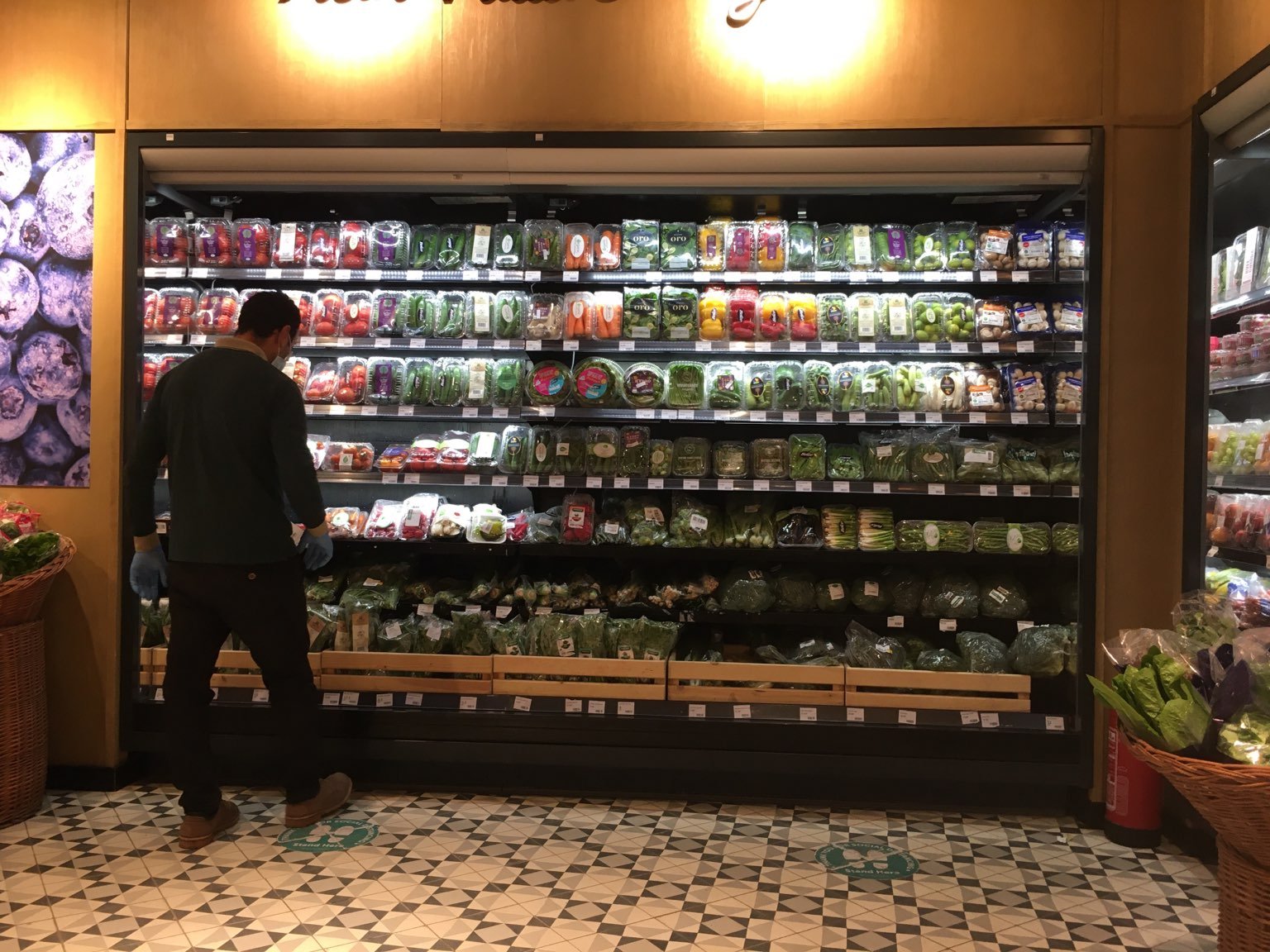
Gourmet: How a high-end food retailer is helping reshape Egypt’s supermarket industry
The company's emergence shows new realities in the consumption and production of food in Egypt
Juhayna struggles on stock market following senior executives’ arrests
The company could be delisted from the Egyptian Exchange
Your support is the only way to ensure independent, progressive journalism survives.
You have a right to access accurate information, be stimulated by innovative and nuanced reporting, and be moved by compelling storytelling. Subscribe now to become part of the growing community of members who help us maintain our editorial independence.
Join us