
Ethiopia’s Abiy Ahmed inaugurates electricity production at GERD

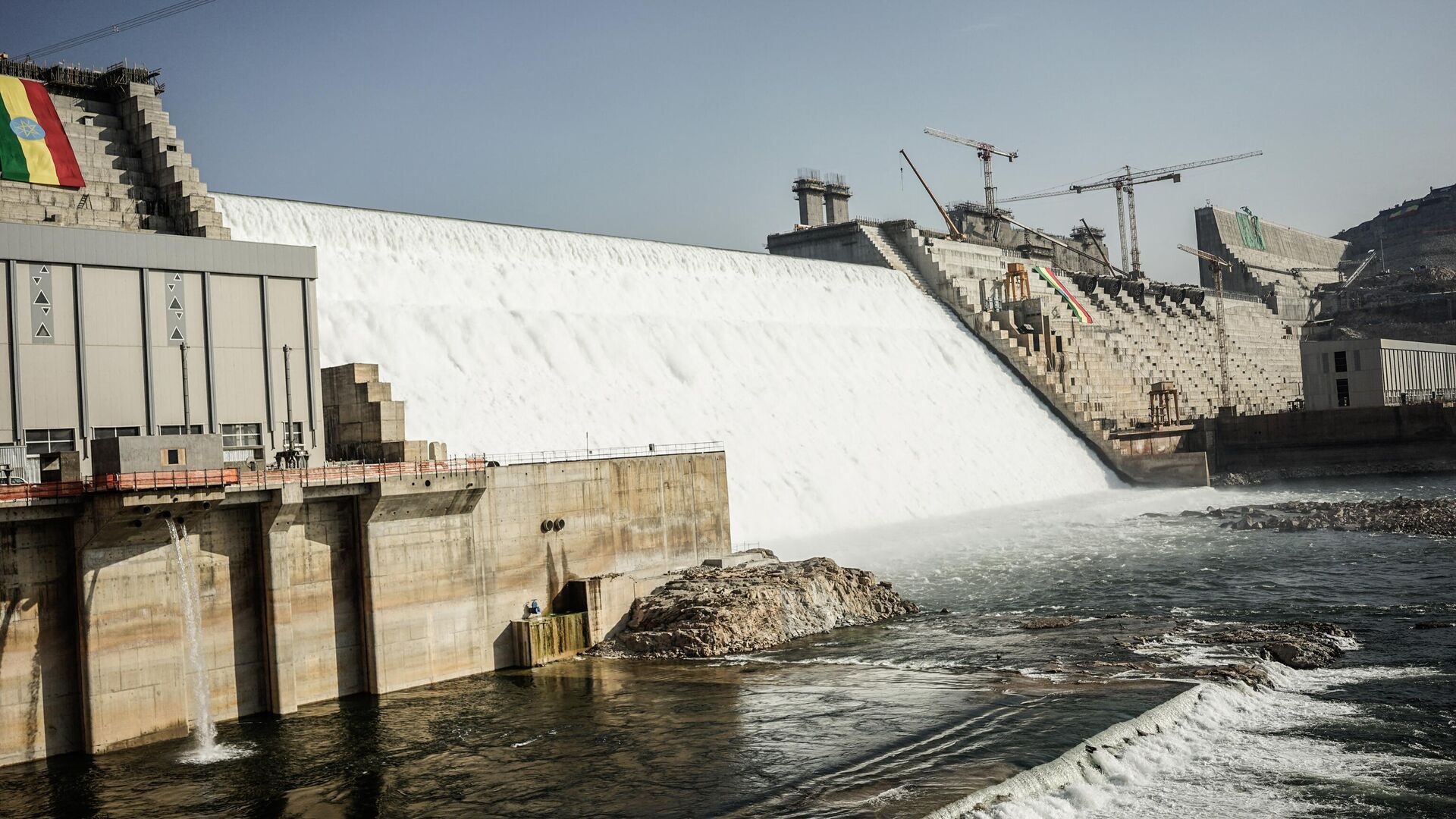
Ethiopian Prime Minister Abiy Ahmed officially began on Sunday the generation of electricity from the country’s mega-dam, which falls on the Blue Nile.
The project is the focal point of a decade-long dispute between Egypt, Sudan and Ethiopia, with Cairo repeatedly citing the Grand Ethiopian Renaissance Dam as a major threat to its domestic water supply, about 97 percent of which flows downstream through Egypt to the Mediterranean from Ethiopia.
In a brief press release, Egypt’s Foreign Ministry stated on Sunday that the use of the dam to generate power is “a further violation by the Ethiopian side of its obligations under the 2015 Declaration of Principles.”
The 2015 agreement saw officials from Addis Ababa, Khartoum and Cairo put pen to paper to agree that none would take action regarding Nile waters that would entail “significant harm” to the others.
Ethiopia’s stance remains that filling the dam’s reservoir over two stages in 2020 and 2021, and now, operating the dam, does not constitute significant harm, while Egypt has contested that it does.
An Egyptian official source speaking to Mada Masr on condition of anonymity in 2020 said that, with the 2015 declaration granting Ethiopia the right to implement projects on the Blue Nile, there is little to prevent it going ahead, and that it would require “serious international pressure,” which they described as “unlikely,” to push a solution through.
Abiy, touring the mega-dam’s power generation station in the company of high-ranking officials on Sunday, pressed buttons said to have initiated electricity production in an official ceremony, Agence France Press reported, citing Ethiopian officials.
Ethiopian state media reported that the dam began on Sunday to generate a capacity of 375 megawatts of electricity from one of its turbines, said AFP. The US$4.2 billion project is ultimately set to generate around 5.2 gigawatts, though it was initially intended to generate around 6.4 gigawatts.
While Ethiopia hopes for the dam to more than double its electricity output, the two downstream countries have repeatedly expressed concern regarding the project’s possible impact on Nile water resources.
Egypt fears that Ethiopia’s unilateral filling of the dam’s reservoir could negatively affect its share of Nile water resources, while Sudan has expressed worries about the impact of the GERD on the pace at which water flows from Ethiopia into dams in Sudan, accusing Addis Ababa of not sharing crucial information regarding the filling of the dam.
As trilateral talks grew increasingly short-tempered after 2015, a short round of negotiations was mediated by the United States in 2020, before the African Union took over mediation. While Cairo and Khartoum’s demands began increasingly in 2021 to crystallize around the formulation of a legally binding agreement on the filling and operation of the dam, the negotiations have hit roadblock after roadblock.
Both countries accuse Ethiopia of refusing a binding deal and have condemned it for unilaterally conducting two fillings of the dam over the past years. Addis Ababa, for its part, has repeatedly rejected the accusations.
But with the outbreak of war in late 2020 between Ethiopia’s federal government and the Ethiopian state of Tigray and the October 2021 coup that has derailed Sudan’s transitional governing structure, talks on the GERD have taken a backseat.

أخبار ذات صلة
Ethiopia unveils 3 new hydropower projects on Nile, stoking concerns in Cairo
Blue Nile Cascade project: An ‘East African energy hub’ or a catalyst for ‘direct confrontation’ on the Nile Fulfilling a decades-long plan…

Sudan Nashra: Somalia enters Sudan-Egypt-Saudi Arabia-Turkey axis | Sudanese, Ethiopian sources: Trump’s GERD initiative could pave way for further talks with Addis Ababa | Western North Darfur operations cross into Chad again | RSF, military press toward major cities in Kordofan
Ambassadors of Sudan, Egypt, Saudi Arabia and Turkey arrived in Somalia’s newly created Northeast State this week to attend the inauguration of…
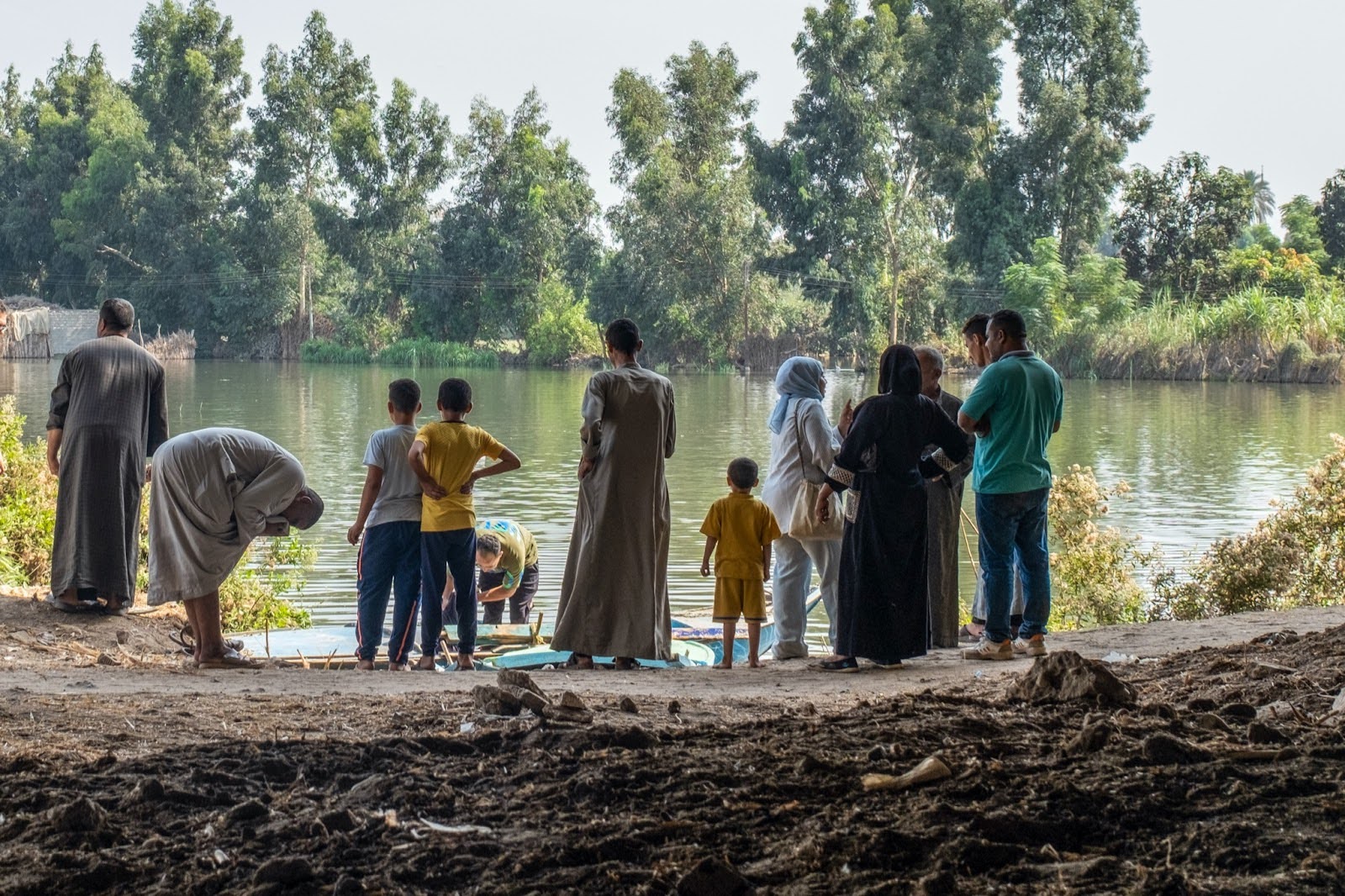
Monufiya and Beheira’s ‘flood days’
Over 1,000 feddans and 100 homes flooded this month. What happened and what’s next for residents?
Sudan Nashra: Sudan downplays GERD-caused floods to avoid diplomatic row | AU-led Sudanese-Sudanese meetings postponed | Military breaks aerial blockade over Fasher | Over 80 killed in military airstrikes on Nyala | Machar trial kicks off, immunity pushed aside
As Sudan grappled last week with devastating floods, its government sought to contain the crisis quietly, avoiding open confrontation with Ethiopia even…
Your support is the only way to ensure independent, progressive journalism survives.
You have a right to access accurate information, be stimulated by innovative and nuanced reporting, and be moved by compelling storytelling. Subscribe now to become part of the growing community of members who help us maintain our editorial independence.
Join us