
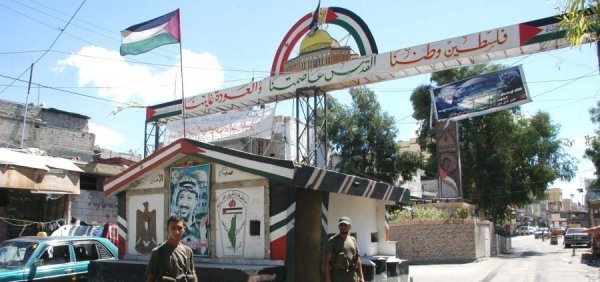
At the onset of Israel's assault on Lebanon in early October, Fatheya Sarsour and her family fled from Rashidieh, the Palestinian refugee camp in the southern Lebanese city of Sur. She moved between Beirut and the Nahr al-Bared camp in the north, believing both locations to be safer. Yet the harsh conditions she experienced in displacement led her back to Rashidieh two weeks ago, resolved to face her fate there. On Thursday, however, Sarsour was shocked by an Israeli order for all camp residents to evacuate immediately.
"We have no one in Lebanon. Where else can we shelter but our home, which Israel threatens wherever it may be?" Sarsour told Mada Masr, weighing two equally difficult choices: to remain in Rashidieh or face yet another displacement to the north.
Residents of Rashidieh and nine nearby villages woke up on Thursday to an evacuation order issued by the Israeli military’s Arabic spokesperson Avichay Adraee, instructing residents to move north of the Awali River, citing alleged Hezbollah activity in these areas.
Following Israel's orders, the Rashidieh camp — one of the largest Palestinian refugee camps in southern Lebanon — saw a large wave of displacement, according to Lebanon’s National News Agency (NNA). Hours after the order, Israeli airstrikes hit the other villages, killing five Lebanese civilians in the village of Arzeh, the NNA reported.
Palestinian refugees in Rashidieh told Mada Masr that the Israeli military had repeatedly sought to intimidate the camp's residents, conducting bombings and halting the fishing activities on which thousands in the camp rely. This time, however, the military ordered an immediate evacuation.
Just days earlier, the Israeli military launched a missile at the shore across from the camp’s cemetery, causing damage to nearby homes but no injuries.
Since the beginning of the aggression, which has largely impacted villages and towns in southern Lebanon, Rashidieh has received hundreds of displaced families from these regions, becoming a major shelter for displaced Lebanese persons. Many families from the south opted not to go to Beirut or northern cities due to the overcrowding in displacement shelters and limited lodging options there.
Lebanon hosts 12 Palestinian camps housing about 174,000 Palestinian refugees. The largest, Ain al-Hilweh, houses around 50,000 refugees and is located south of Saida, while Rashidieh hosts more than 36,595 refugees, with four schools, including one high school, and a health center, according to data from the United Nations Relief and Works Agency for Palestine Refugees in the Near East (UNRWA).
Sarsour moved to Rashidieh ten years ago from Syria’s Yarmouk camp, fleeing the Syrian civil war.
"The Occupation wants to throw us into despair. We left home for a week and saw hell, moved around from one home to another," Sarsour said of the Israeli evacuation order that has once again forced her to seek safety. "We have no strength left in us to move from place to place."
For most Palestinian families in Rashidieh, leaving the camp is extremely challenging, Sarsour explained, noting that most have no contacts outside the camp, which “makes it harder for families to choose displacement.”
Life in the camp had already ground to a halt before the evacuation order due to the ongoing Israeli aggression, which has severely impacted living conditions for around 15,000 of the 25,000 Palestinian refugees in Rashidieh, the head of the camp’s popular committee, Ibrahim Abu al-Dahab, told the Palestinian Refugees Portal last month.
Abu al-Dahab noted that despite the evacuation order, families staying in the camp have nowhere safe to go. The challenges are compounded by transportation disruptions, crowded shelters and a shortage of financial resources and logistical supplies, making it difficult to evacuate.
UNRWA has suspended its relief work in the camp, which has rendered water pumping stations inoperative and led to prolonged power outages and shortages in food supplies, including meat and poultry.
Security in Palestinian camps in Lebanon is overseen by Fatah-affiliated security forces, in coordination with the Lebanese military. Tawfiq Abdallah, head of the Palestinian National Security Forces in Sur, told Mada Masr that dozens of families, especially those with elderly members or young children, have left the camp due to fears of shelling, though “most families are still holding out in the camp.”
Major General Sobhy Abu Arab, head of Palestinian National Security Forces in Lebanon, told Mada Masr that Rashidieh residents have no choice but to stay. “Where would they go? Southern Lebanon and other areas in the country are unsafe. Could they go to Beirut without means to rent a vehicle, buy food or pay rent — which has soared to over US$1,200 for an apartment for a family of five?” he asked.
"It’s no surprise that Israel targets Rashidieh," Abu Arab said. "Our people will stay in the camp. Israeli warnings won’t break us."
A similar situation unfolded in the other areas targeted by Israel’s evacuation orders, including the villages of Hosh, Bazourieh, Borgholiyeh, Bastiyyat, Homeiri, Arzeh, Matriyet Shumar, Kharayeb and Ansar. These areas have seen waves of displacement and Israeli airstrikes, particularly in Arzeh, where five civilians were killed on Thursday.
“The enemy is a criminal, committing massacres against humanity as a whole, and there’s no safe place left in the south,” Ansar Mayor Abdel Moneim Assi told Mada Masr. Assi urged residents to leave, especially since Israel has already committed two massacres in the village since the start of the aggression.
Assi said most villagers have left, while those remaining are gathering whatever belongings they could carry for the displacement journey to Beirut. He noted that drivers are taking advantage of the situation, with car rentals from Ansar to Beirut costing about 5 million Lebanese liras, around $60.
Assi blamed the Lebanese government for not curbing this exploitation, especially as villagers have been grappling with severe conditions since the war began, with their means of livelihood halted.
Some Ansar residents attempted to harvest olives from their farms to sell for income amid the loss of all other livelihoods. However, Israeli airstrikes targeted these farmers, killing one person and injuring seven in recent weeks, Assi said.
Assi called on international organizations and the UN to put a stop to the assault and “put Israel in its place,” adding, “the enemy understands only the language of force.”
أخبار ذات صلة
After the catastrophe: Ali Cherri takes Israel to court following the killing of his parents
On November 26, 2024, Paris-based artist Ali Cherri spoke to his mother Nadira Hayek living in Beirut on the phone right before boarding a plane to Vienna where he was…
Israeli forces occupying south Lebanon kill 15 as tens of thousands return to claim their land
Israeli soldiers opened fire on crowds of displaced Lebanese on Sunday, as residents began to return to their towns and villages in…
Hezbollah vote secures General Joseph Aoun’s election as new Lebanese president, underscoring party’s concessions to new regional reality
When the Lebanese military began to send the first of its soldiers to the south of the country on November 28, hours after a ceasefire was suddenly announced, it marked…
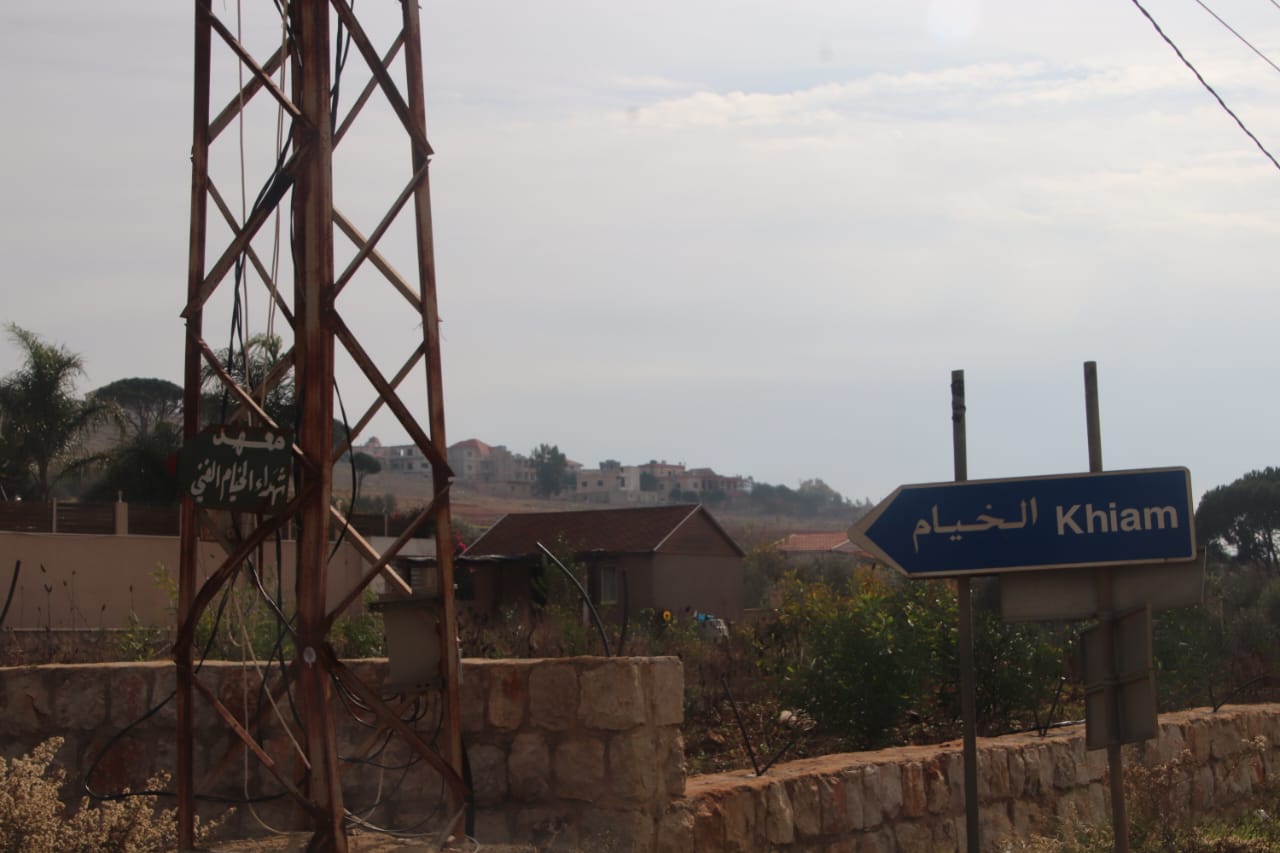
Uncertainty, danger linger in Khiam after Lebanon’s ceasefire
Mohammad Mohammad Abdullah left his hometown of Khiam in southern Lebanon at the end of 2023, when Israeli airstrikes on Lebanon became…
Your support is the only way to ensure independent, progressive journalism survives.
You have a right to access accurate information, be stimulated by innovative and nuanced reporting, and be moved by compelling storytelling. Subscribe now to become part of the growing community of members who help us maintain our editorial independence.
Join us