
Culling chicks barely hatched, poultry producers say industry embattled by dollar shortage, foreign imports
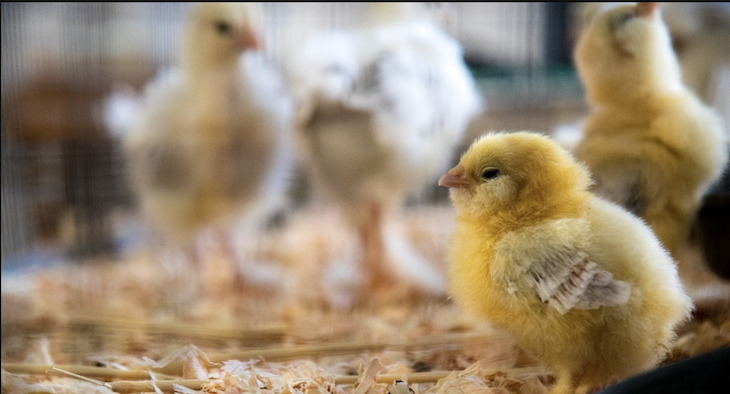
Hundreds of thousands of chicks, purchased to rear poultry, are being swept up into trash bags each day for early slaughter, industry actors have told Mada Masr over recent days.
Market actors note that the issue is not a global shortage in the supply of grain. Instead, traders are unable to lay their hands on shipments of feed they have already purchased to rear the poultry, as the imports are held up at Egypt’s coastline along with scores of other inbound commodities.
Shipments of a range of key goods are impounded at the country’s ports due to a dollar scarcity convulsing the domestic economy, sending costs up for poultry farmers and pricing their products out of the market, even as the government ships in cheaper frozen chickens from abroad.
While the government has met with industry heads to discuss the issue and promised that quantities of feed shipment will be released, market actors said the amounts will be insufficient to revive the sector.
In early October, a ton of corn was being sold for LE10,500, and a ton of soybeans for LE18,000 — the two products representing the vast majority of inputs for chicken feed. As the Poultry Producers Union estimates that around 2 million tons of corn and soybeans are currently seized in ports, those prices have increased by over 11 percent, and by around 22 percent, respectively in a period of three weeks, with a ton of corn retailing at LE11,700 on Monday, and soybean at LE22,000.
According to official letters from feed factories to suppliers, of which Mada Masr has reviewed copies, feed manufacturing materials have been in short supply for weeks, leading to a decline in daily production that means supplying agents are now rejecting new purchase orders.
The lack of feed and high production costs have disrupted the work of most hatcheries in Egypt, which normally produce over two million chicks per day, Poultry Producers Union member Mohamed Saleh told Mada Masr, noting that the market is currently operating at less than 40 percent of its daily capacity.
As many as 400,000 chicks are being culled daily, said Saleh, and many hatcheries have taken to selling off the hens bred for hatching chicks as regular poultry hens for eating at low prices, in order to avoid losses.
Culling the chicks is not a necessary outcome, Saleh continued, but a strategy incubators employ in order to balance their books. Even though manipulating the number of chicks in supply violates market competition law, the culls are undertaken to reduce the number of chicks available on the market, he explained.
“The only way out for us at the moment is for the state, represented by the Central Bank of Egypt, to provide letters of guarantee [necessary to secure import operations] in dollars, payable within a specified period of time, say three months, to foreign companies supplying grain, so that we can release the materials seized in the ports and resolve the crisis,” Saleh said.
As well as weathering the impact of the dollar shorage, Poultry Producers Union deputy head Tharwat al-Zainy said local industry is also under threat by the government’s import scheme, as the Supply Ministry continues to close regular contracts to import frozen poultry from the United States and elsewhere.
On Sunday, the Supply Ministry-affiliated Holding Company for Food Industries announced the launch of a new tender, scheduled for October 19, that would see the import of 12,000 tons of frozen poultry from Brazil.
Mada Masr reached out for comment to the holding company’s chair, Ahmed Hassanein, though no response was received at the time of publication.
Industry figures have met with representatives of the government and of the central bank multiple times over the past month, culminating with the minister for agriculture and deputy head of the central bank attending a session to answer MPs’ questions in the House of Representatives on Tuesday.
While officials say they have taken steps to facilitate the release of imports, industry figures say the efforts are too small to solve their issues.
Promising to take steps to ensure shipments of grains would be released, the government promised on Sunday the agriculture minister and the central bank’s deputy governor to coordinate with the union to determine the amount of raw materials to be released per week in coordination, and establishment of a mechanism to monitor distribution across the industry, after the minister, the deputy governor and the prime minister held a meeting with the head of the Poultry Producers Union.
But not enough is set to come out of the ports, said Saleh, in conversation with Mada Masr after the meeting.
Over 200,000 tons of raw materials are required by the local feed industry per week, worth around $75 million, in order for prices to begin inching back to normal, said the other union source speaking on condition of anonymity.
Yet only $40 million worth of releases were agreed upon by the government, the central bank and the union, the source added, noting an ongoing rise in the prices of feed and raw materials despite the government’s recent release announcement.
The situation looks primed to worsen over time, Saleh feared, predicting it would likely take at least two years, particularly if local industry is obliged to continue competing with the government’s imports from abroad.
Instead of producing poultry, said Zainy, Egypt could be set to become a net importer if the current situation persists.
أخبار ذات صلة
New LE150 bn program aims to support small agricultural, industrial businesses
The program will allow companies to apply for financing at an interest rate of just 11 percent
New rules entitle govt to 25% of rice crop in bid to stop selling on global markets
Many working in the sector doubted that the state will be able to compete with higher market prices
Keeping Egypt above the breadline: How has the government strategized to supply wheat during a global shortage?
The state looked to local farmers for nearly double what they would in other years
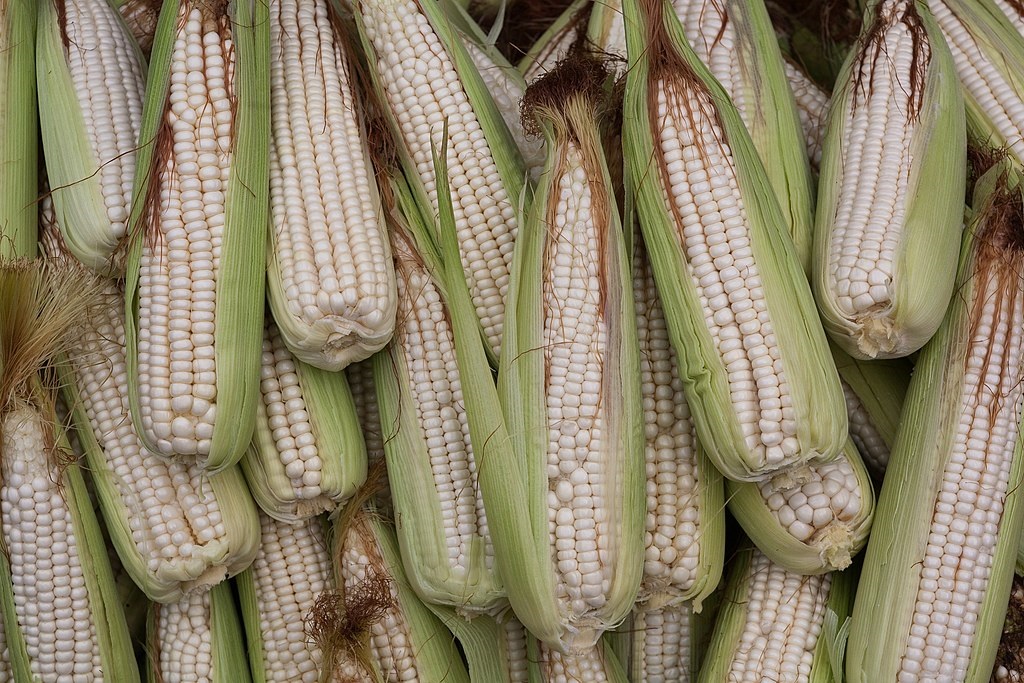
Shortages of Ukrainian corn, price hikes threaten Egypt’s food security
Ukraine is among the top three exporters of corn to Egypt
Your support is the only way to ensure independent, progressive journalism survives.
You have a right to access accurate information, be stimulated by innovative and nuanced reporting, and be moved by compelling storytelling. Subscribe now to become part of the growing community of members who help us maintain our editorial independence.
Join us