
CAPMAS claims workplace injuries in Egypt have decreased since 2015
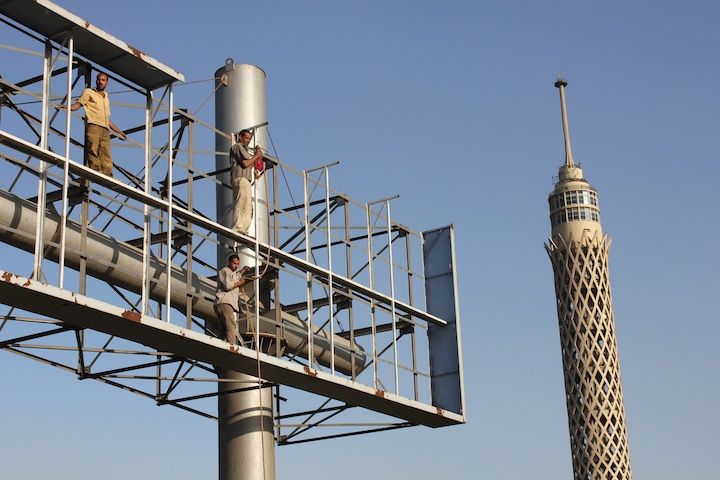
The state’s Central Agency for Public Mobilization and Statistics (CAPMAS) issued its latest annual report regarding workplace injuries in Egypt on Monday, in which it claimed that injuries have decreased by 5.9 percent in 2015 compared to rates in the previous year.
The report stated that there had been a total of 15,911 workplace accidents and injuries in 2015, in comparison to the 16,902 in 2014.
According to CAPMAS’s figures, 81.1 percent of all workplace injuries and accidents occur in the state-owned sectors of the economy, including the governmental sector, the public sector and the public works sector, amounting to 12,904 injuries altogether. This is in contrast to the private sector, in which 18.9 percent of workplace injuries in 2015 occured, with 3,007 accidents and injuries recorded by the organization.
CAPMAS notes that private-sector injuries are only tallied when there are 50 or more workers employed in a company.
Fatma Ramadan, a workplace safety inspector at the Ministry of Manpower in Giza, told Mada Masr, “I’m skeptical about these figures. I’m not sure how they’ve been calculated and I don’t know what the sources are for this CAPMAS report. Have they been issued by the Ministry of Manpower, the local governorates, or other sources?”
Ramadan added that typically the number of official reports of workplace injuries submitted to the Ministry of Manpower is less than the number of injuries that take actually place. “These injuries which are usually reported are the more serious injuries, and industrial accidents,” she explained.
“The number of reported injuries in the public and governmental sectors is generally higher than those in the private sector, because these reports are only issued where there are 50 workers or more employed in one workplace," Ramadan said. "These larger work forces are usually associated with the state-owned companies, rather than the private-sector companies – although, on average, most private-sector companies also employ more than 50 workers per company.”
CAPMAS reported that the alleged 5.9 percent decrease in workplace injuries in 2015 is “due to the increased awareness among workers of different enterprises regarding the application of occupational safety and health standards.”
Ramadan, however, pointed out, "Companies and industries in the state-owned sectors generally don’t pay as much attention to workplace safety, as do those of the private sector.”
Ramadan went on to note that, by most calculations, the private sector includes the informal sector – which may constitute up to 70 percent of the private sector’s workplaces. She added that the average workplace in the informal sector typically employs fewer than 50 workers in small-scale industries.
This inspector expressed further skepticism regarding the latest CAPMAS figures, adding, “There have been several factory fires, collapses, and other serious industrial accidents in 2015 which may have not been mentioned or included in this report. I doubt that they have included the number of workplace injuries associated with the expansion of the Suez Canal, for example.”
According to CAPMAS’s latest figures, the governorate with the highest incidents of workplace injuries is Cairo, with 5,650 injuries, amounting to a total of 35.5 percent of all work-related injuries nationwide. Alexandria has second highest number of reported industrial injuries, amounting to 3,526 or 22.2 percent of the national total. CAPMAS reported that the governorate with the fewest number of reported workplace injuries is Beni Suef, with just two injuries in 2015, 0.01 percent of the total.
This last figure is surprising, given that the Beni Suef governorate has a population of well over 2.9 million residents, according to the official census.
CAPMAS goes on to cite that the industries with the highest percentage of workplace injuries are the manufacturing industries, representing 59.6 percent of the national total, with an aggregate of 9,491 injuries. The industries with the lowest recorded rate of injuries are the farming and fishing industries, in which 39 injuries were reported throughout the course of 2015, amounting to 0.3 percent of all workplace injuries.
“These figures likely do not include the most dangerous professions in Egypt, which are largely concentrated in the private or informal sectors,” Ramadan explained. The hazardous professions she refers to include mining and quarrying, cement and chemical industries, red brick manufacturing, construction and building works.
An unknown number of fatalities occur in these industries each year, which usually employ work forces of less than 50, and are generally non-unionized professions with little access to healthcare or health insurance.
However, CAPMAS’s latest report makes no mention of the number of workplace fatalities, only injuries.
According to its findings, CAPMAS indicates that 83.5 percent of all industrial injuries, or 13,278, occur at the workplace, as opposed to road, transport, and traffic accidents which occur on the way to or from these workplaces, which amount to 16.5 percent for a total of 2,633 injuries.
Ramadan explained that many of these accidents which occur on the road to or from work result in fatalities, and that such accidents occur often.
“Many of these cases are not considered to be workplace injuries, unless the workers are being transported in a company bus or vehicle. Frequently such traffic accidents are not mentioned or figured into the numbers of industrial injuries and fatalities,” said Ramadan.
The inspector added, “An investigative committee from the Ministry of Manpower is usually assigned to oversee road accidents involving workers, when these incidents are immediately and officially reported to the ministry. Yet in most cases, it is just the prosecution which investigates such fatal traffic accidents if they take place outside and far away from company premises.”
CAPMAS also reported that from the total number of workplace injuries reported in 2015, nearly 88.4 percent of these occurred among male workers, for a total of 14,059 injuries. This is in contrast to the 1,852 injuries reported among female workers, which amounts to around 11.6 percent of all injuries in the past year.

أخبار ذات صلة
Police close off Kafr al-Sanabsah village in Monufiya after fatal crash exposes harsh living conditions
Police officers have been patrolling near the homes of victims of last month’s deadly road crash in Monufiya to ensure that no…
Egypt’s 1st hourly minimum wage: An ‘announcement to global markets that our labor is cheap’
Sources express fear that the decision will formalize and entrench an already precarious situation
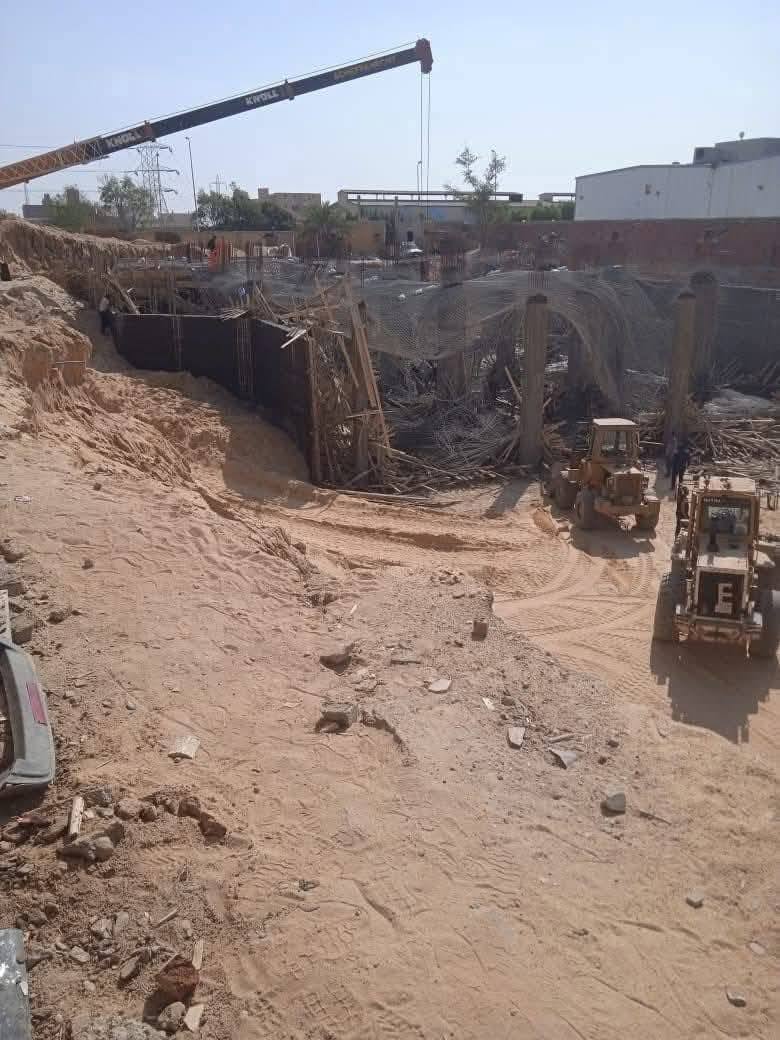
Roof collapse at Qalyubiya construction site kills 4 workers, including 3 minors
Four construction workers, including three minors, were killed and another one was injured when a roof collapsed on them during the construction…

Private sector minimum wage to rise to LE6,000, many companies eligible for exemption
National Wages Council raises private sector wages after several increases for public sector
Your support is the only way to ensure independent, progressive journalism survives.
You have a right to access accurate information, be stimulated by innovative and nuanced reporting, and be moved by compelling storytelling. Subscribe now to become part of the growing community of members who help us maintain our editorial independence.
Join us