
Police close off Kafr al-Sanabsah village in Monufiya after fatal crash exposes harsh living conditions

Police officers have been patrolling near the homes of victims of last month’s deadly road crash in Monufiya to ensure that no “outsiders” approach the families, three residents told Mada Masr.
They were among four residents who said that security forces have surrounded the village of Kafr al-Sanabsah for over two weeks in an effort to keep journalists out.
The heightened security comes after dire living conditions in the village were thrown into the spotlight by a major crash on the Regional Ring Road in Monufiya which killed 18 women and girls, aged 14 to 22, from Kafr al-Sanabsah on their commute to work as day laborers at agricultural export facilities.
As scrutiny of the village increased, security forces have made it difficult for anyone from outside the village to enter.
A car carrying visitors who had come to offer condolences was blocked on the grounds that they were not locals, a relative of two of the victims said. Officers inspected the car, checked ID cards for potential journalists and only allowed the group through after calling one of the victims’ families to verify they were expecting guests.
A relative of another victim said that a car affiliated with Al-Arabiya was barred from entering the village to conduct interviews. Other journalists, who had reached out to families by phone, canceled planned visits after being warned that police would not let them in. A third source, related to another two victims, said security even tried to block him from entry because he lives in a neighboring village.
The incident brought attention to the village's dire living conditions, drawing many journalists and visitors in its aftermath. Media reports soon spotlighted the widespread poverty and lack of basic services in the village — particularly educational facilities.
When Mada Masr visited Kafr al-Sanabsah, residents noted that there is only one middle school and no secondary school, forcing students to commute to nearby villages or the Menouf district to attend industrial or commercial secondary schools — adding to the financial burden that drives women and girls to seek work despite the high risk and minimal protections for agricultural laborers.
Within a week of the crash, the state announced compensation packages: LE200,000 per victim’s family from the Social Solidarity Ministry, LE300,000 from the Labor Ministry and LE100,000 from the Transport Ministry. Donations from business figures followed, including Ahmed Ezz and Mohamed Aboul Enein. Later, an unnamed businessman pledged LE2 million to each victim’s family — though two families told Mada Masr they are yet to receive the money.
“They couldn’t just let us have the donations,” one relative of a victim of the crash said. The village mayor Mohamed Allam summoned the victims’ families to a meeting — some of whom attended. There, he asked each family to contribute part of the compensation and donated funds toward buying land to build a secondary school. He proposed that each family donate the equivalent of one kirat of land — around LE250,000.
Several residents did not welcome the mayor’s request. The relative criticized it, saying that the state owes it to residents to build a school. “People here really need that money,” he said. “You came and saw the state of the houses.”
The father of one of the victims told Mada Masr that the mayor later tried to persuade those who objected by sending respected community members to mediate.
Shortly after the meeting, however, a video circulated on social media in which Allam’s brother — according to the same source — said that the initiative to buy land had come voluntarily from the villagers themselves.
Mada Masr was unable to reach the mayor for comment, as his phone remained unavailable at the time of publishing. But a close associate of his — a member of the pro-state Nation’s Future Party — denied that the initiative was the mayor’s idea and insisted it originated with the villagers themselves, adding that the government’s Haya Karima initiative would eventually fund the construction of the school. The planned school is set to be built on a 3,500 square meter plot of land, but according to the source, the full amount for the purchase had not yet been paid.
Before the crash, villagers had already attempted to pool money to buy land for a school, a father of one of the victims told Mada Masr. But their efforts fell through amid what he described as the state’s longstanding neglect of the village.
أخبار ذات صلة
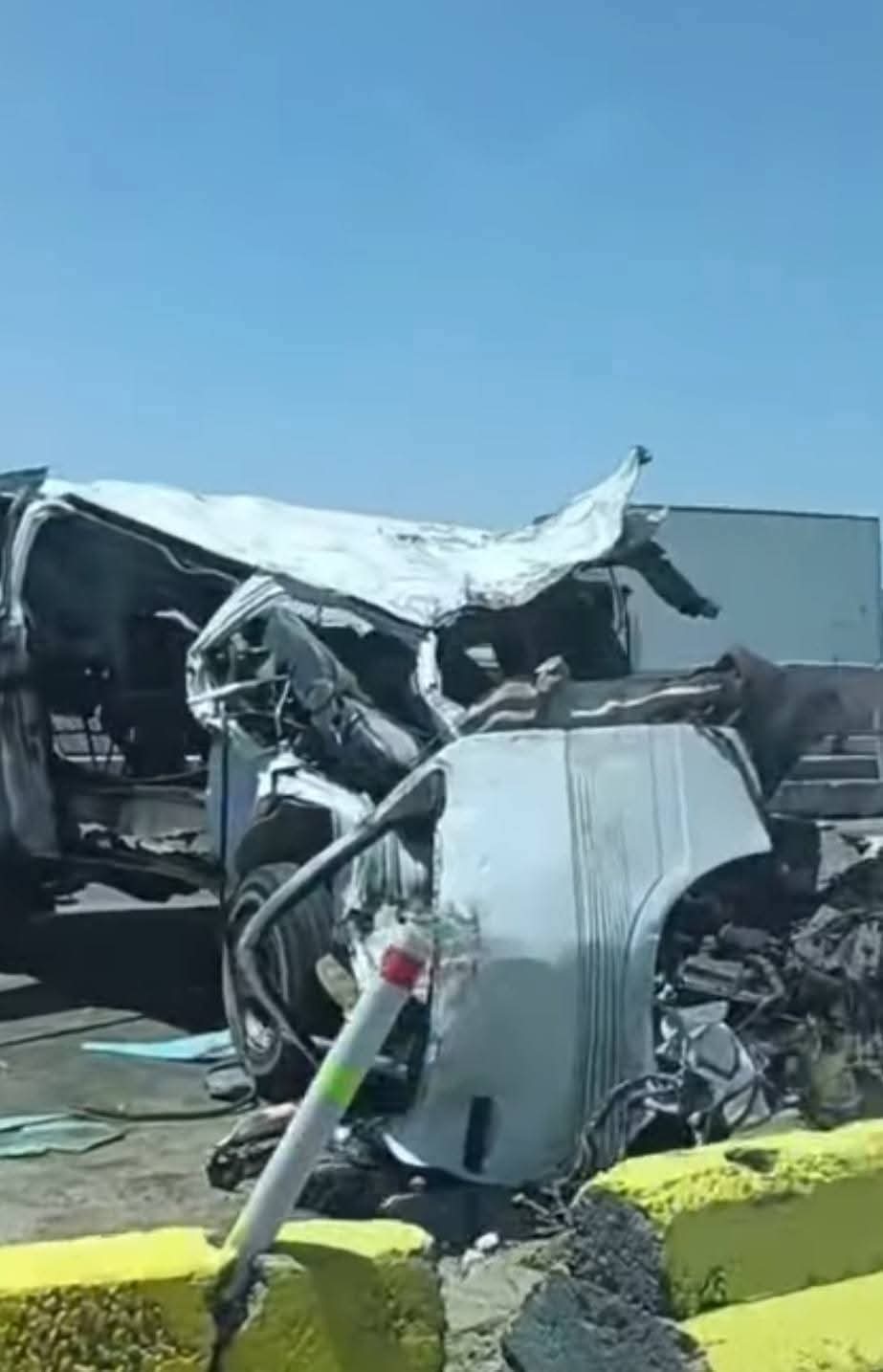
Another crash on Monufiya ring road kills 10, Sisi orders govt to ‘study’ road closure
A crash on the Regional Ring Road in Monufiya killed 10 people on Saturday, marking the second incident of its kind in…
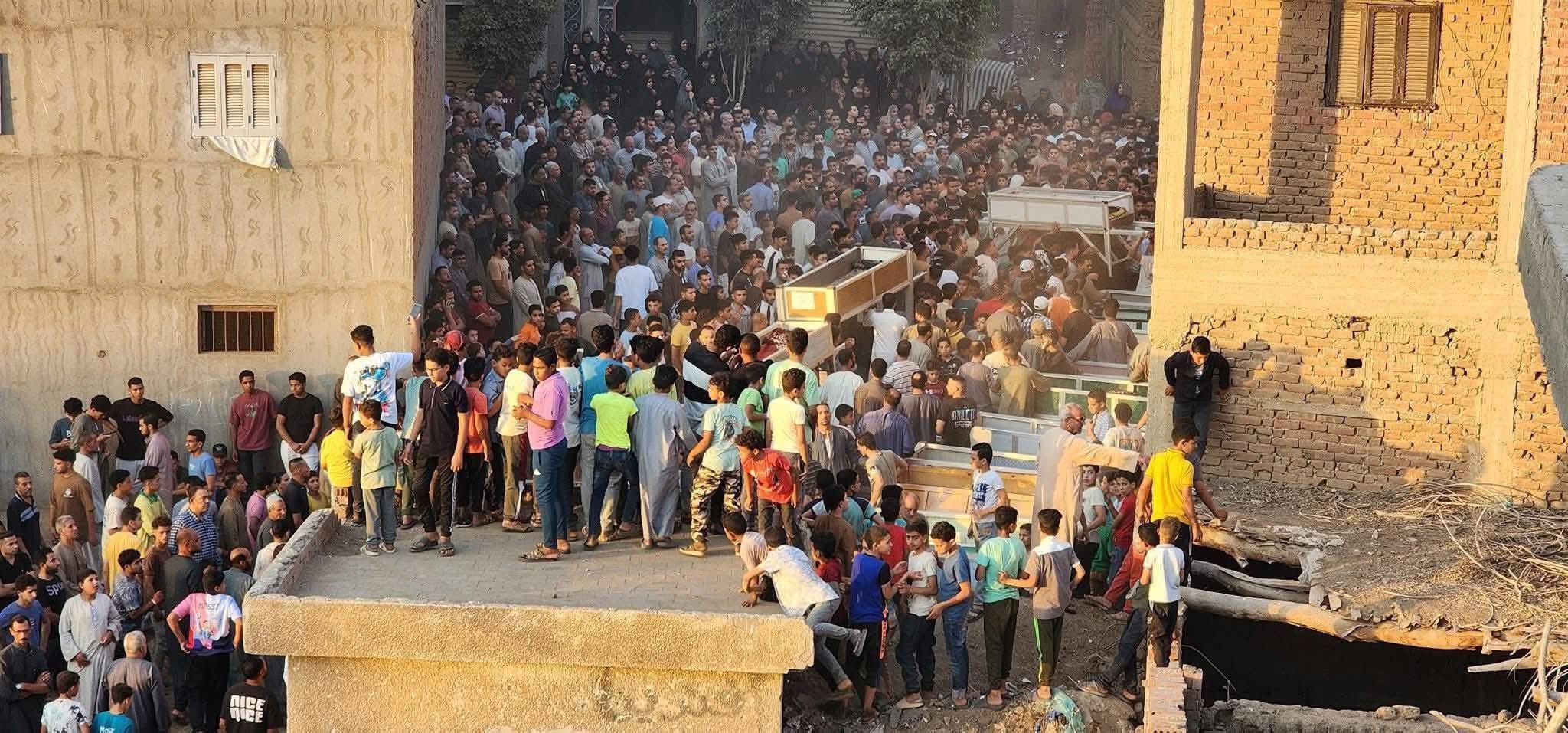
‘I’m not quitting, I’ll stay until I die’: Transport minister defends road quality amid uproar after 19 killed in Monufiya collision
The ministers’ Sunday responses followed weak initial engagement with the news of the crash and vict
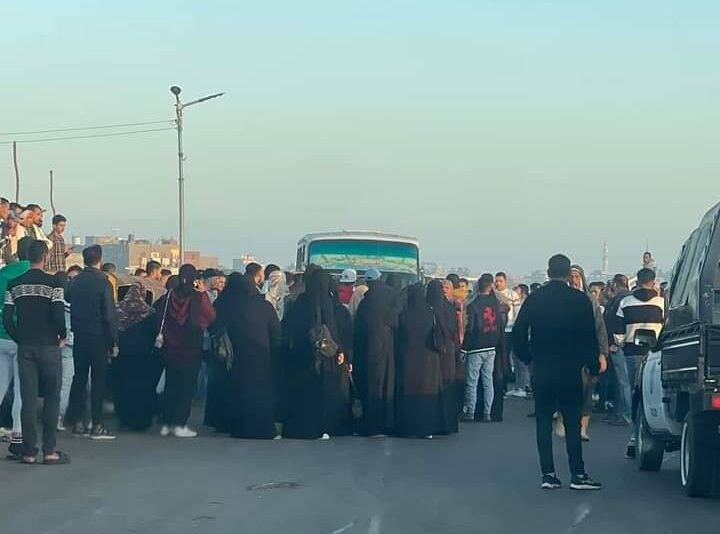
Prosecution opposes release of 5 Matareya residents charged with inciting protest for road maintenance
A local court gave orders on Saturday for the release of five residents of Matareya, Daqahlia, who have been detained since November…
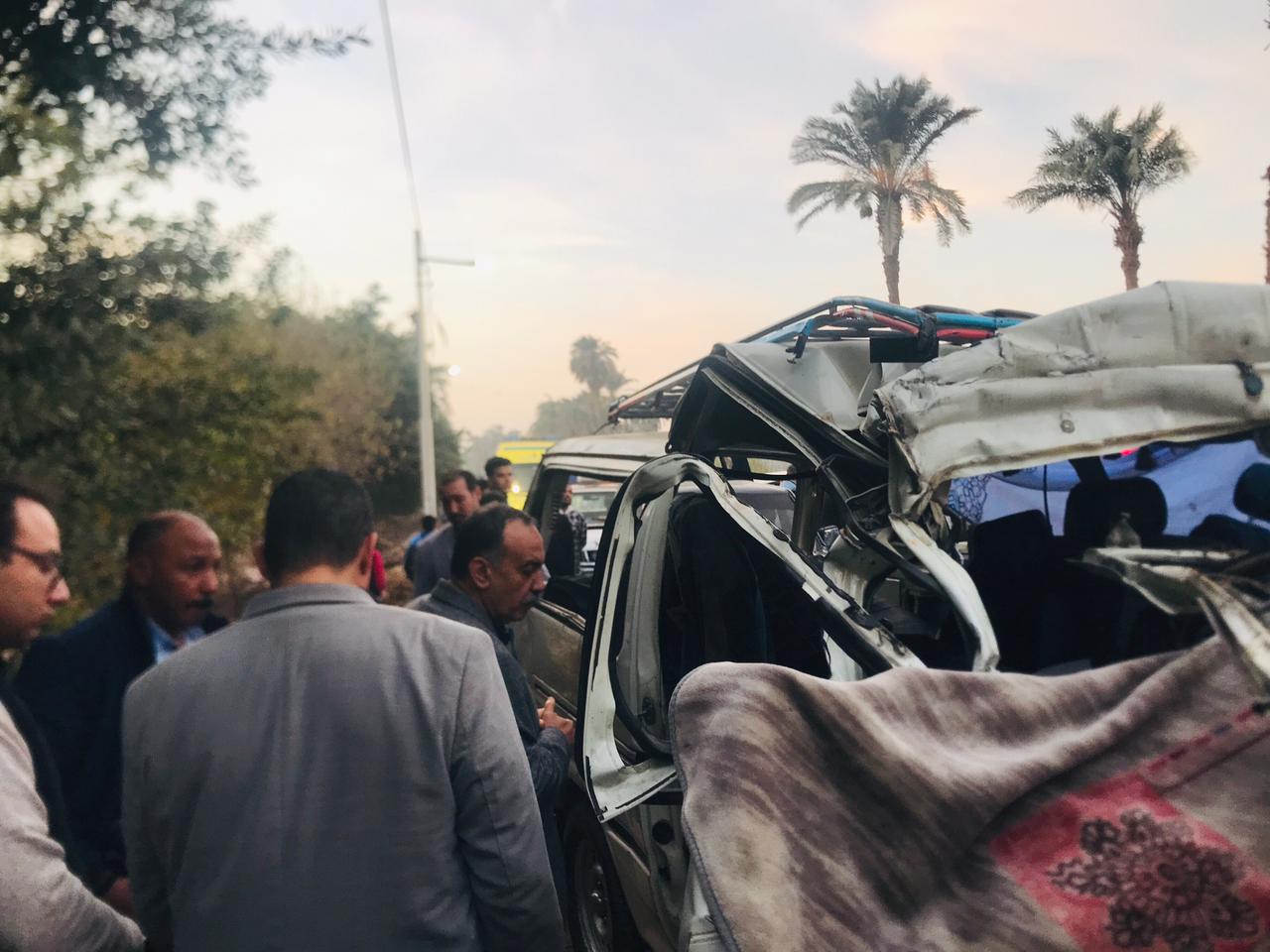
Fifteen killed in traffic collisions on Cairo-Assiut Agricultural Road in past 24 hours
Fifteen people have been killed since Tuesday night in two separate traffic incidents that took place within 24 hours on the portion…
Your support is the only way to ensure independent, progressive journalism survives.
You have a right to access accurate information, be stimulated by innovative and nuanced reporting, and be moved by compelling storytelling. Subscribe now to become part of the growing community of members who help us maintain our editorial independence.
Join us