
Agriculture Ministry begins studies for 750,000 feddan reclamation project

The Ministry of Agriculture announced Tuesday that it has begun technical studies for a project that aims to cultivate 750,000 feddans of desert land in Egypt’s southwest.
The project is based on a proposal by scientist Farouk al-Baz.
Baz had a long, high-profile career with US space agency NASA, but in Egypt he is best known for his vision of a “development corridor” parallel to the Nile Valley. In a plan first laid out in the 1980s, Baz envisioned millions of Egyptians moving away from the overcrowded Nile Valley to new cities and reclaimed desert land west of the Nile.
The proposal was derided as grandiose and unrealistic by engineers and development experts, and never implemented by the Egyptian government, who balked at its estimated US$24 billion price tag.
Although the development project never got off the ground, Baz maintained a position of influence with successive governments, advising both Anwar Sadat and Hosni Mubarak.
In September 2014, President Abdel-Fattah al Sisi named Baz as part of a council of scientific advisors, and Sisi and other high officials have since held meetings with the scientist to discuss potential development efforts.
The project currently under discussion is to be based west of Kom Ombo and Wadi Gellaba in Aswan in Upper Egypt.
The technical studies launched by the ministry will attempt to verify Baz’s theory that the Nubian Aquifer, which lies below the Western desert and would be the source of groundwater for land reclamation, is able to support this level of extraction.
The Ministry added that this project will be prepared in parallel with a ministerial project to reclaim one million feddans of desert land.

أخبار ذات صلة
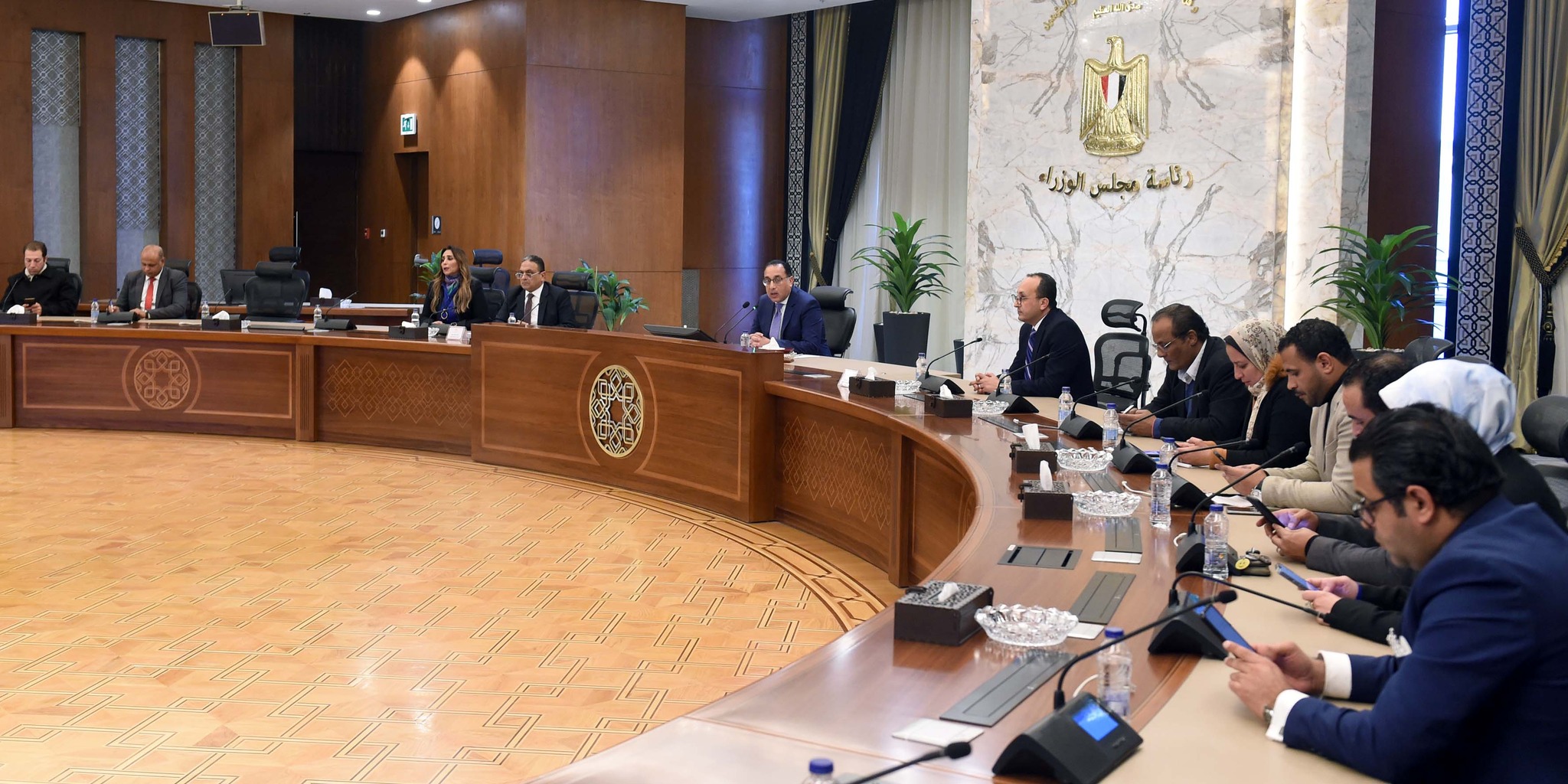
New LE150 bn program aims to support small agricultural, industrial businesses
The program will allow companies to apply for financing at an interest rate of just 11 percent
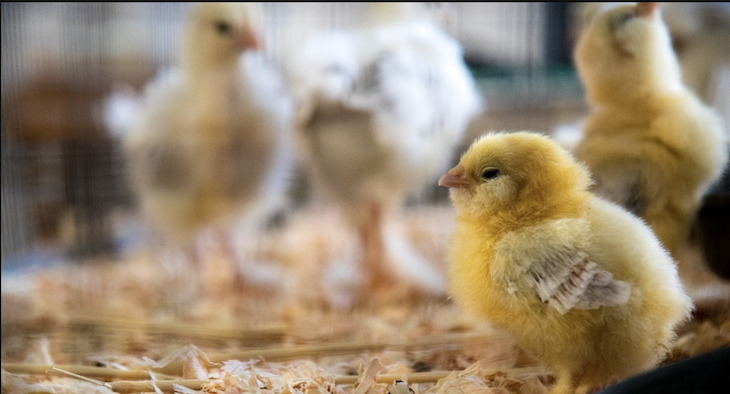
Culling chicks barely hatched, poultry producers say industry embattled by dollar shortage, foreign imports
Hundreds of thousands of chicks, purchased to rear poultry, are being swept up into trash bags each day for early slaughter, industry…
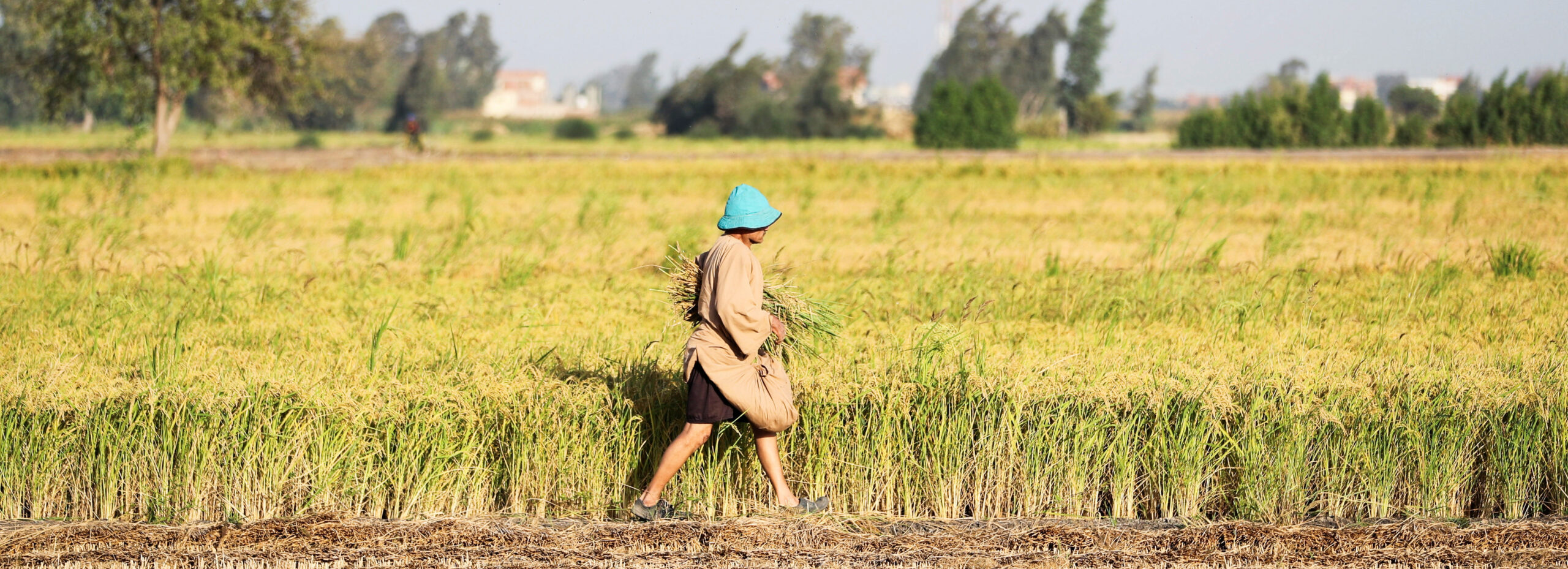
New rules entitle govt to 25% of rice crop in bid to stop selling on global markets
Many working in the sector doubted that the state will be able to compete with higher market prices
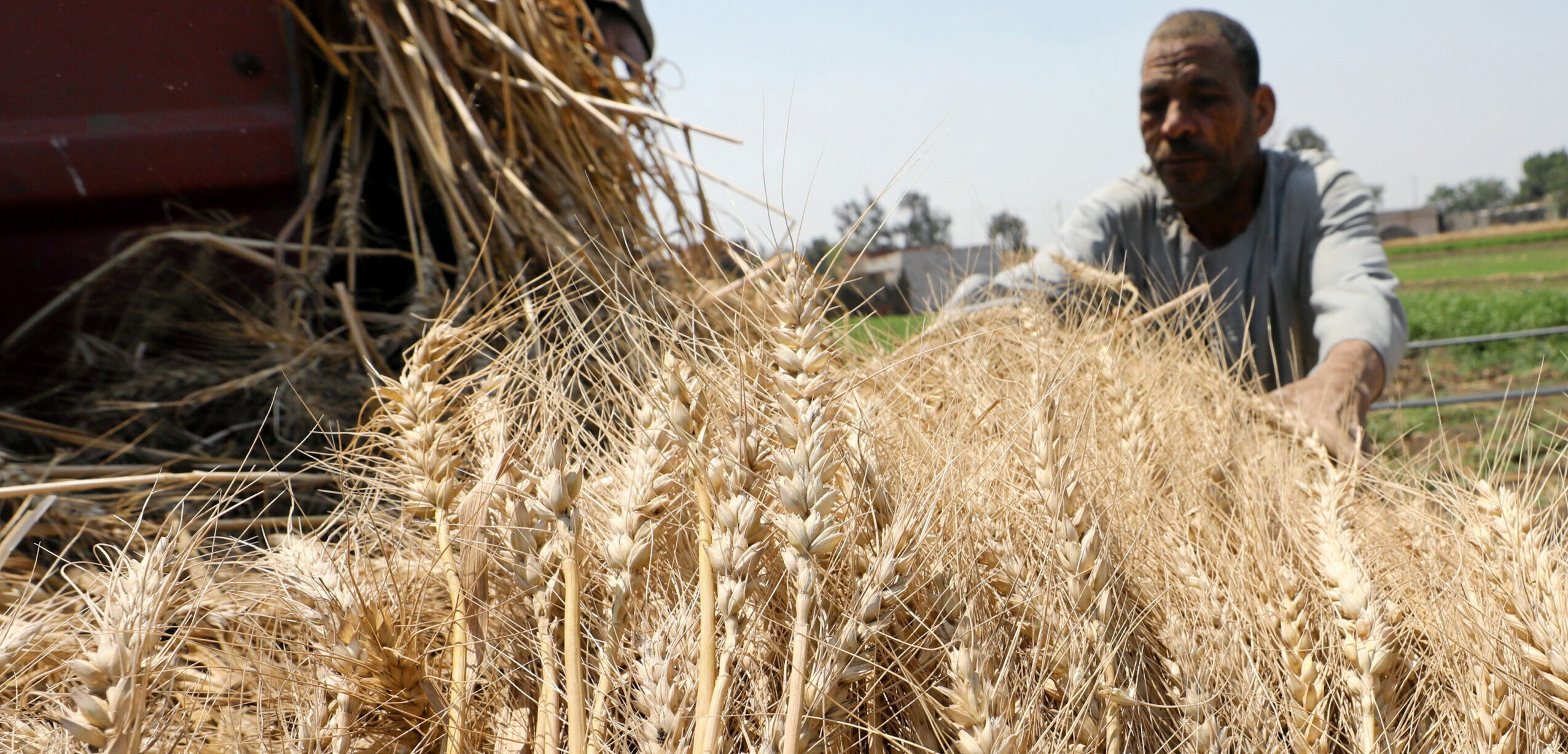
Keeping Egypt above the breadline: How has the government strategized to supply wheat during a global shortage?
The state looked to local farmers for nearly double what they would in other years
Your support is the only way to ensure independent, progressive journalism survives.
You have a right to access accurate information, be stimulated by innovative and nuanced reporting, and be moved by compelling storytelling. Subscribe now to become part of the growing community of members who help us maintain our editorial independence.
Join us