
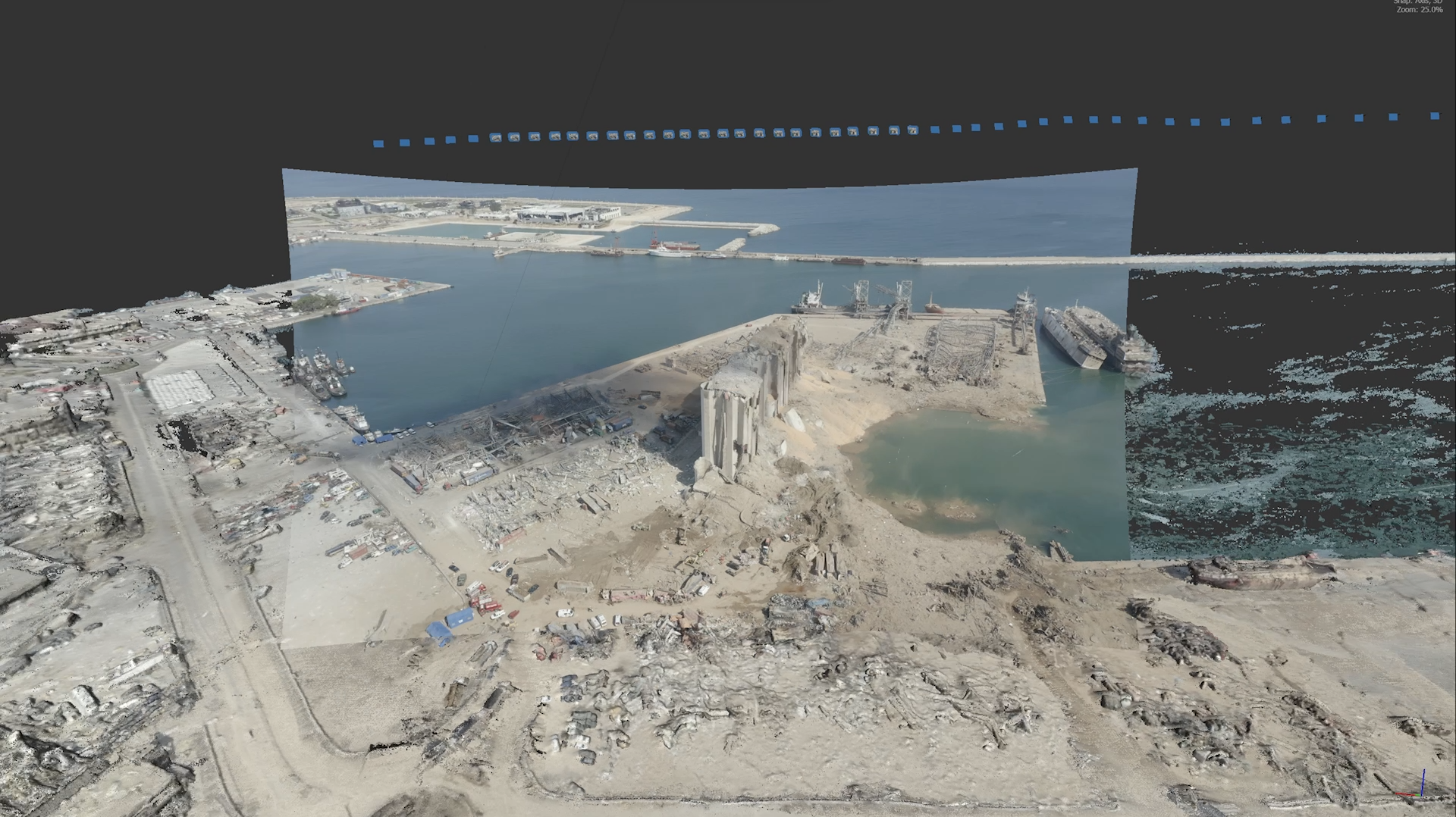
Video | Destruction of destruction: The Beirut Port silos
Since the 1970s, Beirut’s grain silos have marked the seam between the city and the sea from their position nestled beside the city’s port.
Ships from the Soviet Union and later on Russia and Ukraine loaded with barley, corn and wheat docked in the port to unload vital food staples.
Forty-two concrete cylinders with a capacity to store up to 120,000 tons of grain guaranteed Lebanon's food security.
However, on August 4, 2020, the silos became a mark of another kind. Huge amounts of highly explosive ammonium nitrate detonated, sending a shock wave through the city that left over 200 people dead and over 6,500 wounded in one of the largest non-nuclear explosions in history.
The epicenter of the explosion was only 75 meters away from the silos, and the blast tore apart 28 of the 42 concrete cylinders. Nine workers were in the structure at the time of the blast. Their remains, dispersed between broken concrete and spilled grains, were never found.
The site of the silos, both a graveyard and a crime scene encoding key information about the explosion, was cordoned off with the state assuming singular responsibility for access.
Nearly two years after the blast, in July 2022, fires became visible at the base of the silos. Over the next month, repeated fires and the state’s delayed efforts to intervene set off rapid heating and cooling cycles that ended with the collapse of the northern silos.
Threading together fragmented accounts from videos, images, and published research, the Febrayer network partnered with Forensic Architecture to create a unified narrative of what happened to this site of memory and evidence.
What emerges is a picture of mismanagement and occlusion by Lebanese authorities, which, combined with other factors, led to the gradual destruction of a ruin – the destruction of destruction.
By preserving the ruins as a digital archive, this work counters the state’s prevailing logic of erasure and seeks to create a space for people to decide how they want to relate to this site and its histories.
This work is part of an ongoing collaboration between Forensic Architecture and Febrayer to contribute to the push for accountability in the deadly blast, the investigation into which has been roadblocked and mismanaged by Lebanese authorities.

تقارير ذات صلة
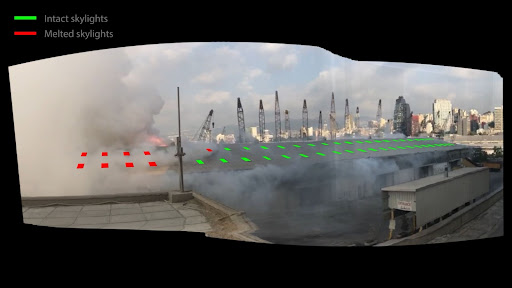
Video | Not the welders
Mada Masr obtained copies of the FBI and Lebanese Internal Security reports outlining their accounts
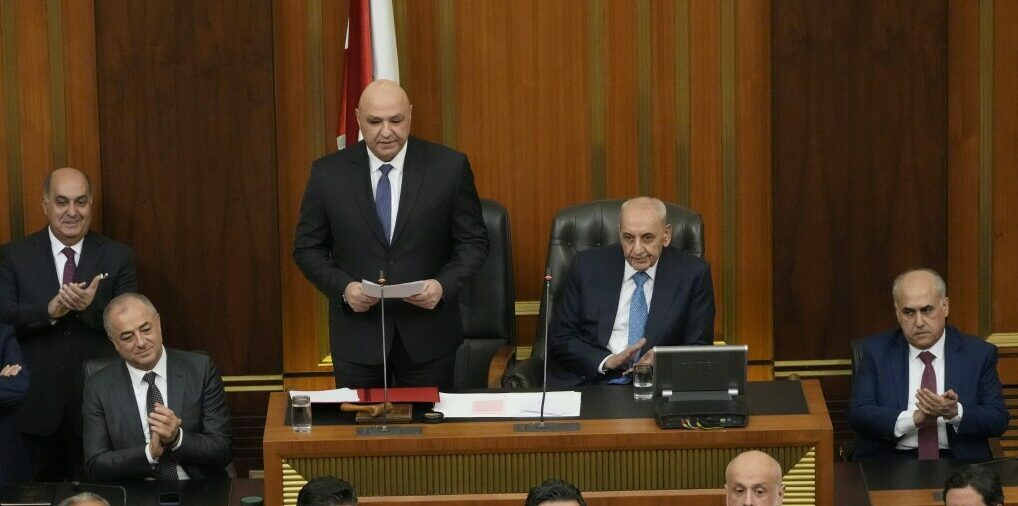
Hezbollah vote secures General Joseph Aoun’s election as new Lebanese president, underscoring party’s concessions to new regional reality
When the Lebanese military began to send the first of its soldiers to the south of the country on November 28, hours after a ceasefire was suddenly announced, it marked…
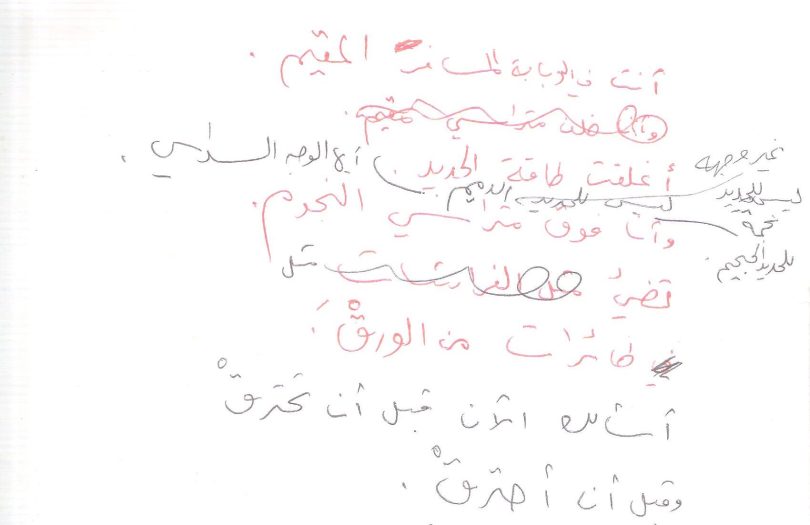
Poetry in the face of history: Letter to an Israeli soldier
Under what conditions could a confrontation between poetry and history yield to the defeat of history? And what is it in poetry that could defeat history? Is it the simple…
Your support is the only way to ensure independent, progressive journalism survives.
You have a right to access accurate information, be stimulated by innovative and nuanced reporting, and be moved by compelling storytelling. Subscribe now to become part of the growing community of members who help us maintain our editorial independence.
Join us