
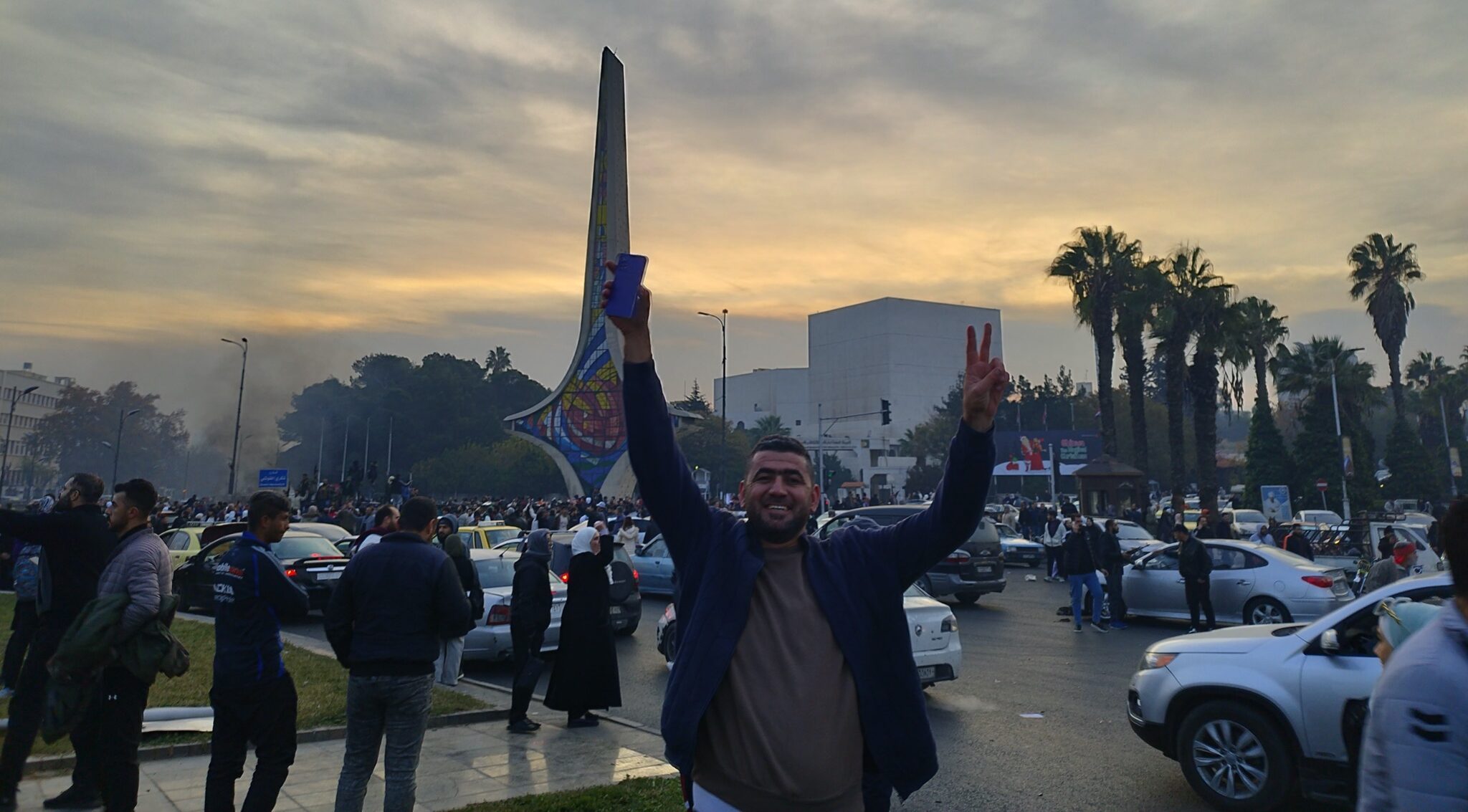
Scenes from the Damascus regime’s collapse: ‘Something out of dreams’
At noon on Saturday, an unfamiliar scene unfolded on the outskirts of the Syrian capital as armed opposition factions advanced from the south of the country toward Western Ghouta — one of Damascus's main gates — amid a sudden and chaotic retreat by regime forces.
The factions, besieged for years in the areas they had been holding, exploited the regime's preoccupation with an existential battle to defend Homs, Syria's strategic center. Under the umbrella of the Southern Operations Room, they marched toward Damascus. Their coordinated attack appeared swift and organized, exposing the regime's weak defense system around the capital.
By midnight, the curtains fell on a dramatic scene. Government forces that had long maintained a tight security grip on Damascus withdrew from checkpoints and key positions, leaving the city's fate uncertain. The withdrawal was not a tactical move but appeared to signal the indirect announcement of the capital's fall, marking the end of one chapter of the war and the beginning of another, whose characteristics remain unclear.
At 4 am on Sunday, a group of residents from southern Syria streamed into Damascus. Karam Monzer, an engineer from the city of Suwayda, was among the first to arrive. Wanted by the regime for years, Monzer told Mada Masr as he entered Damascus for the first time in over a decade, “I couldn’t sleep all night, waiting for the downfall of Bashar’s regime and the chance to enter Damascus. For a whole year, I was just 100 km away. Now, I can finally visit my university and the capital’s plaza that I missed so much.”
The people’s arrival from the south to Damascus was not a merely personal experience. It reflected a collective moment. The capital, which had been closed to them for security or political reasons, finally opened its gates.
Monzer said that his arrival in the capital was not just to celebrate the end of former Syrian President Bashar al-Assad’s era but also to search for one of his relatives who spent three years in Sednaya Prison, one of the regime’s prisons, known as the "human slaughterhouse," where thousands of prisoners have disappeared.
In the early hours of the morning, Hayat Tahrir al-Sham’s forces arrived from the north to Downtown Damascus. As the streets surrounding Abbasseyeen Square were filled with freed prisoners, the red building of Sednaya prison remained impenetrable. The building is known to have hidden gates and electronic locks, which are difficult to break without endangering the prisoners' lives.
Monzer was able to meet one of his imprisoned relatives. After years of waiting, a car dropped him off at Abbasseyeen Square, where he found his relative who had just been released from the hell of imprisonment.
“Our encounter was dreamlike. I didn’t recognize him due to the severe changes in him — the weary eyes and the faces that resembled the shadows of people who once lived among us,” Monzer said.
Sources from the armed factions spoke with Mada Masr about the challenges they faced in freeing the remaining detainees held in the red building. The electronically sealed doors and hidden corridors created by the regime make reaching the detained a complex mission.”The regime designed this place as a fortress that cannot be easily penetrated, and we are still trying to find a safe way to get those who remain there out,” said one of the militants, who added that dealing with the electronic locks seemed impossible due to the lack of proper equipment, and that using firepower would threaten the detainees' lives.
Syrian Civil Defence, known as the "White Helmets," announced on Monday that they had concluded their search operations within Sednaya Prison without discovering any hidden basements or cells. They subsequently submitted a request to the United Nations to obtain maps of Syria’s secret prisons from President Assad, who fled as armed factions entered Damascus and announced the overthrow of his rule, White Helmets Director Raed al-Saleh tweeted on X.
Pictures of those leaving the prisons reveal the reality within these detention centers. The emaciated bodies and marks on their faces testify to years of brutal torture. “Their health conditions are catastrophic. Some suffer from psychological and mental breakdowns caused by what they endured,” a doctor volunteering to treat them in the field said
One of the freed prisoners could only utter a few scattered words, as signs of terror and fear still gripped him. Another young man, barely in his twenties, cried as he said, “I don’t know how to get back to life. Everything feels strange.”
As news of the regime's fall spread, Damascus awoke to an unfamiliar scene. People emerged from their homes slowly and in dismay, as if rediscovering their city that had long been under the siege of fear and security surveillance. The streets, once filled with military checkpoints, were suddenly devoid of any signs of authority.
Hundreds of soldiers, abandoned by their superior officers without instructions, fled, discarding their military uniforms — once symbols of dominance. These uniforms were left scattered along the roadsides, alongside military boots replaced with sports and civilian shoes to aid the soldiers in escaping and concealing their identities. The uniforms that had long instilled fear and intimidation in the Syrian people suddenly became a burden to those who wore them.
“I couldn’t believe I could walk freely in these streets without anyone stopping me. It felt like a dream,” one resident told Mada Masr.
Conflicting emotions swept the capital, feelings ranging from the joy of fear vanishing and the anxiety about what lay ahead, as Damascenes tried to adapt to a new reality unfolding before their eyes. While the regime's fall marked the end of an era, it also raised many questions about the city's future and that of its people.
By midday on December 8, the features of a new phase of chaos were revealed. After the withdrawal of the regime's forces and the evacuation of all its security and military sites, lawlessness started to spread through the streets of the capital. Residents, along with some militants, rushed to storm government buildings and party branches.
The scenes that swept across the city were a mix of anger and revenge. Buildings that had long symbolized the regime’s dominance and security apparatus became targets for the mobs. People stormed the offices, looted their contents and smashed their furniture, as if rewriting the relationship that had bound them to these institutions for so many years. “What happened was not so much theft as revenge. People don’t feel these buildings belong to them. They have always belonged to the regime, and everything in them was subjugated to its service,” one eyewitness told Mada Masr.
Government offices and party branches became open spaces for popular anger. Official papers littered the floor, photographs of Assad’s face were torn or burned, and offices were looted of anything that could be carried. There was no single party leading the chaos. It was haphazard, as if everyone was trying to erase the traces of a bygone era.
The chaos that swept the city was neither directed nor planned. In the absence of any authority to manage the aftermath of the fall, the scene resembled a city venting its anger all at once. Residents who had suffered for decades under security and partisan hegemony acted as if they were trying to reclaim something stolen, even if it meant sabotaging the very institutions that could shape their future.
But beyond the popular anger, the city was still facing a difficult reality. The damaged buildings and looted offices were just the beginning of a more complex scenario in which Damascus would need to rearrange its priorities and regain its balance after years of repression and a regime that had shattered all its institutions.
In a moment of chaos and shock, the armed factions stormed into the capital, announcing the unofficial end of the Assad regime. It was not just a typical military entry. It was accompanied by cameras from regional and international media, flocking to the city as if stepping onto foreign soil. The presence of these media outlets in the heart of Damascus was a momentous event. In the past, interacting with foreign journalists or even local media under the regime's supervision was considered a crime that could result in imprisonment.
At this pivotal moment, TV broadcast vans stopped in the capital's squares, and news channels began broadcasting events live from its neighborhoods. Streets that were once filled with fear and censorship had now become a playground for cameras and microphones. The cameras pointed at people served as a stark reminder of how much fear had surrounded them for years. The streets that never witnessed such movements had transformed into the stage for a historic event.
“We were suddenly in the spotlight. I couldn’t believe what I was seeing. The cameras were pointing at us spontaneously, as if we were characters in a movie,” one resident who stammered when he discovered the cameras recording his moments on the street said.
At the same time, on social media platforms, many journalists who had worked in Damascus over the past years began to reveal their real identities after hiding them for so long. Fear of surveillance had led many to conceal themselves behind pseudonyms or anonymous accounts. Even the writer of this report, who had long feared arrest or assassination, finally decided to reveal his identity, driven by a flood of emotion following the fall of the regime that had long imposed a siege on the media and the press.
While the regime was gone, a more mundane issue was at hand: electricity and water were cut off in many neighborhoods, prompting the factions to send delegations to reassure residents with promises of gradual improvements. On WhatsApp groups, calls spread to remove pictures and flags of the regime from schools and official buildings, in a symbolic act of liberation from oppression. Economically, the dollar dropped to 17,000 Syrian pounds, offering some hope, but caution dominated the markets. Despite all the challenges, hope for restoring normal life loomed on the horizon, inspired by the gradual improvements seen in Aleppo after its liberation.
تقارير ذات صلة
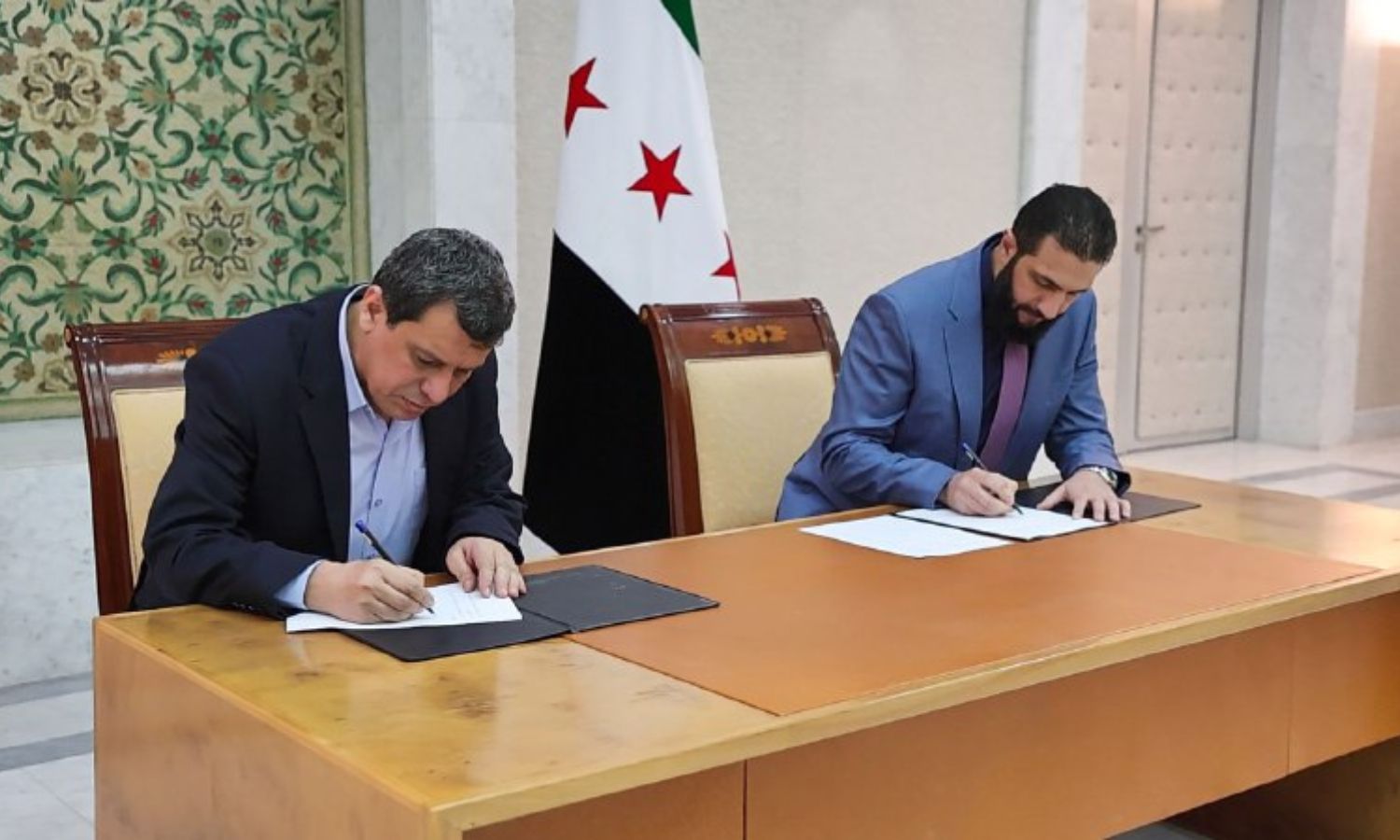
Ending ‘autonomy’: How the SDF-Syrian govt talks broke down into a fight
Mada Masr spoke with sources in the SDF, the Syrian government, Turkey and regional diplomats
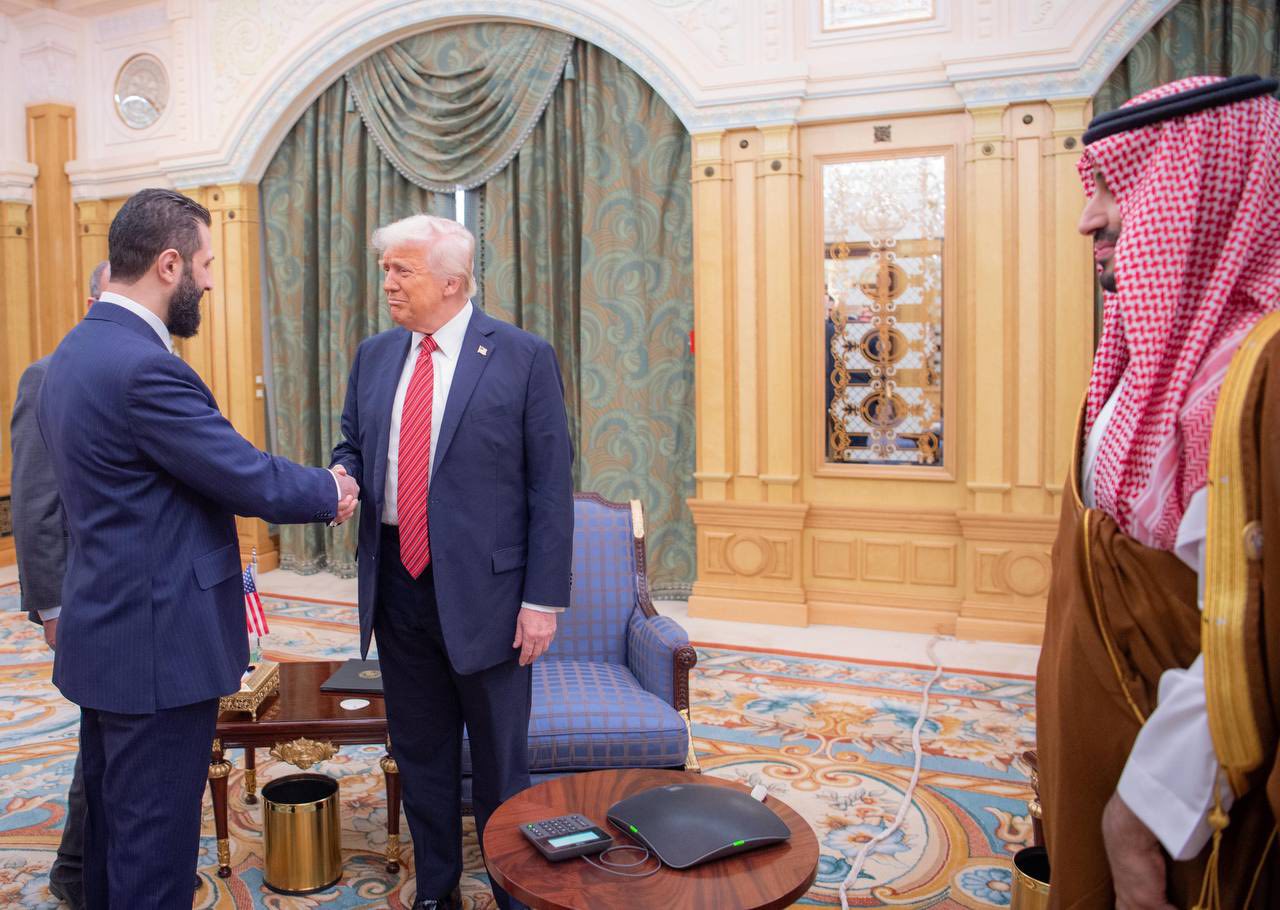
The New Syria, under Israeli-American construction
Syria’s future is tied to a broad regional plan, but the US and Israel are in the driver’s seat.
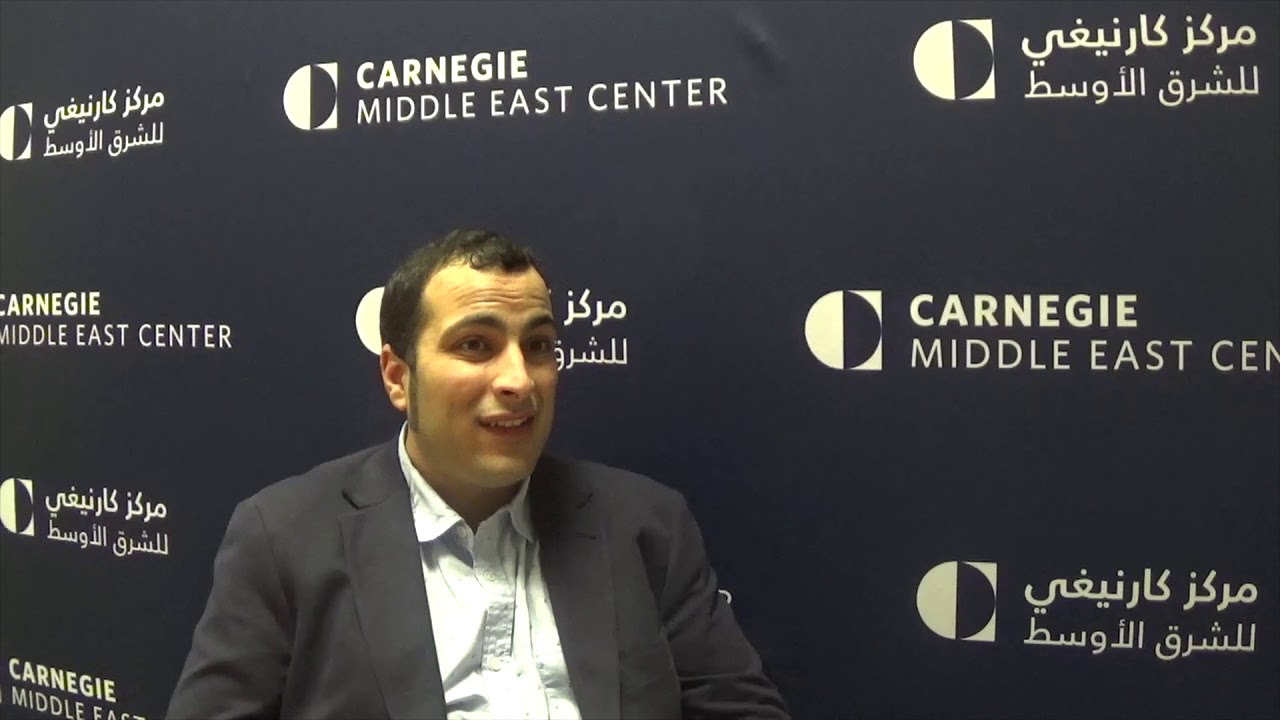
From Aleppo to Damascus, on how Assad fell and what’s next: An interview with Yassin Suweiha
Suweiha takes us through ten tumultuous days that began with Hayat Tahrir al-Sham entering Aleppo.
Your support is the only way to ensure independent, progressive journalism survives.
You have a right to access accurate information, be stimulated by innovative and nuanced reporting, and be moved by compelling storytelling. Subscribe now to become part of the growing community of members who help us maintain our editorial independence.
Join us