
Over 100 on hunger strike in south Khartoum prison after detention by coup forces
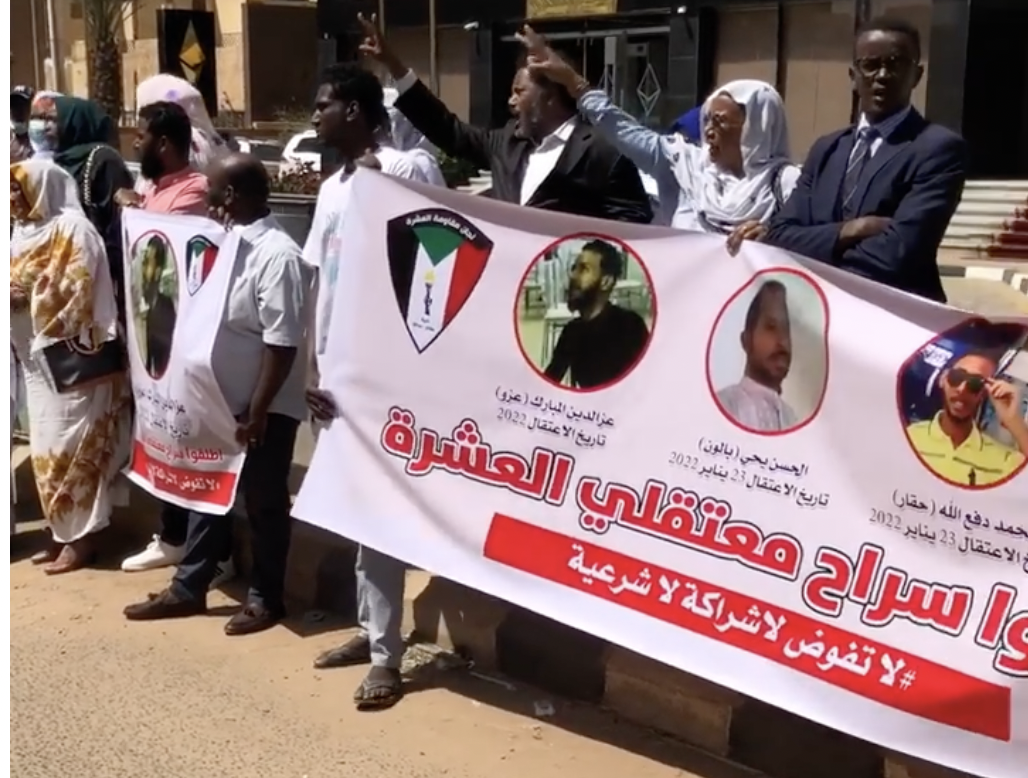
Ezz Eddin Mubarak, 24, was sitting with two friends at a coffee shop in Ashra, a neighborhood in Khartoum’s south, on the evening of Sunday, January 23, when the three young men were surrounded by a heavily armed military unit.
As they were arrested, armed personnel used violence against nearby residents, including beatings, torture and abuse, according to a local resistance committee, one of the decentralized groups that have led months of protest in Sudan against the joint security forces that overthrew the transitional government in October.
Mubarak was forced to board a military vehicle that transported him and his friends, Al-Hassan Yehia and Mohamed Dafaa Allah, to Soba prison, around 20 km south of the Sudanese capital.
Over 100 detainees began an open-ended hunger strike on Monday to protest their prolonged detention without legal charges at Soba, where cells are filling fast with those arrested at public protests or at their homes, as military forces and the Rapid Support Forces, a militia commanded by the deputy head of the sovereign council, continue to use force to suppress opposition across the country to military rule.
They are just a few of what one activist group says are over 3,000 people have been detained since the coup, while at least 81 people have been killed by security forces in the same time period and over 2,000 injured in protests against the military takeover and calling for civilian rule.
Protesters, including the families of those imprisoned and a group of lawyers tackling the arrests that have proliferated since October, staged a sit-in in front of the Khartoum offices of the UN's human rights body on Wednesday.
"My son has been on a hunger strike for three days, and I am holding the government responsible for any harm that may befall him,” said Mubarak’s mother, speaking at the protest. “I don't know anything about his condition. We have no news about him and we have not been able to contact him."
Mubarak’s family, along with the families of other people in detention, said they felt unable to engage legal counsel to secure their loved ones’ release, as they are completely in the dark about the conditions in which they are being imprisoned and the charges they might face.
The Central Committee for Sudan Doctors, a group of medical professionals that has provided support at protests during the 2018 revolution and following the coup in October, said in a Monday statement about the hunger strike at Soba that some of those held have not been charged, and others have had investigations into their cases “deliberately delayed in order to prolong their physical and psychological abuse."
"Dissidents,” said the statement, including members of professional bodies, political movements and resistance committees, have faced “brutal conditions” since the takeover of the military regime.
The doctors group described people being kidnapped from the streets, from their workplaces and from their homes and led away with no arrest warrants and “in a humiliating manner that goes against any humanitarian values." In January, a group working to advocate for those who have been unlawfully detained or killed presented a statement to the Sudanese public prosecutor, requesting a probe into the situation at Soba prison and an investigation concerning unlawful detention.
Adama Dieng, an adviser on human rights in Sudan to the UN, called on Sudanese authorities on Tuesday night, "to ensure prompt, independent, and impartial investigations into the killing, injuries, and arbitrary detention of protesters and members of the resistance committees and bring those responsible to justice."
Along with dissolving the government and suspending the transitional constitutional agreement, the head of Sudan’s armed forces General Abdel Fattah al-Burhan instituted emergency law in October. Burhan issued a decree vesting military personnel with the power to detain, search and enter any premises with impunity, as well as to instate curfews and control movement. The decree also assures military personnel cannot be prosecuted for groundless detention.

تقارير ذات صلة
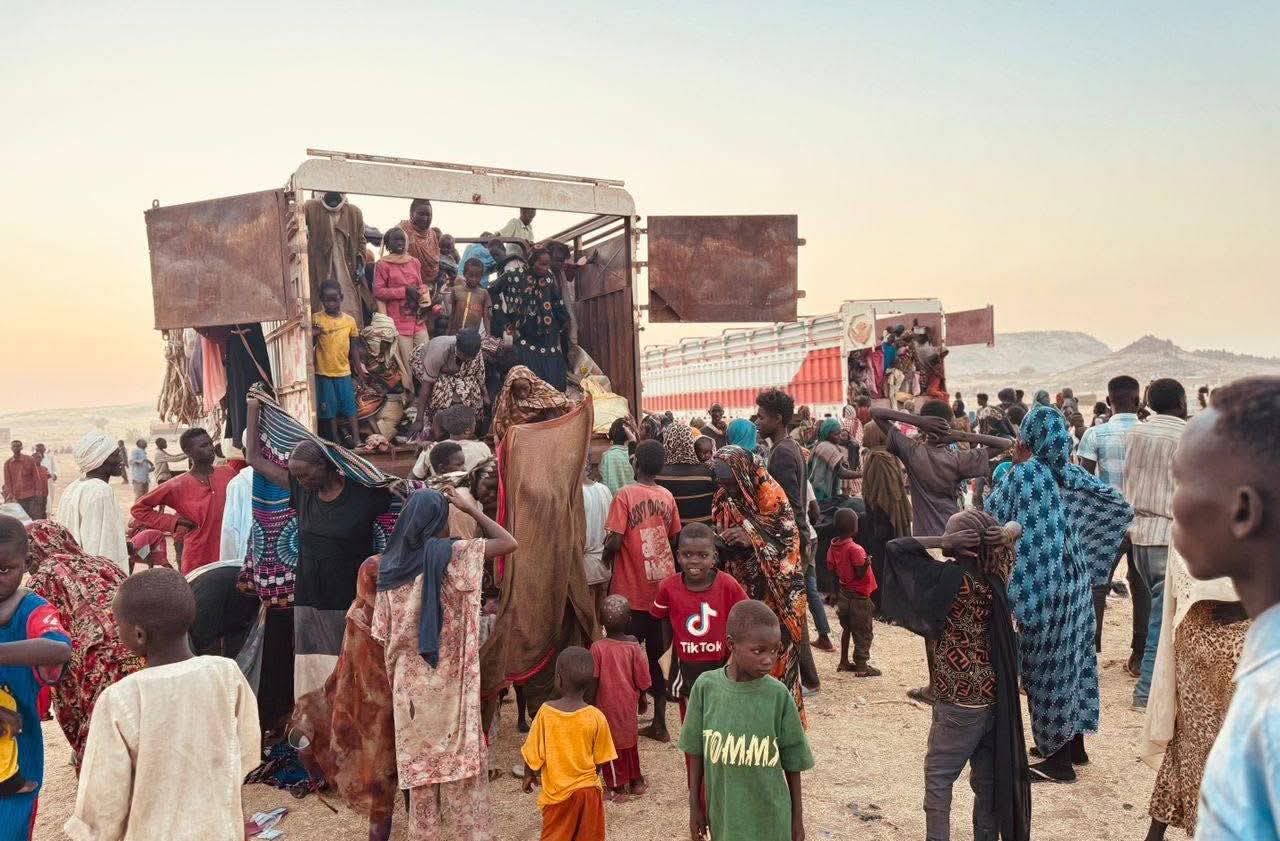
‘Unable to erase the sight of the dead from our minds’: Scenes from Fasher’s fall
Survivors of the RSF's massacres in Fasher recount the harrowing scenes of the city's capture.
The fall of Fasher: ‘Darfur’s old wound that has never healed’
The fall of Fasher to the RSF marks a turning point that may reshape the future of Sudan itself
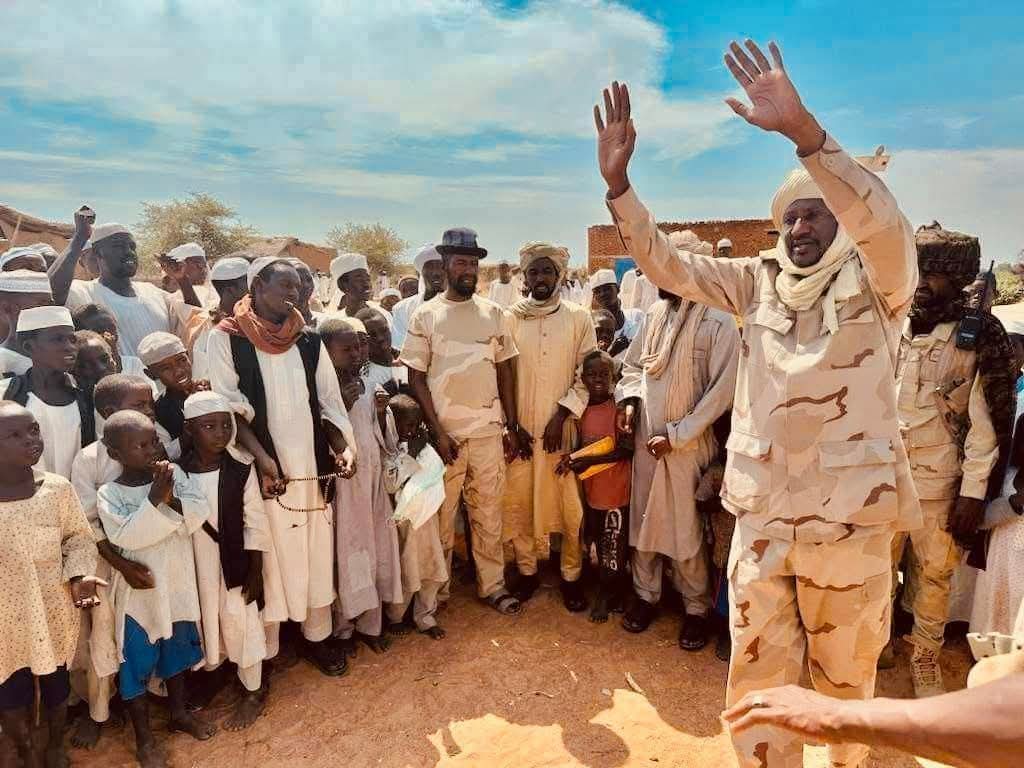
Out of scorched earth: The future of the RSF lies in Abdel Rahim Dagalo’s hands
Far from Khartoum, where the two Nile rivers converge and Sudan’s economic and political elite have wielded power for decades, Abdel Rahim Dagalo — deputy commander of the Rapid Support…
Your support is the only way to ensure independent, progressive journalism survives.
You have a right to access accurate information, be stimulated by innovative and nuanced reporting, and be moved by compelling storytelling. Subscribe now to become part of the growing community of members who help us maintain our editorial independence.
Join us