
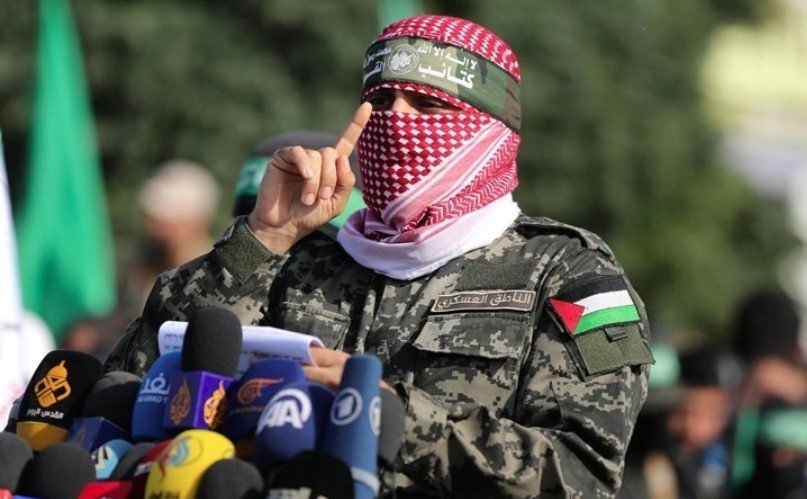
As Israel continues to bomb the Gaza Strip, its propaganda machine is working at full speed, providing the world with the IDF’s moral imperative to “win the war against Hamas”.
It has portrayed Palestinians, of whom it has killed nearly 20,000, as backward savages, and Hamas as a terrorist organization whose motives are akin to the Islamic State.
In a wave of fast-traveling claims, many unconfirmed and later debunked, the Occupation said that Hamas’s target during the October 7 attack was the mutilation of Israeli civilians.
The Israeli government’s logic was clear: destroying Gaza and eliminating the terrorists was the only way to save the Israeli hostages held by Hamas.
Then on November 24, day three of the seven day truce between Hamas and the Occupation forces, a video was released by Hamas showing the Qassam Brigades fighters in the heart of Gaza City, where the Occupation had declared near victory, delivering the initial round of hostages as part of the exchange. The moment the Israeli prisoners were freed has since become a viral scene, where they were shown unexpectedly sharing smiles, greetings and warm goodbyes with the Hamas fighters who held them captive.
In response to clips of the exchange, an Israeli official later alleged that the prisoners’ equanimity was drug-induced.
Now — nearly three months in — the current period of Israeli aggression represents the most violent assault on Palestine since 1948. But this three month period has also been characterized by Hamas’s measured political statements, their use of humor to disparage the Israeli military and their high-definition videos showing military wins against Occupation forces as well as friendly interactions with Israeli prisoners. The resistance media dispelled the two-dimensional image that was constantly perpetuated by the Occupation, Palestinian and Egyptian analysts tell Mada Masr.
Yahya Sinwar is a good example. Tufan al-Aqsa is reported to be the result of Qassam Brigades commander Mohammed Deif’s planning, alongside Sinwar, who was released from Occupation prisons in 2011 in exchange for the release of Occupation soldier Gilad Shalit from Gaza. . But Sinwar’s role is prominent in Israeli narratives, as a figure who had long deceived the Israelis to later surprise them. “Even in his last negotiations with Israel through Egyptian mediators, he asked for more permits for workers from Gaza to work in Israel. Then, 20 days later, the October 7 operation was launched. So, they see him as deceptive,” says Max Planck research fellow Imad Alsoos.
“Israel portrays Sinwar as omnipotent, completely in control of Hamas and the mastermind behind everything that happened,” notes writer Mahmoud Hadhoud.
This exalted image of Sinwar is in large part due to Israel’s obsession with him, says Senior Fellow at the Institute for Palestine Studies Mouin Rabbani. “The Israelis have completely personalized this war,” he said.
Sinwar once again dominated Israeli media during the truce, but he did not confine himself to the role they had set out for him. He led negotiations for the prisoner swap deal, says Rabbani. Again, Sinwar appeared in Israeli media, but this time in the stories of Israeli captives coming out of Gaza who said he met with them, spoke to them in fluent Hebrew, and promised they would be safe and taken care of until they were released in exchange for Palestinian prisoners.
Some of the prisoners noted they had been in more danger from the Israeli bombardment, adding more fervor to a growing sentiment in favor of a longer ceasefire and a larger prisoner exchange.
For Rabbani, Sinwar’s appearance in the moment the prisoners were released threatened the Israeli and American narrative According to Rabbani, the appearance signified to the public that “your leaders told you they were going to destroy us and get their captives back without negotiations,” but instead, Israel was forced to engage politically with Hamas, which is something the organization insisted on and it was what facilitated the hostage releases.
“It shows that they’re organized, respect basic standards of human decency and can deal with children and elderly women and so on. That’s also a message to the outside world because of all the crazy analogies that have been made with ISIS,” Rabbani notes.
Israel has sought to isolate Sinwar, placing him at the top of their capture list and offering US$400,000 in exchange for information. But Hamas has established its own narrative around the leader. "And in case Israelis were thinking — like the US did with Zawahri — of announcing that they have eliminated Sinwar, he beat them to the punch," says Rabbani.
Another goal was achieved by Hamas’ media strategy: the videos of the hostage releases were an opportunity for Qassam fighters to further refute Occupation military narratives about its advances in the Gaza Strip.
On each night hostages were released, Qassam fighters appeared out of nowhere, along with the hostages, in different locations across the strip. These included parts of the north, like Gaza City, where the Occupation claimed it was in control and was close to eliminating Palestinian resistance.
“This is meant to send a message, not just to Palestinians, Arabs and Israelis, but also to the rest of the world: we’re still here, we’re still in control. If you think this is going to be easy, think again,” Rabbani said, referring to Qassam fighters’ presence in hostage release locations.
Since the start of the aggression, video production has been one of the most powerful tools in Hamas’s media arsenal. There is no better example of this than the high-quality videos frequently released by the Qassam Brigades of its field victories against the Occupation forces invading Gaza, a tradition that began in 2014 with the video of the brigade fighters’ raid on the Nahal Oz military base.
“The videos played a great role in showing that the resistance is well, reliable, resilient and can keep fighting and that Israel failed its stated targets for the first phase of its ground invasion,” says Alsoos.
Now with even higher quality and more advanced equipment, the viewer can live through scenes of Qassam fighters coming out of hidden tunnels or from between damaged buildings to destroy advanced Occupation military vehicles from the fighter’s point of view and at no distance.
It’s a morale boost that leaves supporters of the resistance across the region waiting impatiently between the video releases. The red triangle aiming downwards, the marker used in the videos to point to enemy targets, has already become a new symbol of Palestinian resistance.
According to Rabbani, the videos are also sending a message to the Israeli public about their leaders: “They’re telling you they’re on the verge of victory. We want to show you reality.”
Rabbani compares this to a tactic employed by Hezbollah in the 1990s. “The videos demonstrate to Israeli public opinion that their own leaders are lying to them,” he says.
The back-and-forth of claims and counterclaims between Israel and Hamas reached a pinnacle this week when the Occupation released video footage of a part of the tunnel network under Gaza, claiming it was the largest portion of the network it had found so far. A tongue-in-cheek Hamas statement said that the Occupation had arrived “too late,” since the tunnel had already been used in the October 7 operation.
Analysts note that Hamas’s media strategy has allowed them to set their own narrative and to reach a wider audience. “Before October 7, Hamas was pretty much talking to a Palestinian, an Arab and an Israeli audience,” says Rabbani. But now, he believes, “they have a better understanding of their audience than before,” and more people are listening.
Hadhoud and Alsoos highlight a major development in Hamas’s messaging — the daily press conferences held by Osama Hamdan in Lebanon. Hamdan uses restrained language and fact-checking to refute and counter propaganda coming from Israel and its military, such as their claims about Shifa Hospital being used as a base for Qassam fighters.
Similarly, the military updates coming from Qassam Brigades spokesperson Abu Obaida, the most well-known spokesperson of the last months, have been very thorough in describing the Qassam Brigades’ military operations “without inflating or underestimating its capabilities,” says Hadhoud, adding that this has “created great trust in the brigades’ statements, raising their ability to counter Israel’s propaganda about its military victories.”
At the same time, some of the language used by Hamas’s main public figures, such as their political leader Ismail Haniyeh as well as Obaida, has changed. “Both Haniyeh and Abu Obaida began simultaneously within the first two weeks of the Israeli onslaught to use terms like ‘Nazi’ and ‘fascist’ to describe the Israeli military and state—stigmas that would be understood by the international community and public opinion,” says Hadhoud.
“Hamdan describes what’s happening as a holocaust,” says Alsoos, “speaking to a global language and the symbols it uses to describe genocide.”
Hamas’s public channel on Telegram have also addressed speakers outside of Israel, denouncing a Human Rights Watch report that it accused of mirroring Occupation propaganda about the Ahli Arab Hospital, praising a Le Monde investigation that refuted Israeli claims, holding the United States responsible for its support of the Occupation’s war on Palestinian civilians, and even inviting Elon Musk to visit Gaza and witness the devastation himself just as he had visited the Israelis.
This more universal language, focusing on national liberation and moving beyond earlier rhetoric which spoke primarily about Arab and Islamic solidarity, “allows them to present themselves as not a terror group or a new ISIS as Israel is trying to present them, but a political group that follows humanitarian principles and international law,” says Hadhoud.
Alsoos comments on this shift in tone. “The language speaks to Palestine being a just cause, which is the main reason people, even in the Arab world, support the Palestinian cause, not only because they’re Arab or Muslim.”
For one, Rabbani notes the different ways Abu Obaida’s statements address the Arab world. “There’s a regional public opinion, [he’s] trying to encourage them to more proactively act in defense of the Gaza Strip. And there’s also an element of shaming governments in the region [with messages like] ‘your words are not enough,’ ‘it’s time for action,’ ‘people are being slaughtered,’ ‘these are your people,’ ‘what are you going to do about it?’ ‘You need to utilize your relationship with the US,’ ‘it’s shameful you still have relations with Israel,’ and things like that,” he says.
But more importantly, pointing out Abu Obaida’s repeated references to Israeli hostages being killed by Israeli airstrikes on Gaza, Rabbani notes that “Hamas recognized there was a growing movement of Israeli public opinion calling for a truce. They were telling the public more broadly that if you want these people back, it will be through negotiations and not through this crazy genocidal bombing campaign.” According to Alsoos, Hamas started differentiating between the discourses directed to the Occupation government and the Israeli public.
*********
During the truce, the world saw, “the huge discrepancy between Hamas supporting people with their wheelchairs, versus Israeli soldiers breaking into houses and warning people against showing any joy in the return of their children from Israeli prisons,” says Rabbani.
Since the week-long truce ended on December 1, the Occupation has resumed its devastation of Gaza, moving in to destroy southern Gaza with airstrikes just as it did in the north. As this piece is being written, a new video was published showing Qassam fighters destroying more Occupation tanks. At the same time, the Occupation media and state, with support from their US counterparts, continue to recycle early narratives of Qassam fighters committing mass rape and sexual assault on October 7. This time, Hamas responded with a statement accusing US President Joe Biden of repeatedly lying to cover up genocide and ethnic cleansing carried out with US weapons.
Three Israeli hostages reportedly holding white flags were shot by Occupation forces in northern Gaza and the bodies of others were recovered after being killed in Israeli airstrikes.
The Occupation’s narrative may no longer be such an easy sell, now that the world is witnessing in real time that the real threat to Israelis held captive in Gaza is not Hamas, but the Occupation itself.
تقارير ذات صلة
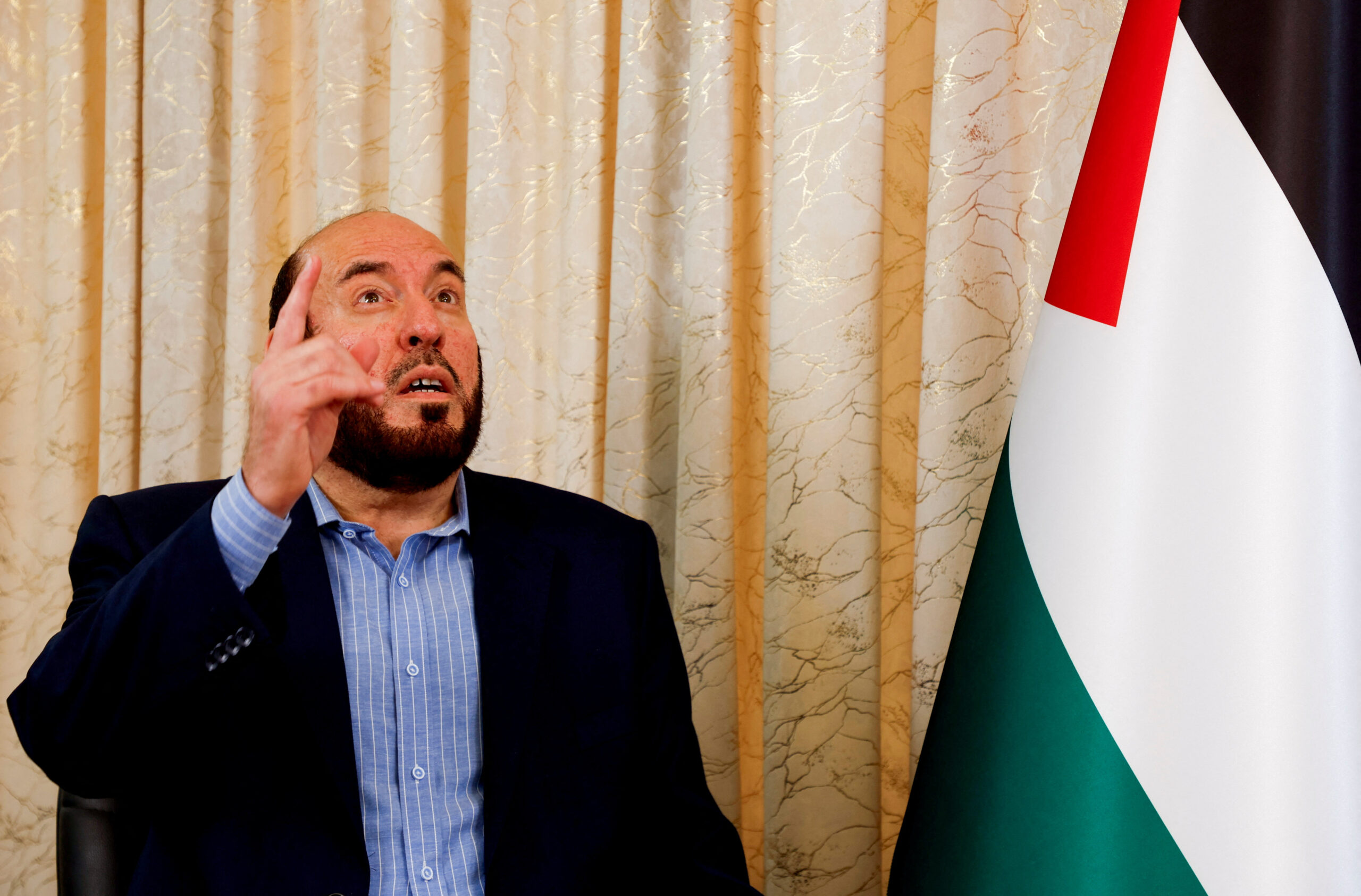
‘Resistance will persist’: Q&A with Hamas leader Mohamed Nazzal
Hamas leader discusses Qatar strike, snags in ceasefire, steps for technocratic govt
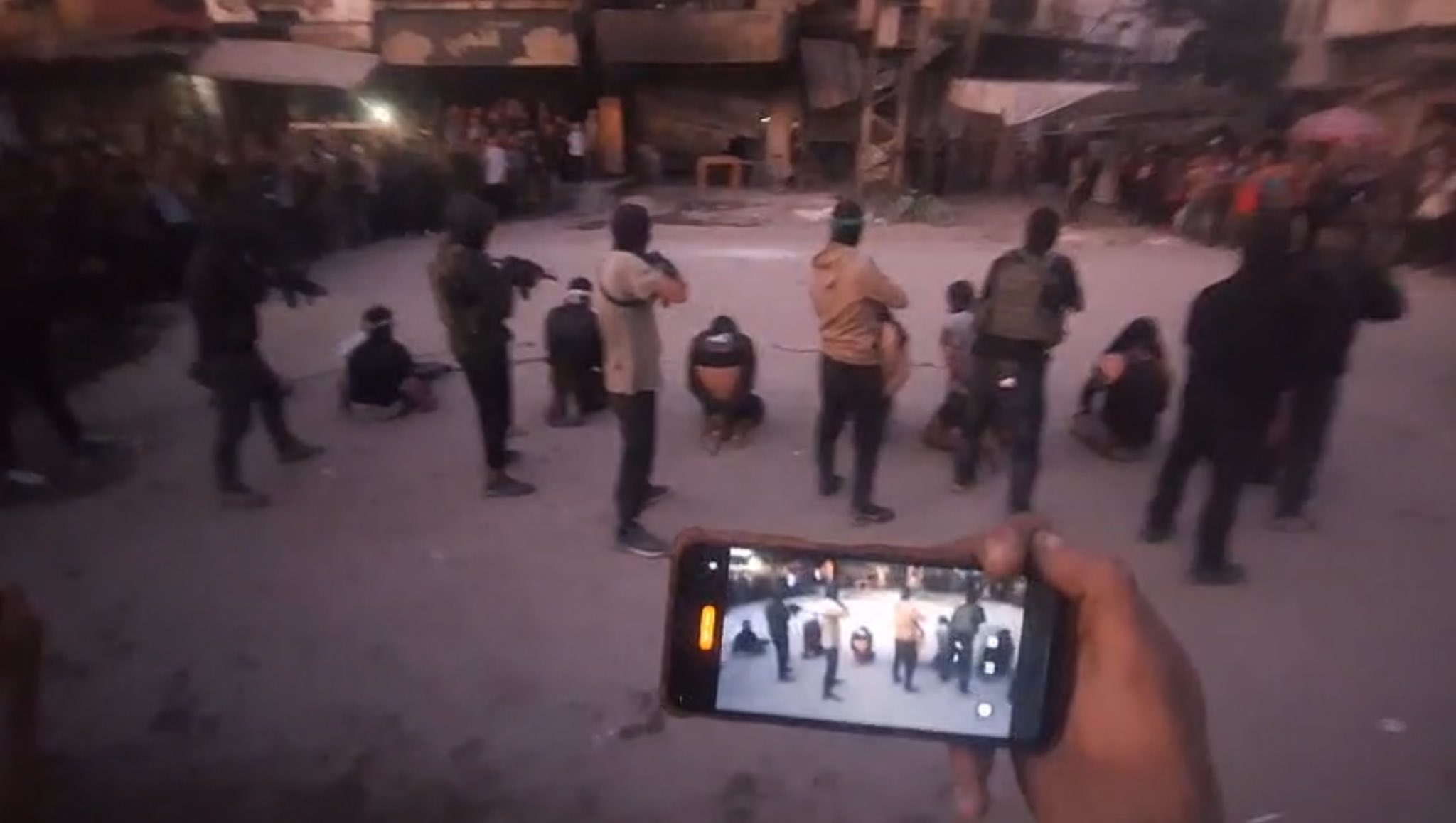
The fate of the ‘fallen’
How the ceasefire has prompted recalibration between Gaza families and Hamas
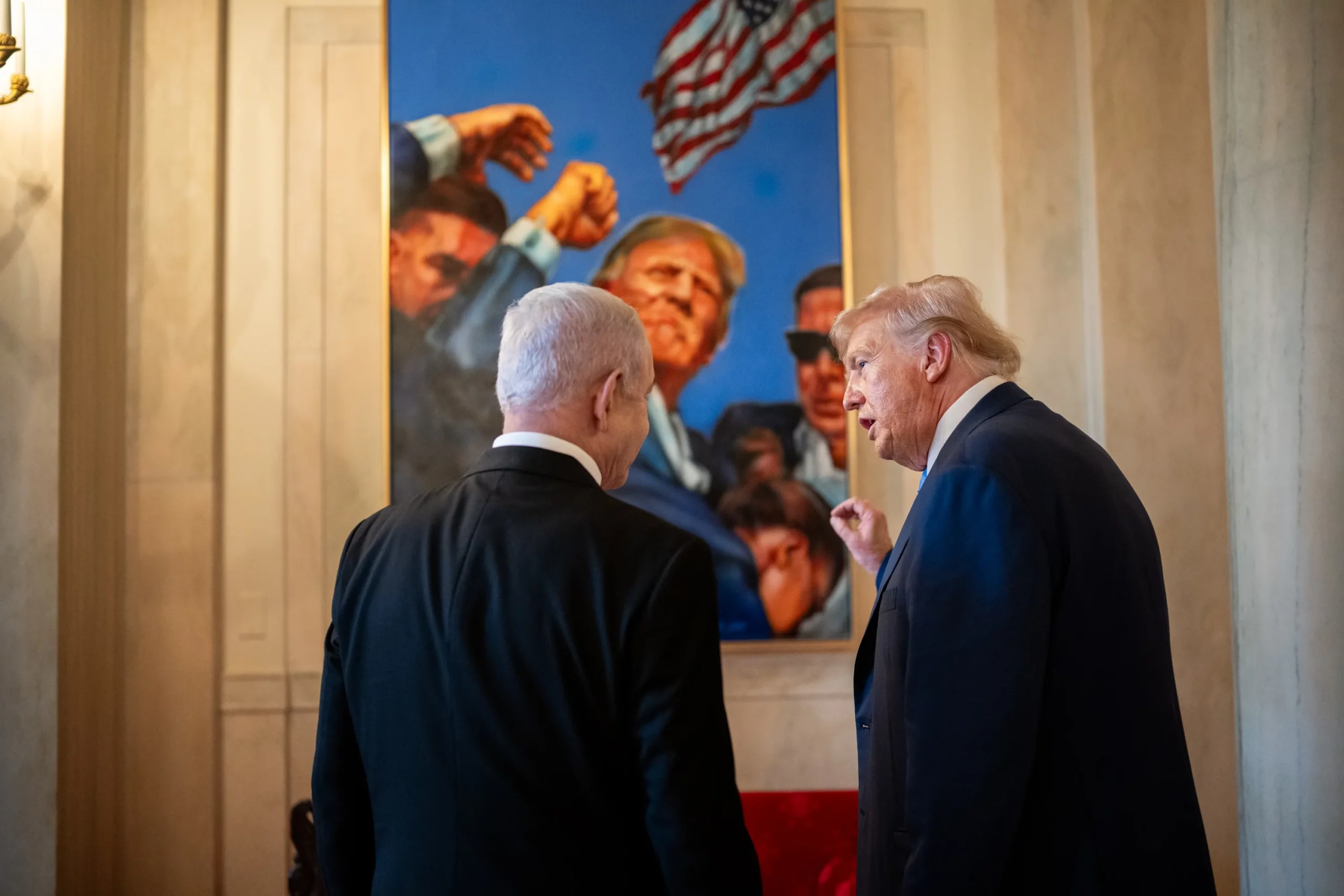
The Board of Occupation
“We call it the board of peace. Sort of a beautiful name, the Board of Peace."
Your support is the only way to ensure independent, progressive journalism survives.
You have a right to access accurate information, be stimulated by innovative and nuanced reporting, and be moved by compelling storytelling. Subscribe now to become part of the growing community of members who help us maintain our editorial independence.
Join us