
Egypt’s cinematic gems: A Resident of the City
Dust and a bag of chips blow along a curb. A male narrator says “One of two things: control your own life and live safe, or let your life control you — in which case there is no safety.”
Then we see picturesque shots of Cairo, while the narrator talks of gambling and hustling, the smell of the streets, smoke and noise. The camera’s viewpoint lowers itself to ground-level as he takes his time revealing himself, creating suspense for the upcoming story.
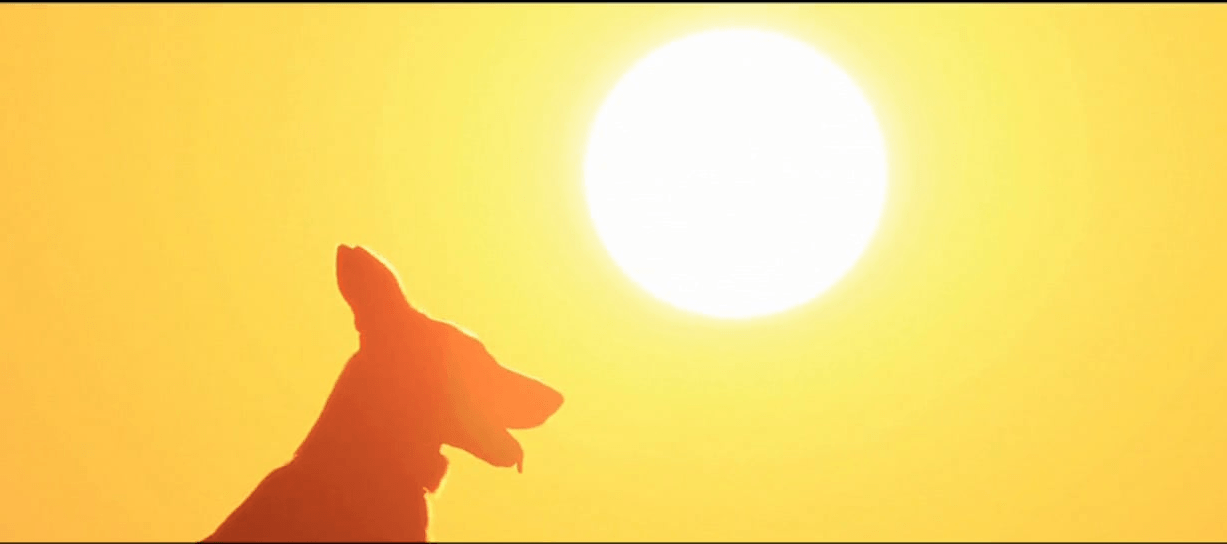
This endearing 16-minute docufiction, made by Adham ElSherif in 2011, is about a street dog. Ahad Sokan al-Madina (A Resident of the City) is sort of a gangster western about a pack of dogs living in downtown Cairo, complete with Tarantino-esque music. But it also stars the city itself, with its pollution, its dog-eat-dog way of life in which friends only have each other, and its yellowish color palettes.
A Resident of the City was made while ElSherif studied at Cairo’s High Institute of Cinema. For a student film, it is well-crafted, wittily written and concise, which is why I think it counts as a “cinematic gem.” And the director has made it available for free streaming online (with subtitles) so anyone can access it.
Freedom is the main theme. The protagonist tells us his story, and the story of street dogs and humans in the city, through a narration written by Atef Nashed voiced by Adel Abdel Razek, laid over and thus shaping, along with the sometimes comic, sometimes dramatic music borrowed from American westerns, the documentary footage carefully collected by following dogs.
The dog explains that even though other animals might have what they need of food and shelter, they are chained, trapped, domesticated while he runs the streets freely. The climax involves a fight with other dogs in the neighborhood over the territory that he and his gang, Gamila and Zinga, eat and live off. It’s in a dire state, but freedom makes their hardships worth it.
The commentary is sharp and funny, mixing observations made while watching and filming the dogs with the filmmakers’ focus on of freedom of movement and choice. The narration adopts a “gangster” accent in keeping with conventional portrayals of shady or underprivileged characters. While the tension flags at times due to the limits of matching dogs’ behavior with a quite classic narrative arc, the light-hearted tone makes us happy to play along.
Although the filmmakers have previously said that the film is only about street dogs and does not elude to the political events of 2011, it's difficult not to view it in that context. We see the same graffiti-filled streets where protests and clashes took place, and it’s hard not to tie the street dogs’ plight with those who took to the streets demanding freedom.
Besides the footage of the dogs — edited, for the most part convincingly, to serve the narration — the cinematography adds a poetry to the film. The introductory clichéd shots sunrises over monuments, crowded roads, dust and smoke, deliberately descend into a darker, more grounded take on the city. The film is an ode to Cairo told through marginal figures that populate its center.
Almost the only evidence of humans we see are their legs, tools, brooms, cars and litter — reminding us that we are not the city’s only residents. And so Sherif's film gives a taste of a different life in Cairo from a novel perspective in under twenty minutes.
ElSherif's career seems to have taken him in the direction of advertising since A Resident of the City, and he’s directed various TV spots. I hope to see him direct his own films in the future, because if it shows anything, A Resident of the City shows that he has bold, unusual ideas and an eye for visual narration.

Rowan El Shimi
Rowan El Shimi is a culture journalist from Cairo, but she often finds herself working on stories all over the country, especially Alexandria. She covers a range of topics in culture, mostly…
تقارير ذات صلة

Avant-titre | Our bread, our dignity: Bread in Egyptian cinema
This episode of Avant-titre is part of Mada Masr's Bread politics, an eight-part series that takes an in-depth look at bread subsidies in Egypt in the context of recent talk…

Video | Privilege and responsibility: A letter from Carol Mansour
Carol explains why allowing the voices of others to be heard helps to make the world a better place

Video | The archivist
Over decades of collecting, Makram Salama has turned his home into a cinema archive.
Your support is the only way to ensure independent, progressive journalism survives.
You have a right to access accurate information, be stimulated by innovative and nuanced reporting, and be moved by compelling storytelling. Subscribe now to become part of the growing community of members who help us maintain our editorial independence.
Join us