
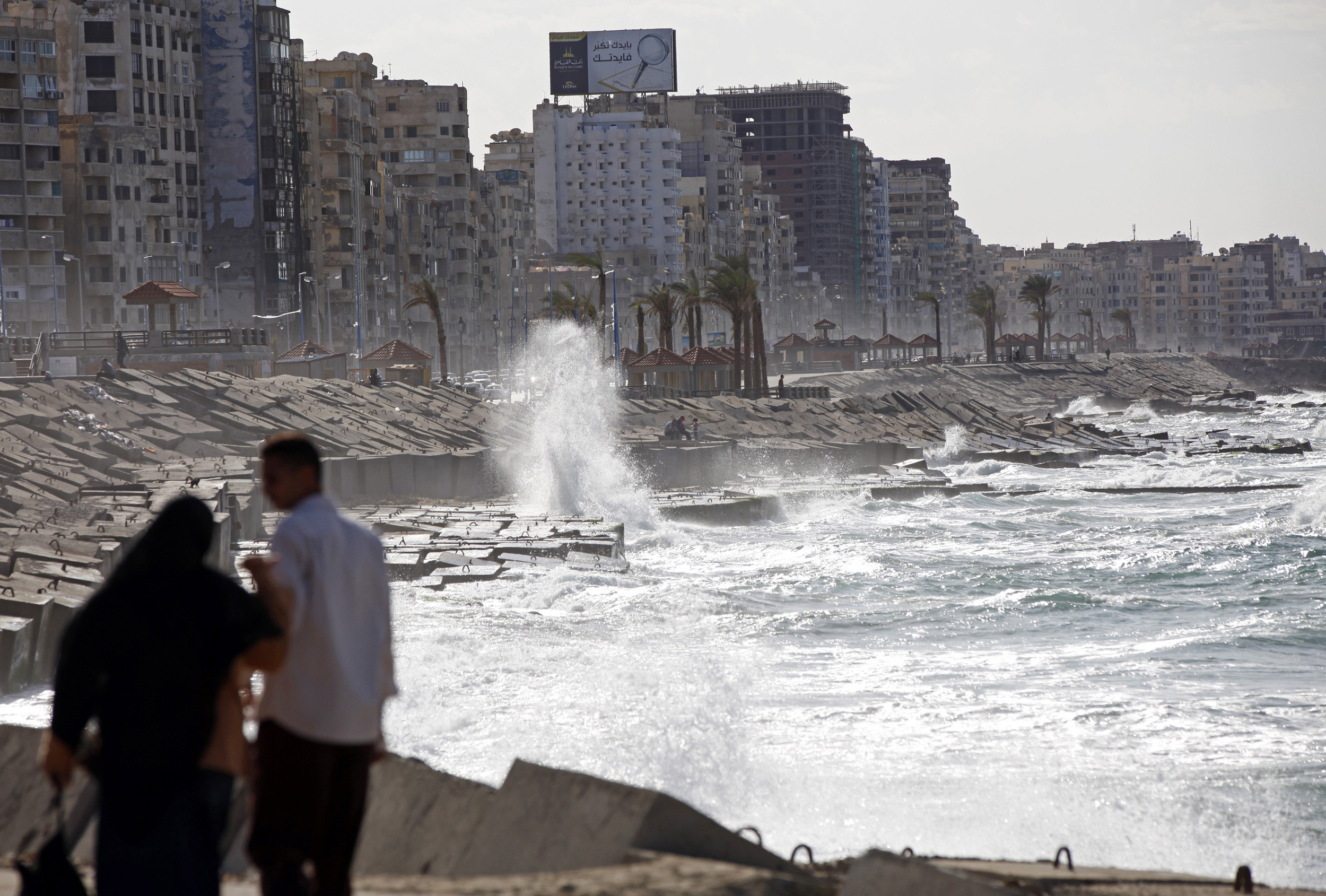
As IPCC report shows rising global south emissions, environment expert points to historical responsibility of developed nations
In a new report, the United Nations’ climate body renewed its warning that temperatures will cross dangerous thresholds if carbon emissions are not reduced beyond the rates that countries have committed to thus far.
The latest Intergovernmental Panel on Climate Change assessment report, released in April, notes the distribution of harmful emissions across developing and developed countries.
While developed countries still bear the greatest responsibility for carbon dioxide emissions — the primary driver of climate change, both at present and historically — the report shows that total emissions from developed countries have contracted substantially over the last decade. Emissions from developing countries, while starting from a much lower point, have, by contrast, increased.
Commenting on the findings, environmental researcher Ahmed El-Adawy tells Mada Masr that it is important to understand the context in which these developments are taking place. Otherwise, he says, we face the risk of this data being used to skew the priorities of climate-related efforts in developing regions, particularly in Africa.
The data could be used to reinforce an existing bias for a focus on mitigating further climate change, according to Adawy. This policy predisposition is demonstrated by the fact that the lengthy third section of the report is solely dedicated to an assessment of mitigation efforts, says Adawy, namely lowering greenhouse gas emissions, and to recommendations for mitigation policy and technology.
Instead, Adawy said that data should be used to direct attention toward the much-needed adaptation measures that will allow us to survive the impacts of climate change.
Mitigation is not a priority for Egypt, and Africa in general, according to Adawy, who believes global targets for lowering emissions should account for developing nations’ developmental needs, while focusing instead on adaptation.
According to the IPCC report, emissions from developing countries continue to grow, mostly driven by increased consumption and investment. Average per capita emissions from industry and fossil fuels in Africa, Asia and developing Pacific, and Latin America and Caribbean grew by 26 percent in 2010–2019, while in developed countries, they fell by 9.9 percent in the same period.
As well as measuring overall greenhouse gas emissions, the IPCC also measures the proportion of emissions that are kept in the atmosphere due to the destruction of ecosystems — which act as a natural absorbent for these emmissions — for industrial or agricultural use, as shown in yellow in the graph below. As the report shows, This ecosystem destruction contributed to a larger percentage of total emissions in the three developing regions than in developed ones, according to the graphs below.
Historically, however, the three developing regions still account for just 28 percent of total greenhouse gas emissions from industry and fossil fuels since the industrial revolution, while developed countries have contributed 57 percent.
In 2019, industry and fossil fuel emissions from developing regions were still less than half than those of developed countries, according to the IPCC.

While the figures indicate that, in industry, Africa emits more greenhouse gasses per unit produced than developed countries emit, emissions from industry on the continent are still among the lowest in the world and emissions from consumption are the lowest, Adawy says.

When considering the continued increase in emissions quantities across Africa and other developing regions, and the fact that a relatively higher percentage of those emissions result from environmental damage and land use, Adawy notes that it is important to take into account historical industrial underdevelopment of Africa and its current developmental needs.
Without that context, Adawy warns, that data can be used by developed countries to exert more pressure on Africa’s development goals, or continue to prioritize funding mitigation goals over the continent's much more pressing adaptational targets.
For Egypt in particular, Adawy added, if funding should go towards lower emissions, it should target curbing air pollution in its urban centers — an issue that comes with health costs equivalent to around 1.4 percent of GDP — instead of importing more green energy projects.
تقارير ذات صلة
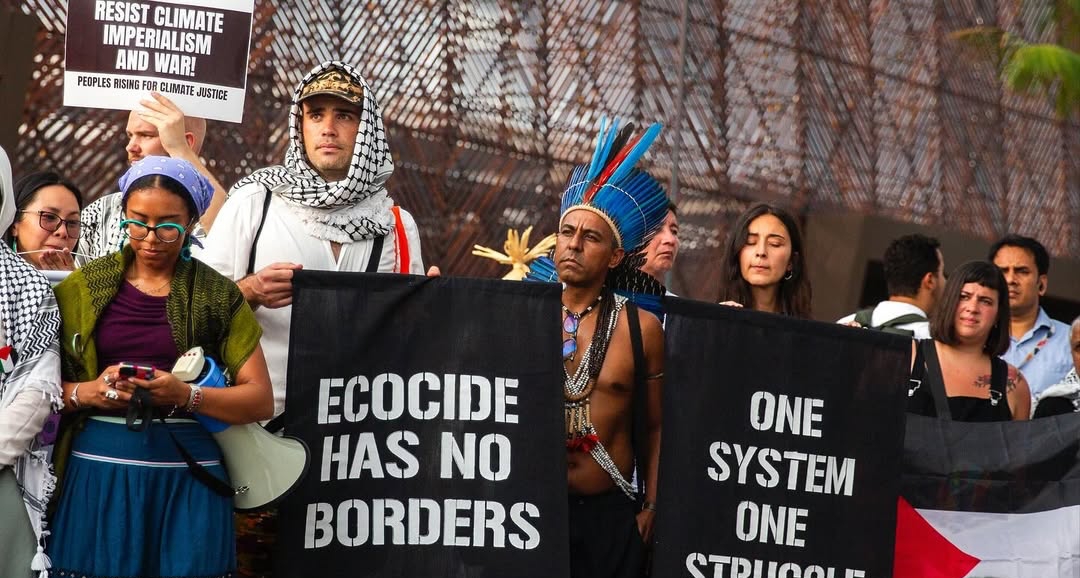
Climate goals flounder in headwind from militarization, competition, AI
COP30 kicked off in Belem, Brazil earlier this week. Delegates from 200 countries are attending. The Climate Action Tracker report released on November 13 shows that the planet is on…
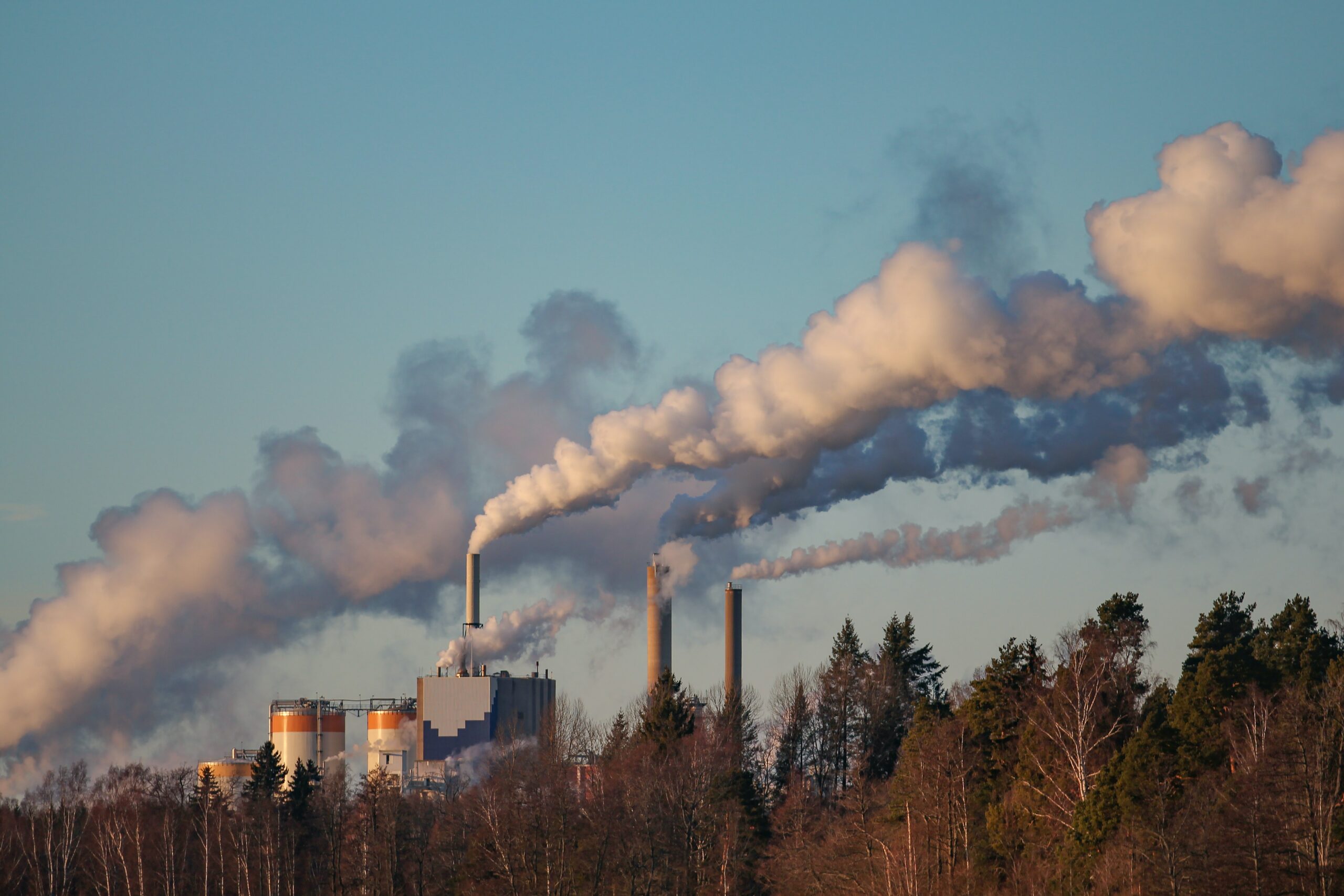
Cashing in on greenwashing? Egyptian solar companies sell carbon certificates to Global North
Some note that carbon trading does little to reduce the net production of harmful emissions.
Egypt at COP26: What shapes Egypt’s agenda in fraught global climate talks?
Egypt has been nominated to host the next edition of the conference next year
Your support is the only way to ensure independent, progressive journalism survives.
You have a right to access accurate information, be stimulated by innovative and nuanced reporting, and be moved by compelling storytelling. Subscribe now to become part of the growing community of members who help us maintain our editorial independence.
Join us