
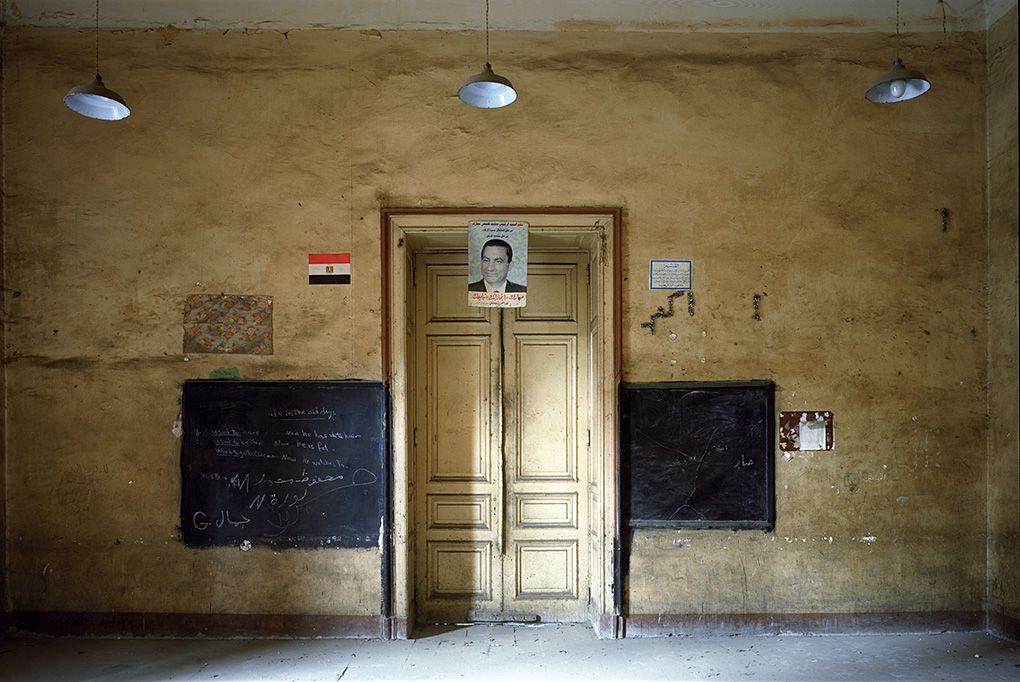
Dust
by Xenia Nikolskaya / From her book Dust We entered by the back door, into complete darkness. My heart was beating loudly, I felt scared, but when the caretaker switched on the light I saw a magical place — totally untouched and covered with a soft layer of dust — a wonderful marble-paved hall dating back to the early 20th century. Here was Sleeping Beauty’s palace. Yet it looked as if it was still occupied, as if the owners had only just left. Beneath a glass ceiling, books and photographs lay scattered around. On one side was the library and a salon, and on the other was the dining room. A pink marble staircase led up to a galleried balcony and to the bedrooms. At its base stood two griffins. Marble, silk, polished wood, crystal, mirrors and paintings. The place seemed to have been transformed into a theater in which a drama had just been acted out — a very private drama — one that fills you with curiosity and guilt, rather like reading someone’s personal letters. It now seems appropriate that my photographic exploration of empty space in Egypt should have started when I stepped into this building, the Serageldin mansion in Cairo. Since then, I have entered many abandoned places, halls of decay and vanishing beauty. Initially, I was looking in these places for traces of the St. Petersburg of my early adulthood. Gradually, however, I found myself drawn by their own stories. I was born in the Soviet Union (a name which, like that of my hometown Leningrad, no longer exists), and studied Ancient Egyptian Art on cracked black-and-white slides with a teacher who had never been to Egypt. The first time I came, in 2003, was as a part of an archaeological mission to Memphis run by the Russian Egyptology Institute. That first trip was overwhelming. I was too busy photographing artifacts and excavations to see much of the country, but nevertheless, I felt a connection. I returned again, this time on my own, in 2006, with the help of the Egyptian Embassy in Moscow. It was an adventure and as Roland Barthes has written — “there is no photography without adventure.” After returning to Russia, the director of the Egyptian Cultural Centre in Moscow was keen to exhibit my work, but at his office, looking through my pictures, he seemed to become more and more upset. Finally, he asked: “Where are the Pyramids?” I told him that I hadn’t found them very interesting, and consequently hadn’t photographed them. That was the end of the meeting. He never called me back. I have been photographing in Egypt for the last five years, but only when I left the country could I formulate my vision for the project. It was during a trip to the US in 2009. In New York, I met photographer Jason Eskenazi, who was working temporarily as a security guard at the Metropolitan Museum. Jason took me there on a Monday, when the museum is closed to visitors. The deserted building projected me back to childhood and evening school visits to the Hermitage Museum. That day also revealed something to me that I had seen before but felt I was encountering for the first time: “The Milkmaid,” the famous painting by Jan Vermeer, was on display. During visiting hours, it was simply impossible to even get close to it. In the picture she is alone (and in a closed museum, even more so), but she doesn’t appear sad. In the background, on a fine ceramic tile, we can see Cupid shooting his arrow. The story is complete: She is thinking of her lover. At that moment, I realized my theme: absence. It was what I had been thinking about all along. ... And so when I finally stepped out of the Serageldin mansion in to the present darkness time begin again. Only later did I discover the stories beneath the dust... This work took five years. Strangely, the last pictures were taken on 17 January, just before the 25 January revolution, and the final selection was completed on 11 February — the day Hosni Mubarak stepped down. Xenia Nikolskaya’s work can now be seen at "Mathaf: Arab Museum of Modern Art" until the end of March 2013 as part of the exhibition "Tea With Nefertiti." Her book "Dust" can also be found in many local bookstores or online.


بانوراما أخرى
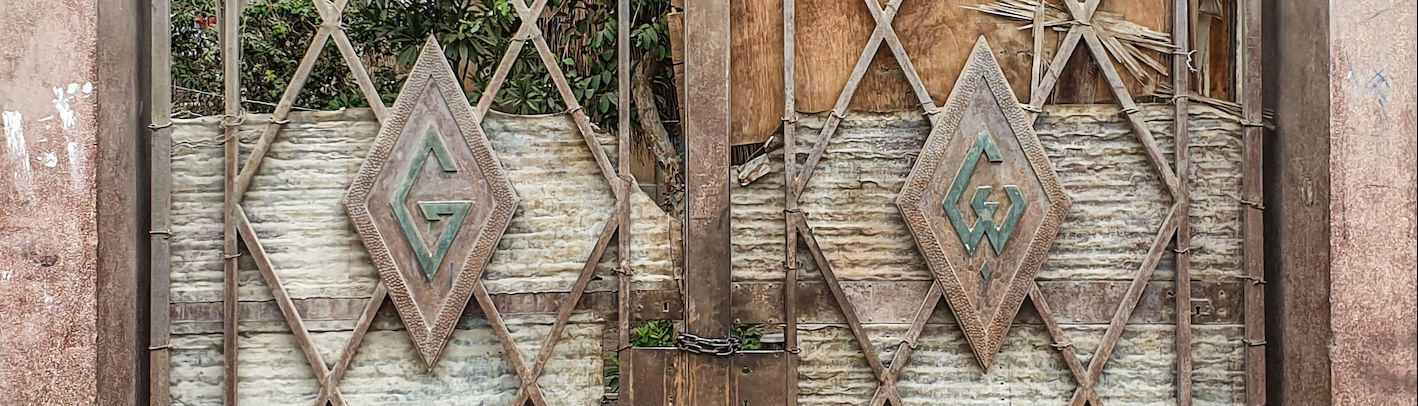
Signed and initialed for all to see
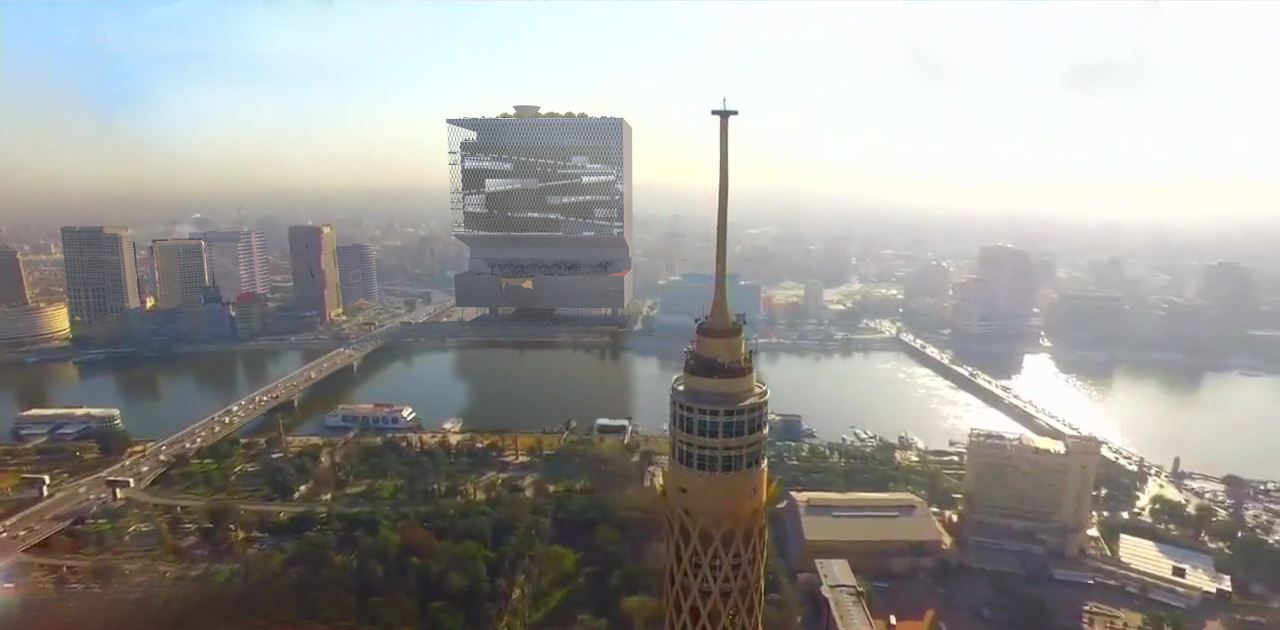
From NDP to PDN
The message needs to be “blatant and intense.”
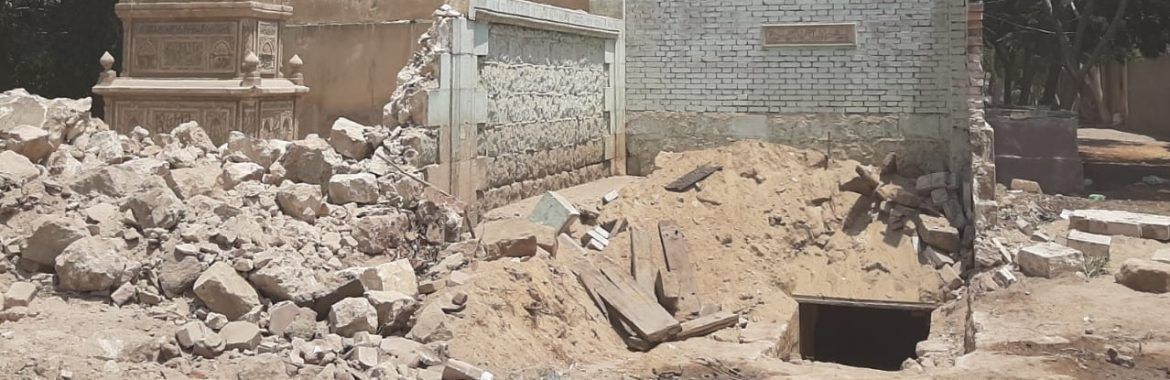
Q&A | Architect Ahmed Mansour on how one-size-fits-all urban planning, overpasses threaten Sayeda Aisha neighborhood’s history and organic structure
Areas of historic Cairo are again being cleared to make way for overpass expressways.
Your support is the only way to ensure independent, progressive journalism survives.
You have a right to access accurate information, be stimulated by innovative and nuanced reporting, and be moved by compelling storytelling. Subscribe now to become part of the growing community of members who help us maintain our editorial independence.
Join us