
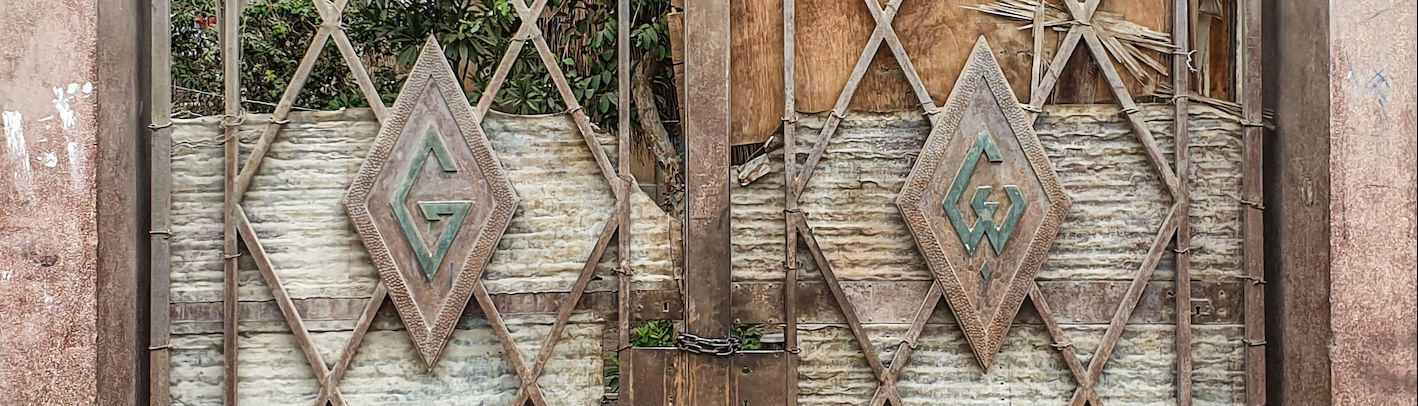
Signed and initialed for all to see
The origins of incorporating property owners’ initials into the design of building façades goes back to Medieval Europe, when monograms were affixed to imposing buildings as a marker of identity and social standing. The practice was brought to Egypt by the foreign communities that settled here, although a similar Egyptian practice dates back to ancient Egypt, whereby ruling kings’ names were engraved in a cartouche on buildings constructed under their reign. In medieval Sultanate Egypt, rulers continued to engrave their names in round emblems on built structures, thus preserving their names and titles in the material markers of place.
In the 19th and 20th centuries, the practice of incorporating owners’ initials into the design of properties proliferated among the palaces, villas and grand buildings of Egyptian cities. These initials, often fashioned in Latin letters, are typically found on the building’s façade or on the main door. In addition to residential buildings, the practice extended to those constructed with donated funds, such as religious endowment buildings, or those built under sponsorship of the ruling leader, as was the case with the Egyptian Museum in Tahrir Square. The marking of these initials was a sign of wealth and social standing, and preserved the identity of the buildings’ owners for future generations. A similar practice was common in popular neighborhoods, but, here, owners’ names were written out in full.
With the challenges currently facing Egyptian architectural heritage — as thousands of old buildings are being demolished either by their owners or the government as it implements urban redevelopment projects and extends road networks — documenting and interpreting what remains of these building signatures is part of an attempt to preserve memory of the country’s past. Not only do these signatures help tell the story of “who owned what” or “who built what,” they also tell the more significant tale of “who we were” through how different social classes expressed their identity on the walls of the country’s buildings.
Text and images: Michel Hanna
- Initials of Aziza Fahmy on the gate of her palace in Alexandria

- Initials of Al-Sayed al-Menshawy Pasha on his palace in Heliopolis, Cairo

- Initials of Botros Ghali Pasha on a bench in the Botros Church in Abbasseya, Cairo

- Initials of Ali Bey Kamel Fahmy on the door of his palace in Zamalek, Cairo

- Initials of Fatema Haydar on the walls of her palace in Alexandria

- Initials of Alfred Georgy Chammas on the gate of his palace in Heliopolis, Cairo

- Initials of Salaheddin Faydi on the door of his downtown villa, Cairo

- Initials of Abbas Helmi II on the Egyptian Museum in Tahrir Square, Cairo

- Initials of Mohamed Bey Chennawi on his building in Mansoura

- Initials of Ilhamy Hussein Pasha, husband of Princess Shweikar, on the door of his building in Garden City, Cairo

- Initials of Fetouh Bey Geneina on his building in Heliopolis, Cairo

- Initials of Charles Habib Dayrout on his downtown building in Cairo

- Initials of Gaafar Wali Pasha on the gate to his palace in Matareya, Cairo

- The name of Ayoub Dous on his home in Abul Saoud Nahhas Alley, Giza

- The name of Sayed Ali Abu Zayd on his home in Abdeen, Cairo

- The name of Moussa Khidr Fayrouz on his home in Harat al-Yahud,


بانوراما أخرى
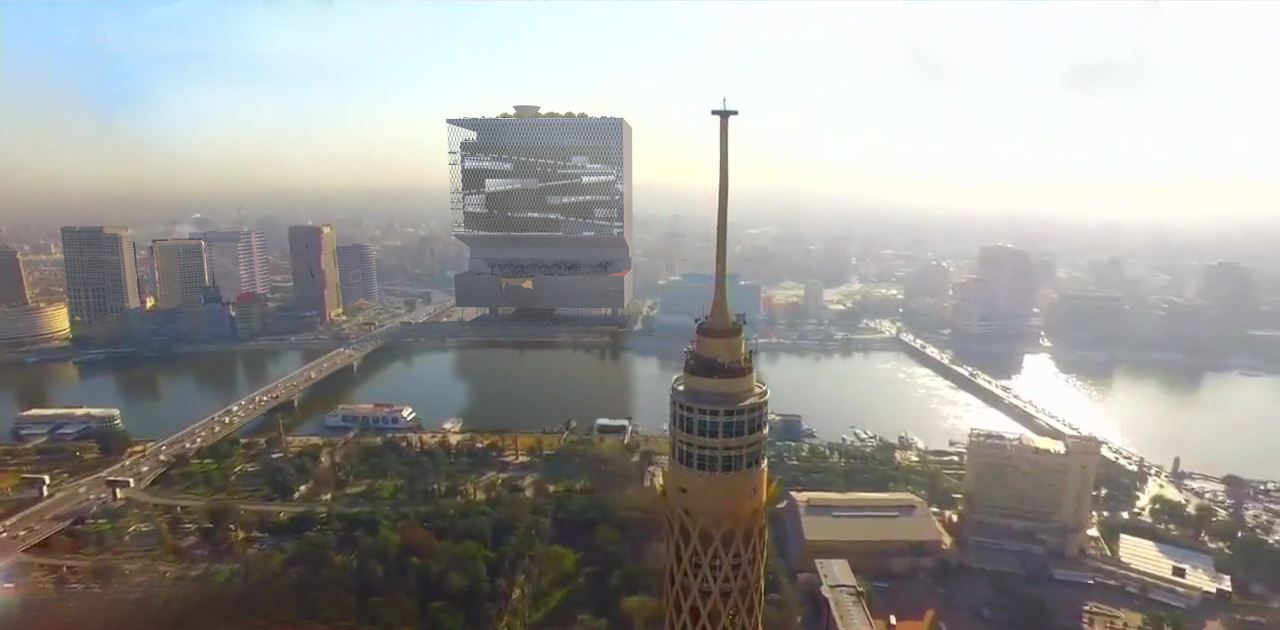
From NDP to PDN
The message needs to be “blatant and intense.”
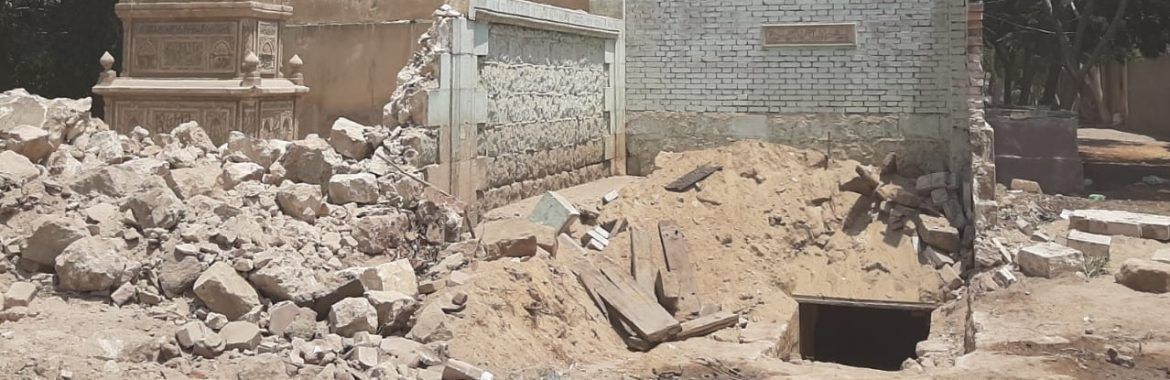
Q&A | Architect Ahmed Mansour on how one-size-fits-all urban planning, overpasses threaten Sayeda Aisha neighborhood’s history and organic structure
Areas of historic Cairo are again being cleared to make way for overpass expressways.
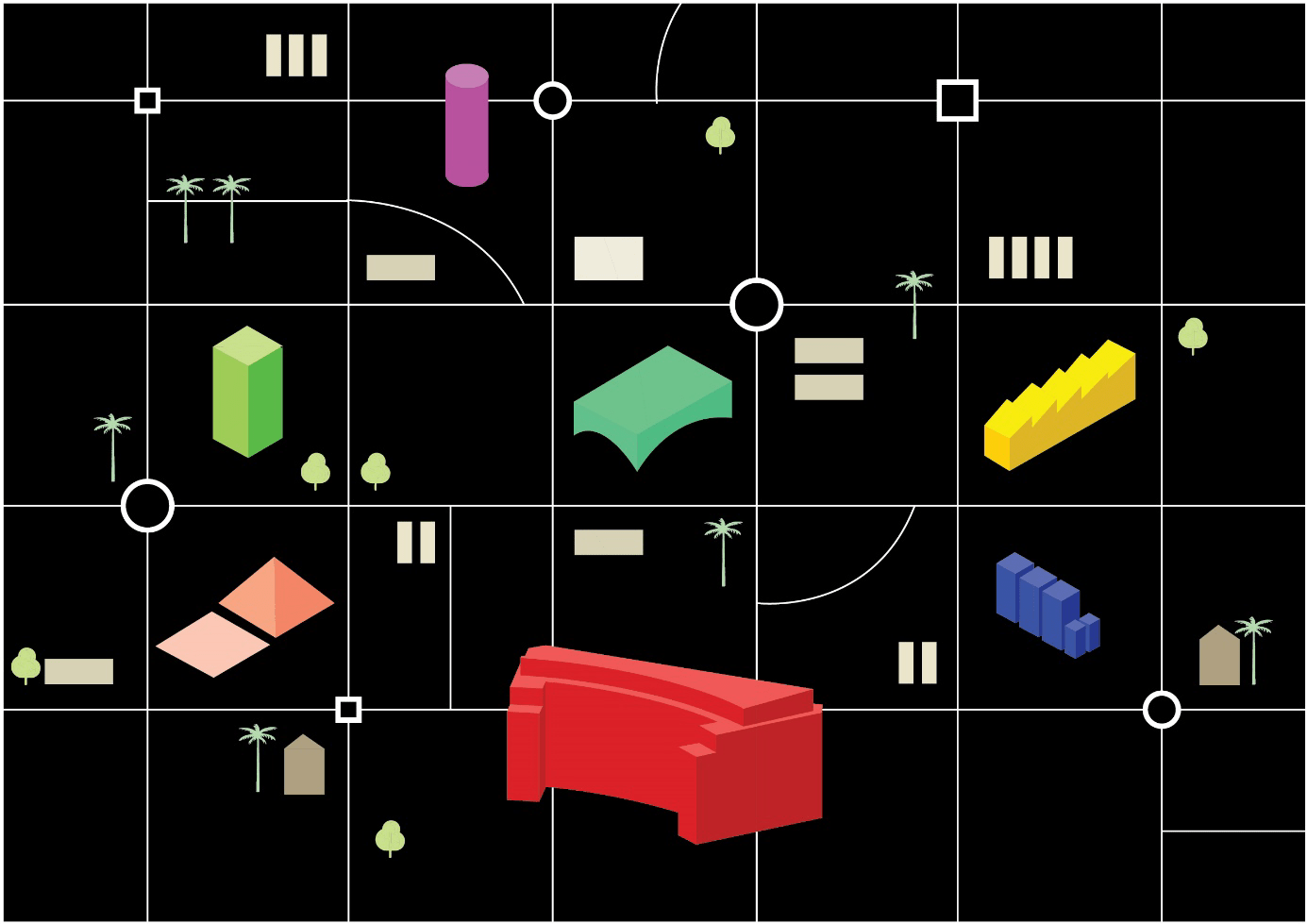
Mugamma revisited: Reimagining the building and the square
We propose a range of activities: a library, affordable housing, a hotel, government headquarters.
Your support is the only way to ensure independent, progressive journalism survives.
You have a right to access accurate information, be stimulated by innovative and nuanced reporting, and be moved by compelling storytelling. Subscribe now to become part of the growing community of members who help us maintain our editorial independence.
Join us