

Beirut: Images on fire
August 4, 2020, 6:05 pm, a deadly explosion occurs at the Port of Beirut. Experts rank it as the fourth largest non-nuclear explosion in human history. The damage is enormous. Two-thirds of the Lebanese capital is destroyed by the shock wave. The detonation is heard as far as Cyprus and windows smashed at a distance of 50 km. There are at least 200 killed by the explosion and more than 6,000 injured. Tens of thousands of families find themselves homeless.
According to official sources, the explosion was caused by fireworks that caught fire in the hangar where they had been stored with several hundred tons of ammonium nitrate. One of their claims is that the accident occurred as a result of welding work carried out by maintenance workers at the entrance to the depot. Other claims allege that rockets in transit through the port of Beirut exploded, causing the devastating blast that set Beirut on fire.
A fire broke out in my own workshop. Prints of my photographic work on the civil war in Lebanon between 1975 and 1991, in particular from the series War Children, caught fire. Other prints from the Beirut Mutations series also burned down. Instead of trying to save them by extinguishing the fire, my instinctive reaction was to take pictures of the scene with my smartphone, as if the fire was a purifier of all the evils experienced during these years of suffering. As I watched all these images burn and turn to dust, I was reminded of the Phoenician legend of the Phoenix rising from its ashes.
I was ten years old when the civil war broke out in Lebanon. Since then, I have the impression that my country has continuously been on fire — invasions of foreign armies, (un)civil wars, and historical conflicts. My art emerged in this tension.
When I watch all my artistic work scroll in front of my eyes a posteriori, facing these stories written with light, I can only question the border between reality and fiction, between a sentiment of acquired experience and a constructed sensorial impression. Isn't this light/shadow, inside/outside, and reality/fiction a gateway to a poem?
Today these photographic prints burn in protest, facing the desperate crisis that Lebanon is experiencing and beyond, to stand up against the horrors that humanity is facing. Will the purifying fire still be able to create a space of hope?


Syrian Social Nationalist Party’s Lion Cubs training camp in Mount Lebanon, 1989.


بانوراما أخرى
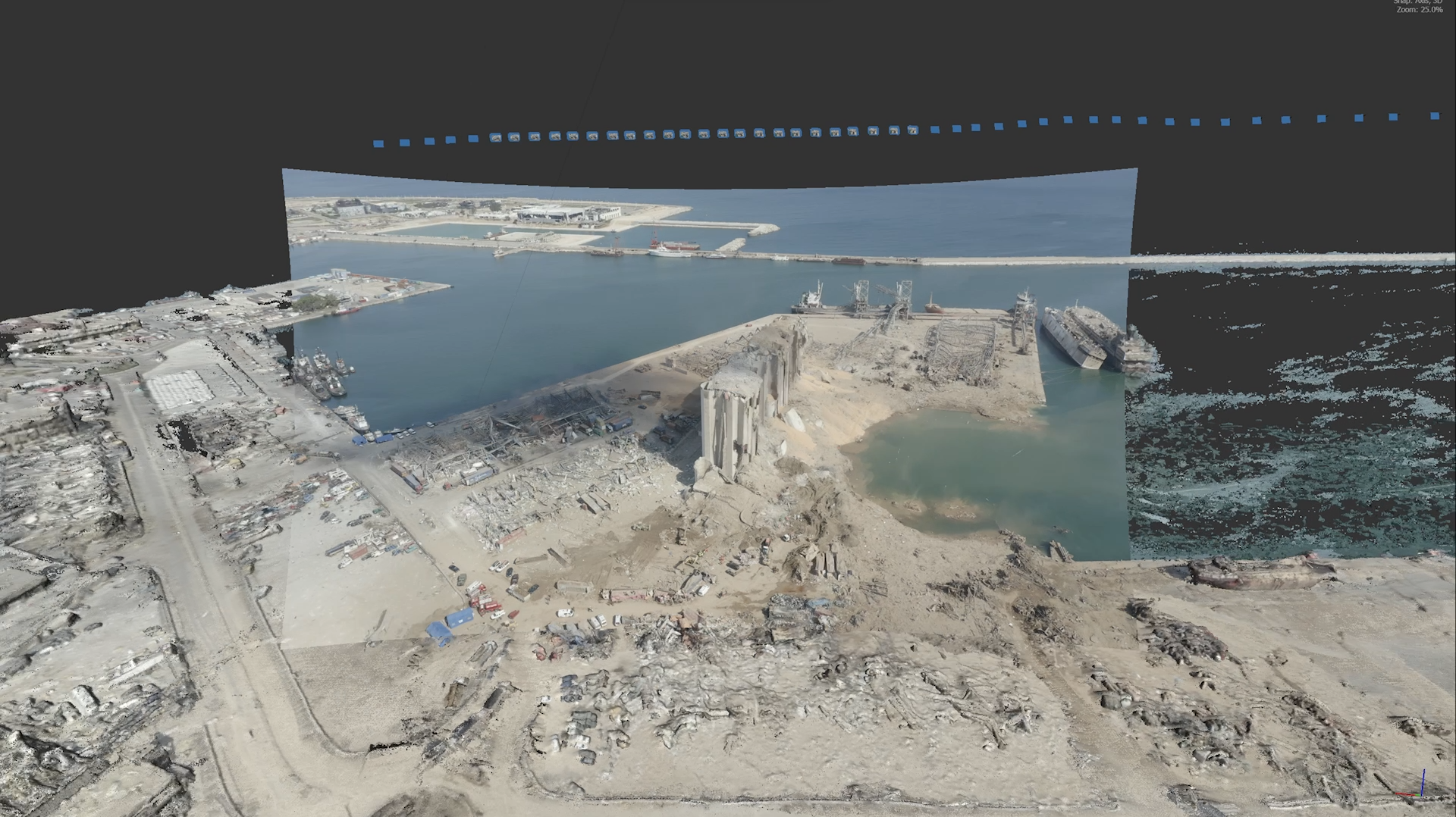
Video | Destruction of destruction: The Beirut Port silos
Febrayer partnered with Forensic Architecture to create a unified narrative of the silo's collapse
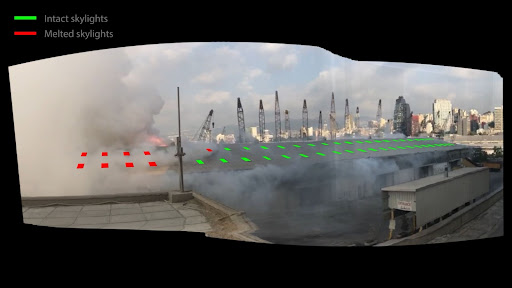
Video | Not the welders
Mada Masr obtained copies of the FBI and Lebanese Internal Security reports outlining their accounts
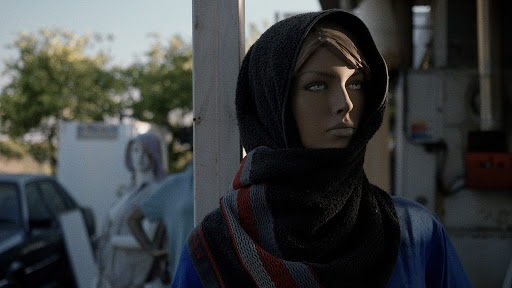
Experiencing Beirut one year on
Five short films about the blast were selected for the program "Beirut: One Year Later"
Your support is the only way to ensure independent, progressive journalism survives.
You have a right to access accurate information, be stimulated by innovative and nuanced reporting, and be moved by compelling storytelling. Subscribe now to become part of the growing community of members who help us maintain our editorial independence.
Join us