
‘When you arrive in Sur, there’s a sense of life returning to you:’ Lebanon’s residents return home amid joy and heartbreak

Ali Saad’s family was ready to return home as soon as the ceasefire was announced. “They woke me up and told me it was time to head back,” Saad told Mada Masr.
The family had taken refuge in Akkar, in northern Lebanon, after being displaced by the relentless bombardment of their neighborhood in Burj al-Barajneh, Dahiyeh over the past 66 days of Israel’s assault on Lebanon.
In just an hour in the early hours of Wednesday morning, Ali’s family packed their belongings into one car, squeezing five family members inside to make the journey back home.
The family joined the thousands who took to Lebanon’s roads as soon as the ceasefire Israel had agreed to the night before came into effect at 4 am.
“Today, as the ceasefire entered its first hours at dawn, the convoys of those returning were at the gates of the south and the Beqaa,” said Qassem Hashem, an MP with the Development and Liberation Bloc for the southern districts of Marjayoun and Hasbiya, told Mada Masr. Images and footage were shared extensively on social media of heavy traffic on the coastal roads leading south.
“The joy is incomparable, knowing there are no more bombings, no more rockets targeting our areas in the south and Dahiyeh,” Ali said.
Hours before families began to return, the Lebanese military, which is a key actor under the terms of the ceasefire, had begun to deploy additional soldiers to the south of the Litani River.
A Lebanese military source told Mada Masr that some families returning in the wake of the ceasefire had entered their towns and villages along the Lebanese border, despite warnings against doing so.
The Israeli military, which is still occupying towns and villages along the border including Kafr Kila, Houla and Mays al-Jabal, launched tank fire near Kafr Kila on Wednesday morning, a Lebanese state security source told Mada Masr, to intimidate residents from returning. It issued a statement telling residents not to return until further notice.
The Lebanese military also warned residents against returning to towns and villages along the southern Lebanese border where Israel’s military still retains a presence following its invasion of the areas last month.
The military source told Mada Masr that the military had not yet deployed forces to the border areas as it was waiting for Lebanon’s caretaker government to approve the deployment plan.
Under the ceasefire deal which Israel’s war cabinet approved on Tuesday night, Hezbollah is to withdraw its forces from the area of Lebanon south of the Litani River, while the Lebanese military is to deploy more of its troops in the zone.
The United Nations peacekeeping force in Lebanon and the Lebanese military are to be joined by representatives of France and the United States in monitoring and enforcing Hezbollah's withdrawal, according to reports.
Israel is due to withdraw its forces following the implementation of the remaining terms of the 60-day ceasefire implementation period.
Once complete, the deal would end over a year in which Hezbollah and Israel have traded fire. Israel launched an escalation in mid-September, expanding the scope of its bombardment to extend over the length and breadth of Lebanon and pummelling Shia majority areas in the south, east and southwest of Beirut with daily air raids. At least 3,826 people have been killed by Israel since October 2023, according to the Lebanese Health Ministry.
In the final hours before the ceasefire came into effect, Israel conducted an aggressive campaign of airstrikes across Lebanon on Tuesday night and into the early hours of Wednesday morning, inflicting further damage to sites which had remained intact throughout the weeks of war before, from central streets of Sidon to the crowded and lively area of Hamra in Beirut. Clouds of smoke could be seen hanging over the capital.
The northern crossings on Lebanon’s border with Syria were also pummeled with airstrikes overnight which left substantial damage, according to caretaker Public Works Minister Ali Hamieh. Syrian state media reported that four civilians and two soldiers were killed in the strikes.
Returning home with joy and heartbreak
Many of the at least 1.2 million displaced by Israel’s daily bombing on Shia majority areas of the south, Beqaa, Baalbek and southwestern neighborhoods of the capital returned to their homes immediately, while others anticipate returning over the coming days and weeks.
Rania Saadallah, a Palestinian refugee from the Rashidieh camp in southern Lebanon which has been bombed several times, planned to return home tomorrow. She told Mada Masr that as much as she fears the sight of the devastation of the camp and the surrounding city of Sur, her focus remains on returning home, even if "home" is no longer as she left it.
While her family’s house in Rashidieh sustained minor damage — shattered windows and broken glass — Rania considered herself fortunate.
“As long as we can go back, even if the house is destroyed, the important thing is to return,” she told Mada, her voice tinged with sadness and determination.
The war left Rashidieh and surrounding areas in ruins. Many families saw their homes reduced to rubble in mere moments. Rania’s relatives in Abbasiyeh lost an entire building, forcing them to relocate to Saida indefinitely. “They can’t go back now. There’s no place to return to,” she explained.
Rania described the camp as a hub of life before the war — children playing, youth gathering, cafés bustling with chatter. Now, it’s a scene of devastation and mourning.
“There were always people around, mechanics’ shops, cafes. But now, it’s a lot of destruction,” she said.
She worries about how it will feel to reenter Sur and confront the extent of the devastation.
“When you arrive in Sur, there’s always a sense of life returning to you. But now, it will be heartbreaking to witness,” she said.
Luckily, they still have access to private electricity at the camp and water is still available for residents to use. Some shops have reopened, and the basics are available, but the cost of living has doubled.
Rania’s family members in Saida are trying to rebuild their strength, though for some, the financial burden of reconstruction is insurmountable. “My cousins can’t rebuild. They just don’t have the money,” she said.
For Rania, returning to Rashidieh is more than just going back to a place — it’s about reclaiming a sense of belonging.
“I miss everything,” she said. “I can’t wait to be back, to smell the south again, to see the camp, the houses, the streets, the people I know.”
Fatima Ajami was so ecstatic about the news of a ceasefire that she couldn’t sleep that night. However, her joy was overshadowed by the harsh reality that she cannot return to her home.
“The house sustained severe damage during the last few days of airstrikes, and we can’t live in it right now,” she told Mada Masr.
While the building itself remains standing, her apartment has been severely affected. Furniture is damaged, rubble has scattered throughout the interior and the space requires an extensive cleanup. Parts of the walls have collapsed, windows and beds are destroyed and every pane of glass in the house has shattered.
“We hope the municipalities or those responsible for repairs will help us soon because we are desperate to return, and we can’t afford to fix everything on our own,” Fatima said.
She is currently living in Zgharta, north of Lebanon, but she longs to join the growing number of people returning to their homes. “Thank God the war has finally ended. We just want to be back in our house soon,” she added.
Compounding the problem is the damage to electricity cables. Fatima’s building currently has no power, which means the water pump isn’t working, leaving residents without water.
“We’ve contacted electricians to ensure that power is restored to the building soon,” she said.
Until then, Fatima expressed concern about how long reconstruction will take and where she will stay in the meantime. Although she and her family are managing well in Zgharta, she feels the need to be closer to her house to oversee the repairs.
“I might stay with family nearby just to monitor the reconstruction,” she said. “I hope it’s completed quickly so we can get back to normal life.”
Hashem, the lawmaker who is originally from Shabaa in the southeast, said that returning home is a victory. “Today is the first day, the day of return, the day of confirmation of this victory,” he told Mada Masr. “Despite the wounds, despite the pain, and despite the destruction, people said in the first hours that they would return, even to destruction, even to the ruins of their homes.”
“But I want to ask, what will happen on the second day?” he said, stressing that it would be important to find prompt solutions “to rebuild what was destroyed by the Zionist mechanism of hate” and expressing confidence that friendly states and partners would provide support for reconstruction efforts.
It’s not yet clear who will fund the reconstruction needed to repair the damage Israel has inflicted on Lebanon. The World Bank has estimated the damage at over US$8 billion. Hezbollah MP Hassan Fadlallah said that the party would remain active in supporting people returning to their homes and rebuilding damaged property on Tuesday night.
“The will that was able to defeat this enemy will find someone who will extend a helping hand and assistance in order to rebuild what was destroyed by the hands of the Israeli enemy,” Hashem said.
“The survival of Lebanon, the existence of Lebanon, is a value and a mission. It is necessary to help its people so that it always remains present.”
أخبار ذات صلة
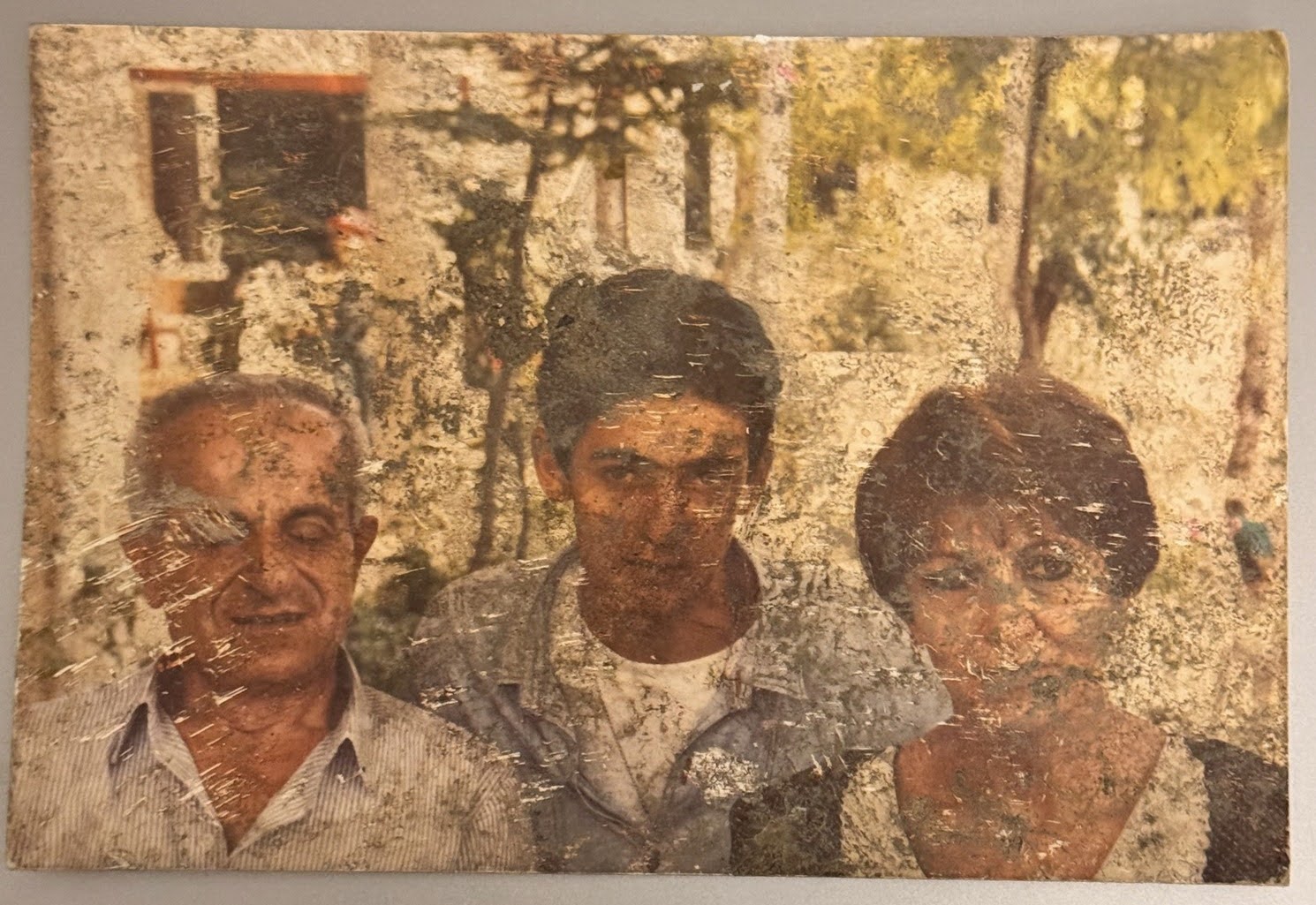
After the catastrophe: Ali Cherri takes Israel to court following the killing of his parents
On November 26, 2024, Paris-based artist Ali Cherri spoke to his mother Nadira Hayek living in Beirut on the phone right before boarding a plane to Vienna where he was…
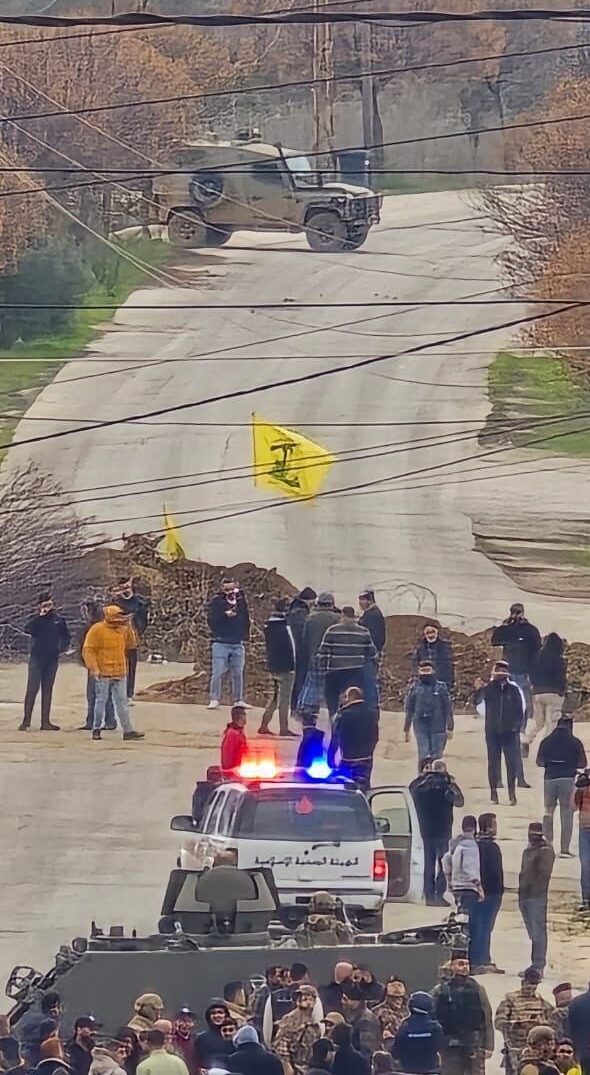
Israeli forces occupying south Lebanon kill 15 as tens of thousands return to claim their land
Israeli soldiers opened fire on crowds of displaced Lebanese on Sunday, as residents began to return to their towns and villages in…
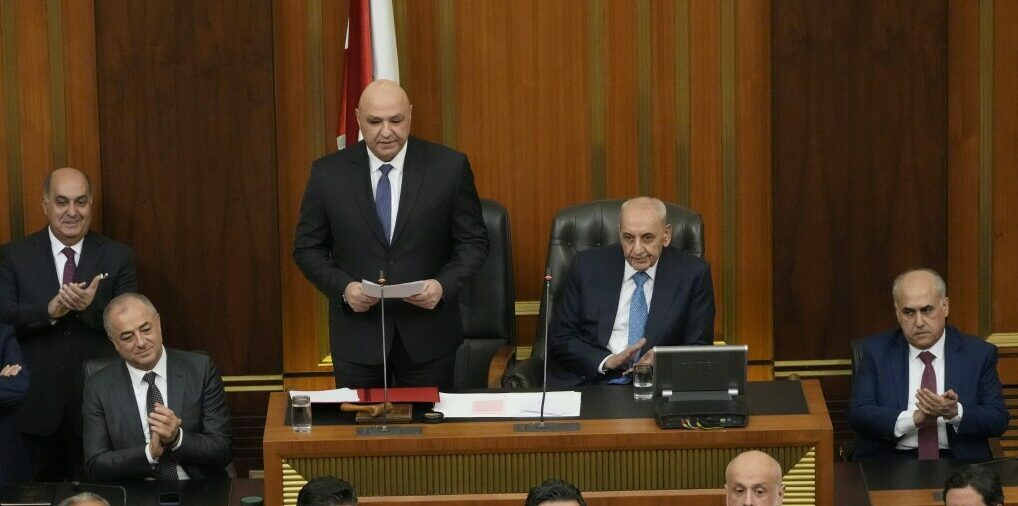
Hezbollah vote secures General Joseph Aoun’s election as new Lebanese president, underscoring party’s concessions to new regional reality
When the Lebanese military began to send the first of its soldiers to the south of the country on November 28, hours after a ceasefire was suddenly announced, it marked…
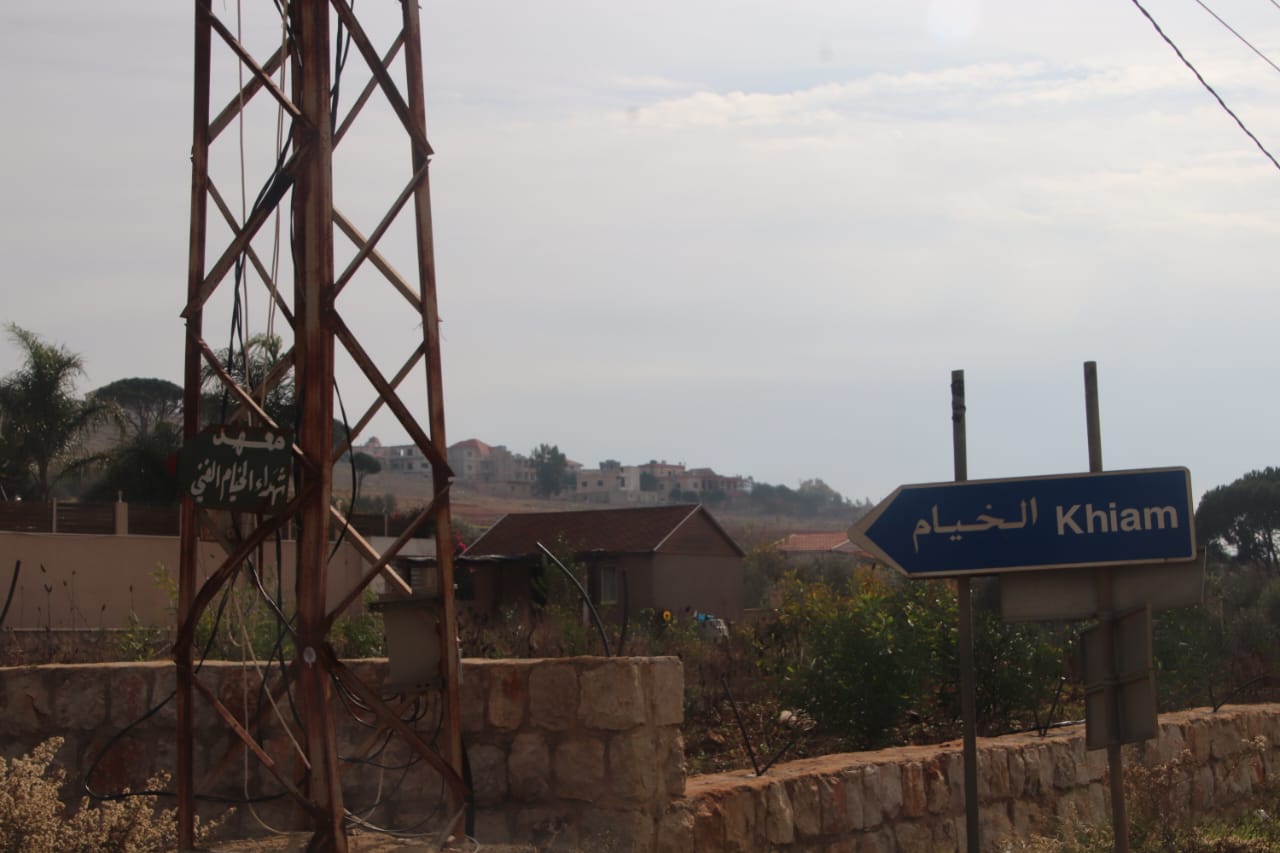
Uncertainty, danger linger in Khiam after Lebanon’s ceasefire
Mohammad Mohammad Abdullah left his hometown of Khiam in southern Lebanon at the end of 2023, when Israeli airstrikes on Lebanon became…
Your support is the only way to ensure independent, progressive journalism survives.
You have a right to access accurate information, be stimulated by innovative and nuanced reporting, and be moved by compelling storytelling. Subscribe now to become part of the growing community of members who help us maintain our editorial independence.
Join us