
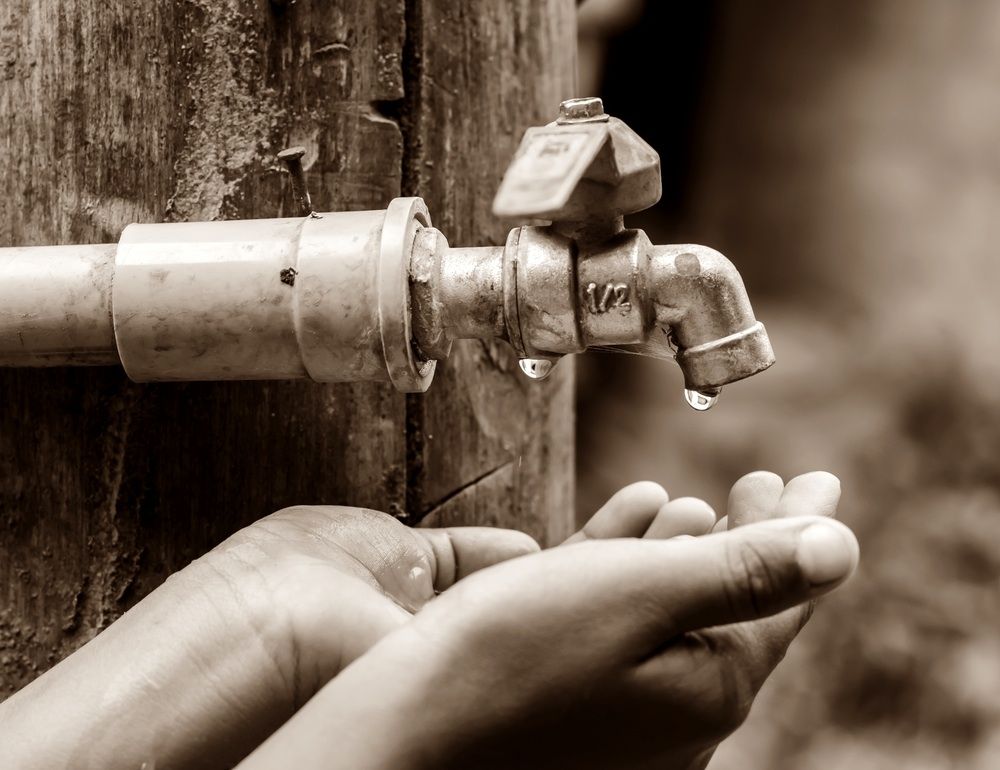
Water began to return this week to Hurghada, the coastal city in the Red Sea Governorate, after a total outage that lasted 11 days, residents told Mada Masr.
The disruption is one of many similar outages to affect areas of the country for varying periods of time in recent years, with supply and distribution issues impacting daily life and health conditions for those living in and around the city, which also caters to a large tourist population.
Water supply was cut in Hurghada and Ras Ghareb on July 26, with a statement from the Red Sea Governorate attributing the outage to three breaks in the Koraimat pipeline, the sole supply line for both cities.
"People here are boiling with anger and don't know what to do,” Hurghada resident Ayman Sadeq told Mada Masr during the outage. “Posting on social media isn’t effective anymore. Everyday they said water would come, and nothing happened."
The governor met with executive authorities over the weekend, with the deputy housing minister later announcing that "the water crisis will be resolved and pumping rates will return to normal within 10 days."
By Monday, Sadeq said water had returned to parts of the Sherry area, one of Hurghada’s upmarket neighborhoods close to the tourist promenade and hotels. Sadeq said that water returned to the rest of the area by Wednesday morning.
Another Hurghada resident who spoke to Mada Masr on condition of anonymity said that during their nine years living in the city, water outages were frequent. "The Koraimat pipeline was broken two or three times every year," they said.
Sadeq too said Hurghada and the governorate’s water problem dates back years. "Water used to come twice a week, then it became once a week. We store water in a main tank under the building and pump it up to the apartments’ rooftop tanks," he said. "This leaves us without water for the last two days of the week, so we have to buy it at our own expense."
Prices for water soared during the 11-day outage, with traders charging LE800 per ton instead of the LE80 it cost before, Sadeq said. The governor announced on Tuesday a LE60 per ton price cap on water and launched a crackdown on water traders charging higher rates.
The other resident noted that even when the water supply is working, water pumped through household pipes "is undrinkable without a filter." "My children suffer from kidney issues because of the water," they added.
Poor water quality is one of the city's major issues, the source continued. They said the problem is due, in part, to the absence of a central sewage system, which they said prompts fears that water will be contaminated by proximity to the sewage systems attached to each residential unit.
"We dispose of waste in pits beneath the buildings. When the truck comes to empty the pit, the smell spreads throughout the area. We close the windows, but it still reaches us,” they explained.
“The proximity of the water tanks to these pits means they get contaminated with microbes," they said. "When I change the filter cartridge, I find insects, and the filter is the color of mud."
Contaminated water tanks and transport trucks, combined with contact with the local sewage disposal system, are factors that exacerbate the spread of diseases like dengue fever, which affected several villages and cities in the Red Sea Governorate last year and previously hit Hurghada twice in 2017.
Other sources of water for the area are also fallible. Official data from the Red Sea indicates that water for the governorate is also supplied from the LE1 billion Yosr seawater desalination plant inaugurated by President Abdel Fattah al-Sisi in 2017. Yosr is the largest plant of its kind in the Middle East and Africa. Recently, however, electrical faults have caused outages at the plant.
The plant transports water “in trucks, not pipes, selling it to tourist villages and sending trucks to distant areas during crises," the unnamed source said. "Currently, there's a water leak at the plant, and the area there is flooded."
أخبار ذات صلة
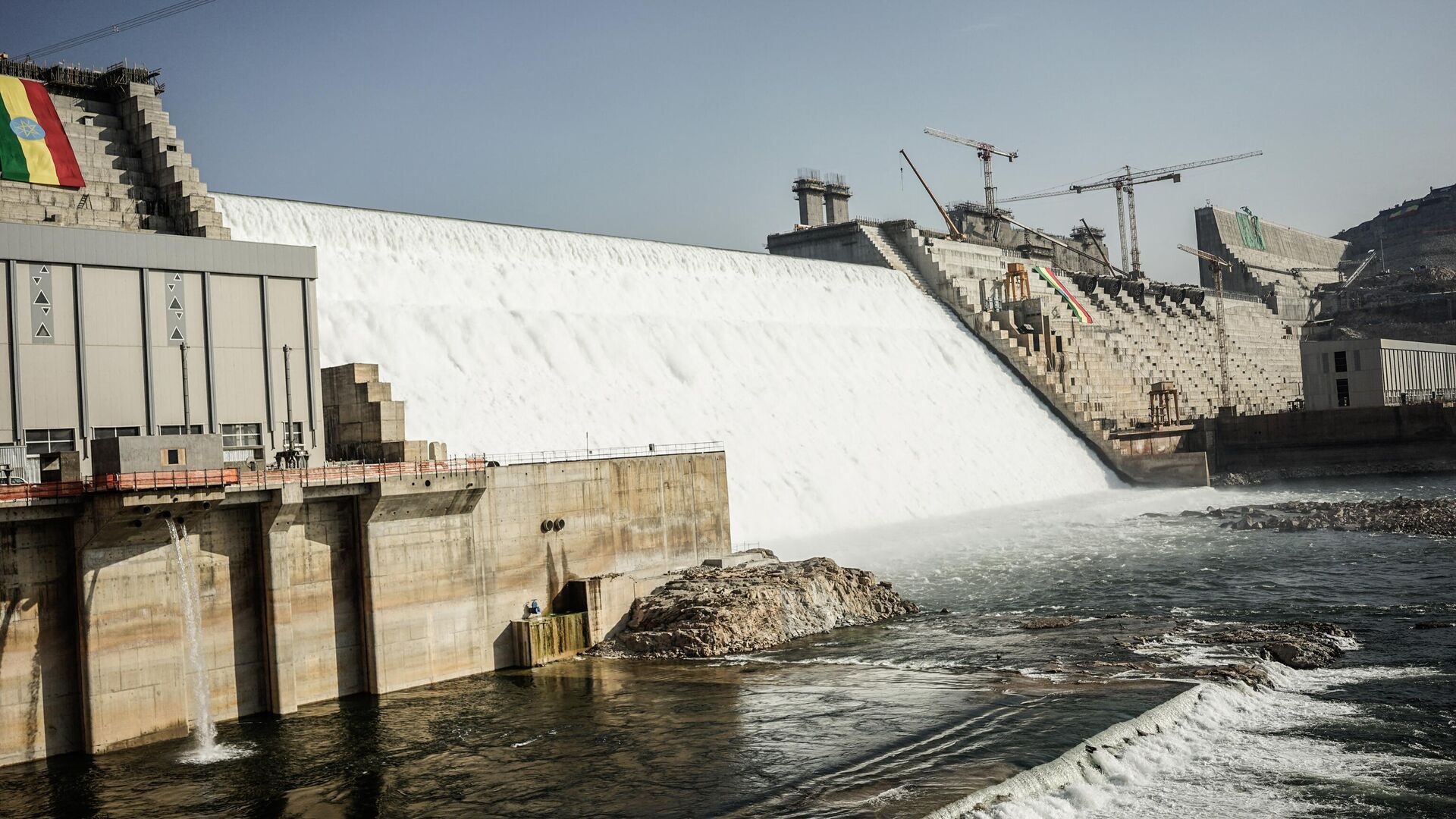
Ethiopia unveils 3 new hydropower projects on Nile, stoking concerns in Cairo
Blue Nile Cascade project: An ‘East African energy hub’ or a catalyst for ‘direct confrontation’ on the Nile Fulfilling a decades-long plan…
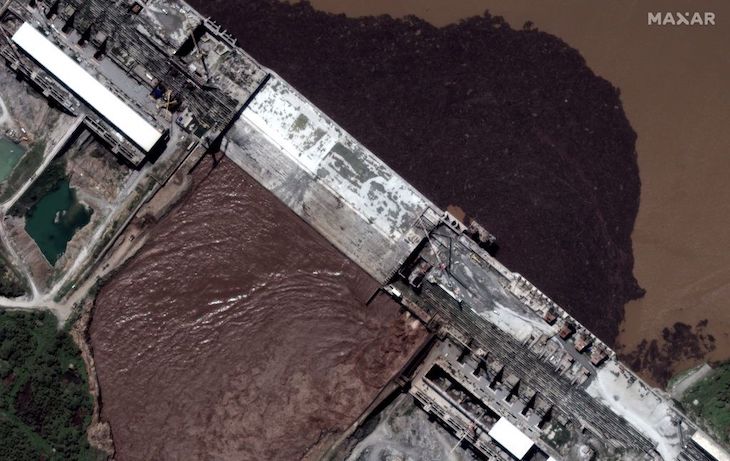
After 2 years of deadlock, GERD negotiations resume in Cairo
Addis Ababa has gradually filled the dam's reservoir over the past three summers
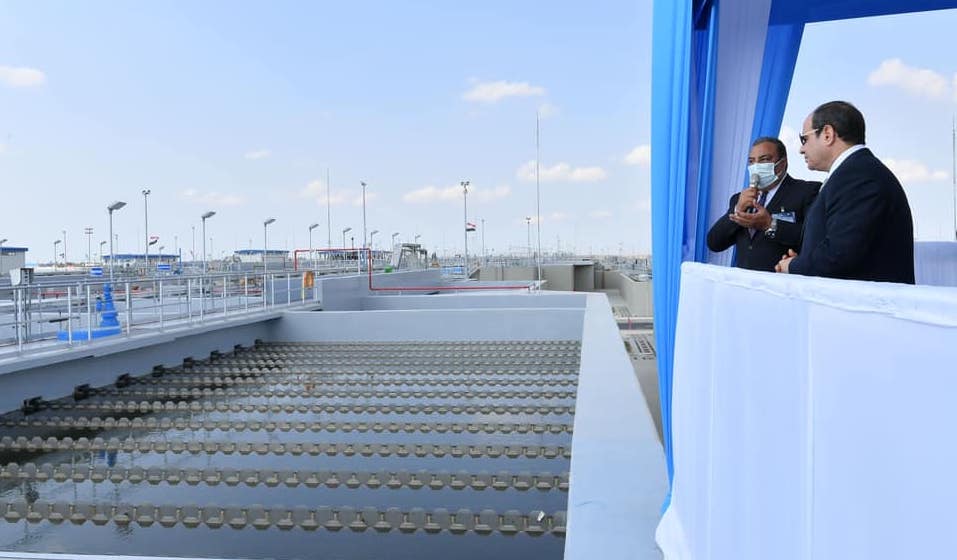
Welfare may be halted for unlawful use of water, agricultural resources, says Sisi
The move fits into the state's efforts to centralize and securitize control over land and resources
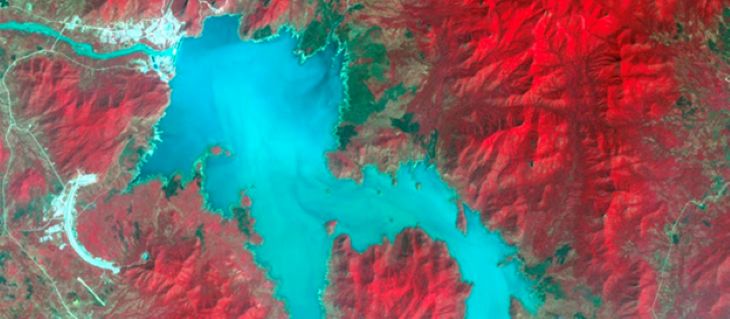
Q&A: Unpacking the environmental and economic impacts of the GERD with engineer Mohammed Basheer
Nile Basin researcher Mohammed Basheer discusses the environmental and economic impacts of the dam.
Your support is the only way to ensure independent, progressive journalism survives.
You have a right to access accurate information, be stimulated by innovative and nuanced reporting, and be moved by compelling storytelling. Subscribe now to become part of the growing community of members who help us maintain our editorial independence.
Join us