
After 2 years of deadlock, GERD negotiations resume in Cairo
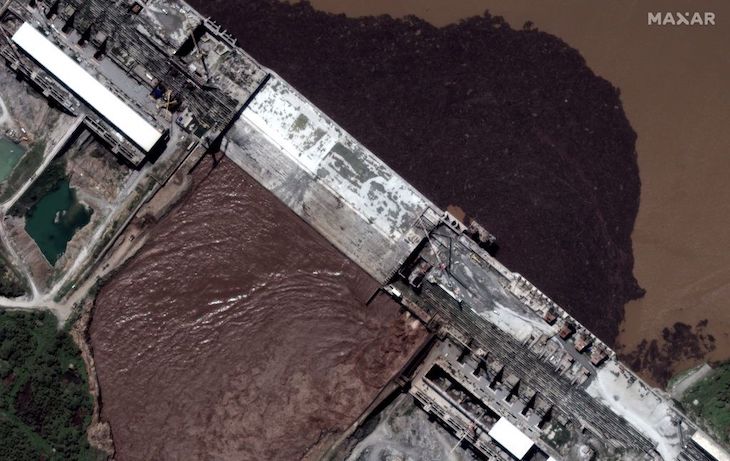
After two years of deadlock, Egypt, Ethiopia and Sudan are resuming direct talks around the Grand Ethiopian Renaissance Dam.
Representatives of the three countries met in Cairo on Sunday to start the new round of trilateral negotiations — the first since summer 2021 — said Egypt’s Irrigation Ministry in a statement.
Over a decade of diplomatic efforts between Ethiopia, Egypt and Sudan have failed to establish a final, binding agreement on water-sharing in line with the construction and operation of the mega-dam, with the downstream countries concerned to secure their access to vital water resources, and Ethiopia negotiating ostensibly to find an operation method amenable to the downstream countries.
In the meantime, Addis Ababa has continued to bring the dam’s turbines online with the reservoir filling gradually during the rainy season over the past three summers.
Sunday’s talks come after a July meeting in Cairo between President Abdel Fattah al-Sisi and Ethiopian Prime Minister Abiy Ahmed, which took place on the sidelines of a summit held by countries neighboring Sudan which gathered to discuss the ongoing war. Sisi and Abiy agreed to finalize an agreement around the filling and operation of the dam within four months.
One government official speaking to Mada Masr on condition of anonymity after the Sisi-Abiy meeting last month noted that the dam is built, and is a fait accompli that Egypt cannot change. Rather, said the source, Egypt will be seeking to secure some points regarding how much water it can obtain in years of severe drought.
The negotiations will not touch on the ongoing fourth filling of the dam reservoir during the rainy season, said Cairo University water resources professor Nader Nour Eddin, but will focus on the upcoming fifth and any future fillings, with Egypt’s main concern that Ethiopia will inform Cairo of the volume of the filling each year and commit to keeping all turbines running to ensure Egypt receives its usual share of water.
After attempts by the US and the African Union stalled, the UAE emerged as a third-party mediator at the start of 2022. In the summer of the same year, an Egyptian government official and an informed political source in the Gulf told Mada Masr that Abu Dhabi proposed a US$20 billion economic development plan to Sudan, Egypt and Ethiopia in order to bypass the political deadlock over the filling and management of the dam.
The plan, which brought the three countries together for technical talks, would see the Emirates invest in projects across the three Nile Basin countries over the course of seven years, “establishing a mechanism that will make it impossible for any of the three countries to harm the interests of the other two countries,” the government official said.
When Sisi and Abiy met in Cairo in July, the discussion revolved around ways to activate the Abu Dhabi mechanism in order to reach a technical understanding, said a government source who is informed about work on the dam who spoke to Mada Masr on condition of anonymity at the time.
Earlier this month, Emirati ruler Mohamed bin Zayed made an official visit to Ethiopia where he and Abiy inaugurated an exhibition that the Ethiopian prime minister said “showcases the immense water and energy potential” in the country, while the UAE made preliminary steps forward on energy projects in the country via state-owned energy firms Masdar and the Abu Dhabi National Oil Company.
Mada Masr asked Nour Eddin whether this new round of talks would fare any better than the repeated efforts over the last decade.
For the Egyptian side, he said, the close deadline may have value beyond finally reaching an agreement. “The presidential elections are approaching, so it’s important for the government to make an achievement in this matter.”
And for both, he added, their “recent invitation to join the BRICS group would necessitate that they have bilateral cooperation and investment.”
Ethiopia is awaiting a lot of international financing, said Nour Eddin, and does not want any dispute over the mega-dam project to affect it.
Egypt has attempted to raise the dispute over the dam as a matter for international arbitration at the United Nations Security Council on multiple occasions, yet has not gained support given that China, which is embroiled in similar disputes over dam projects in Tibetan territory, does not want a precedent set to support an arbitration suit.
أخبار ذات صلة
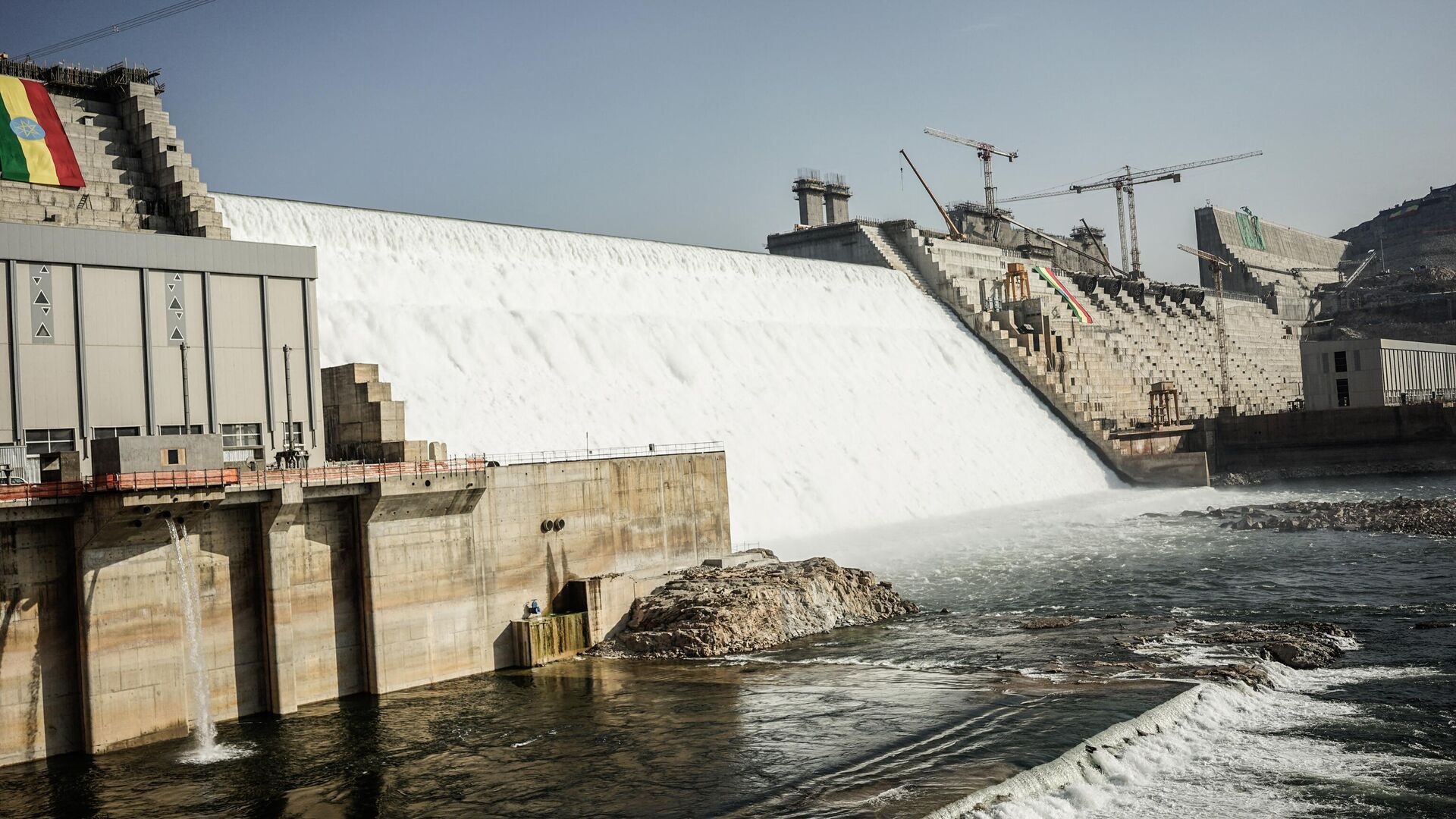
Ethiopia unveils 3 new hydropower projects on Nile, stoking concerns in Cairo
Blue Nile Cascade project: An ‘East African energy hub’ or a catalyst for ‘direct confrontation’ on the Nile Fulfilling a decades-long plan…

Sudan Nashra: Somalia enters Sudan-Egypt-Saudi Arabia-Turkey axis | Sudanese, Ethiopian sources: Trump’s GERD initiative could pave way for further talks with Addis Ababa | Western North Darfur operations cross into Chad again | RSF, military press toward major cities in Kordofan
Ambassadors of Sudan, Egypt, Saudi Arabia and Turkey arrived in Somalia’s newly created Northeast State this week to attend the inauguration of…
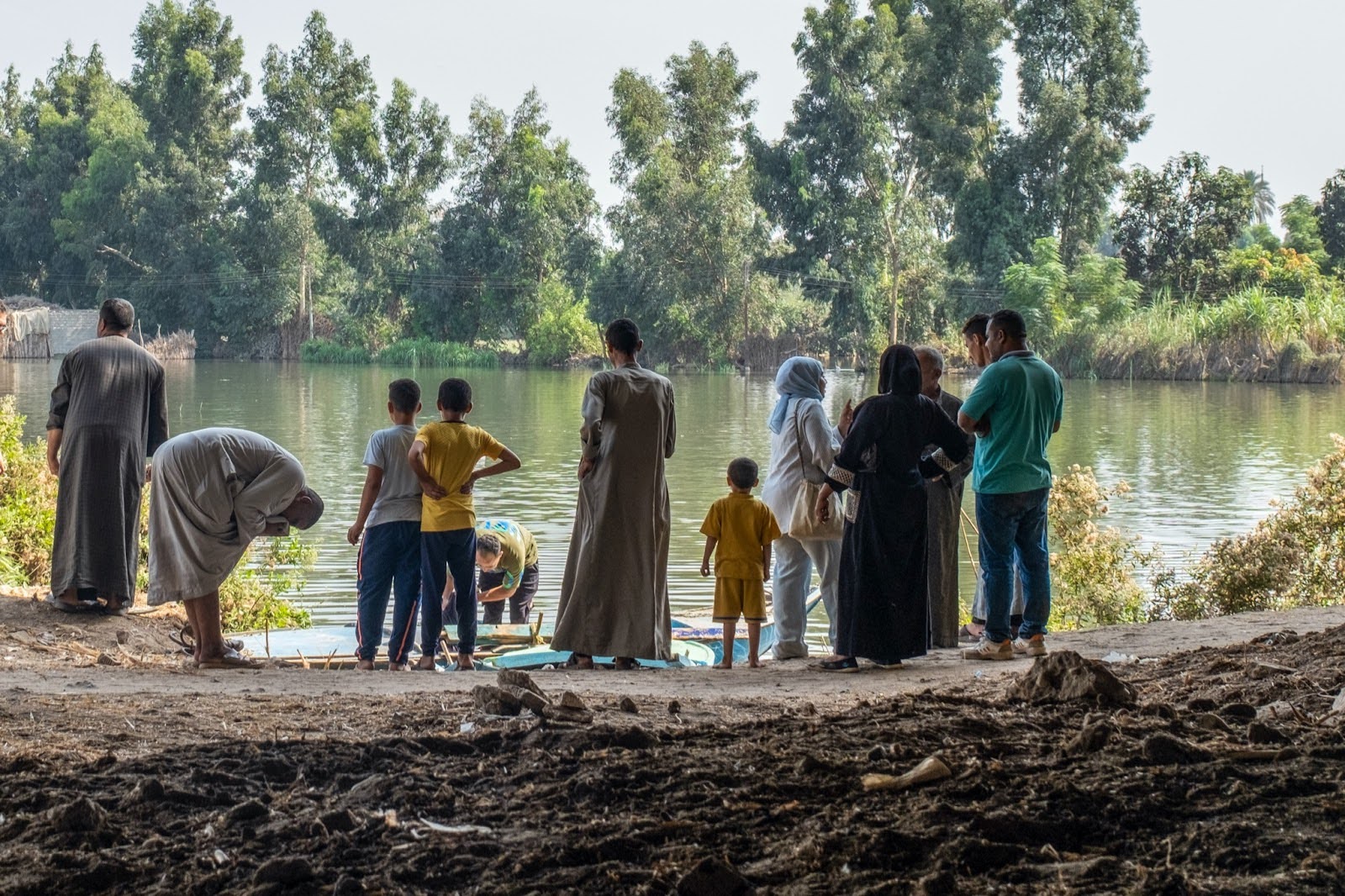
Monufiya and Beheira’s ‘flood days’
Over 1,000 feddans and 100 homes flooded this month. What happened and what’s next for residents?
Sudan Nashra: Sudan downplays GERD-caused floods to avoid diplomatic row | AU-led Sudanese-Sudanese meetings postponed | Military breaks aerial blockade over Fasher | Over 80 killed in military airstrikes on Nyala | Machar trial kicks off, immunity pushed aside
As Sudan grappled last week with devastating floods, its government sought to contain the crisis quietly, avoiding open confrontation with Ethiopia even…
Your support is the only way to ensure independent, progressive journalism survives.
You have a right to access accurate information, be stimulated by innovative and nuanced reporting, and be moved by compelling storytelling. Subscribe now to become part of the growing community of members who help us maintain our editorial independence.
Join us