
UN committee calls torture in Egypt a systemic practice
The UN Committee Against Torture describes abuse of human rights in Egypt as routine practice in an annual report presented to the UN General Assembly. The report revealed the results of a five-year investigation launched in 2012 following complaints submitted by al-Karama Foundation regarding the issue.
The report noted that the Egyptian government had commented on the results in June 2016, acknowledging its inability to respond to specific allegations made by the committee, but concluded that this alone does not justify the pronouncement of systematic torture.
The Egyptian government reportedly considered these allegations baseless and lacking in “supporting evidence,” but was welcoming of some of the committee’s recommendations, asserting that they are already being implemented.
However, the government refused a number of the committee’s recommendations, including those proposing an end to solitary confinement; establishing an independent body to investigate claims of torture, forced disappearances and maltreatment; limiting military trials to non-civilian cases; and abolishing virginity and anal tests on prisoners.
The report was presented just days preceding the General Assembly conference in New York, which President Abdel Fattah al-Sisi is expected to attend amid waves of criticism leveled against the government regarding human rights abuses, most recently in a report published by Human Rights Watch, whose website was blocked shortly after.
The report states that the sources upon which the report is based reveal that “torture is carried out by Egyptian military, police, and prison officials for the purposes of punishing protesters and, since 2013, members and supporters of the Muslim Brotherhood, to coerce confessions, and pressure detainees to implicate others in crimes.”
The committee added that: “The sources alleged that impunity for torture was widespread and was facilitated by the absence of an independent investigating authority for complaints of torture, the excessive use of military courts, a lack of regular independent monitoring of places of detention, and the inadequate independence and competence of the National Council for Human Rights.”
The report also noted that torture usually follows arbitrary arrests, and practiced to coerce confessions, or to intimidate and punish political prisoners. The committee accuses public prosecutors, judges, and prison officials of facilitating human rights abuses due to their failure in curbing “practices of torture, arbitrary detention, and ill-treatment, or [acting] on complaints.”
The report claims that the routine use of torture by security forces may constitute a crime against humanity and calls on the Egyptian government to put an end to them and refer the perpetrators to court.
According to the HRW report, the victims recalled beatings, electrocution, stress positions, and sometimes even rape as common methods of torture.
The Egyptian Foreign Ministry condemned the report in a statement published by the ministry spokesperson, asserting that it was full of misconceptions.
Head of the National Council for Human Rights Mohamed Faek criticized the report as well, saying that “there is no torture inside prisons and detention centers in Egypt,” in comments made to the privately-owned Youm7 newspaper.

أخبار ذات صلة
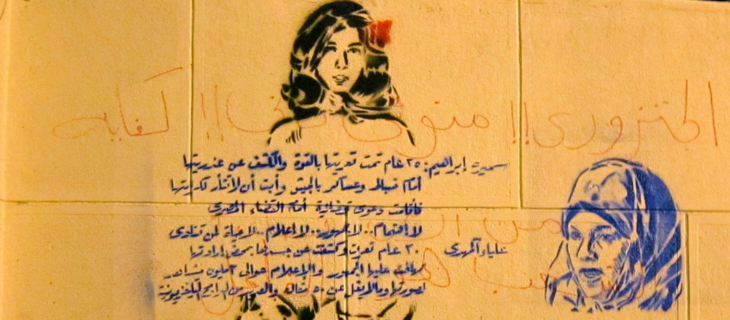
‘Virginity tests’ survivor hopes African commission demand for Egypt to compensate victims will protect women in future
"that one could receive even a small measure of justice is indescribable"
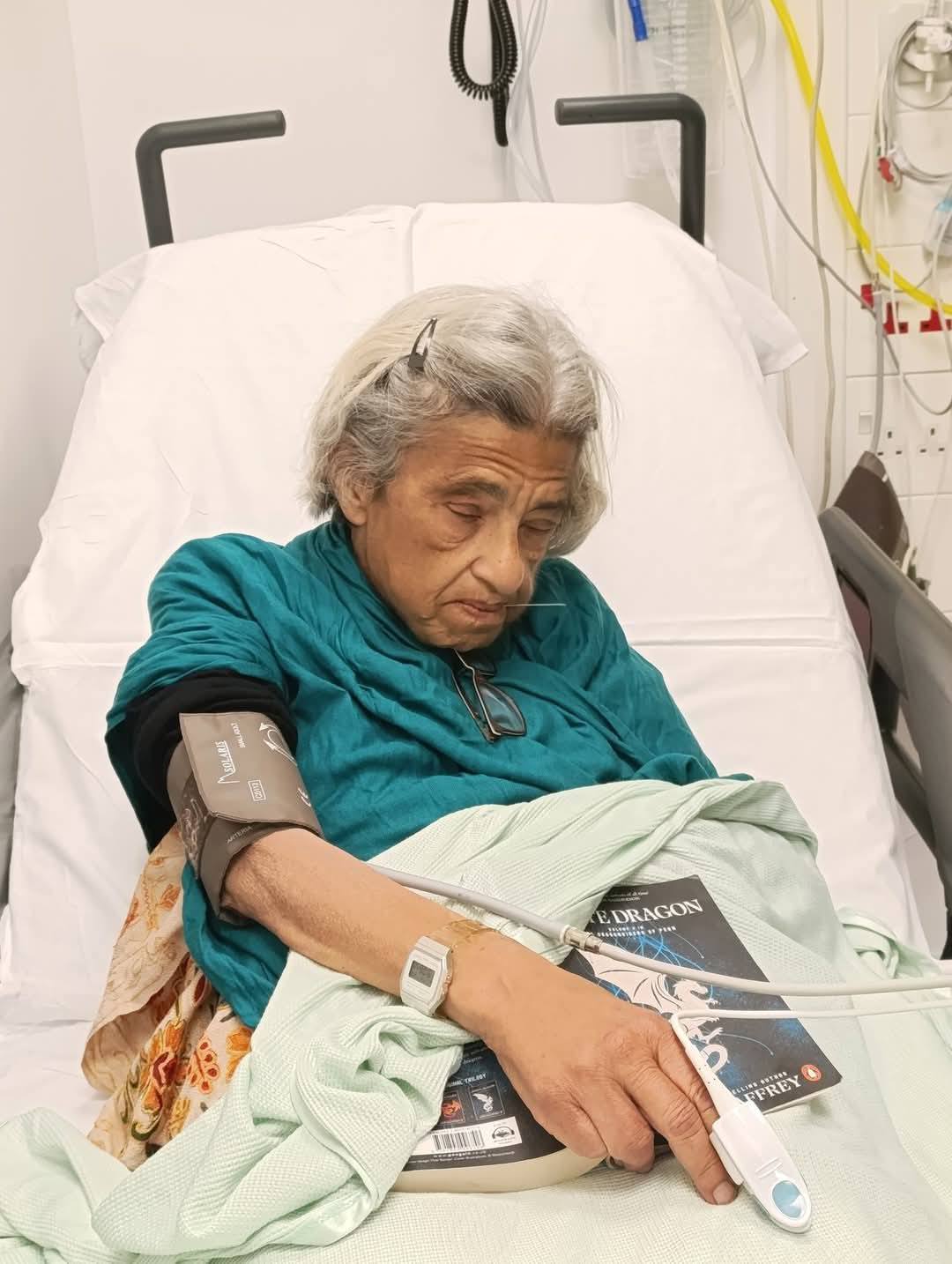
Laila Soueif hospitalized amid hunger strike for her son’s release
Laila Soueif was admitted to St. Thomas’s Hospital in central London on Thursday night as her health deteriorated due to the hunger…
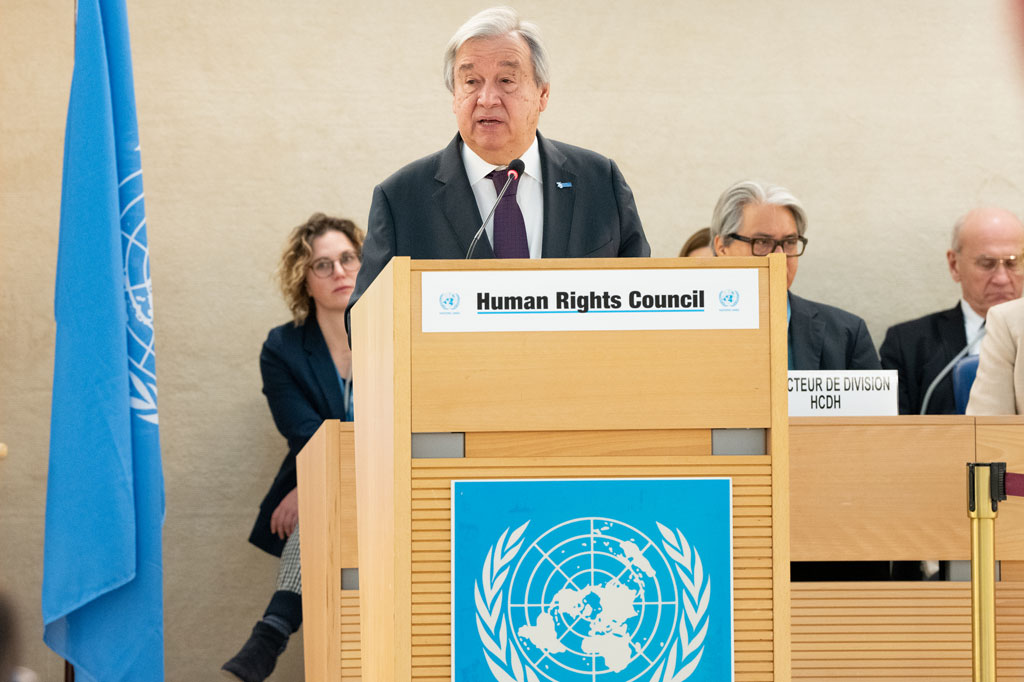
25 NGOs urge UK to address Egypt’s human rights at UNHRC session
A coalition of 25 human rights organizations have sent a letter to the United Kingdom government, calling on it to lead other…
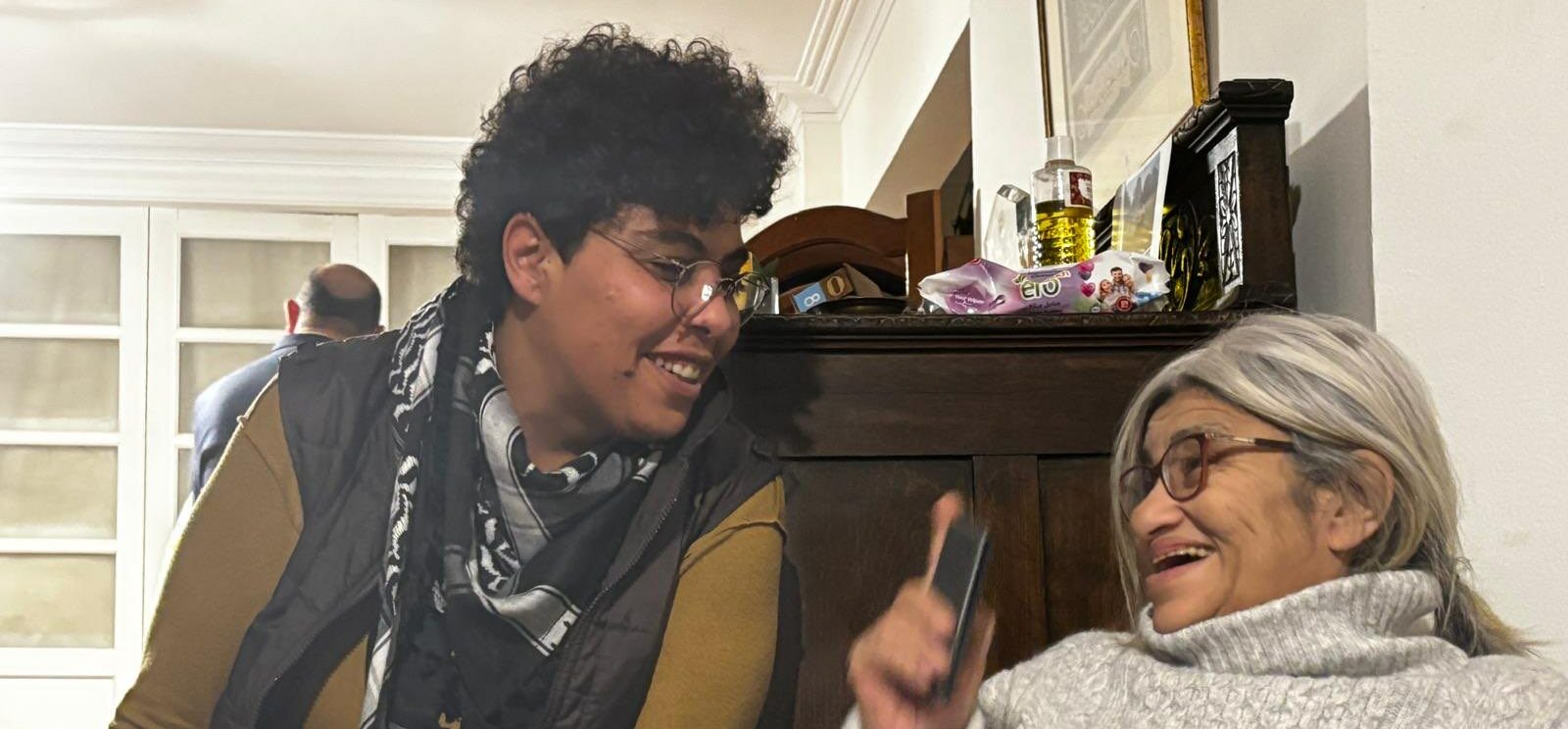
Conversations on an empty stomach: The stories of Laila Soueif, part 2
Laila Soueif is 139 days into her hunger strike, unwavering in her demand for Alaa's release.
Your support is the only way to ensure independent, progressive journalism survives.
You have a right to access accurate information, be stimulated by innovative and nuanced reporting, and be moved by compelling storytelling. Subscribe now to become part of the growing community of members who help us maintain our editorial independence.
Join us