
Train, metro fares hiked, increasing percentage of vulnerable households, analyst says
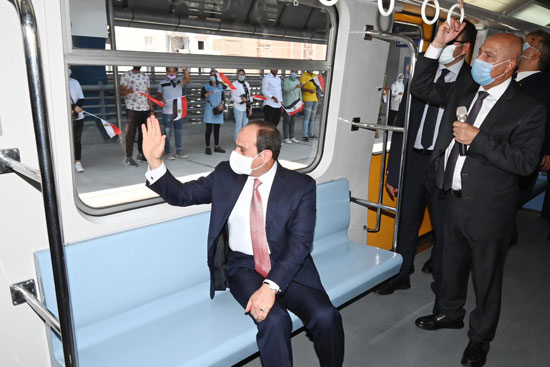
A week after fuel prices were hiked, fares for crucial modes of public transportation were raised today amid soaring inflation and declining purchasing power.
This represents the sixth hike of metro ticket prices over the past six years, with a 1900 percentage increase compared to fees before 2017.
The prices of metro tickets were raised by up to 15 percent by the National Authority for Tunnels, and the fares for trains — redeveloped under the 2022 Tahya Masr Trains initiative, along with other trains — were hiked by 25 percent by the National Railway Authority.
Last week, the government increased fuel prices, raising the price per liter of gasoline, diesel, kerosene and other petroleum products by at least 10 percent.
In a speech on Monday, Prime Minister Mostafa Madbuly announced that the government is working to lift subsidies on energy and electricity products “gradually,” or over the course of four to five years, which could have significant effects on household spending and overall inflation.
The increase came in line with the economic austerity measures Egypt has adopted since 2014 and the recommendations associated with the country’s fourth loan in less than a decade with the International Monetary Fund.
Price hikes, affecting all metro lines, represent the second increase in metro and train fares in less than a year, following an increase in January.
Fares went from LE6 to LE8 for a ride spanning nine stations, from LE8 to LE10 for 16 stations, and from LE12 to LE15 for 23 stations, with the newly introduced ticket for trips over 23 stations going from LE15 to LE20.
Fares for suburban trains and the Tahya Masr Trains Initiative went up by 25 percent. For Spanish, French, VIP and air-conditioned Russian trains — introduced in 2018 — and the air-conditioned third class, prices went up by 12.5 percent.
For first and second class Talgo trains bound for coastal cities, tickets went from LE225 to LE275 and from LE150 to LE175, respectively.
According to the Central Agency for Public Mobilization and Statistics (CAMPAS)’s research on income, expenditure and consumption for fiscal year 2019/20, households spent an average of 6.7 percent of yearly expenses on transportation.
And with skyrocketing inflation rates for the past two years, hikes are set to further affect lower-income segments of the population (over a third of Egyptians live under the poverty line) who use the metro for daily transportation. Metro fares surged in 2018, increasing by 250-300 percent, with popular demonstrations held to protest the hikes during which dozens were detained.
Moreover, the minimum wage for the public sector has risen to LE4,000-LE6,000 per month in 2024. The private sector reported similar wage increases.
According to Heba al-Laithy, professor of statistics at Cairo University and CAPMAS advisor, the poverty line is calculated by the minimum value of essential products and services.
“Therefore if the prices of these essential services increase, then the poverty line will also increase. The most important factor of the poverty line calculation are the people above and under the line, so if the poverty line increases and my income is fixed, or even if my income’s increase did not keep pace with the cost of these essential commodities and services, then of course I will fall under the poverty line,” Laithy explained.
She added that the increase in public transportation prices will definitely increase the percentage of economically vulnerable households, unless there is an increase in production activity at a faster pace than price increases, which would eventually increase the income of households.
In its new policy prescription, the IMF has urged the government to rein in “unaffordable energy subsidies” and redirect expenses to social support for the vulnerable.
Madbuly mentioned the topic on Tuesday, noting that the government is looking to increase its allocations through its cash transfer programs, such as Takaful and Karama, adding that the public, or, as he said, media outlets and the National Dialogue, need to join in the conversation and identify the proper criteria.
According to the prime minister, the government is preparing to increase the amount each family receives on a yearly basis “in order to cope with possible increases in commodity prices.”
أخبار ذات صلة
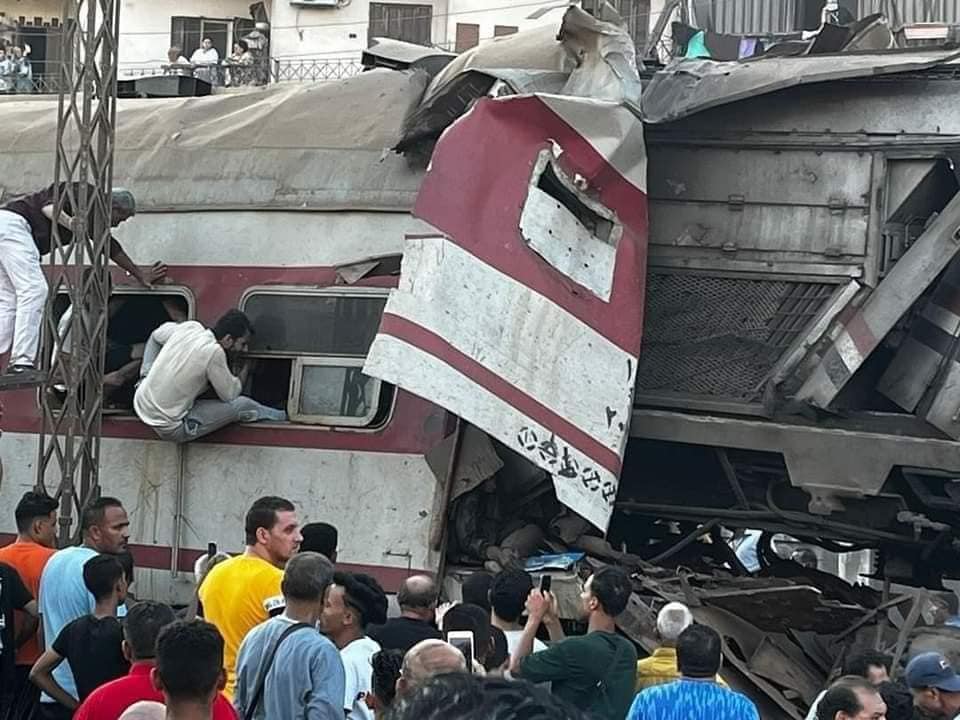
4 killed in Zagazig in another train collision
Four people were killed and over 49 were injured due to a train collision in Zagazig, Sharqiya on Saturday evening, according to…
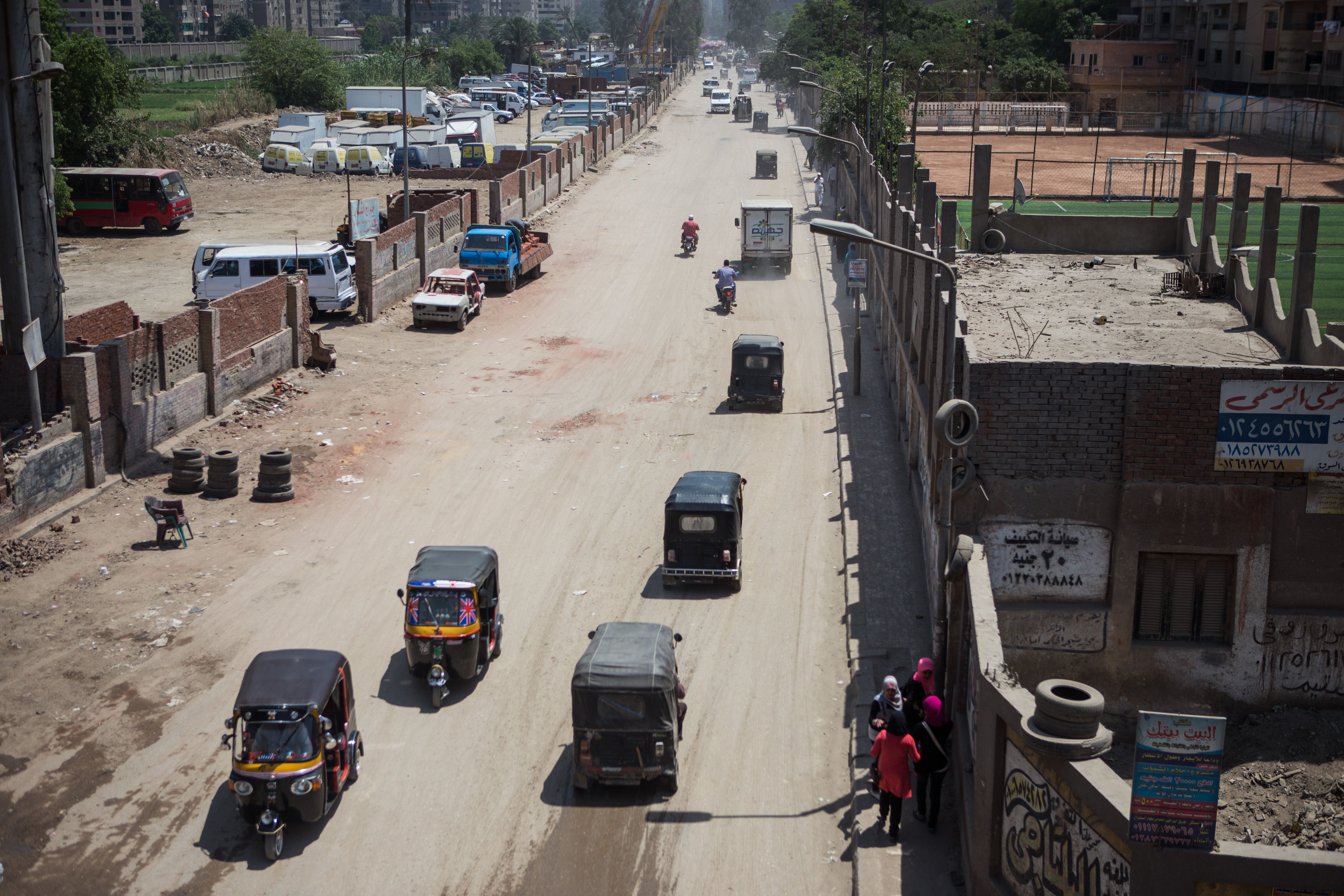
New import ban on tuk tuk parts could leave drivers, feeder industries and passengers stranded
As of Thursday morning, it became unlawful to import components of three-wheeled tuk tuk vehicles.
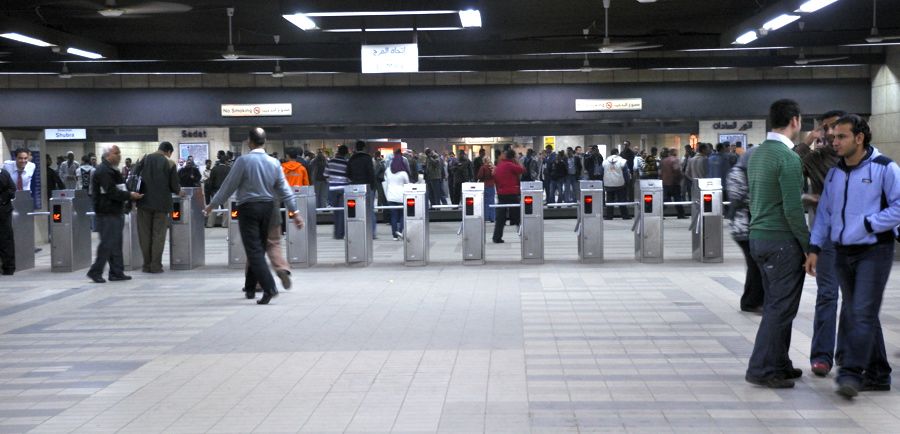
Metro fare hike prompts protests and arrests, adds to the burdens of Egyptians
Commuters angrily respond to a recent hike in metro fares ranging between 250 and 300 percent
Video | Sudan Street: Under construction
Mada Masr speaks with people affected by the metro construction work on Cairo's Sudan Street
Your support is the only way to ensure independent, progressive journalism survives.
You have a right to access accurate information, be stimulated by innovative and nuanced reporting, and be moved by compelling storytelling. Subscribe now to become part of the growing community of members who help us maintain our editorial independence.
Join us