
Trade deficit widens in June, putting pressure on the pound

The trade deficit grew to LE26.3 billion in June, jumping by more than 62.3 percent, compared to the LE16.2 billion deficit recorded in the same month last year.
The widening deficit — one of the key drivers of the foreign currency shortage — was driven by both an increase in imports and a decline in exports, the state-owned Middle East News Agency (MENA) reported.
An increase in the value of imports to Egypt means that more dollars are flowing out of the country to pay for goods from abroad. Meanwhile, declining exports means there is a corresponding drop in hard currency paid by customers abroad.
During June 2015, the state statistics agency CAPMAS reported that the value of Egypt’s exports to the world fell by more than 24 percent year over year, dropping to just LE14.4 billion.
CAPMAS attributed the drop to a decline in market prices for key Egyptian export commodities like crude oil and petroleum products.
Meanwhile, imports rose by 15.3 percent year over year to reach LE40.7 billion.
Foreign reserves did grow during the month of June, reaching US$20.53 billion, the highest level since 2011. However, this increase came after Egypt’s allies in the Gulf made US$6 billion in deposits to the Central Bank of Egypt.
Since then, reserves have fallen in both July and August, intensifying calls to devalue the Egyptian pound.
Speaking at a conference last week, Investment Minister Ashraf Salman suggested that a devaluation was becoming inevitable.
“Is it better to deplete the reserves or depreciate?” Salman asked. “The answer in this global crisis is to take care and to increase your foreign reserves. Depreciation here is not a choice.”

أخبار ذات صلة
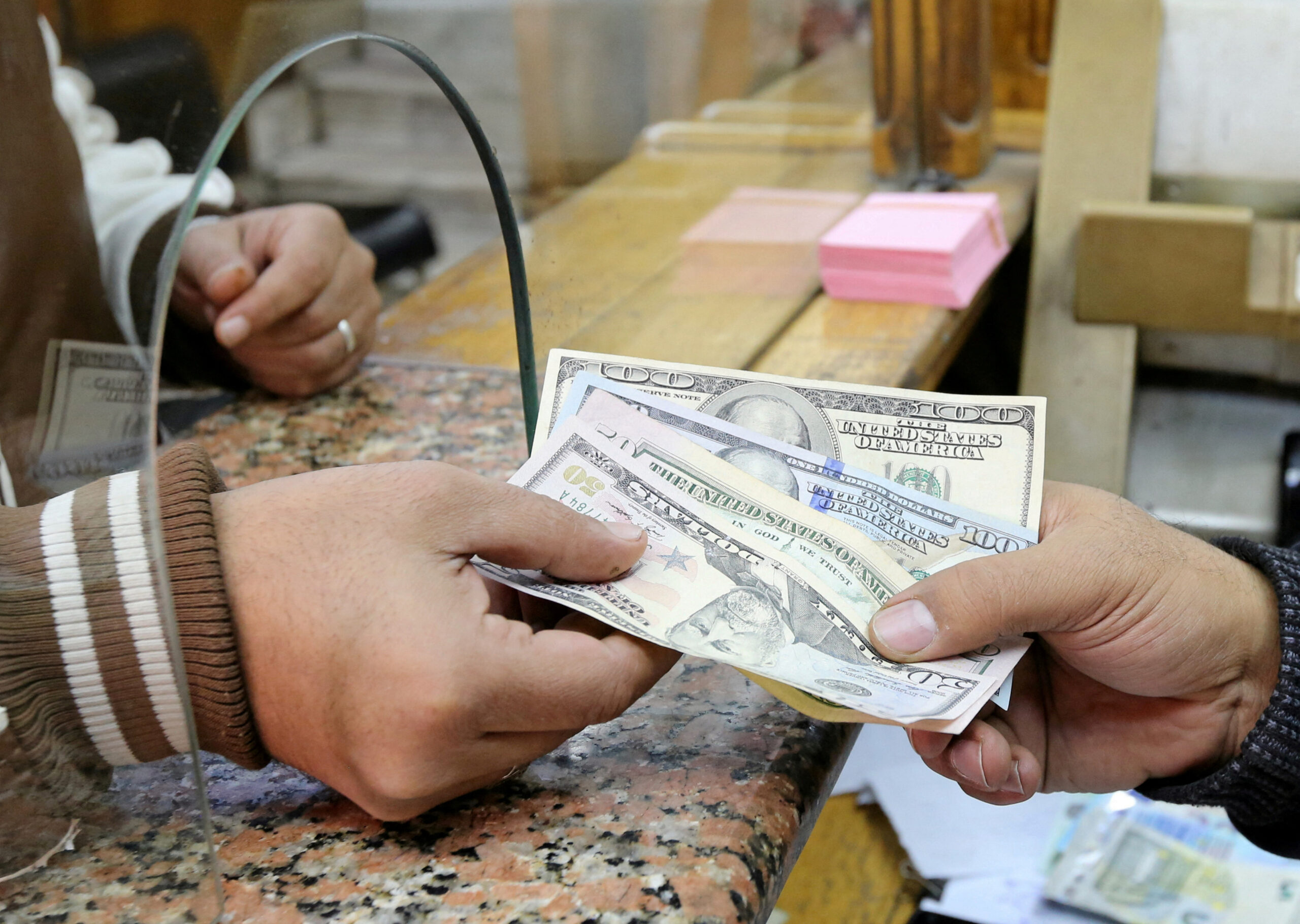
Egyptian pound drops to LE47.9 against the dollar
The value of the Egyptian pound has declined steadily against the US dollar in recent days, reaching LE47.95 on Tuesday from LE…
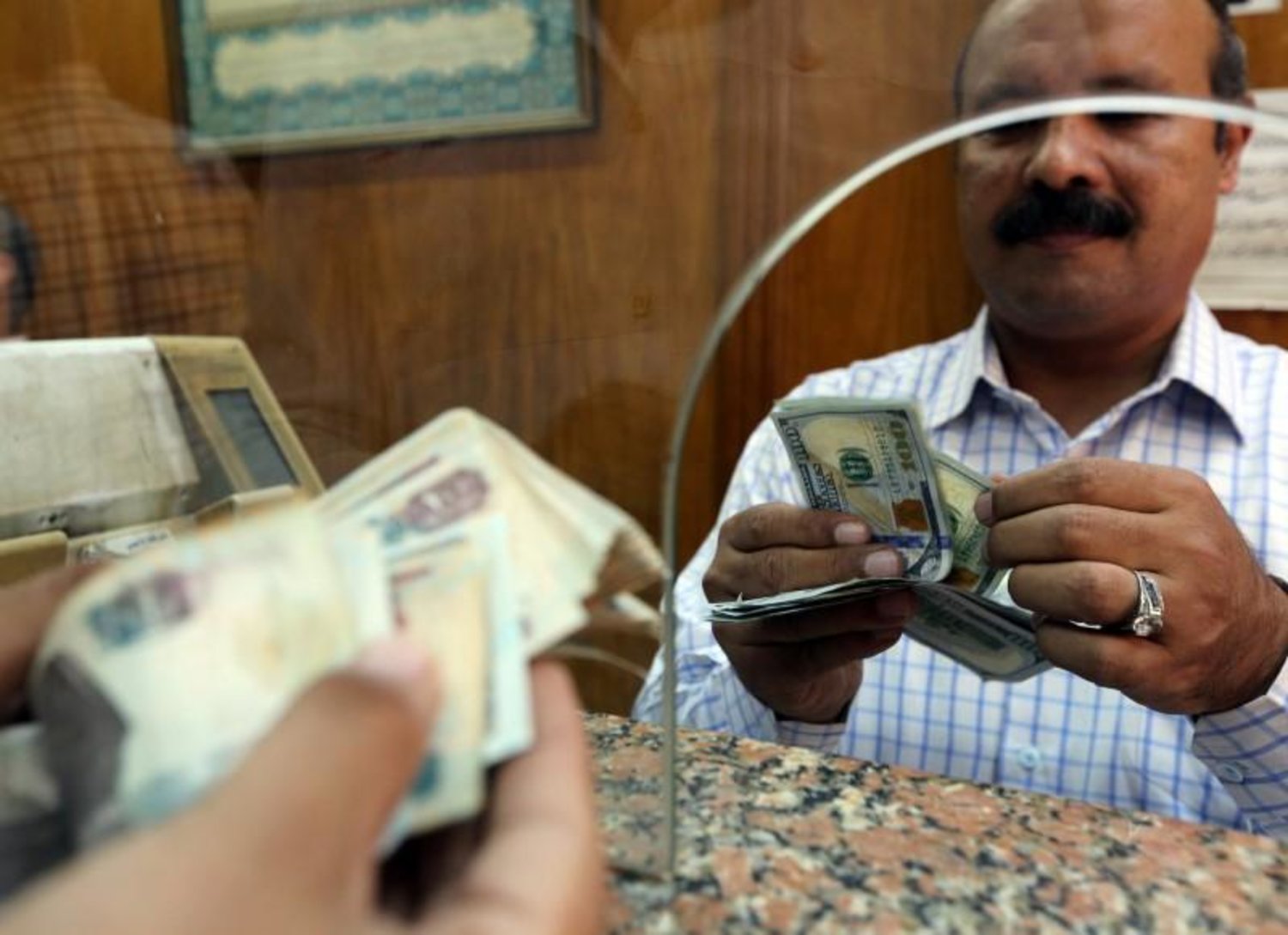
Dollar price falls in parallel markets relieving pressure on consumers but causing uncertainty for businesspeople, traders
The Egyptian pound has rallied on parallel markets over recent days, after reaching an all-time low last week at an exchange value…
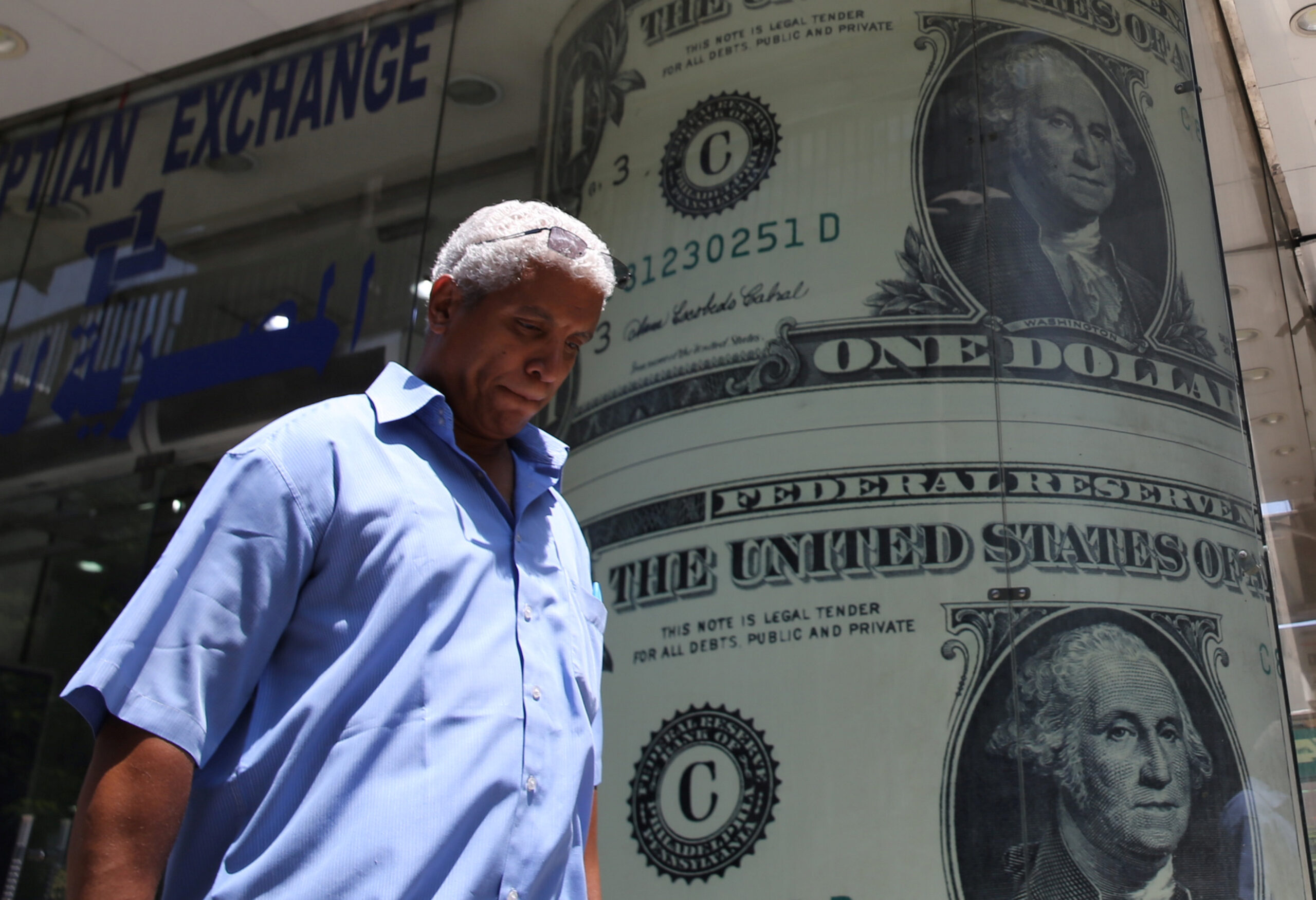
Capital Intelligence downgrades Egypt’s credit score, citing delays in privatization, exchange rate liberalization
Credit rating agency Capital Intelligence downgraded Egypt’s long-term sovereign debt rating from B+ to B, citing delays in implementing structural reforms recommended…
Moody’s extends Egypt’s credit review for 3 months
Citing an attempt to “balance” government progress with concerns about Egypt’s foreign currency inflows, Moody's Investors Service extended its review of Egypt's…
Your support is the only way to ensure independent, progressive journalism survives.
You have a right to access accurate information, be stimulated by innovative and nuanced reporting, and be moved by compelling storytelling. Subscribe now to become part of the growing community of members who help us maintain our editorial independence.
Join us