
Critics warn govt edits to criminal procedures bill ‘violate Constitution,’ erode right to defense

"The fact that the Public Prosecution can interrogate defendants without a lawyer present constitutes a violation of the Constitution,” MP Maha Abdel Nasser told Mada Masr.
The MP was voicing her objection to changes currently being made to the criminal procedures law amid an exceptional parliamentary review.
Abdel Nasser’s objection echoed similar concerns raised by the Lawyers Syndicate and backed by the Journalists Syndicate over the last 24 hours, as critics hasten to prevent steps they say would legally empower authorities to waive defendant protections.
The dispute is only the latest to pursue the law, which lays out rules for how authorities handle anyone suspected of a crime. A process to redraft the legislation has been marked by conflict since the government submitted it to the House of Representatives in January last year.
After months of opposition staged by politicians, parties, rights groups, professional unions and United Nations experts, President Abdel Fattah al-Sisi declined to ratify Parliament’s final draft of the law last month, sending it back to the legislature for review.
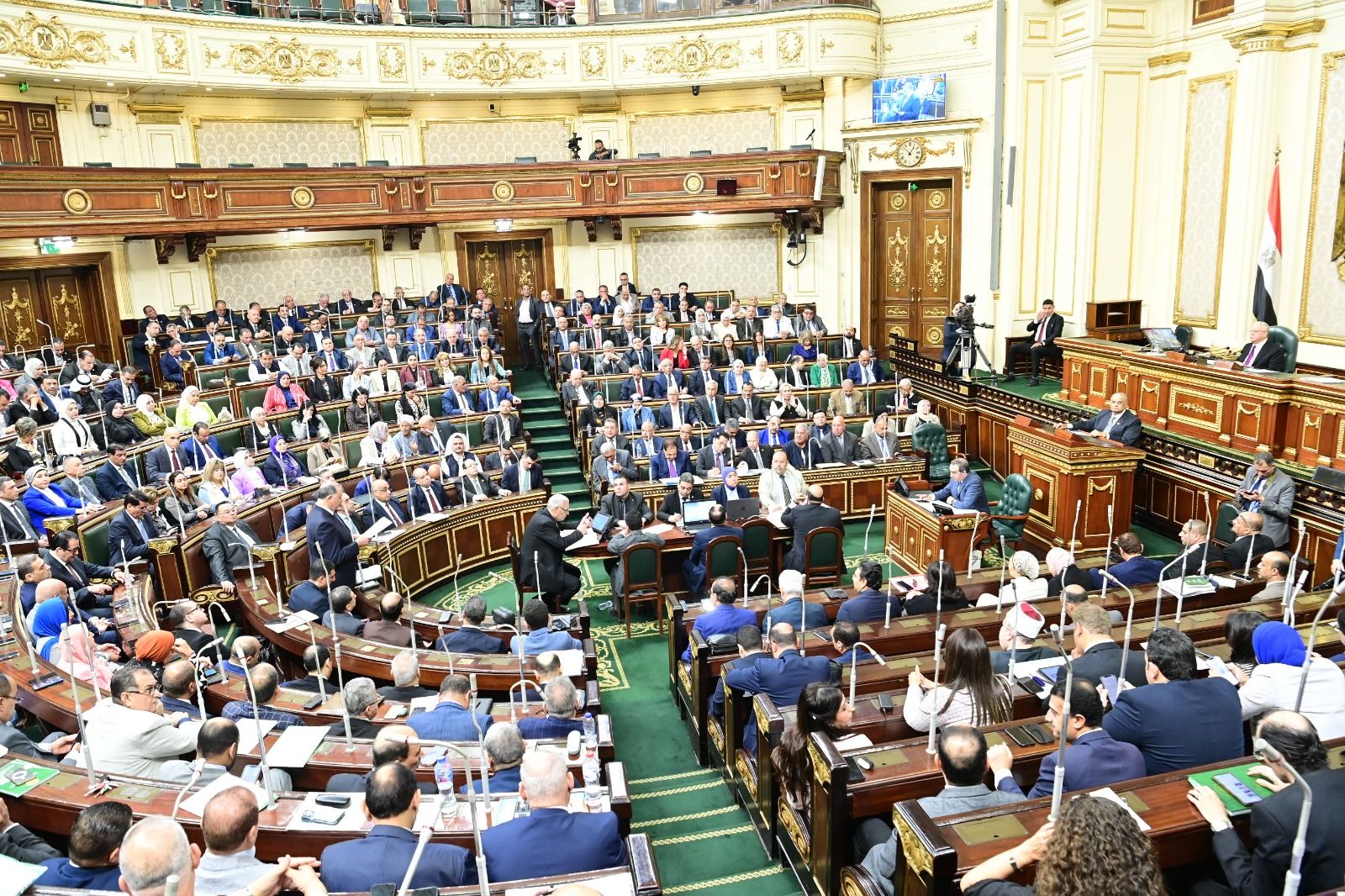
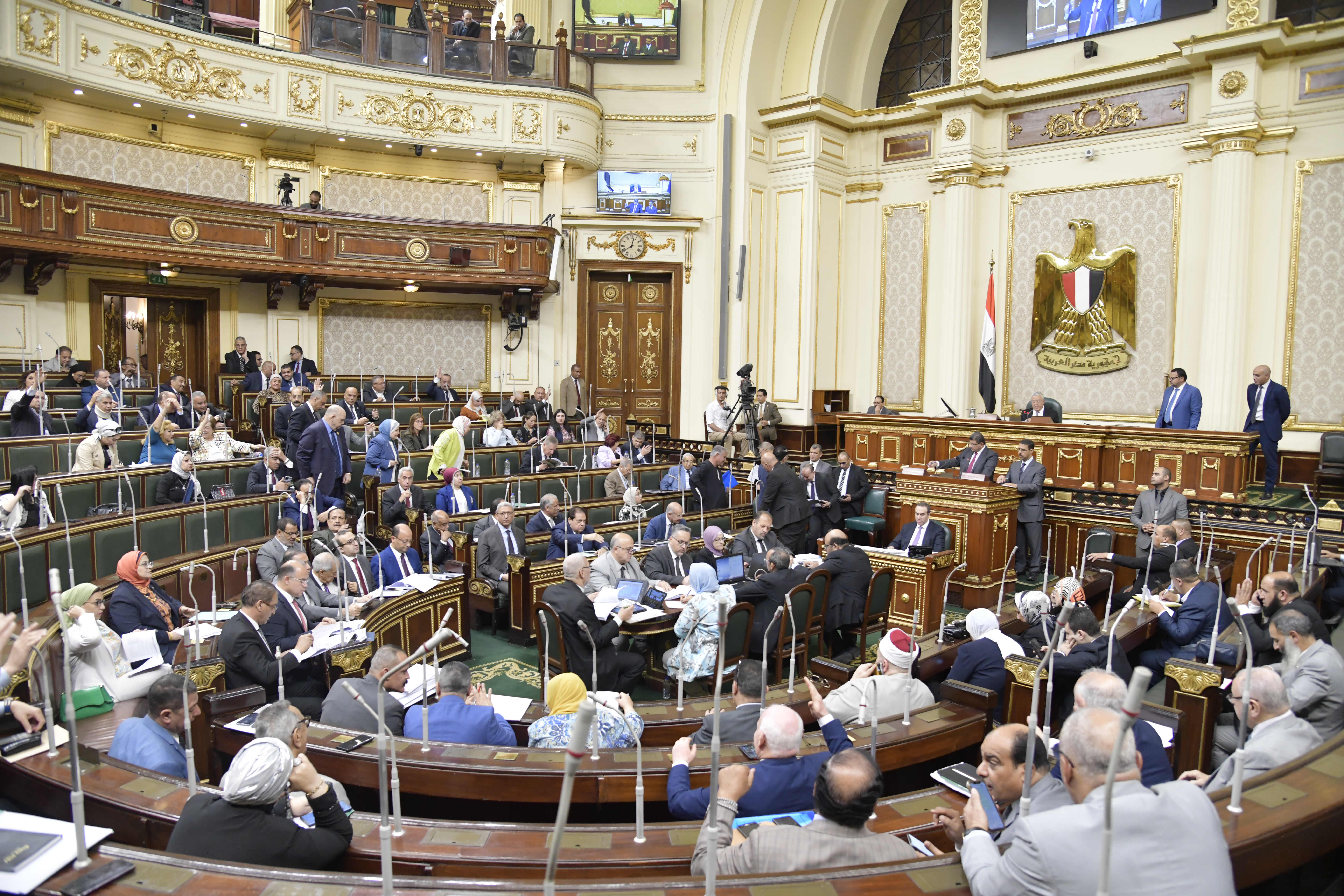
In response, members of the House, who had departed their final scheduled sessions in July ahead of an upcoming round of elections, have returned instead to attend a set of exceptional sessions to amend the draft law.
It was a rewording suggested by the government for Article 105 that sparked the mounting opposition.
When a specialized committee of 13 MPs was due to vote on the amendments Saturday, six of its members opposed the ministry’s draft for the article, including Abdel Nasser, who withdrew from the committee along with two of her peers and the head of the Lawyers Syndicate.
They objected to proposed amendments to Article 105, which they say would allow the Public Prosecution to interrogate defendants without a lawyer present.
The President had suggested that Article 105 be amended, arguing that it stood in contradiction to Article 64, which allowed for law enforcement officers authorized by the prosecution to question suspects without a lawyer present in the event that the matter is timely.
The three MPs who withdrew from the specialized committee, in addition to Lawyers Syndicate head Abdel Halim Allam, are protesting what they describe as the government’s insistence on passing an amendment that violates Article 54 of the Constitution, which guarantees the right to defense.
Journalists Syndicate head Khaled al-Balshy issued a statement on Monday morning, likewise stating that “the minimum to be said” about the amendments is that they introduce “exceptions” that “violate the current Egyptian Constitution and violate the aim and text of the president’s note" on the law.
“The proposed amendment seeks to further undermine the rights enshrined in the Constitution, as if there were an urgent desire to encroach on these guarantees and undermine the role of the defense during investigations,” Balshy said.
The Lawyers Syndicate also stressed the violations in its statement the evening prior, saying that while Sisi requested more guarantees for the right to defense, what happened at the House portrays “a dangerous trend toward undermining these guarantees and diminishing rights.”
In the draft law Parliament approved to send to the president, the attorney of anyone facing legal accusations must have access to the investigation for a sufficient period of time before any interrogation or confrontation, unless the public prosecutor decides otherwise. The law states that “under all circumstances, the accused cannot be separated from their attorney during questioning.”
Other articles highlighted by the president’s memorandum included those on law enforcement officers entering suspects’ homes and on the use of remand detention as a precautionary measure, among others.
The government’s statement following Saturday’s dispute at the House bypassed the walkout and objections, noting only that the session had lasted seven hours.
Abdel Nasser told Mada Masr that she is waiting on the special committee’s report on the session to assess whether and how they could take further action.
Another of the MPs who opposed the government’s edits to Article 105, Ayman Aboul Ela, said that the special committee’s approval is not final and that lawmakers will have another chance to correct the course in a plenary session that will determine the final draft.
The new law was proposed at the end of 2023, and moved rapidly through the House as many expected it would.
Only minor amendments were introduced before members voted to give final approval to the bill in April.
Amid that, several opposition groups, non-governmental organizations and UN experts spoke out against the legislation, decrying the process behind the law’s formulation and the sidelining of efforts at political participation.
أخبار ذات صلة

Reformist push fails to break through undercurrent of security concerns dominating rewrite of criminal procedures law
The law passed with minor changes despite calls for stronger safeguards
Sisi returns criminal procedures bill to Parliament in rare reversal
In a rare reversal, President Abdel Fattah al-Sisi returned a draft law on criminal investigation and trial process to the House of…
House approves new Criminal Procedures Law, codifying ‘violations’ despite widespread opposition
The House of Representatives approved the new Criminal Procedures Code on Tuesday, marking an end to months of controversy around the foundational…

The weeks of dispute around reforms to the Criminal Procedures Code
Amid an ongoing political conversation around the use and abuse of remand detention to hold political detainees, legislators have dusted off a…
Your support is the only way to ensure independent, progressive journalism survives.
You have a right to access accurate information, be stimulated by innovative and nuanced reporting, and be moved by compelling storytelling. Subscribe now to become part of the growing community of members who help us maintain our editorial independence.
Join us