
The PM shuffle
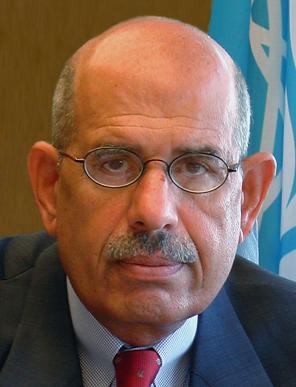
The post of Egypt’s prime minister is still open, but evidently not exactly up for grabs.
The ongoing back and forth which began Saturday is a clear indicator that the post will be difficult to fill, not least due to the numerous challenges that lie ahead of the country’s next PM, but also as a reflection of the deep division that makes the task of finding a name on which there is general consensus an extremely troublesome task.
A storm of news reports on Saturday heralded reform leader Mohamed ElBaradei as PM, appointed by Egypt’s new interim President Adly Mansour. Instantly, reactions veered from pure joy, to cautious optimism, to downright indignation – reactions that mirrored the wide and divided political spectrum.
The news was seemingly confirmed, or as confirmed as a piece of news could be amid the current fast-paced and uncertain political developments.
But like many vital decisions and announcements over the past year – made well into the evening only to be retracted, suspended or denied in the middle of the night – ElBaradei’s appointment and un-appointment had media scrambling for reactions and left the public as confused as ever.
Besides pleasing many enthusiasts, mainly opponents of deposed President Mohamed Morsi, ElBaradei's appointment raised tempers among Islamist leaders, who consider him a secularist likely to endanger the potentials of political Islam.
When the Salafi Nour Party spoke out against the decision late Saturday, there was a quick backtrack on the move to place ElBaradei as PM, though it is unclear whether he was the one who chose to withdraw from the scene or whether Mansour with his team of advisors thought it unwise to ruffle the feathers of Nour Party leaders.
The Nour Party threatened to leave the Egyptian political scene if the appointment of ElBaradei goes through. It is currently one of the few Islamist groups that is siding with a post-Morsi political transition, and may be the only bridge left between its supporters and opponents.
Shaaban Abdel Alim, Assistant Secretary General of the Nour Party, said Sunday afternoon that appointing ElBaradei as PM would only increase the fury of Islamist factions and widen divisions on the street, according to an Al-Ahram report.
Speaking to Aswat Masreya, affiliated with Reuters, he added that it would also call the integrity of any elections conducted during the transition period into question.
“Despite our respect for Dr. ElBaradei, we must not forget that the demands of political forces before 30 June hinged on choosing a neutral government without political leanings, that would oversee elections,” he said.
Mahmoud Badr, the spokesperson of the Tamarod or Rebel campaign, said they had proposed ElBaradei’s name and were surprised at the retraction of his appointment, according to Al-Ahram.
Since May, Tamarod has collected millions of signatures for a petition to oust Morsi, which built up the momentum for the street movement against the president big enough to force the army to intervene with an ultimatum that eventually led to him being deposed.
Badr said Sunday on his Facebook page, “We absolutely refuse another name [for the post of PM]… If another person is chosen without our consultation, we will not recognize or deal with him.”

أخبار ذات صلة
Sources on Cabinet reshuffle: Likely to affect supply, electricity, finance, foreign ministers
Mada Masr asked a number of politicians and public figures why a new government is being formed now.
Govt says it’s revising expenditure on hosting ‘guests’ as anti-migration sentiment rises
Last week, government officials revising policy on migration into Egypt took stock of the number of “guests” that currently reside in the country and estimated their impact on annual state…

Daily COVID-19 roundup: June 25
Concern remains over the feasibility of the 25 percent occupancy limit for reopened businesses
Daily COVID-19 roundup: May 17
As of Thursday night, 70 nurses had contracted COVID-19, and seven in total had died.
Your support is the only way to ensure independent, progressive journalism survives.
You have a right to access accurate information, be stimulated by innovative and nuanced reporting, and be moved by compelling storytelling. Subscribe now to become part of the growing community of members who help us maintain our editorial independence.
Join us