
Sources on Cabinet reshuffle: Likely to affect supply, electricity, finance, foreign ministers
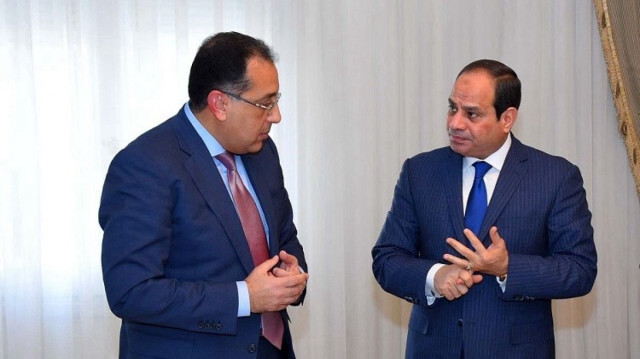
President Abdel Fattah al-Sisi accepted on Monday the resignation of the current cabinet of ministers, a statement from the presidency said.
Rumors of an incoming cabinet reshuffle have been circulating since Sisi’s reelection in last year’s presidential race.
The primary objective of the new formation, according to the presidency’s Monday statement, is to uphold national security amid recent challenges, placing the “development of the Egyptian citizen” at the top of the agenda, particularly with regard to education and healthcare.
Additionally, the new government is expected to gear its efforts toward enhancing political engagement, while addressing matters of security, stability and counterterrorism, and safeguarding previous accomplishments in these fields, the statement says. The objectives also include advancing cultural initiatives, national awareness, and promoting a moderate religious discourse that reinforces concepts of citizenship and social harmony.
The statement adds that the new government is to continue on the path of economic reform, emphasizing attracting both local and foreign investments, encouraging private sector growth, and working diligently to mitigate price increases and inflation and ensure market stability.
Among the politicians and public figures who spoke to Mada Masr regarding the rationale behind forming a new government at this moment, views differed. Some, closer to the government, noted the difficulty in building consensus behind closed doors before changes to ministerial portfolios could be enacted, while more critical voices noted that the changes come just as some hard policy decisions have been navigated, including a rearticulation of the 2022 loan program with the International Monetary Fund, major cuts to subsidies, and incoming price hikes at the start of the new fiscal year.
A source from the majority Nation’s Future Party, who spoke to Mada Masr on condition of anonymity, described the ministerial reshuffle as a long-overdue measure that should have been taken months ago, but "the war in Gaza occupies a significant portion of [the government’s attention,] the defense and interior ministers' in particular," the source said.
The source added that the decision to undertake a reshuffle requires finding equilibrium between the stances of the General Intelligence Service, National Security Agency, prime minister, and Administrative Control Authority before any formal announcement can be made.
By contrast, MP Ahmed al-Sharkawy, a member of the National Dialogue’s Board of Trustees, deemed the reshuffle essential to addressing the economic challenges. Sharkawy told Mada Masr that the number of economy-related ministries should be increased and that some ministries that were previously abolished, such as investment and economy, must be reinstated.
The reshuffle might be intended to hold the outgoing government politically accountable for socially "painful" decisions, including the hike in subsidized bread prices, said Political Science Professor Mostafa Kamel al-Sayed. Despite bread hikes coming at the behest of the IMF and the president first and foremost, Sayed anticipated that the ministers of supply and finance might be dismissed from their ministries since they were on the front lines of implementing the bread hike.
But changing the ministerial line-up does little to respond to some of the most key demands for political change, said Sayed, who is the assistant coordinator of the political axis in the National Dialogue. He explained that participants in the National Dialogue — which is nominally a forum to open up space for discussion in a restricted political climate — requested amendments to the laws governing elections to the Senate and House of Representatives, but that these were never delivered to the prime minister due to opposition from pro-state parties participating in the dialogue. The only legislative demand that was put forward was one for changes to the local elections law, making the prospect of change “minor,” as Sayed put it.
Former presidential candidate and Social Democratic Party head Farid Zahran also downplayed the significance of changing the government alone. "We can recall here a famous statement by Youssef Wali [former agricultural minister under ousted President Hosni Mubarak], in which he said that the entire government is nothing but a secretariat for the president. And here we are, talking about a change that does not even include the prime minister in the first place," said Zahran.
Zahran said that the meagerness of the change is partly due to the absence of pressure on the authorities from the political opposition.
Talaat Khalil, a leading council member in the Conservative Party and a leader in the Civil Democratic Movement, an opposition coalition, similarly downplayed the significance of the ministerial reshuffle as a whole. The CDM did not prioritize ministerial change in its political demands, he said, as there is little connection between such change and comprehensive development strategies and political and economic reforms. "For example, in the National Dialogue, in which I am the coordinator of the public debt axis, demands were centered on halting reliance on increasing public debt, a goal that would remain unaffected by a change in government, even if Madbuly were to step down."
While the potential for broader political change on the back of a cabinet reshuffle might be limited, the prime minister is now tasked with finalizing the selection of new ministers and gaining the president’s approval.
Then, the newly appointed government members will take the constitutional oath before the president. Madbuly will then present the government program to the House of Representatives, which will have 30 days in which to take a vote on whether to grant confidence to the government.
Sources close to the government and in Parliament shared with Mada Masr their predictions about who is likely to be leaving and who is likely to stay.
Who’s likely to stay?
Prime Minister Mostafa Madbuly is set to stay in his role, as he was tasked with forming a new Cabinet of “competent individuals with distinguished expertise and capabilities,” according to Monday’s statement. Sisi first appointed Madbuly at the beginning of his second presidential term in June 2018 to replace former PM Sherif Ismail.
Madbuly was formerly minister for housing, as well as acting prime minister since November 2017.
His outgoing cabinet formation, currently overseeing operations until the new government is appointed, comprised 33 ministerial portfolios. In addition to his role as prime minister, Madbuly took on the duties of investment minister, following a ministerial reshuffle in December 2019, according to the State Information Service.
Housing Minister Assem al-Gazzar: A government source suggested that Housing Minister Assem al-Gazzar is likely to stay, given that there are significant projects underway, pointing in particular to the landmark Ras al-Hikma deal. Yet another source close to the government told Mada Masr that deliberations were held regarding the appointment of the chairman of the Administrative Capital for Urban Development Company Khaled Abbas as Gazzar's successor.
Planning Minister Hala al-Saeed: Saeed is likely to remain a presence, though it’s not clear in what capacity. Three government and parliamentary sources said that talks were held recently for Saeed to lead the Sovereign Fund of Egypt, with the role separated from the Planning Ministry. A fourth government source anticipated that Saeed would be appointed as deputy or assistant to the Prime Minister in addition to heading the fund.
Who’s likely to go?
Supply Minister Aly Meselhy: Six government and parliamentary sources independently told Mada Masr that the supply minister is among those set to depart from the government. Some of the sources said that Meselhy’s anticipated dismissal is prompted by the need to "absorb the public anger resulting from his provocative statements.”
Meselhy has just overseen a historic and long-anticipated 300 percent hike to the price of subsidized bread. Holding office during years that have seen Egypt’s headline inflation reach unprecedented levels and chronic issues with the management of key crops such as wheat, corn and sugar come to the fore, his name has often been dragged through the media along with questions about market management, corruption and commodity scarcity.
Sisi reproached Meselhy, along with the ministers of finance and electricity, in a press conference early last week, saying: "Maiet isn’t saying anything, the supply minister isn’t saying anything, the electricity minister isn’t saying anything. What’s going on? Say something.”
Meselhy, who has been in office since September 2016, also faced harsh criticism from pro-government MPs for various reasons linked to the rise in commodity prices within and outside the subsidized supply system, most recently in January.
Sources varied in their reads on who would succeed him. Potential candidates included Armed Forces Logistics Authority head Hany Kamel, the current minister's first assistant Ibrahim Ashmawy, and head of the Local Administration Committee in the House of Representatives Ahmed al-Segeny.
A parliamentary source told Mada Masr on condition of anonymity that oversight bodies had been in touch with Segeny over the past two months, since the start of the third presidential term on April 2, with the intention of appointing him as the new supply minister.
Finance Minister Mohamed Maiet: Maiet is also rumored as likely to depart from the Finance Ministry, especially after he was "completely burned yesterday in parliament," as one parliamentary source put it.
During Sunday’s parliamentary session, MP Abdel Moneim Imam, representative of the Justice Party, launched an attack on Maiet, calling for his political trial over discrepancies in the public finance figures announced by the International Monetary Fund versus those presented by the Finance Ministry in the general budget. Maiet objected, insisting on omitting the term "trial" from the session’s official record.
Three government and parliamentary sources suggested that Maiet’s current deputy, Ahmed Kajok, could be his potential successor.
A government source told Mada Masr on condition of anonymity that Madbuly had suggested Maiet could retain his current position as chair of the General Authority for Health Insurance’s board of directors, while the position would be detached from the finance minister’s portfolio of duties.
Electricity Minister Mohamed Shaker: Government and financial sources also suggested that Electricity Minister Mohamed Shaker, who has held his position since 2014, is likely to be dismissed. A source close to the government said that Shaker had requested to leave the ministry to rest over three years ago. Shaker has also overseen a turbulent time in office, announcing the roll-out of daily power cuts nationwide in 2023.
Petroleum Minister Tarek al-Molla: Two parliamentary sources predicted that Petroleum Minister Tarek al-Molla could be dismissed, despite his enjoying favorable regard until recently, according to one source. “However, the recent energy and electricity crisis contributed to the likelihood of his departure," the source told Mada Masr. Egypt became a net oil and gas importer in 2023, a step back to a defining dilemma of political and economic governance pre-2018.
Foreign Minister Sameh Shoukry: Three government sources agreed that the reshuffle will include a new foreign minister to replace the current incumbent Sameh Shoukry, although the sources did not disclose specific nominees for his replacement.
Justice Minister Omar Marwan: Two sources close to the government and other parliamentary sources anticipated the exit of Justice Minister Omar Marawan.
Parliamentary Affairs Minister Alaa Eddin Fouad: Parliamentary sources said that the minister was also likely on his way out.
Other changes?
In addition to the anticipated reshuffle, government and parliamentary sources told Mada Masr that there are plans to merge certain ministries and reinstate others that were dissolved in recent years, such as the investment ministry. Two government sources predicted that the Investment Ministry is likely to be merged with the International Cooperation Ministry, with Rania al-Mashat potentially leading the combined entity, as she "secured a lot of cheap loans recently," one of the sources said.
The ministry for investment was dissolved in 2019 and its duties transferred to the prime minister in an attempt to deal with the continuous overlapping of responsibilities and lack of coordination between the investment minister and other ministers, according to the prime minister’s statements at the time.

أخبار ذات صلة
A little for the public, a lot for the state: PM launches small social spending package prioritizing ‘fiscal wisdom’
The new government launched a new social support package worth LE40 billion during a televised press conference on Sunday. Of the total, LE15 billion will go to the Haya Karima…
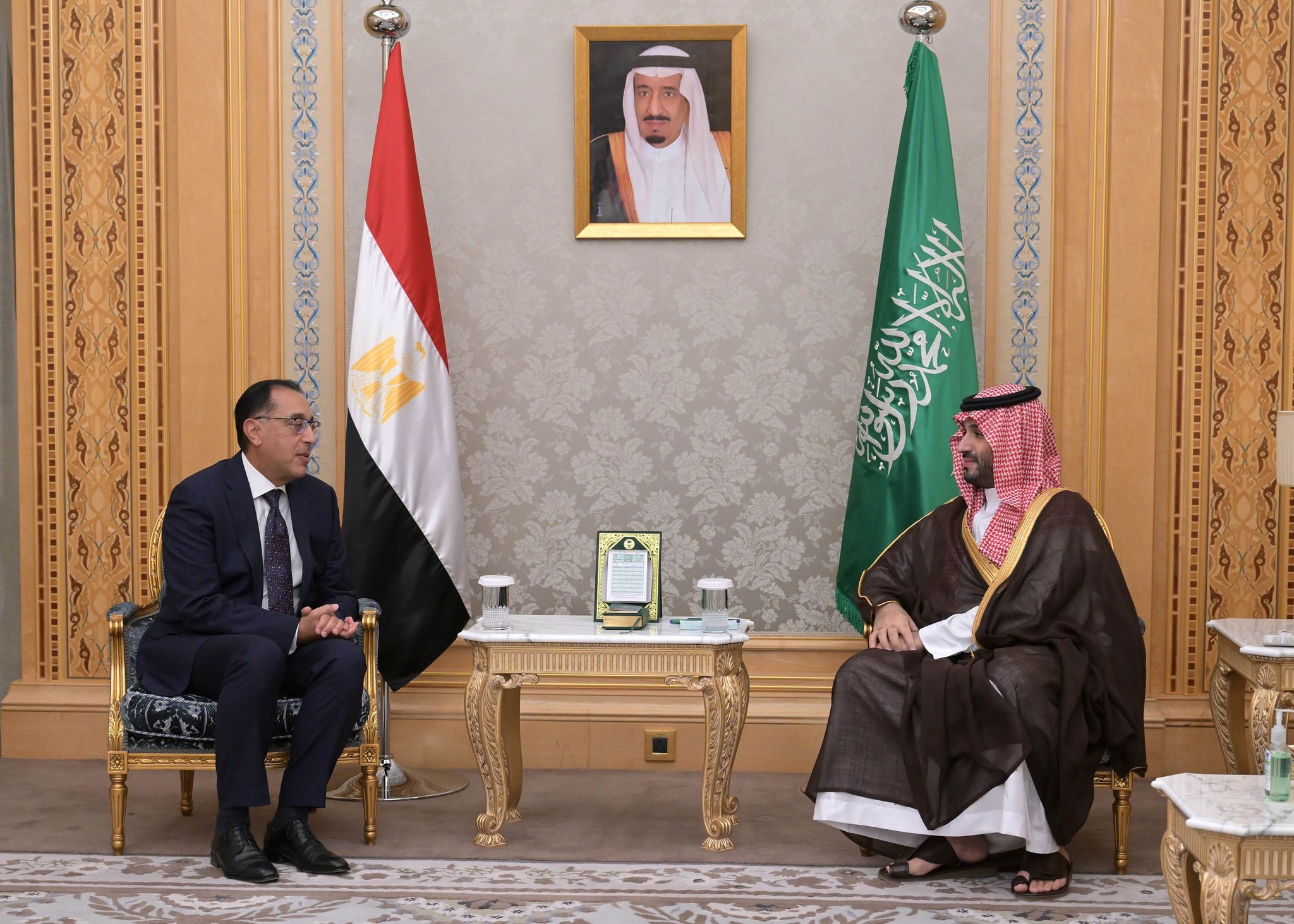
Egypt to receive US$5 bn in investments from Saudi Arabia after reforms to support investors reaping the ‘highest returns,’ Madbuly says
The prime minister’s visit included Egypt’s ministers of trade, investment and finance.
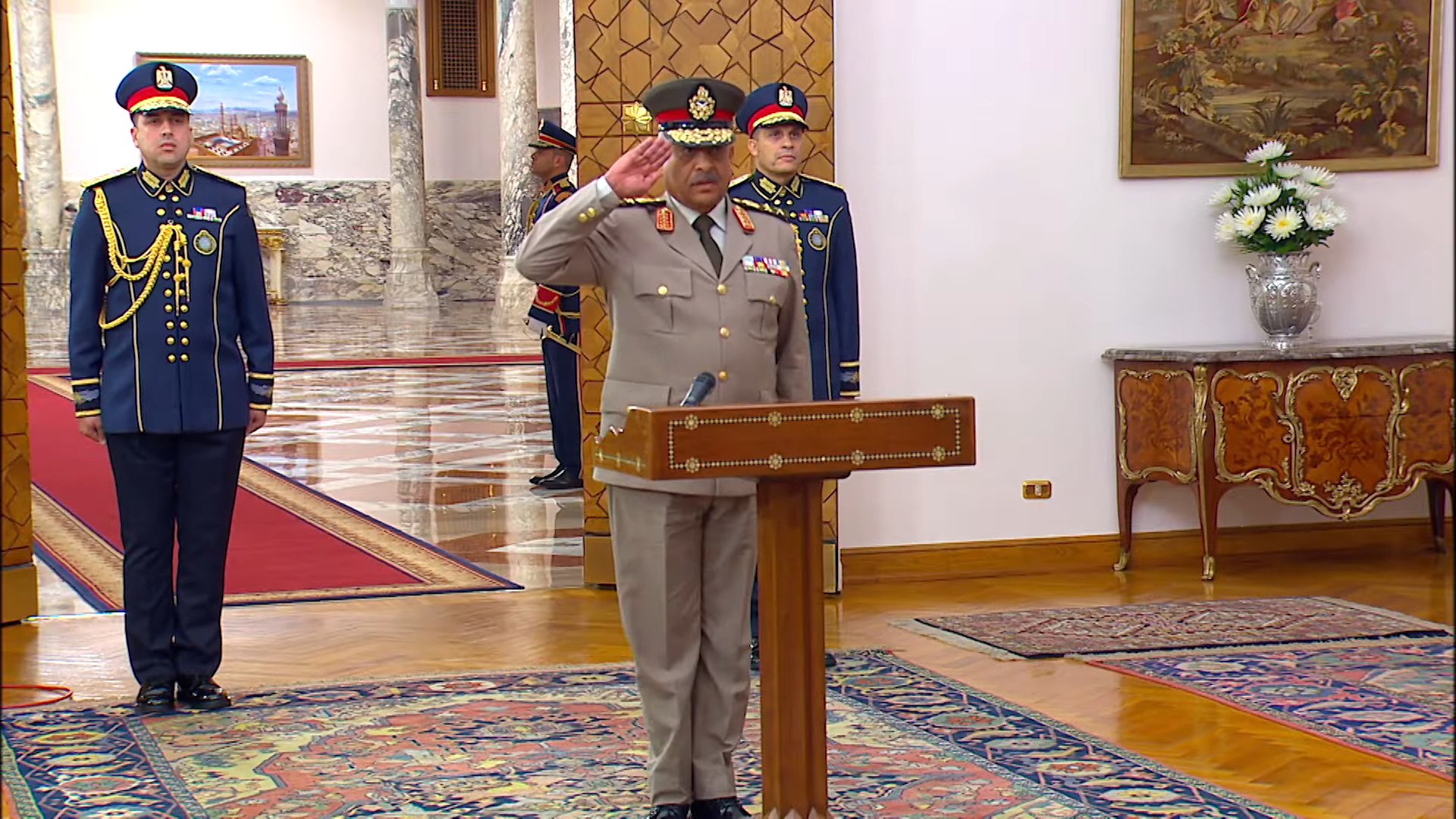
The ‘unexpected’ new defense minister
Among the new Cabinet members sworn in on Wednesday was former Suez Governor Major General Abdel Meguid Saqr, who took his oath…
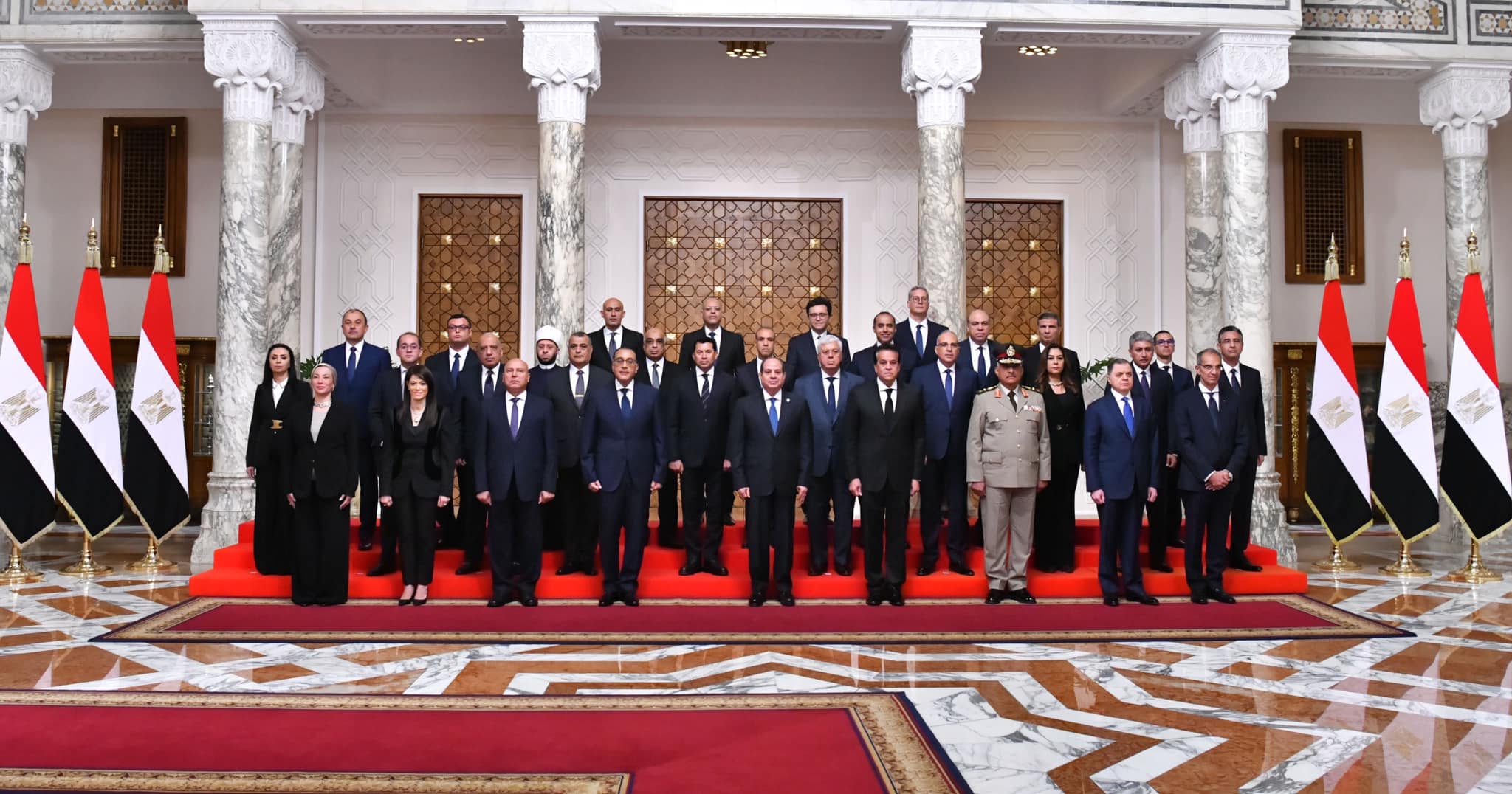
Who’s who in Madbuly’s new Cabinet?
A new government swore its oath of office on Wednesday before President Abdel Fattah al-Sisi. The new lineup, which includes fresh faces…
Your support is the only way to ensure independent, progressive journalism survives.
You have a right to access accurate information, be stimulated by innovative and nuanced reporting, and be moved by compelling storytelling. Subscribe now to become part of the growing community of members who help us maintain our editorial independence.
Join us